
🪴 Fritz Luthi Maidenhair Fern
What it looks like

Why this variety
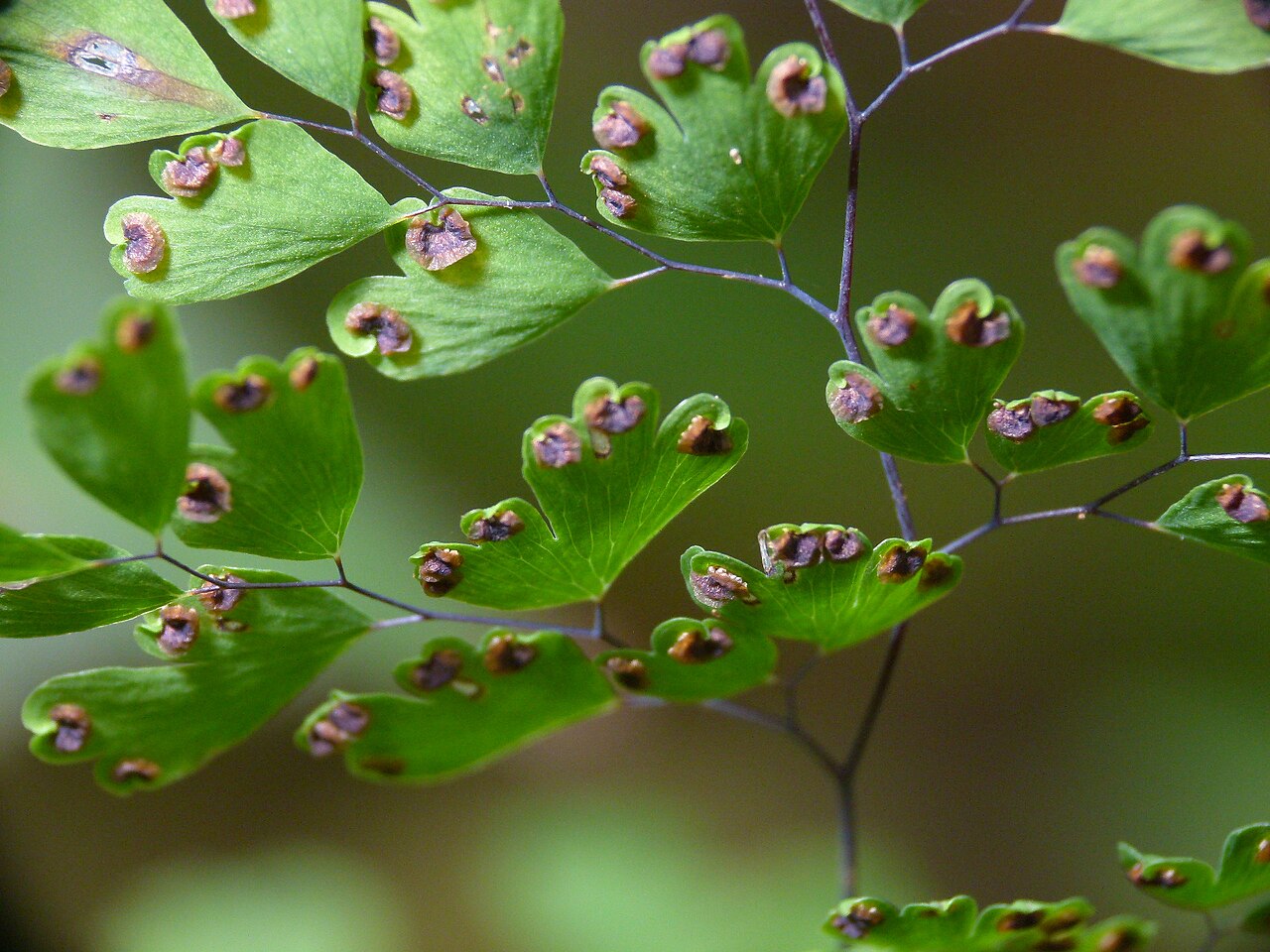
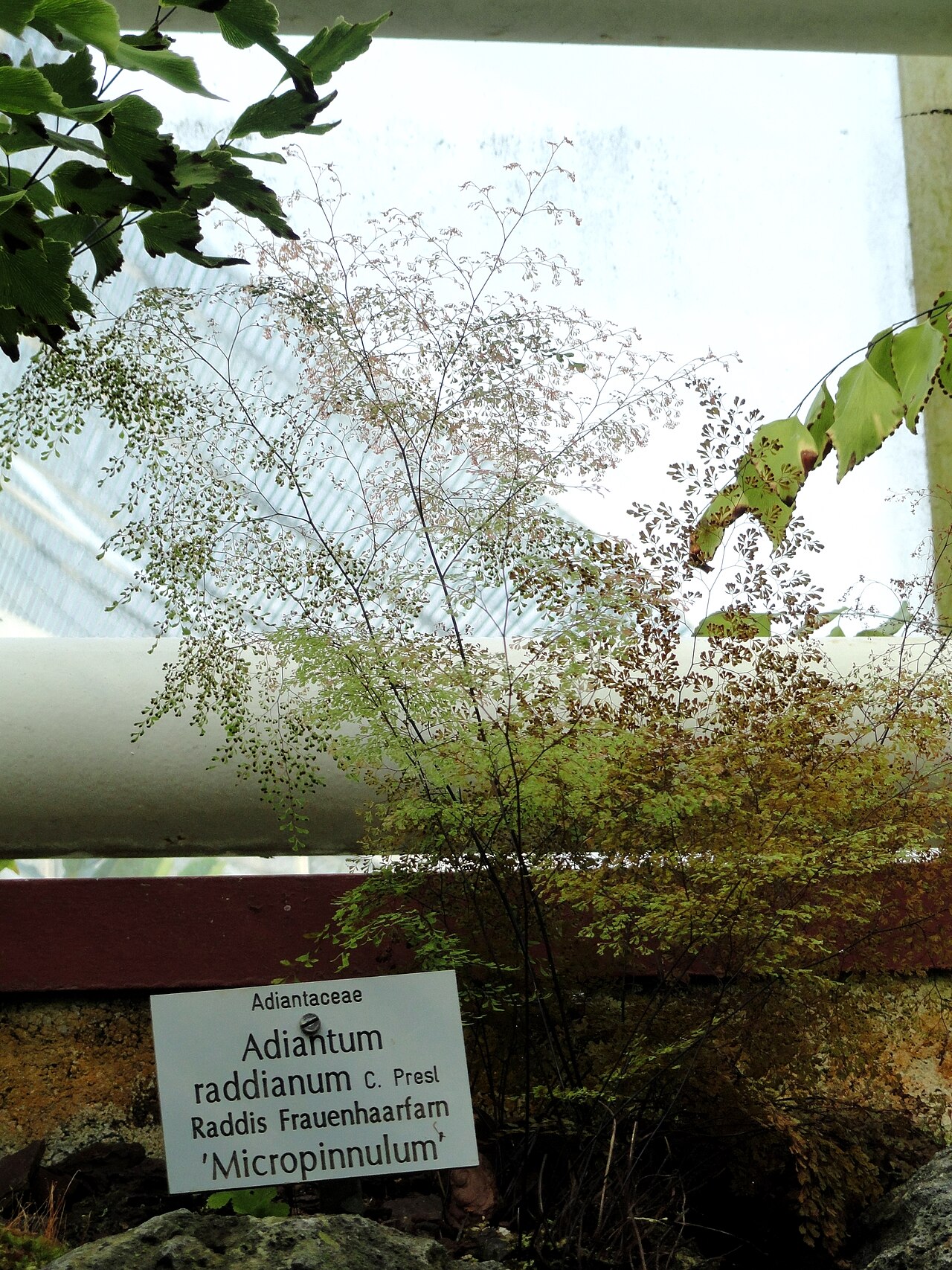
Fritz Luthi is the maidenhair fern most people picture: delicate, triangular fronds of tiny, fan-shaped leaflets, layered like lace, on slender black stems, forming a soft, arching mound about 18 inches tall. It is a cultivar of the delta maidenhair, selected for dense, fresh, lime-green growth and a tidy habit, and it is one of the most popular ferns ever grown as a houseplant — which is saying something, because ferns as houseplants are a competitive field. In a shaded container, a bathroom with light, or a frost-free garden corner, Fritz Luthi is pure elegance.
The trade-off is humidity: maidenhair ferns crisp at the edges in dry air, and Fritz Luthi is no exception — it wants consistent moisture, humid air, and protection from direct sun and drying wind. Water at the soil line, never let the pot dry out completely, mist or group plants for humidity indoors, and cut back crisped fronds in spring for a fresh flush. Do not place it beside a heating vent, do not let it bake in a sunny window, and do not expect it to forgive a forgotten watering the way a snake plant would.
If you are new to choosing between cultivars, the Varieties Matter guide explains why the name after the plant matters as much as the plant itself. Fritz Luthi is a perfect example: it is not just a maidenhair fern in the abstract, it is a maidenhair fern with a specific job, a specific history, and specific strengths.
Florida honesty: delta maidenhair is a tender fern, not a hardy garden perennial — outdoors year-round only where it never freezes, and a container plant elsewhere in Florida. In Central and South Florida, grow it in shaded containers or sheltered, damp, frost-free corners, and bring containers under cover before a freeze. In North Florida, grow it as a houseplant or a seasonal container plant, and do not leave it out over winter. Florida humidity is actually its friend; Florida freezes are its enemy.
How to grow
Plant in spring in bright indirect light to part shade, in rich, moist, humus-rich soil — maidenhair is a humid-forest fern that wants consistent moisture, humid air, and no direct sun. Work worm castings and compost into the potting mix or bed at planting, water at the soil line, and never let the soil dry out completely. Indoors, group plants or mist for humidity, keep it away from heating vents, and cut back crisped fronds in spring for a fresh flush.
Set plants 12-18 inches apart in soil with a pH around 6.0-7.0. Work worm castings into the bed at planting and mulch to hold moisture. A well-fed maidenhair fern plant rewards that care directly: steadier growth, better bloom, and a show that actually shows up.
Water & feeding
Keep soil evenly moist at all times — maidenhair wants constant moisture and humid air, and it crisp at the edges the moment it dries out. Water at the soil line, never let the pot or bed dry to dust, mist or group plants indoors for humidity, and feed lightly: castings at planting plus a dilute liquid feed in the growing season. A maidenhair that dries out drops fronds; a maidenhair that stands in water rots, so moist, never soggy, is the rule.
Common problems
- Crisping fronds in dry air — the maidenhair signature failure; raise humidity, mist or group plants, and never let soil dry out.
- Scorch in direct sun — maidenhair burns in sun; give it bright indirect light or shade, never a sunny window.
- Freeze damage outdoors — delta maidenhair dies at frost; bring containers under cover before a freeze, and do not leave it out over winter in cool zones.
- Scale and mealybug indoors — inspect fronds regularly, wipe pests off, and isolate affected plants.
- Root rot in soggy soil — maidenhair wants moist soil, not standing water; use a pot with drainage and do not let it sit in a saucer of water.
Harvest
There is no flower harvest — maidenhair never flowers, and its show is fronds. Cut a few fronds for foliage arrangements in spring and summer, when fronds are fully unfurled — maidenhair fronds last a few days in water and suit delicate, woodland-style arrangements. Do not cut heavily: the plant needs its fronds to feed next year’s growth. Cut back crisped fronds in spring for a fresh flush, and repot container plants when roots fill the pot.
Browse all plant & pest guides
Saving seeds
Fritz Luthi is a delta maidenhair cultivar, and ferns don’t make seed at all — propagate by division, keeping the soil evenly moist and the air humid. The Propagation section of the Maidenhair Fern guide covers propagation for the species generally.