
🌞 Gazania
What it looks like
How to grow
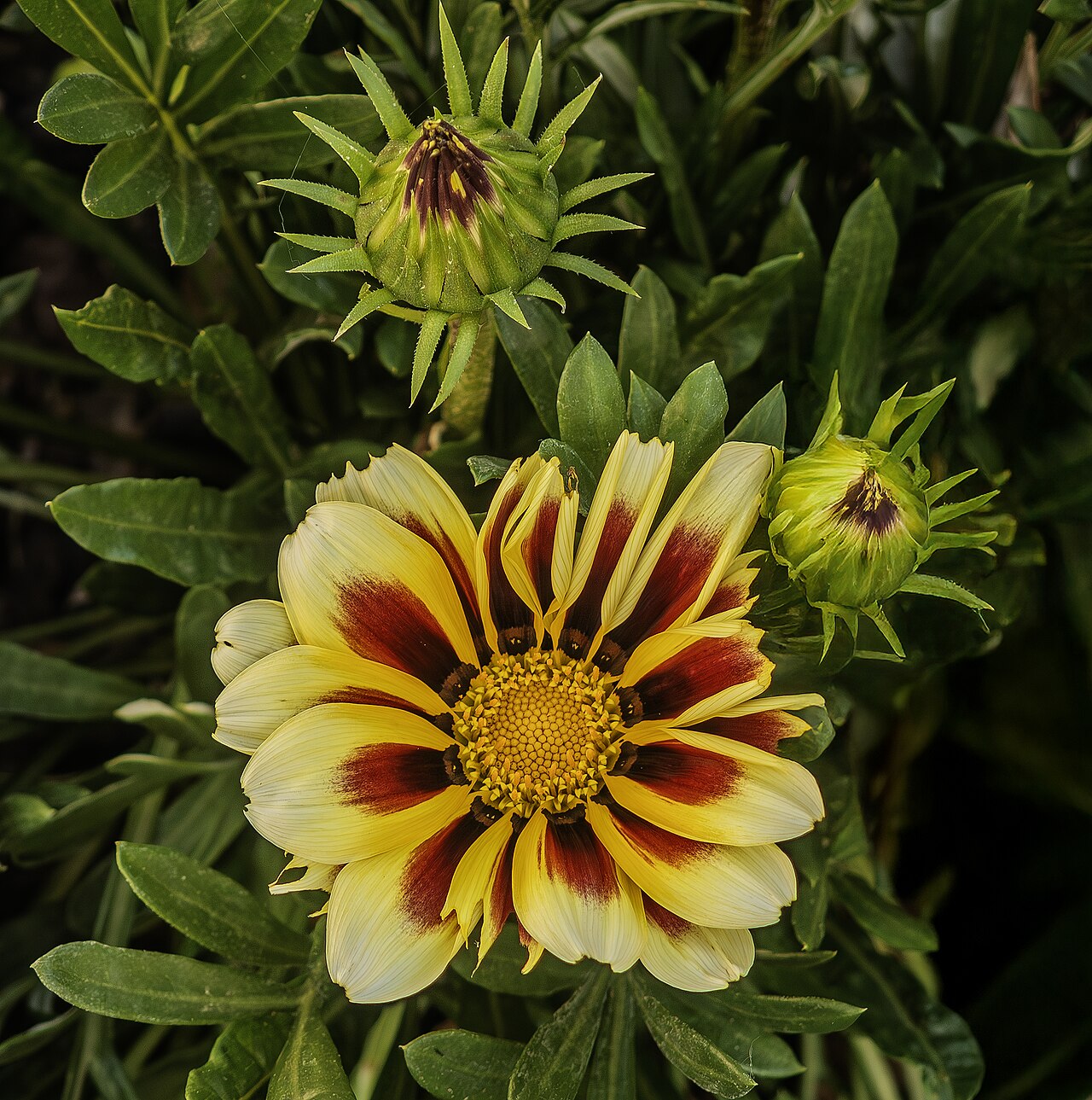
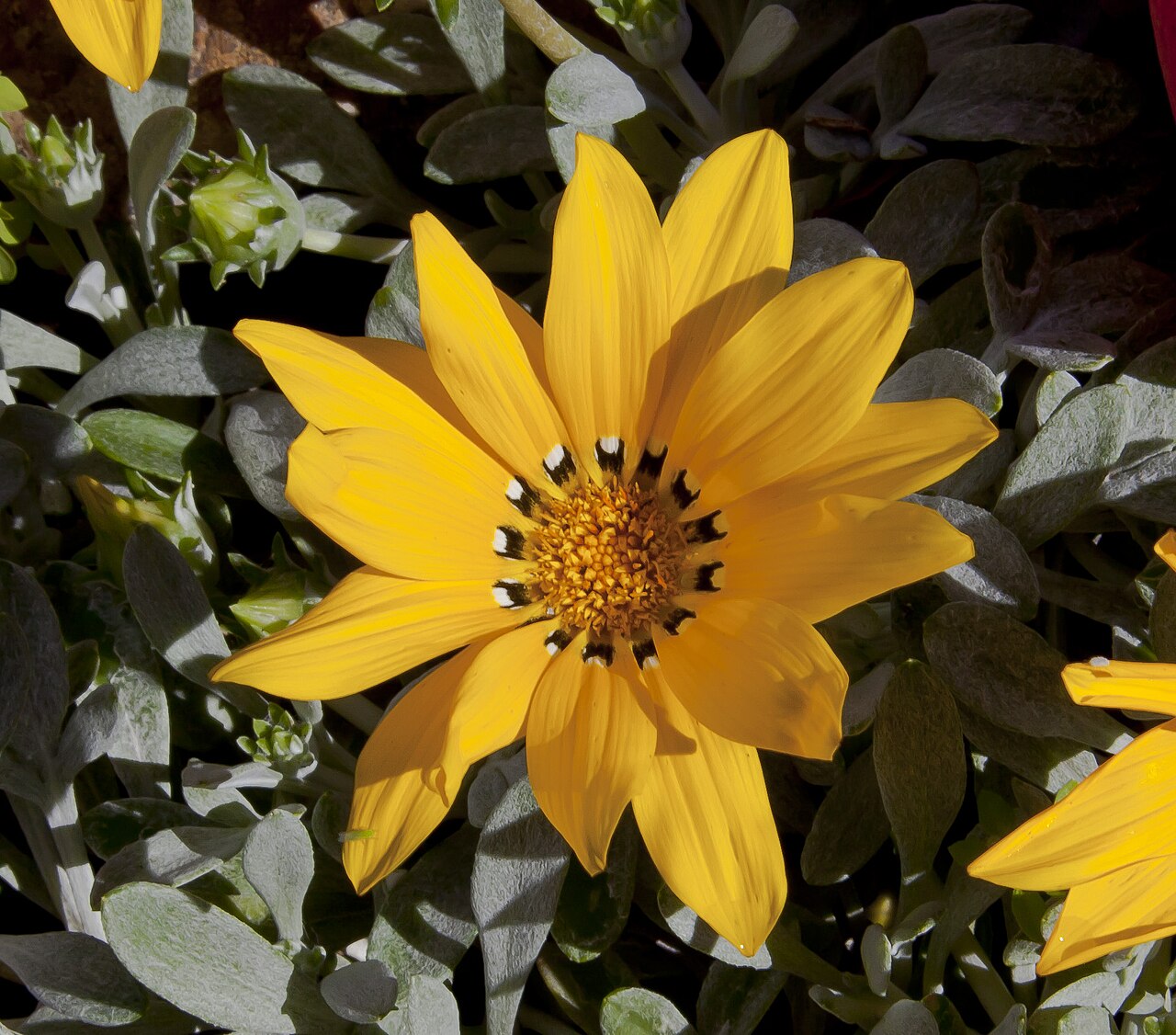
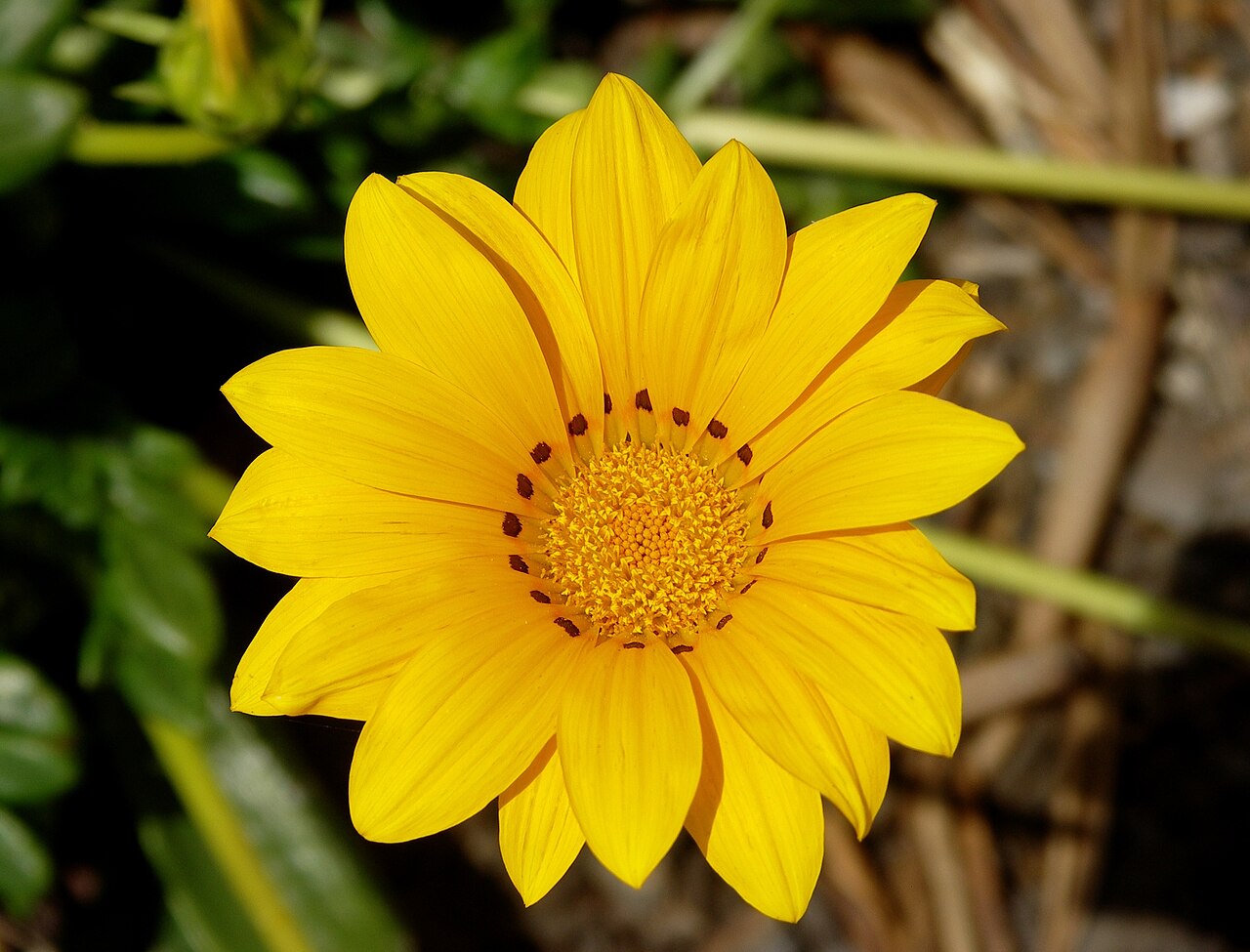
Gazania, or treasure flower, is a low, spreading annual, 6–12 inches tall, with daisy-like flowers in brilliant yellow, orange, red, pink, or striped combinations, each with a dark center — flowers that open wide in full sun and close at night and on cloudy days, which is not a flaw but the plant’s way of saying it only performs in sunshine. Plant after last frost in full sun and well-drained, even poor or sandy soil, spacing about 12 inches apart. Gazania is a superb groundcover, edging, and container plant for hot, dry, sunny spots, including coastal gardens, where it tolerates salt and poor soil. In zones 9–11 it is a short-lived perennial; elsewhere, grow it as an annual. Trailing types spread wider and suit hanging baskets.
Water & feeding
Water until established, then water sparingly; gazania is very drought-tolerant and rots in wet soil. Feed lightly if at all — lean soil suits it, and heavy fertilizer makes leafy growth with fewer flowers.
Common problems
- Flowers closing on cloudy days — normal; gazania is a sun-worshipper.
- Rot in wet soil — drainage is essential; plant high in heavy soil.
- Short life in wet climates — give sharp drainage and full sun.
- Few pests — generally trouble-free.
Notes
Deadhead spent flowers to keep plants blooming to frost. In zones 9–11, cut back in spring and plants often return; elsewhere, replant each spring. Gazania is a classic for hot, dry banks and seaside gardens where other annuals fry.
Browse all plant & pest guides
Saving seeds
Gazania seed has one great talent and one great flaw, and they are the same talent: it flies. Like a dandelion, each gazania seed carries a feathery tuft built for wind dispersal, which means the moment the seed head is ripe, a breeze can do your collecting for you and scatter your next generation across the bed, the lawn, and possibly the neighbor’s garden. So the first skill of gazania seed saving is not sowing or storing, it is catching the seed before it leaves. If you want seed, pick a few of your best, healthiest, undamaged flower heads and let them stay on the plant until the petals have fallen and the head has turned brown and dry. When the heads start to look fluffy and ready to burst, slip a small gauze bag or a paper bag over them while they are still attached, or check them daily — in Florida’s long, warm season heads ripen fast, and a head that was merely brown on Monday can be an empty parachute factory by Wednesday.
Snip the mature heads with shears and finish drying them indoors in an open paper bag for a week or two, shaking the bag occasionally so air reaches every head. Then break the heads open over a bowl and gather the fuzzy, cone-shaped seeds, picking out as much chaff as you reasonably can. Dry the seed completely before it goes anywhere near a closed container — this is the step Florida humidity punishes, since seed that looks dry but is not will mold in storage — and store it in a labeled paper envelope in a cool, dry place. Gazania seed is not a long-keeper: sources put its reliable life at roughly a year, so plan to sow the following spring rather than building a multi-year seed bank. Label it with variety and date.
Sow indoors six to eight weeks before the last frost, pressing the seed onto the surface of a well-drained seed mix and barely covering it, since gazania seed germinates best with light. Keep the tray warm and evenly moist — germination typically takes one to two weeks in warm conditions — and prick seedlings out once they have a few true leaves. Gazania seedlings grow a long taproot early, so deep pots or cells beat shallow trays that force the root to curl. Move them outside only after frost has passed, hardening them off for a few days first. Direct sowing works where the season is long and warm, scattering seed onto prepared soil and pressing it in, but indoor sowing gives you the head start that matters in shorter seasons.
Two honesty notes before you sow a packet of your own. First, most garden gazanias are hybrids, and hybrid seed does not retain the parent’s characteristics: your saved seed may give you flowers of a different color, size, or pattern than the plant you collected from, and that is normal genetics, not a failure on your part. If you want an exact copy of a favorite plant, propagate it vegetatively instead — divide an established clump in early spring, or take cuttings in late summer or early fall from plants that make suitable leafy stems. Second, self-seeding is a feature you manage, not a problem you solve once: in zones 9–11, where gazania can persist as a perennial, letting heads ripen means volunteers, so deadhead the flowers you do not want seeding and save seed only from the heads you bagged on purpose. Caught in time, dried properly, and sown the next spring, gazania seed is one of the easiest free plants in the garden — just remember that the wind is competing with you for every head.
Varieties
Every named variety of Gazania with its own growing guide:
- Big Kiss White Flame Gazania — The giant white flame: extra-large white daisies flamed in pink, 4 to 5 inches across, the gazania that stops traffic.
- Daybreak Red Stripe Gazania — The striped sunrise: deep yellow daisies striped in red, opening early and staying open on cloudy days, a Fleuroselect Gold Medal winner.