
🥔 Giant Prague Celeriac
What it looks like

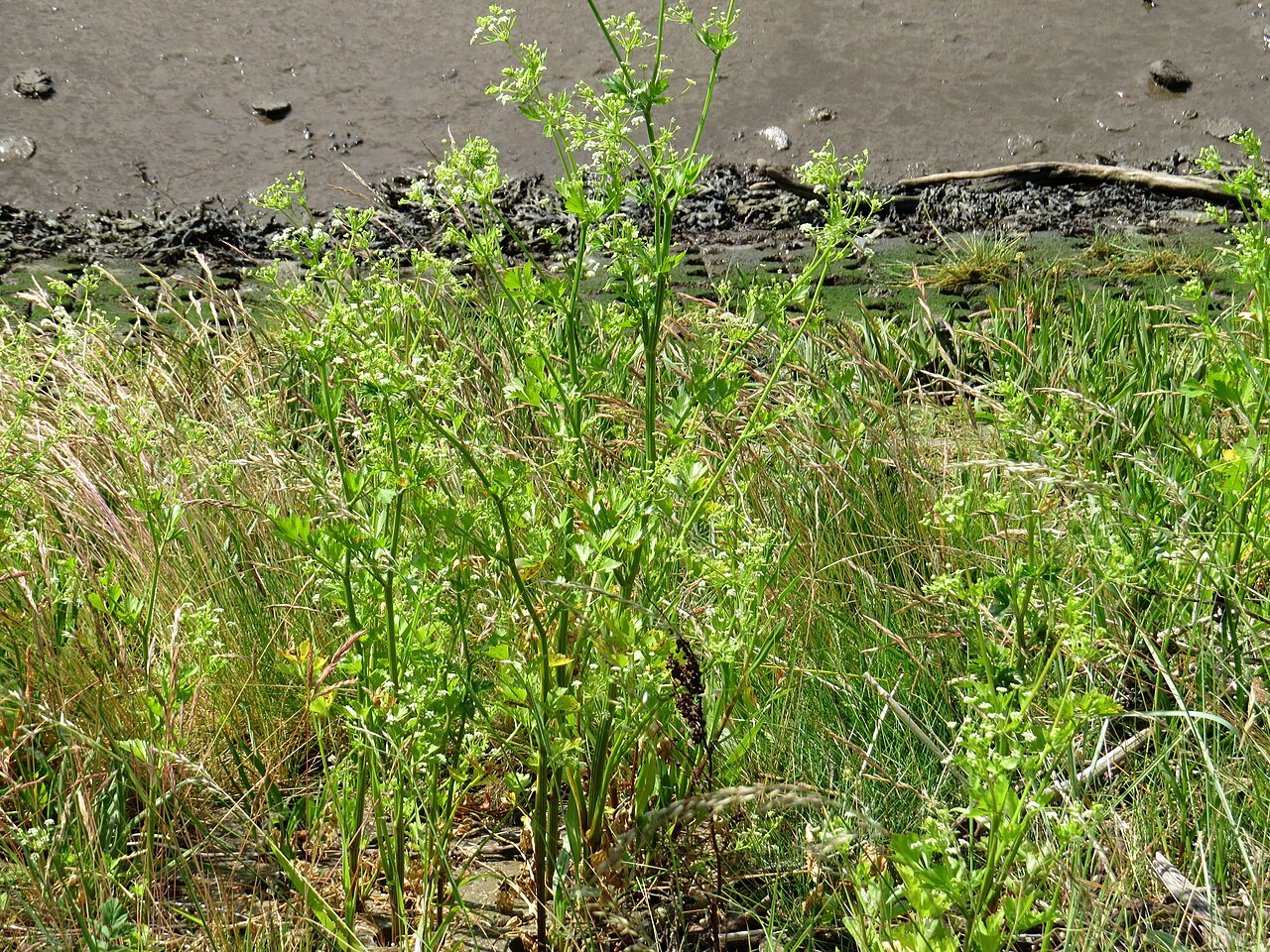
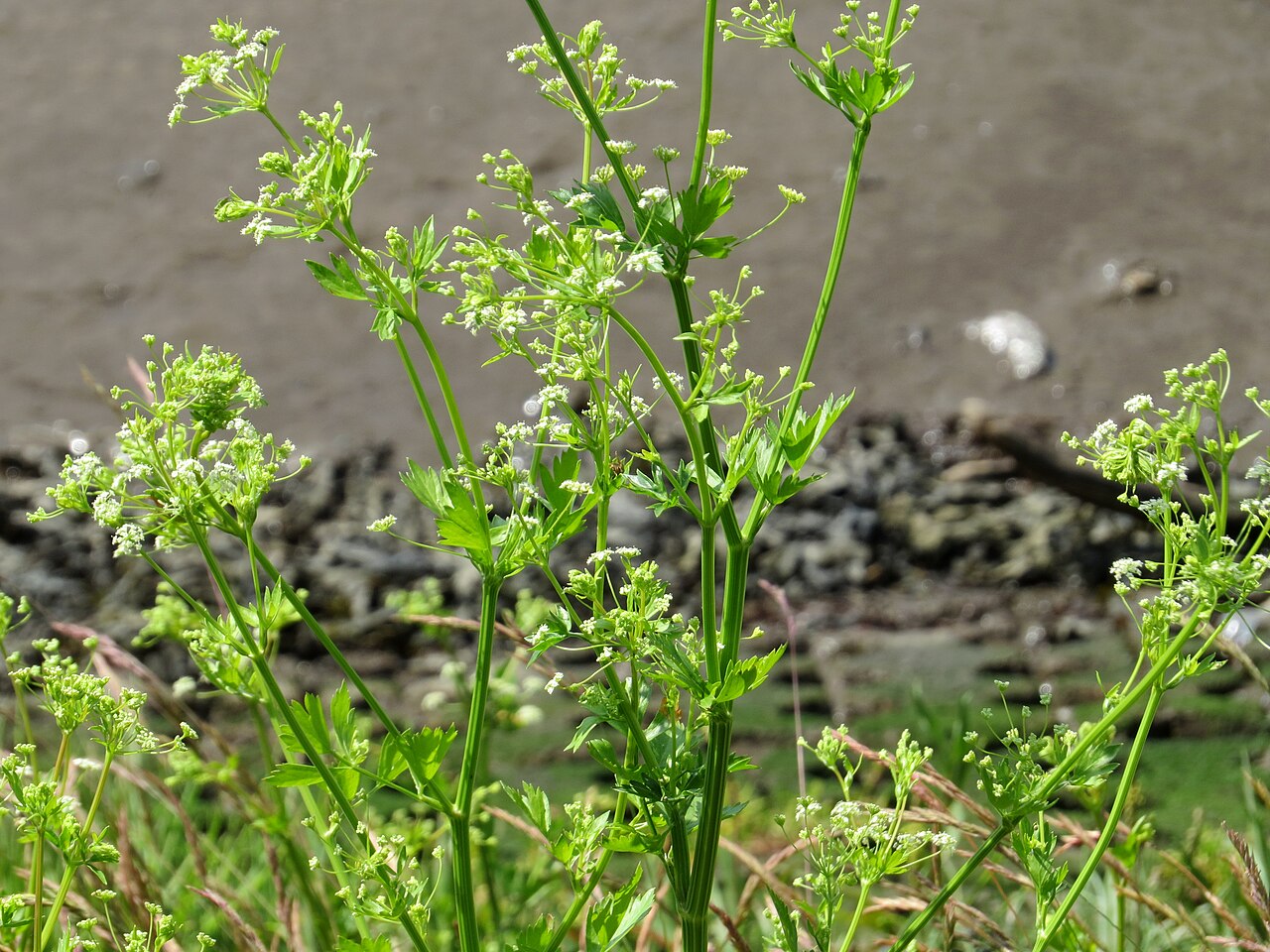
Why this variety
Giant Prague is the celeriac against which others are measured: an heirloom introduced in 1871, listed by seed houses at 110–120 days from transplant, producing large, round, knobbly roots with creamy ivory flesh and a mild, nutty celery flavor that deepens with cooking. The RHS notes its relatively smooth skin and good storage — this is the root that keeps.
It is also the hardier, less fussy cousin of stalk celery: no blanching, no stringy stalks, just a root that stores for months and turns into soup, mash, and rémoulade all winter. If celery has ever defeated you, Giant Prague is your revenge.
If you are new to choosing between cultivars, the Varieties Matter guide explains why the name after the plant matters as much as the plant itself. And if you want the whole clan at a glance, the broader Celeriac guide covers celeriac generally.
How to grow
In Florida, celeriac is a winter project: start seed indoors in late summer, transplant into the cooling fall, and harvest knobbly roots through winter. It needs a long, steady season, so do not rush it — the root swells late, and patience is the fertilizer here.
Start seed indoors 10–12 weeks before the last frost — celeriac seed is slow, taking 14–21 days to germinate — and transplant after frost danger into rich, moist soil. Space 8–12 inches apart, mulch, and keep the water steady all season; a checked plant makes a small, cracked root.
Water & feeding
Celeriac is a celery cousin and drinks like one: consistent moisture, no drying out, mulch to hold it. Feed with compost and a balanced fertilizer through the season, and trim the side roots late in the season to push energy into one smooth, round root.
Common problems
Leaf miners and celery fly can mark the foliage, and slugs like the damp crown. The real enemy is drought: a dry spell while the root is swelling gives you a woody, split root. Water before the soil dries, not after.
Harvest
Harvest when the roots are 3–4 inches across and the foliage begins to yellow, usually after a light frost — frost sweetens the root. Lift, trim the foliage and side roots, and store in a cool, humid place; Giant Prague keeps for months.
Nerdy fact: Celeriac’s knobbly ugliness is honest packaging: the bumps are where side roots attached, and trimming them off at harvest is what gives you the smooth, round root in the shop — your homegrown one will look wilder and taste better.
Saving seeds
Giant Prague is an heirloom celeriac introduced in 1871, so saved seed comes true — let a root bolt and set seed, and isolate it from other celeriac and celery, which cross readily. The full method is in the Saving seeds section of the Celeriac guide.