
🥕 Giant Russian Scorzonera
What it looks like
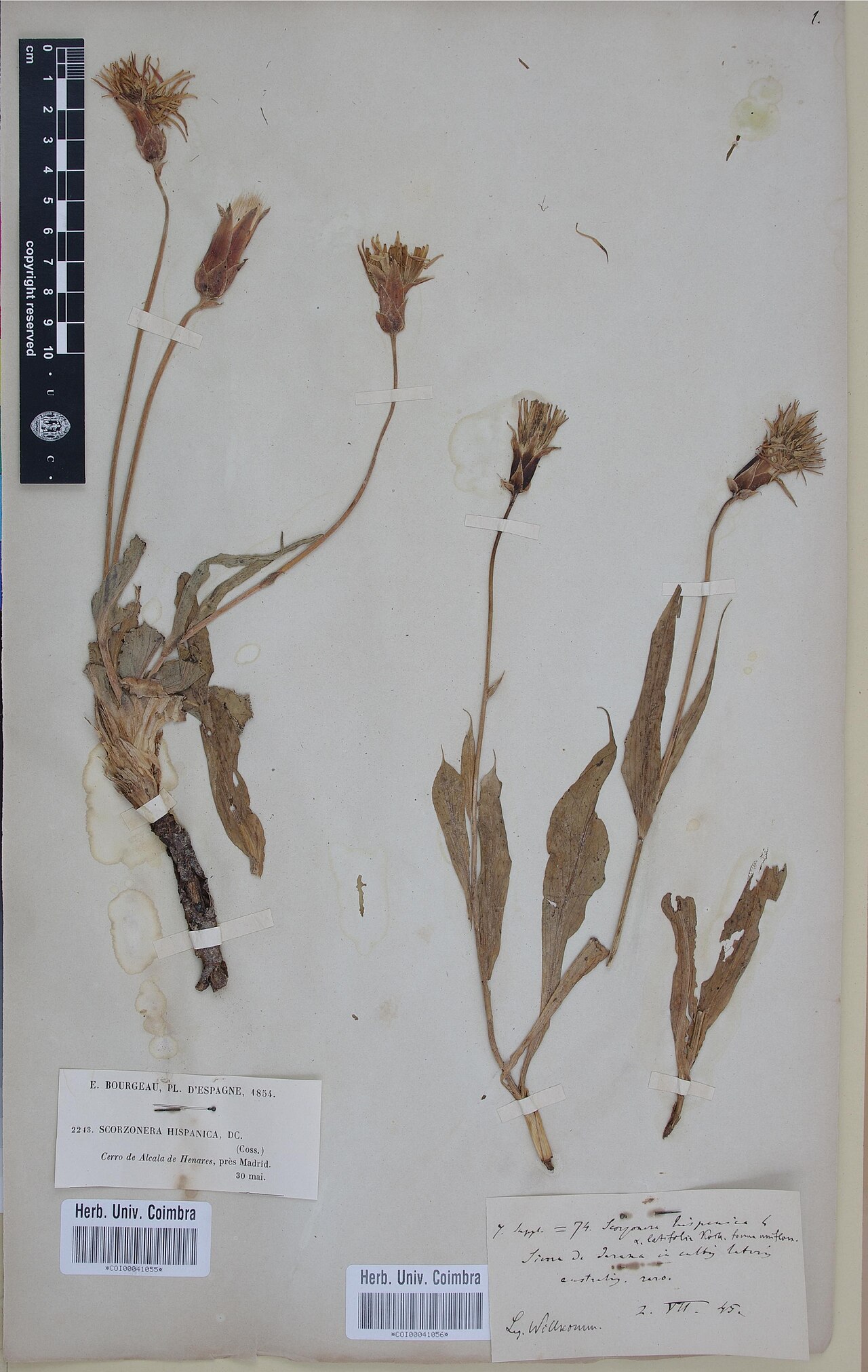
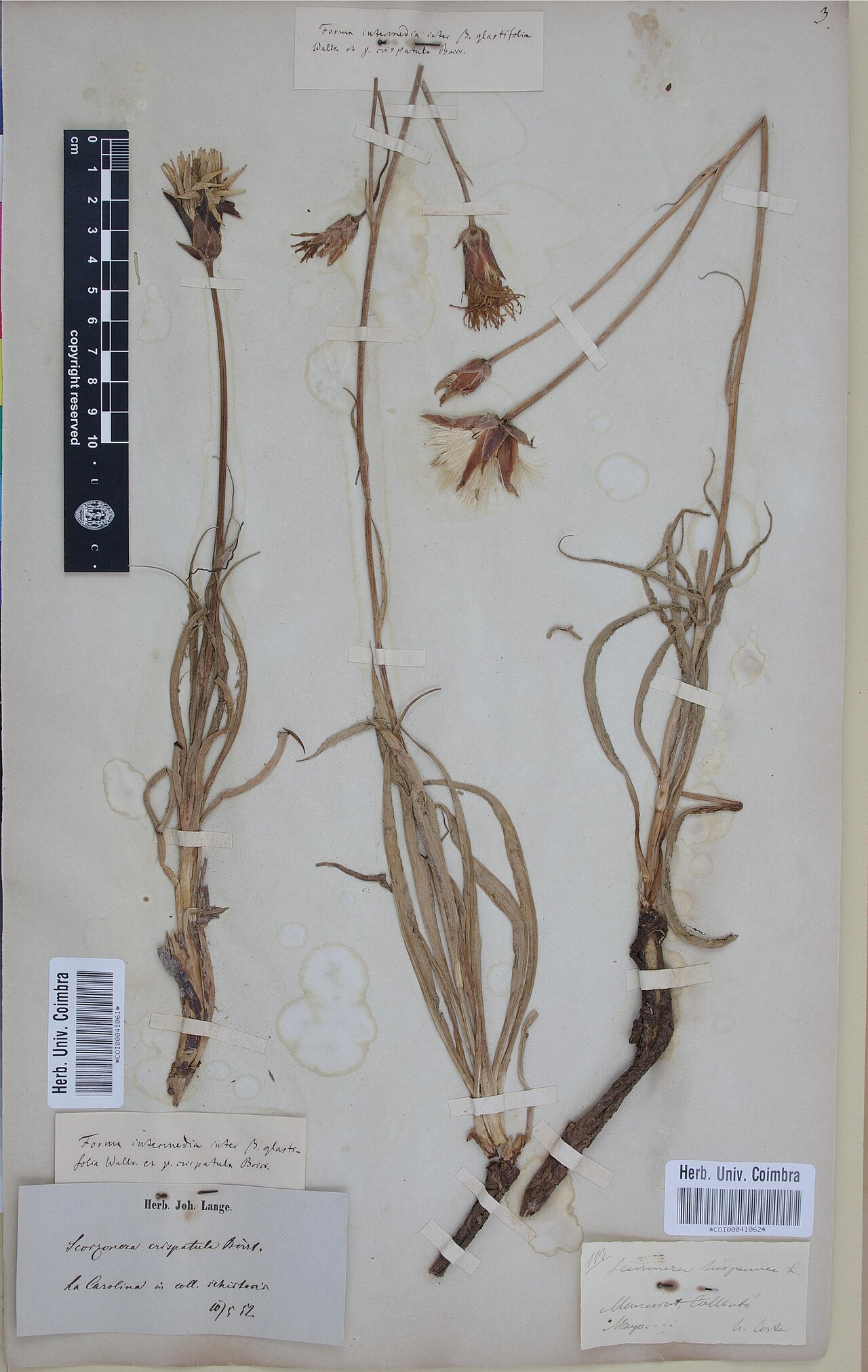
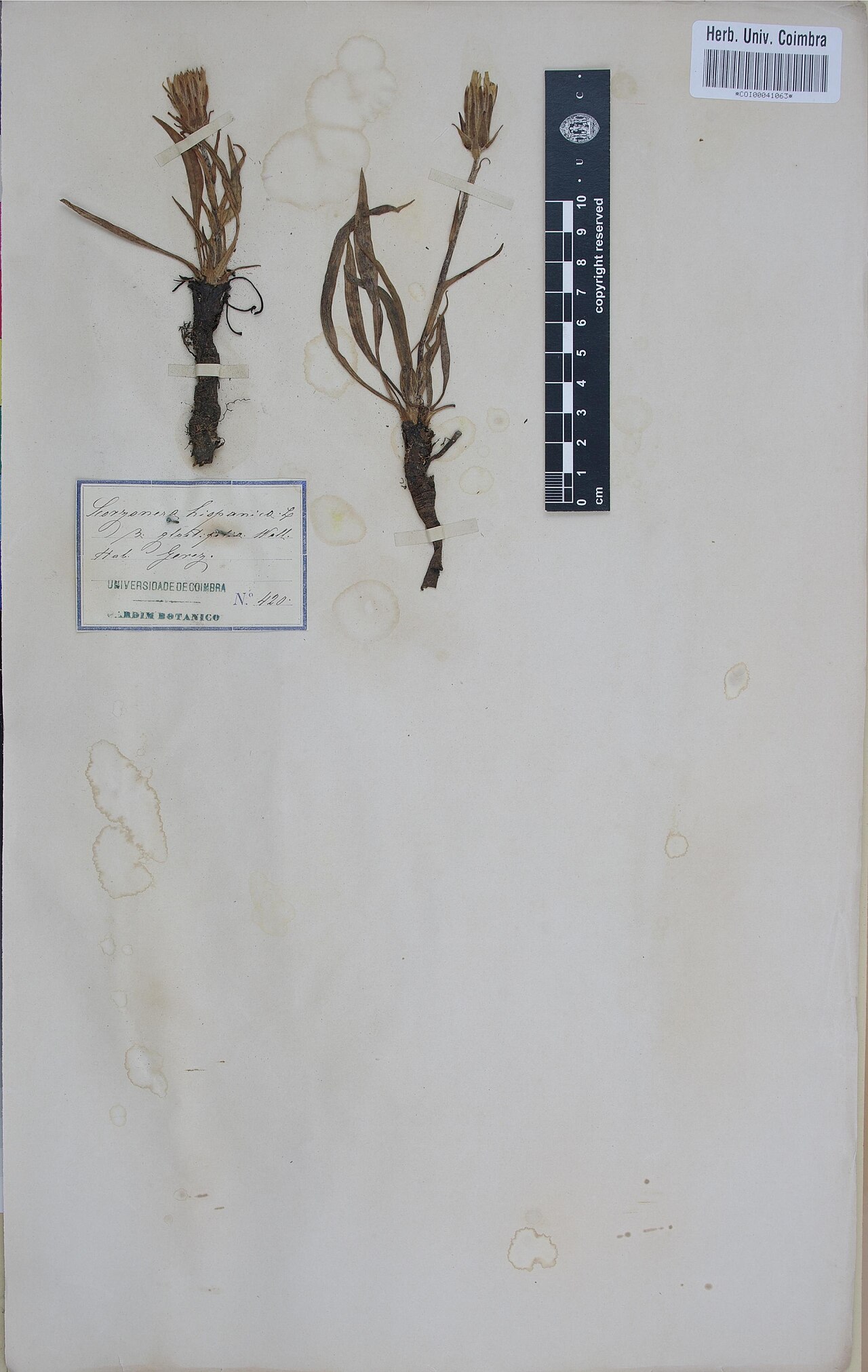
Why this variety
Giant Russian — also sold under its French name, Géant Noir de Russie — is the scorzonera for gardeners with deep soil and big ambitions: an old, large-rooted heritage type with extra-long, thick black roots, high yields, and the kind of root that makes a standard scorzonera look like a warm-up act. It has been grown for generations in European gardens precisely because it delivers size without giving up the mild, oyster-asparagus flavor that makes scorzonera worth the wait.
Size changes how you cook it: a Giant Russian root gives you long, even coins for sautéing, thick pieces for roasting, and enough root per plant that a small patch feeds a household through winter. It also changes how you dig it — a root this long needs a deep fork and a gentle hand, because a snapped root is a root that stores poorly, and a root this good deserves better than a snapped ending.
If you are new to choosing between cultivars, the Varieties Matter guide explains why the name after the plant matters as much as the plant itself. And if you want the whole clan at a glance, the broader Scorzonera guide covers scorzonera generally.
How to grow
In Florida, scorzonera — black salsify — is a north-of-the-state trial, and an honest one: it is a perennial root that wants deep, loose soil and a long, mild season, and it will test your patience in a state that likes to rush everything. Sow in fall, let the black-skinned roots grow through winter and spring, and dig them when they are thick — or leave the plant in place and harvest as a perennial, taking roots as needed while the crown regrows. In hotter, more humid ground, give it afternoon shade, deep mulch, and a raised bed, and count any thick, straight root as a victory worth bragging about.
Sow in fall in the deepest, loosest soil you have — a raised bed worked a foot or more deep is ideal — spacing 4–6 inches apart, and keep the soil moist and stone-free for the full 130 days. Giant Russian needs room to be giant: crowded or shallow soil gives you ordinary roots with an extraordinary name, which is a disappointment nobody needs. Mulch heavily, feed with compost, and let it grow long.
Water & feeding
Scorzonera roots go deep, so the soil must stay moist deep down, not just damp on top. Water thoroughly in dry spells, mulch heavily, and feed with compost; a drought-checked root turns thin and woody, and the whole point of scorzonera is a thick, tender root.
Common problems
The troubles are the scorzonera standards, amplified by size: stones fork long roots more dramatically, drought checks growth more visibly, and a shallow bed simply cannot hold this variety’s ambitions. Work the soil deep before sowing, keep it moist, and do not transplant — the taproot of a giant type resents disturbance even more than a standard type’s does.
Harvest
Dig from late fall into spring, using a fork and working well away from the crown so you do not snap the long roots. Harvest as needed, or lift the whole plant and store roots cool and humid; peel into acidulated water, and cook the thick roots a little longer than standard scorzonera — they reward patience with a tender, sweet interior that smaller roots cannot match.
Nerdy fact: Giant Russian’s French name, Géant Noir de Russie, translates to giant black of Russia, and the variety has traveled under that name through European seed houses for well over a century. A root with a passport and a century of references is a root that has earned its keep — and a root that, in deep soil, still outperforms most of its modern competition.
Saving seeds
Giant Russian is an old heritage scorzonera grown for generations in European gardens, so saved seed comes true — let a plant flower and set seed in its second year, and isolate it from other scorzonera, which cross readily. The full method is in the Saving seeds section of the Scorzonera guide.