
🌲 Glauca Pendula Cedar
What it looks like
Why this variety
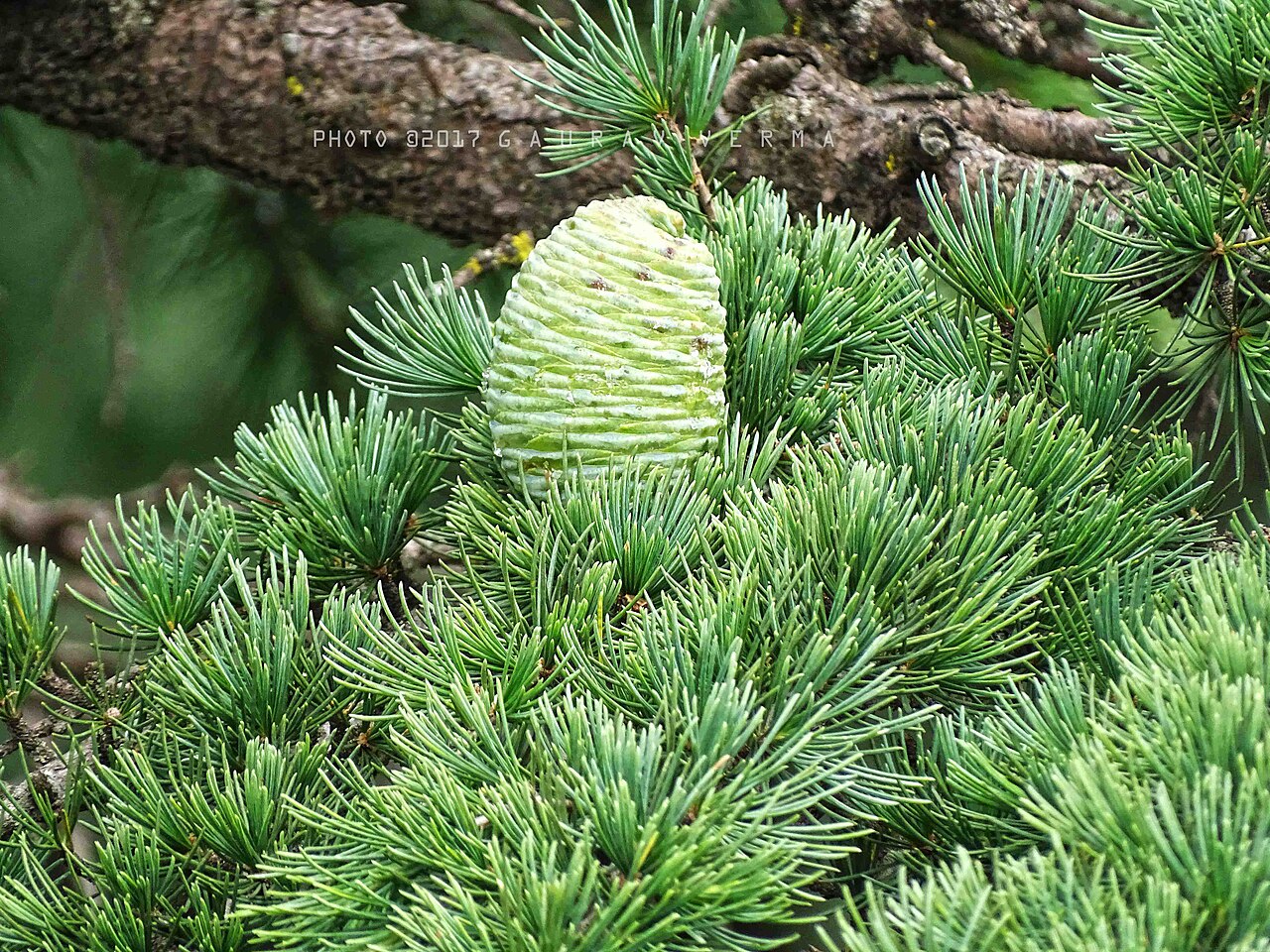
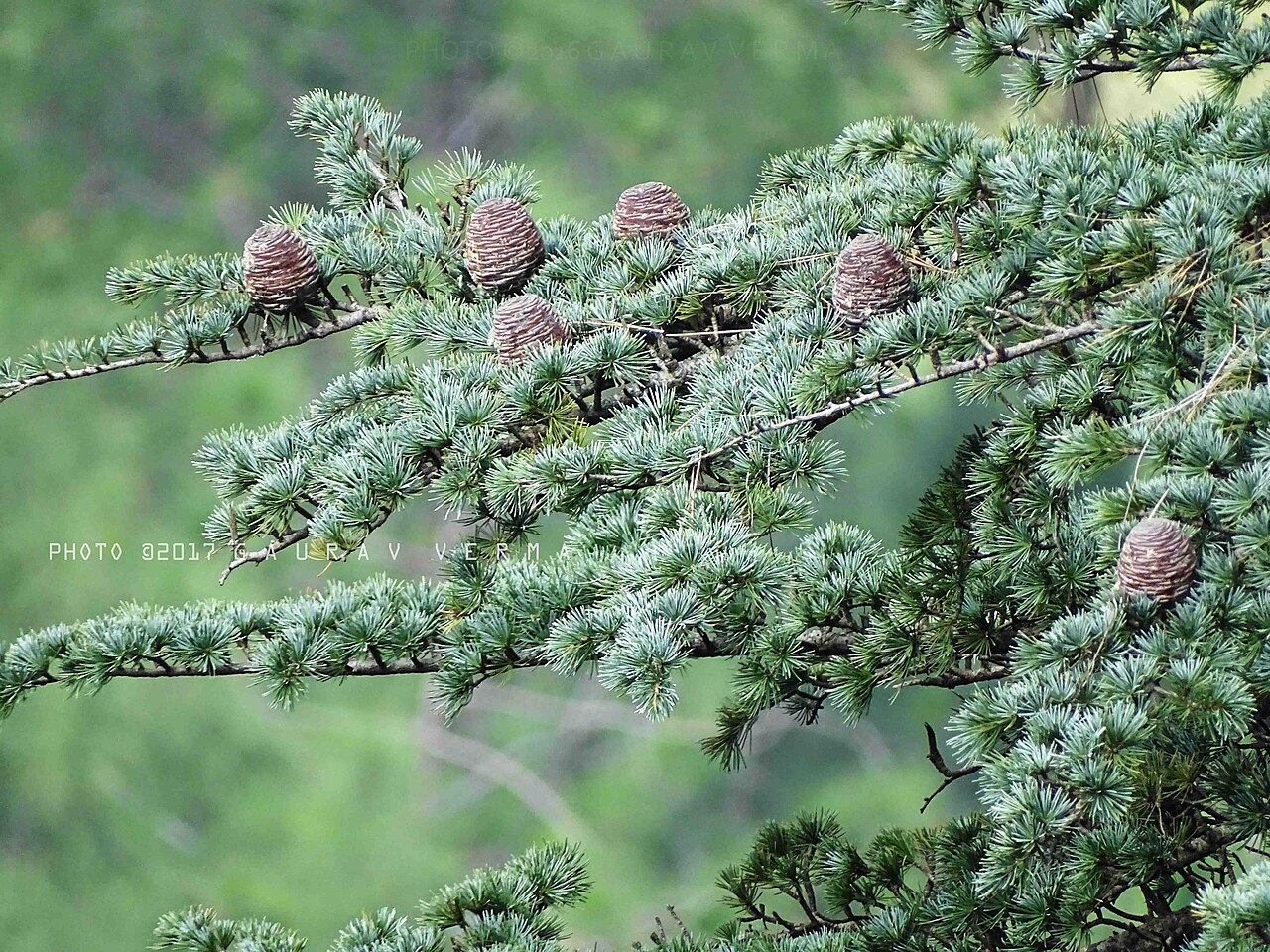
Glauca Pendula is the true cedar most gardeners actually picture when they say ‘weeping evergreen’: powder-blue needles on cascading branches, trained up a stake to whatever height you choose and then allowed to weep down, so every tree is a little different and every tree is a specimen. It is a cultivar of Atlas cedar, the most heat-tolerant true cedar, which is what gives it a Florida story at all — the other true cedars are colder-climate trees, and this one at least has a warm edge.
In Florida, Glauca Pendula is a north- and central-Florida trial, in full sun and deep, well-drained soil, with room for its cascading skirt. Stake and train the leader while young to set the height — unstaked, it weeps onto the ground and becomes a groundcover with ambitions — and water deeply through establishment. A plant that browns in a hot, wet summer is a site verdict, not a care failure.
How to grow
True cedars are the genus Cedrus, and they are not the trees most Americans call cedar — eastern redcedar is a juniper, western redcedar is a Thuja. Atlas cedar is the heat-tolerant member of the family and the only true cedar with a plausible Florida story, and even that story is a north- and central-Florida one, in full sun and deep, well-drained soil, with room for a grand, flat-topped tree. Plant in fall or spring, water deeply for the first two to three years, and do not crowd it: a cedar planted for its silhouette needs its silhouette’s worth of sky.
Water & feeding
Water deeply through establishment, then in dry spells; true cedars dislike soggy ground and need drainage more than they need feeding. Mulch widely and feed lightly in spring if growth is weak. Once established, Atlas cedar is notably drought-tolerant for a conifer.
Common problems
Root rot in wet soil is the main threat, followed by tip blight in humid, crowded conditions — air circulation and drainage are the prevention. Few insect problems of consequence. A cedar that browns in a hot, wet Florida summer is usually telling you the site was wrong, not that you missed a spray.
Harvest
The harvest is the silhouette: blue, weeping, year-round. The gardener’s job is training — stake the leader, tie it as it grows, and prune only to maintain the cascade and remove dead wood. Never shear it; a sheared weeping cedar loses the fluid habit that justifies it.
Nerdy fact: Atlas cedar comes from the Atlas Mountains of North Africa, where it grows at altitude in a climate with hot, dry summers and cold winters — which is why it tolerates heat better than its cousins, and why Florida’s humid heat is still a different test from the dry heat it evolved in.
Saving seeds
Glauca Pendula is a cultivar of Atlas cedar with powder-blue needles on cascading branches, and seedlings won’t hold the color or the weeping habit — plant a nursery-grown tree and stake and train the leader while young. The Saving seeds section of the Cedar guide covers seed for the species generally.