
🌲 Glaucum Giant Sequoia
What it looks like
Why this variety
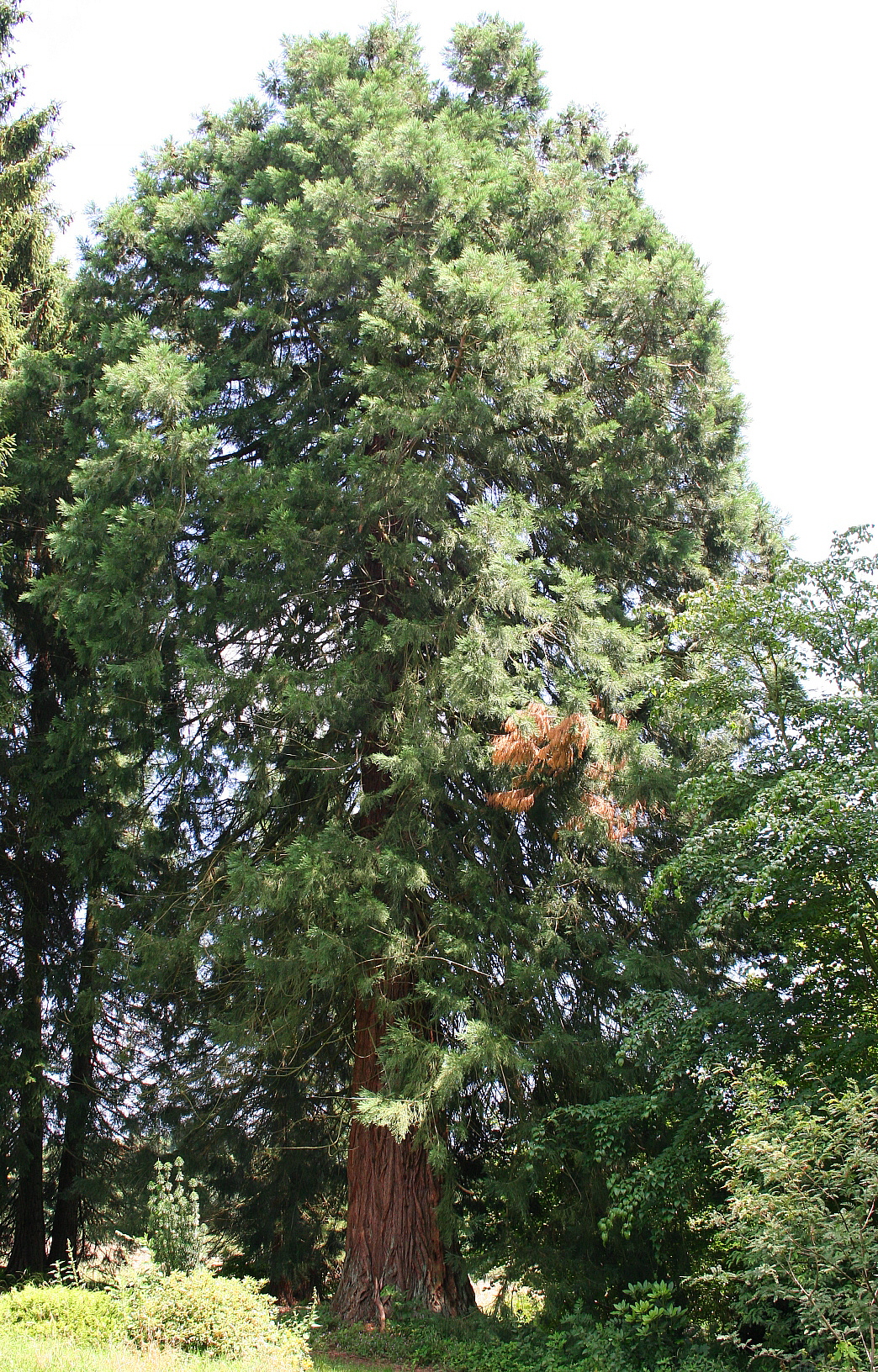
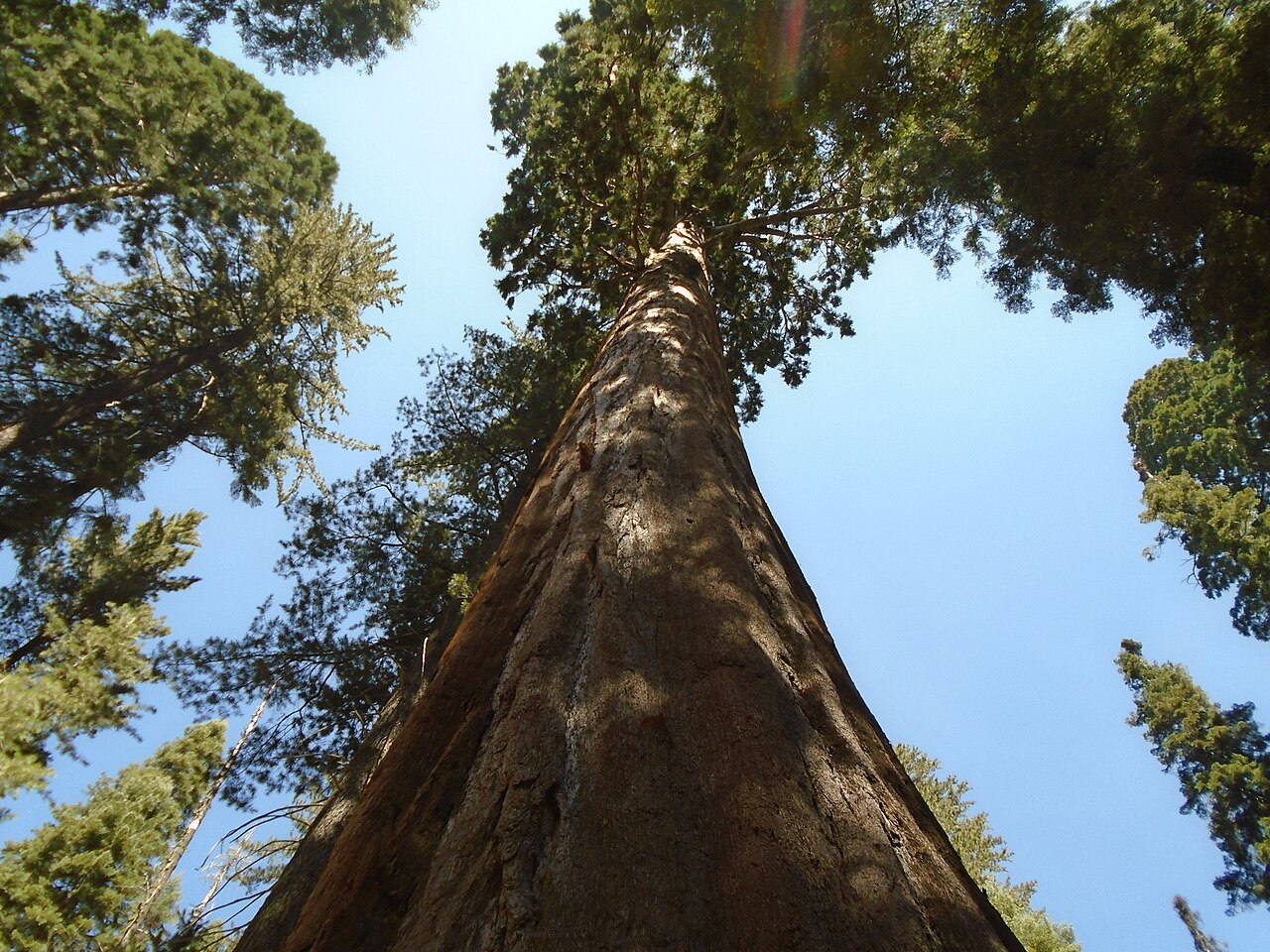
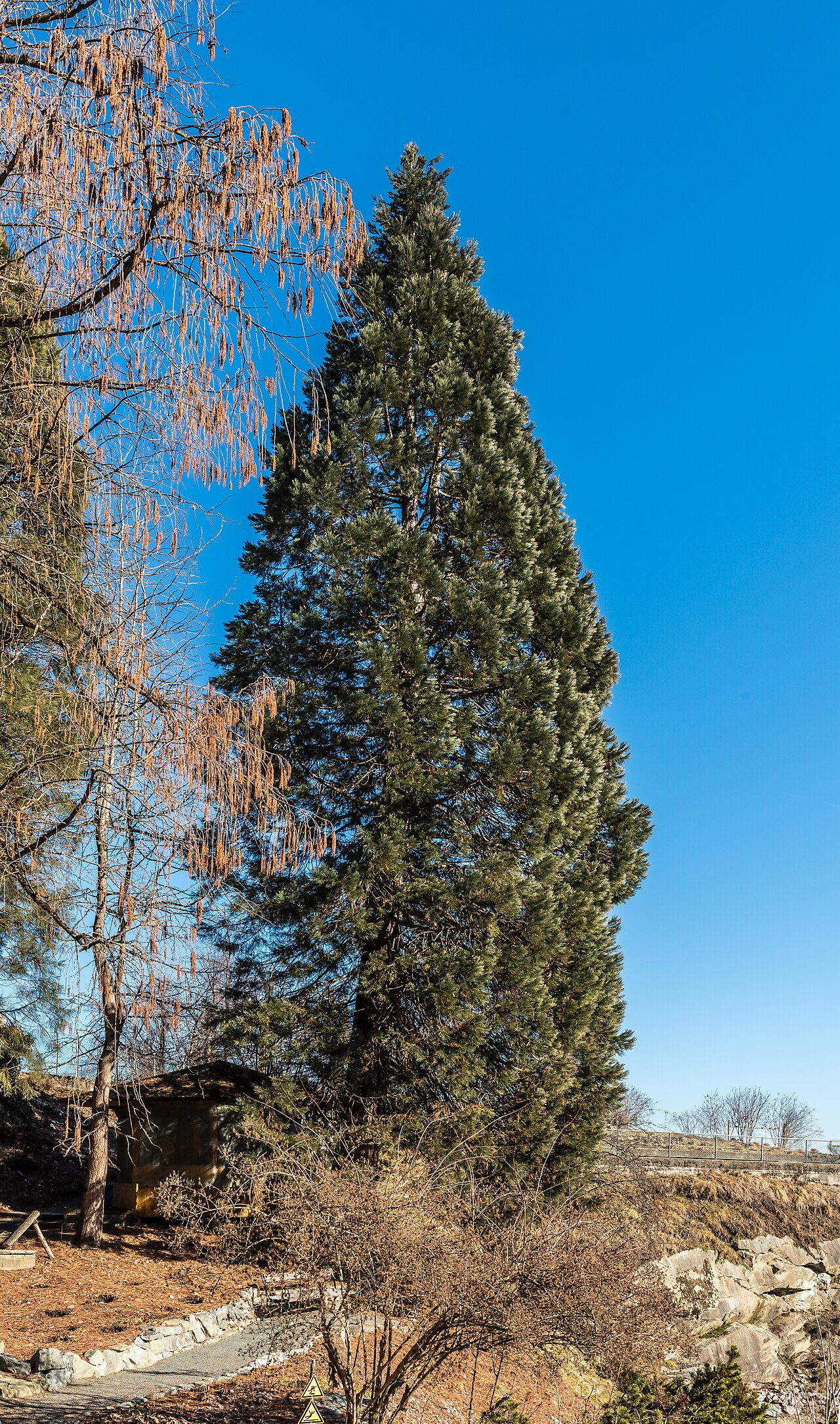
Glaucum is giant sequoia dressed in blue: the same massive, pyramidal evergreen as the species — thick, fibrous, reddish bark, dense scale-like foliage, a trunk that thickens with almost geological patience — but with foliage in a distinctly blue-green shade that makes the tree read as cool and misty even on a hot day. In cultivation in the eastern United States, giant sequoias usually stay under sixty to one hundred feet rather than the two-hundred-fifty-plus feet of their Sierra Nevada groves, which is still an enormous tree by any garden standard. Glaucum is the form for gardeners who want a sequoia and want it to look different from every green conifer on the street.
The trade-off is scale and climate, both stated bluntly. A giant sequoia is not a tree for a small yard, a foundation planting, or anyone who will move in ten years — it needs thirty to fifty feet of room, deep, well-drained, moist soil, and decades to become itself. And it wants zones 6 to 8 with cool air and real winters; Florida heat and humidity are a genuine challenge, and even in North Florida a sequoia is a trial, not a promise. Plant it only where it has room, water, and the coolest microclimate you can offer, and understand that you are planting for the next century, not the next season.
If you are new to choosing between cultivars, the Varieties Matter guide explains why the name after the plant matters as much as the plant itself. Glaucum is a perfect example: it is not just a giant sequoia in the abstract, it is a giant sequoia with a specific job, a specific history, and specific strengths.
Florida honesty: giant sequoia is a North Florida trial only, and a difficult one — the species guide lists zones 6 to 8, and most of Florida is warmer and more humid than sequoias prefer. A North Florida gardener with a large, moist, partly shaded site and a taste for long odds can try Glaucum as a legacy planting, but this guide does not promise success, and Central and South Florida gardeners should admire sequoias in national parks, not in their yards. If you plant one, plant it for your grandchildren, and plant it where it will never need to be moved.
How to grow
Plant in fall or spring in full sun and deep, well-drained, moist soil, with thirty to fifty feet of room in every direction — giant sequoia is a legacy tree, not a landscape filler. Work worm castings and compost into the planting hole, water deeply through establishment, and mulch widely to hold moisture. Stake a weeping form’s leader upward while young so it gains height, and do not plant a sequoia where it will ever need to be moved, pruned for size, or apologized for, because a sequoia outgrows apologies within a few decades.
Set plants 30-50 feet apart in soil with a pH around 5.5-7.5. Work worm castings into the bed at planting and mulch to hold moisture. A well-fed giant sequoia plant rewards that care directly: steadier growth, better bloom, and a show that actually shows up.
Water & feeding
Keep soil deep and moist but well-drained — giant sequoia wants consistent moisture through its root zone, which is deep, and it sulks in both drought and standing water. Water deeply and infrequently to encourage deep roots, mulch widely to hold moisture, and feed lightly: castings and compost at planting plus a spring top-dress. A young sequoia that dries out stalls for a season, and a sequoia in a drought-prone, shallow-soil site will never become the tree it could be, so site selection is the watering program.
Common problems
- Outgrowing its site — a sequoia needs thirty to fifty feet of room; planting one in a small yard is a future removal, not a landscape plan.
- Heat and humidity stress in Florida — sequoias want cool air and zones 6 to 8; Florida heat is a genuine challenge, and North Florida is a trial at best.
- Drought stalling — a young sequoia that dries out stalls for a season; water deeply and mulch widely through establishment.
- Wind damage to weeping forms — Pendulum’s drooping branches catch wind; site it sheltered and stake the leader while young.
- Slow growth discouraging gardeners — sequoias grow moderately, not instantly; judge them in decades, not seasons, and plant for the next century.
Harvest
There is no harvest in any ordinary sense — a giant sequoia is not a plant you pick from, and its small, egg-shaped cones are not food or decoration worth collecting. The seasonal work is minimal: water deeply through establishment, mulch widely, and stake a weeping form’s leader while young. The harvest, if the word applies, is the tree itself: shade, presence, and a living monument that outlives its planter by centuries. A sequoia’s payoff is measured in generations, not seasons, and that is the point of planting one.
Browse all plant & pest guides
Saving seeds
Glaucum is giant sequoia dressed in blue, and seedlings won’t hold the distinctly blue-green foliage — plant a nursery-grown tree and give it thirty to fifty feet of room in every direction. The Saving seeds section of the Giant Sequoia guide covers seed for the species generally.