
🌲 Gold Rush Dawn Redwood
What it looks like
Why this variety
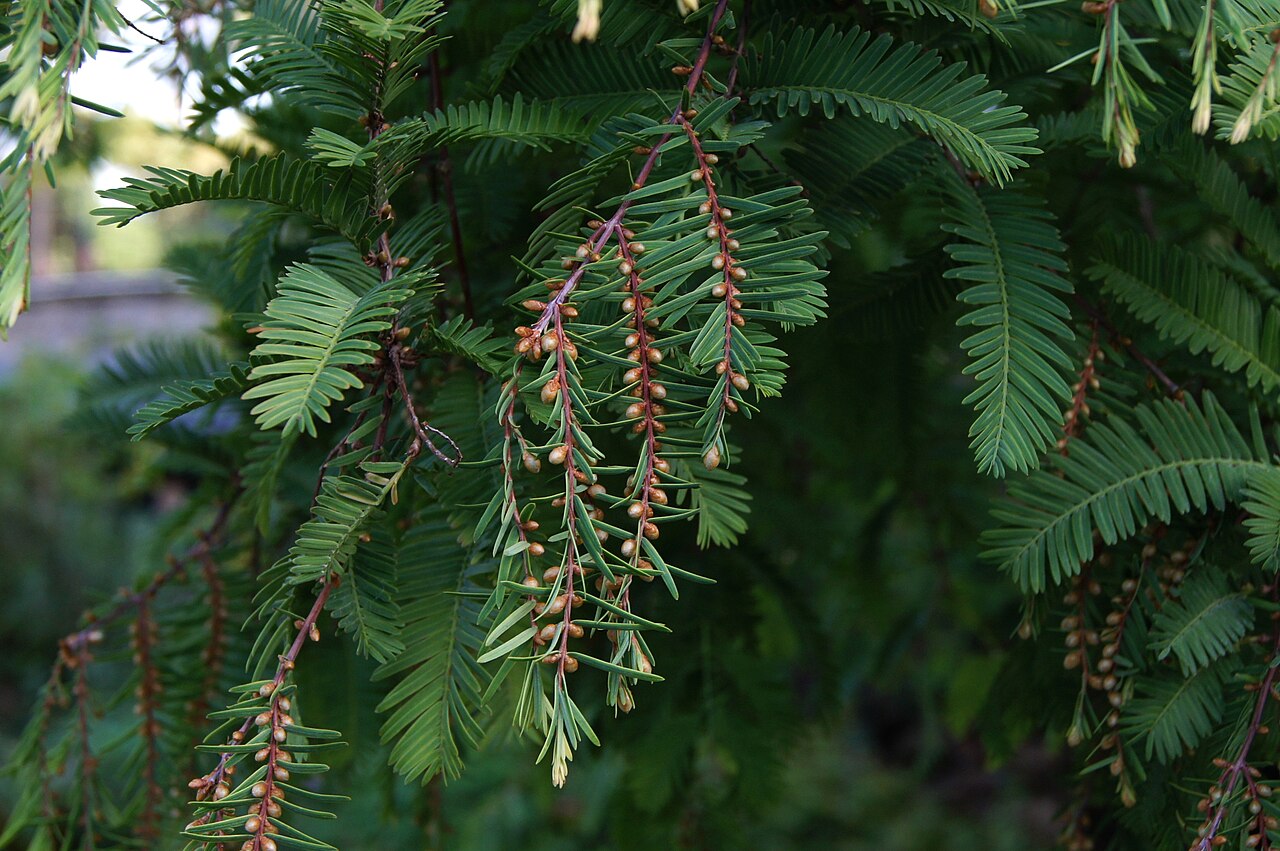
Gold Rush is dawn redwood with the foliage turned to gold: soft, feathery needles in bright yellow-green through summer, turning coppery-bronze in autumn before they fall — and yes, this is a conifer that drops its needles every year, which surprises everyone the first time. It grows fast when young, 2–4 feet a year, and it carries the dawn redwood story with it: a tree known only from fossils until living trees were found in China in the 1940s, now planted in gardens worldwide.
In Florida, Gold Rush is a north-Florida trial only: full sun, deep, moist soil, afternoon shade if the site is brutal, and faithful watering. Gold foliage scorches faster than green in a hot, dry summer, so the trial framing is doubly honest here — a scorched Gold Rush in August is a climate and siting verdict, not a mystery.
How to grow
Florida honesty first: dawn redwood is a zone 5–8 tree, a deciduous conifer that grows 2–4 feet a year when young, turns coppery-bronze in autumn and drops its needles — and it was known only from fossils until living trees were found in the 1940s. In Florida, plant it only in the north, in full sun and deep, moist, well-drained soil, with afternoon shade if the site is brutal, and give it 25–30 feet of room: this is a 70–100 foot tree in its prime. Water deeply and consistently; dawn redwood forgives wet ground far better than dry ground, and a dry Florida summer is its real enemy.
Water & feeding
Water deeply through establishment and in every dry spell — this tree drinks. Mulch widely to hold moisture and keep roots cool. Feed lightly in spring if growth is pale; moisture matters more than fertiliser here.
Common problems
Few pests, but heat and drought stress show fast as scorched leaf edges and early needle drop. Do not plant it in shallow, dry or alkaline ground and expect it to cope. A dawn redwood that sulks in central or south Florida is a climate verdict, not a care failure — the trial framing is the honest one.
Harvest
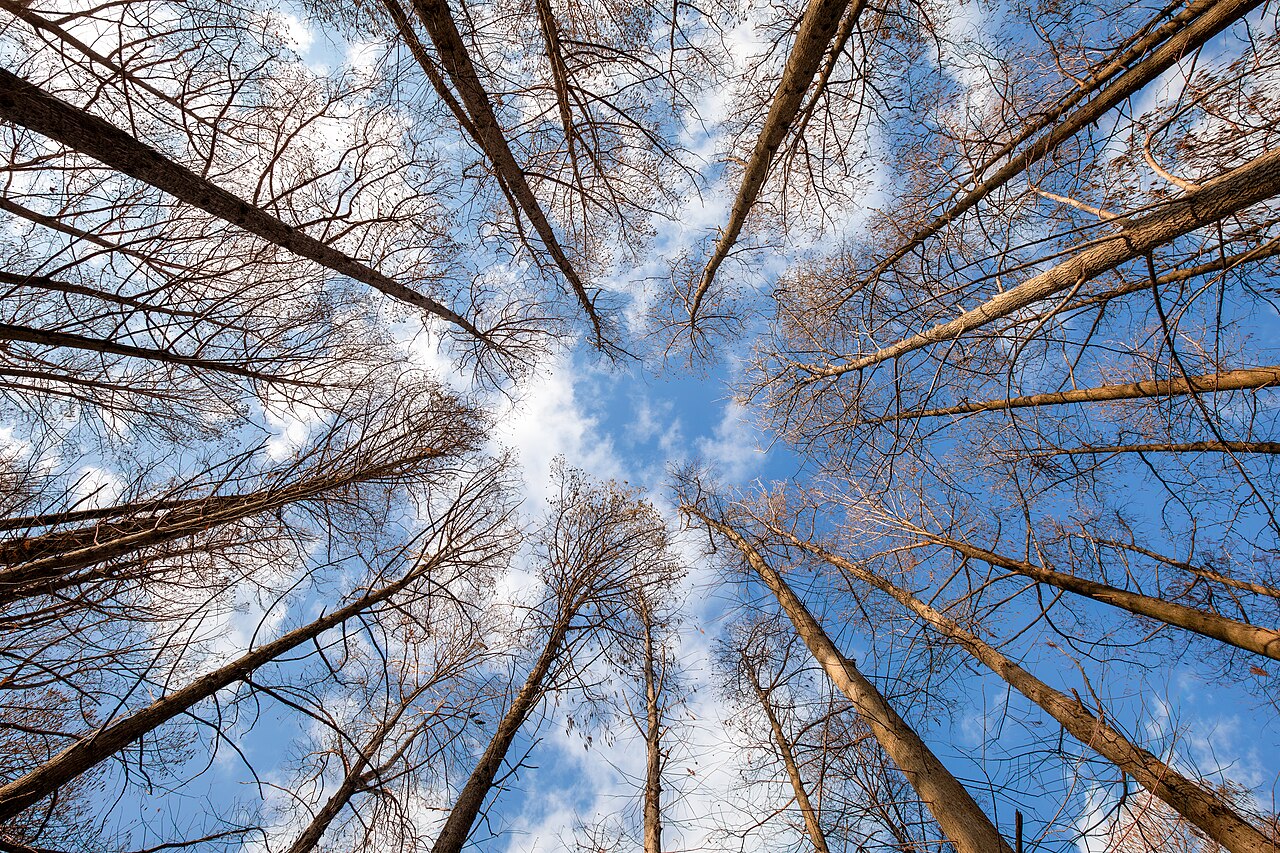
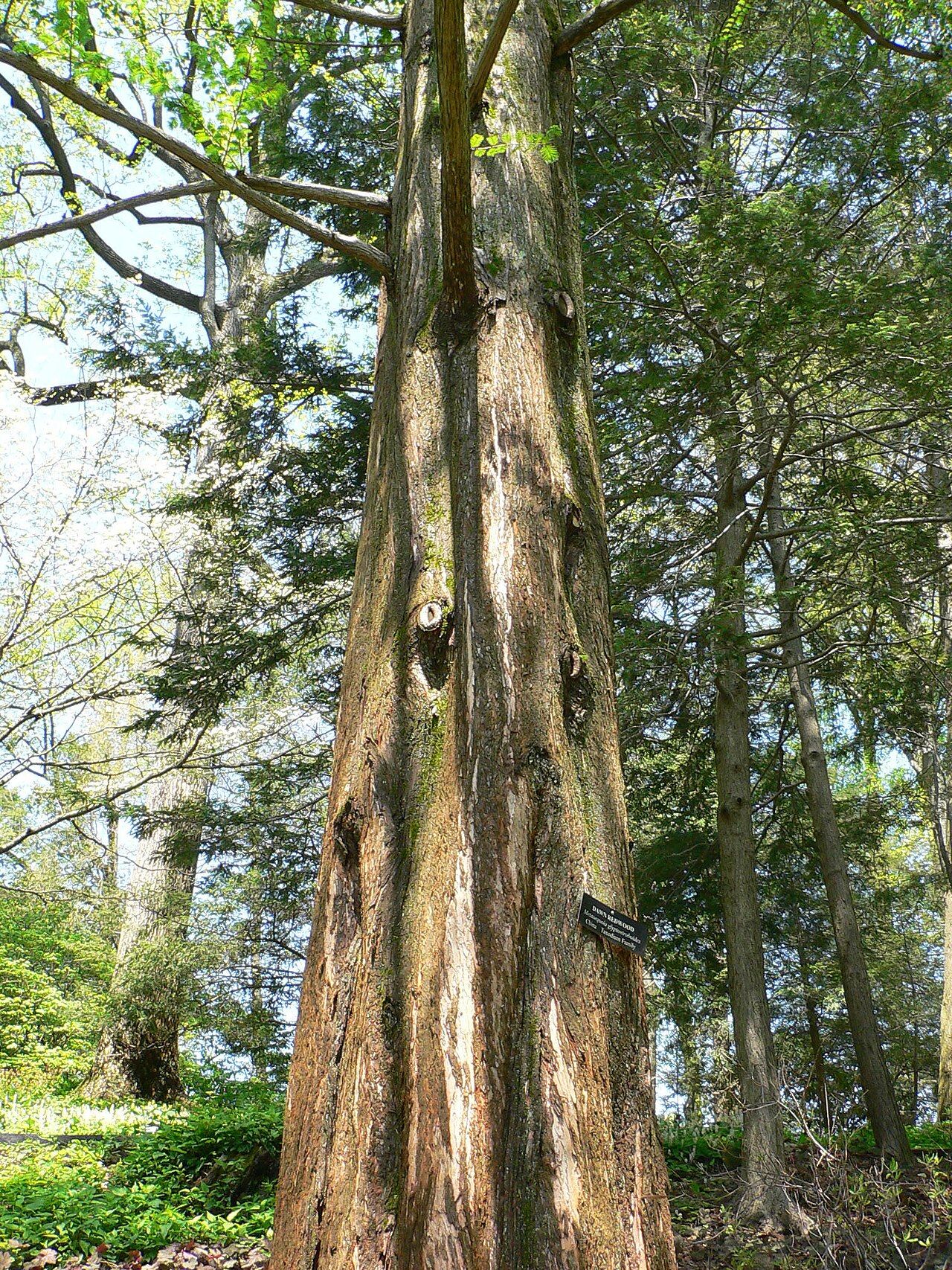
The harvest is the autumn show and the winter silhouette: coppery foliage, then a handsome bare tree with a fluted, buttressed trunk. No pruning beyond shaping while young and removing dead wood; the fast, straight growth is the tree’s own doing, and the gardener’s job is mostly to water it and get out of the way.
Nerdy fact: Dawn redwood’s genus, Metasequoia, means ‘like a sequoia’ — and it was described from fossils in 1941, three years before a living tree was found in a remote Chinese valley, making it one of the great ‘living fossil’ discoveries of the twentieth century.
Saving seeds
Gold Rush is dawn redwood with the foliage turned to gold, and seedlings won’t hold the bright yellow-green needles — plant a nursery-grown tree in the north, in full sun and deep, moist soil. The Saving seeds section of the Dawn Redwood guide covers seed for the species generally.