
💨 Golden Spirit Smoke Bush
What it looks like
Why this variety
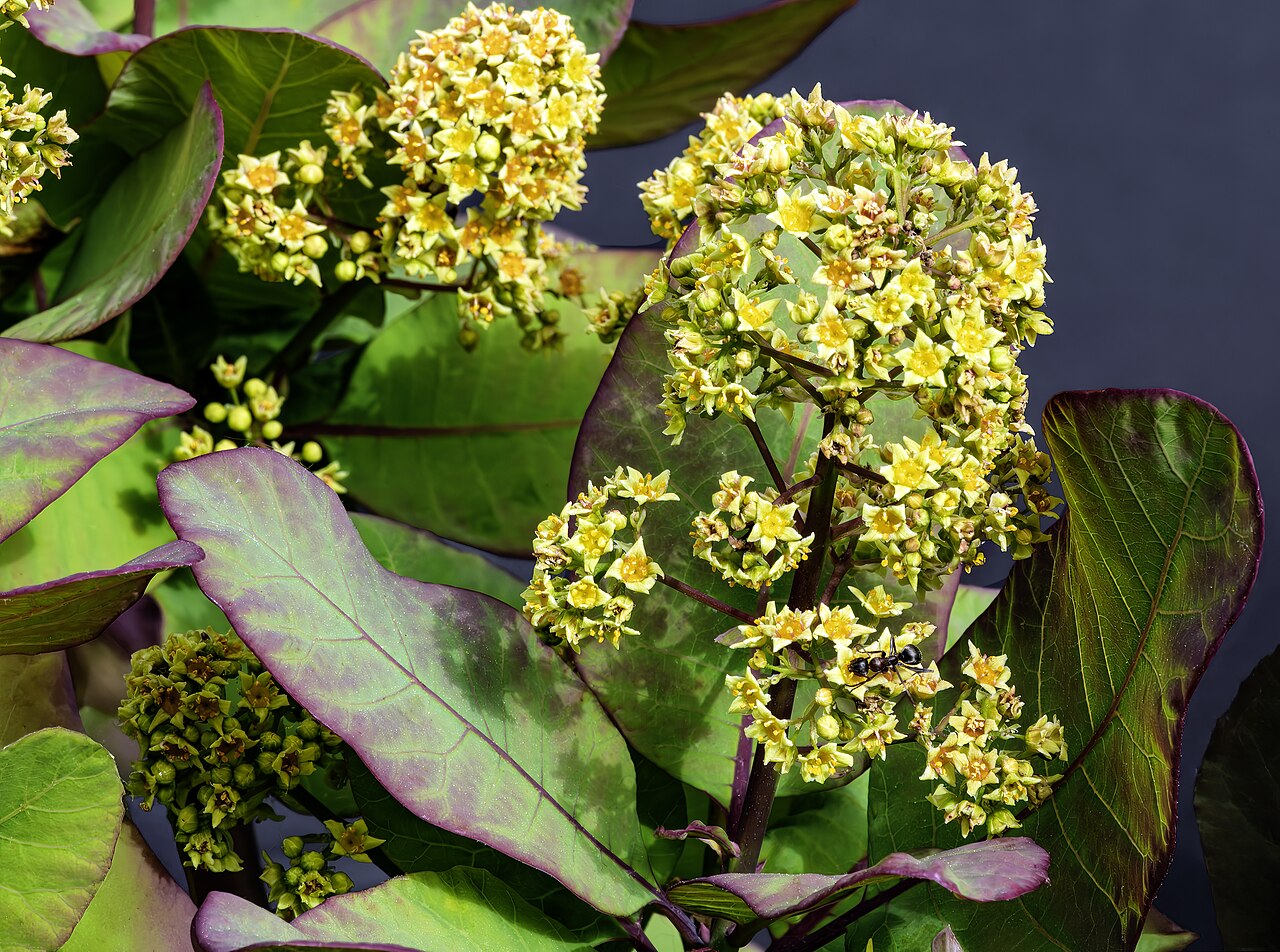
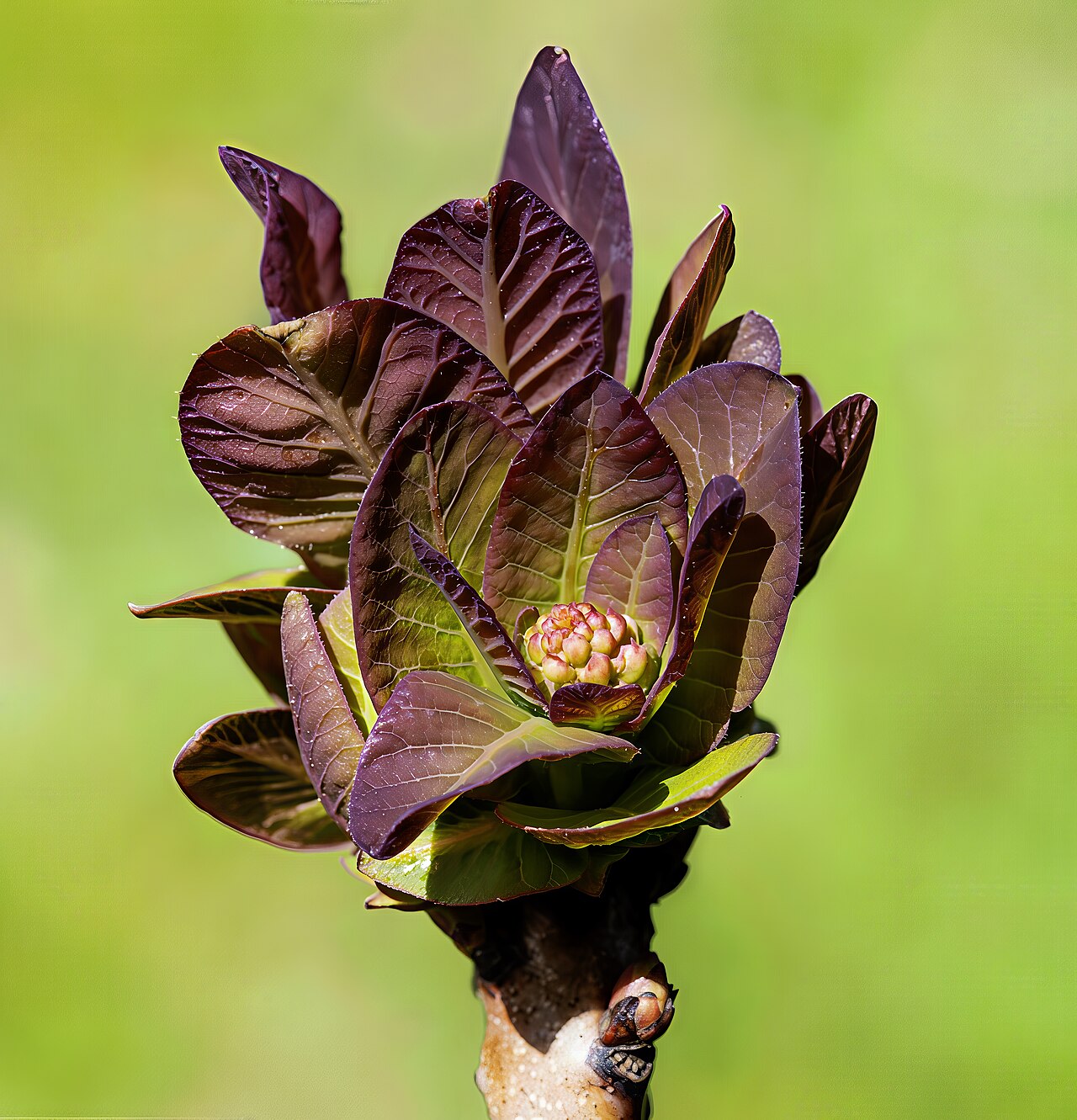
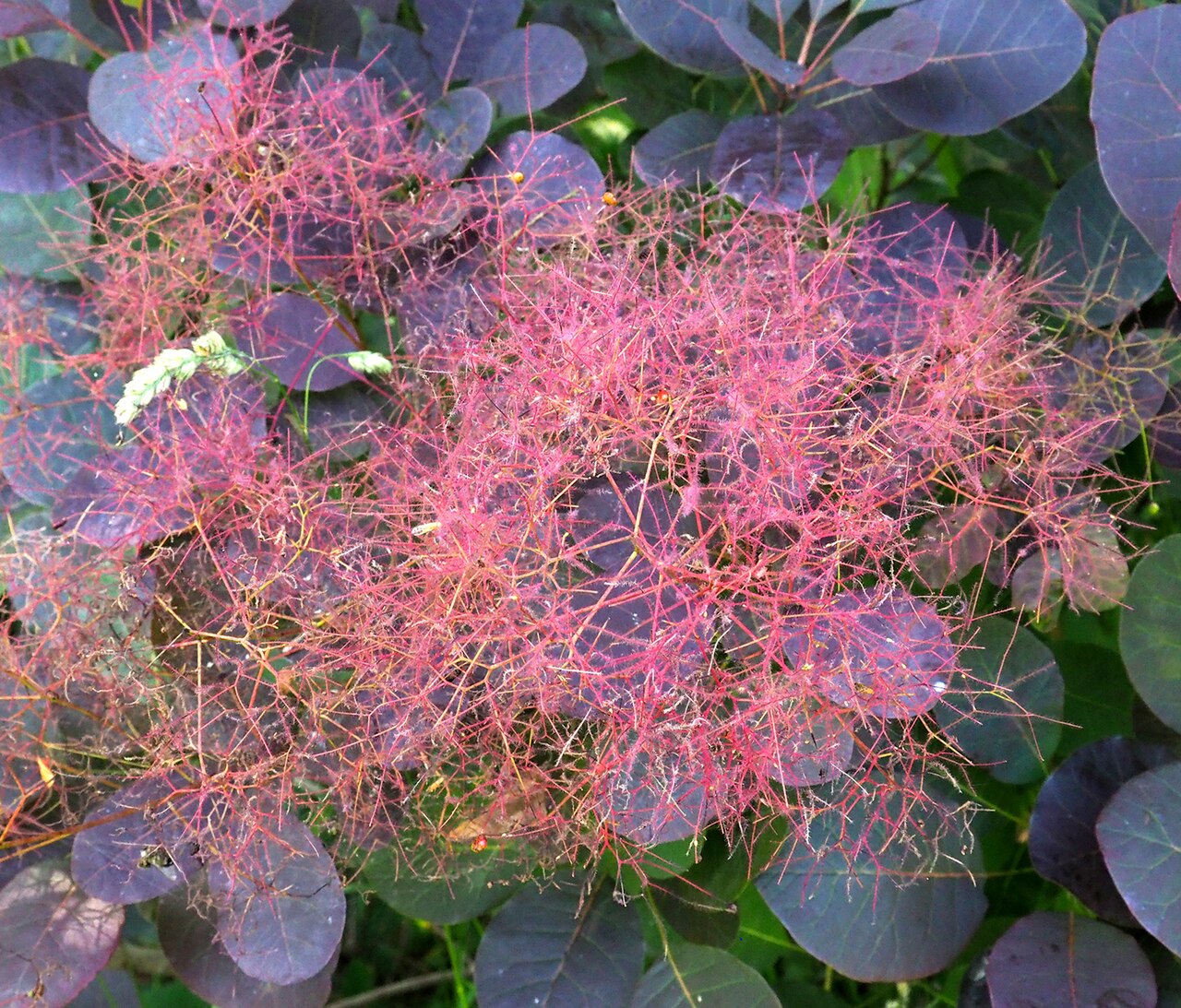
Golden Spirit is the smoke bush for gardeners who want light, not darkness: its leaves are a glowing chartreuse-gold all season — brighter in sun, softer in part shade — turning orange and red in fall, and in summer the pink smoky plumes float over the gold like sunset over a field. It is smaller than Royal Purple and Grace, 8–10 feet tall and wide, which makes it the smoke bush for a border or a foundation bed that needs a bright focal point without a 15-foot commitment.
In Florida, Golden Spirit is a north-Florida trial, and its gold leaves are the warning as well as the reward: gold leaves scorch faster than green ones in brutal afternoon sun, so give it morning sun and afternoon shade in the hottest spots, well-drained soil and steady establishment water. A Golden Spirit in full baking sun goes pale, then scorched, in that order — shade is the fix, not food.
How to grow
Smoke bush is grown for its flowers, which are not flowers in the usual sense: after the small, inconspicuous blooms fade, the flower stalks elongate into feathery, pink-to-purple plumes that make the whole shrub look like it is smoking. Plant in spring in full sun — sun gives the best foliage colour — in well-drained soil, and give it room: 10–15 feet tall and wide at maturity, and a smoke bush crammed into a corner loses the cloud shape that justifies it. Florida honesty first: this is a zone 4–8 shrub, so plant it only in the north, with afternoon shade if the site is brutal, and expect the purple foliage to be a little less intense in a hot, humid summer than it is farther north. Prune in late winter to shape; smoke bush blooms on new wood, so a hard spring cutback gives a tidier shrub, not a ruined one.
Water & feeding
Water deeply through establishment, then in dry spells; established smoke bush is notably drought-tolerant and sulks if kept constantly wet. Feed lightly in spring. Overwatering in heavy soil causes more trouble than drought.
Common problems
Few serious pests. Verticillium wilt can strike stressed plants — avoid planting where wilt has killed other shrubs. Leaf spot appears in wet years but rarely matters. A smoke bush that fades and sulks in central or south Florida is a climate verdict, not a care failure.
Harvest
No fruit harvest — the crop is the gold and the smoke. Prune in late winter to shape; it blooms on new wood, so a spring cutback is safe and even beneficial. Cut smoky stems for arrangements — pink smoke over gold foliage is the most photogenic combination in the smoke-bush family.
Nerdy fact: Golden Spirit’s gold comes from reduced chlorophyll in its leaves — the same trick as variegation, but across the whole leaf, which is why gold plants grow a little slower than green ones and scorch a little faster: they are running on less solar panel, and they know it.
Saving seeds
Golden Spirit is a smoke bush cultivar with glowing chartreuse-gold leaves, and seedlings won’t hold the gold — propagate it by cuttings to keep the color. The Saving seeds section of the Smoke Bush guide covers seed for the species generally.