
🌅 Goldflame Honeysuckle
What it looks like
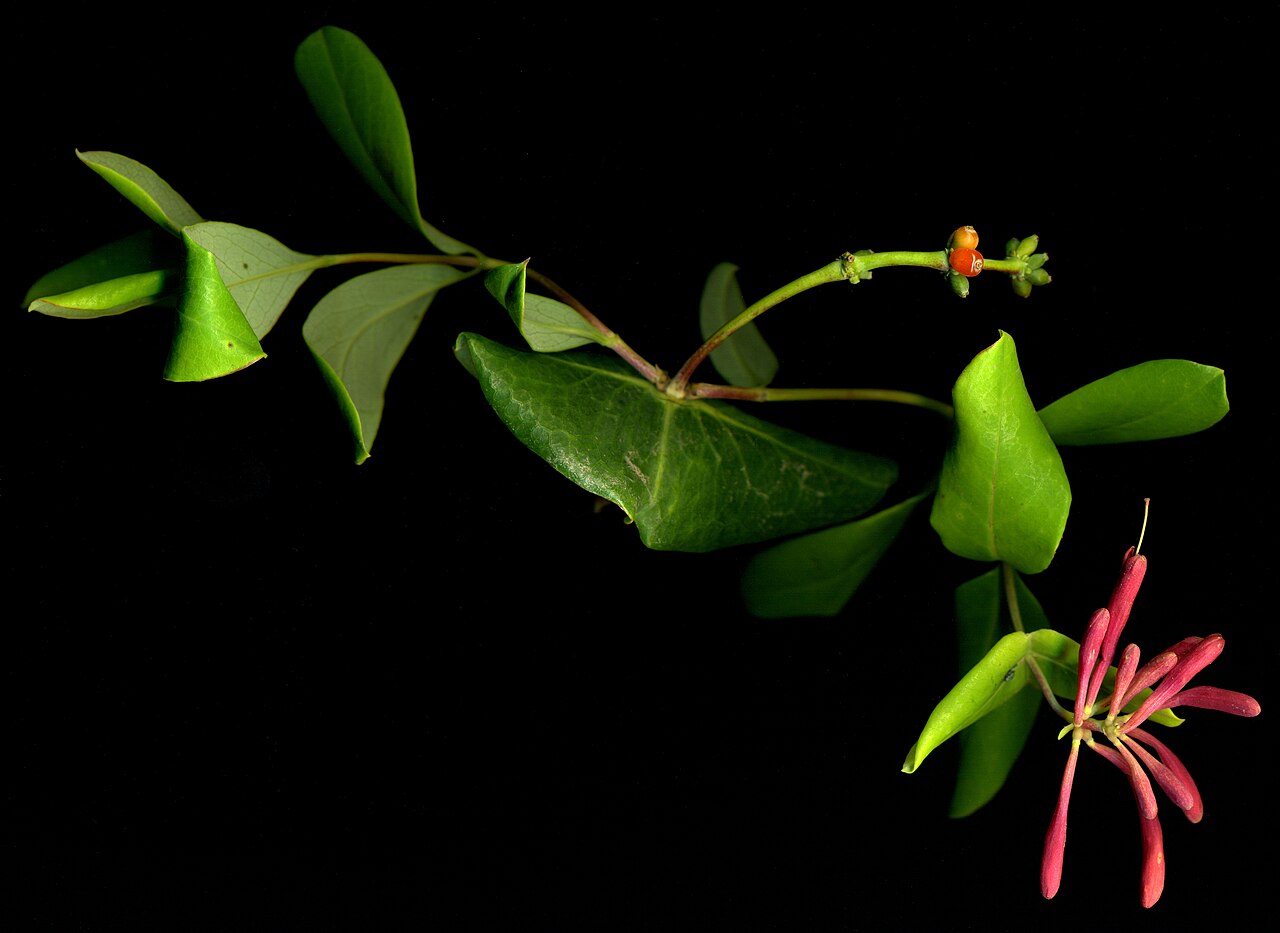
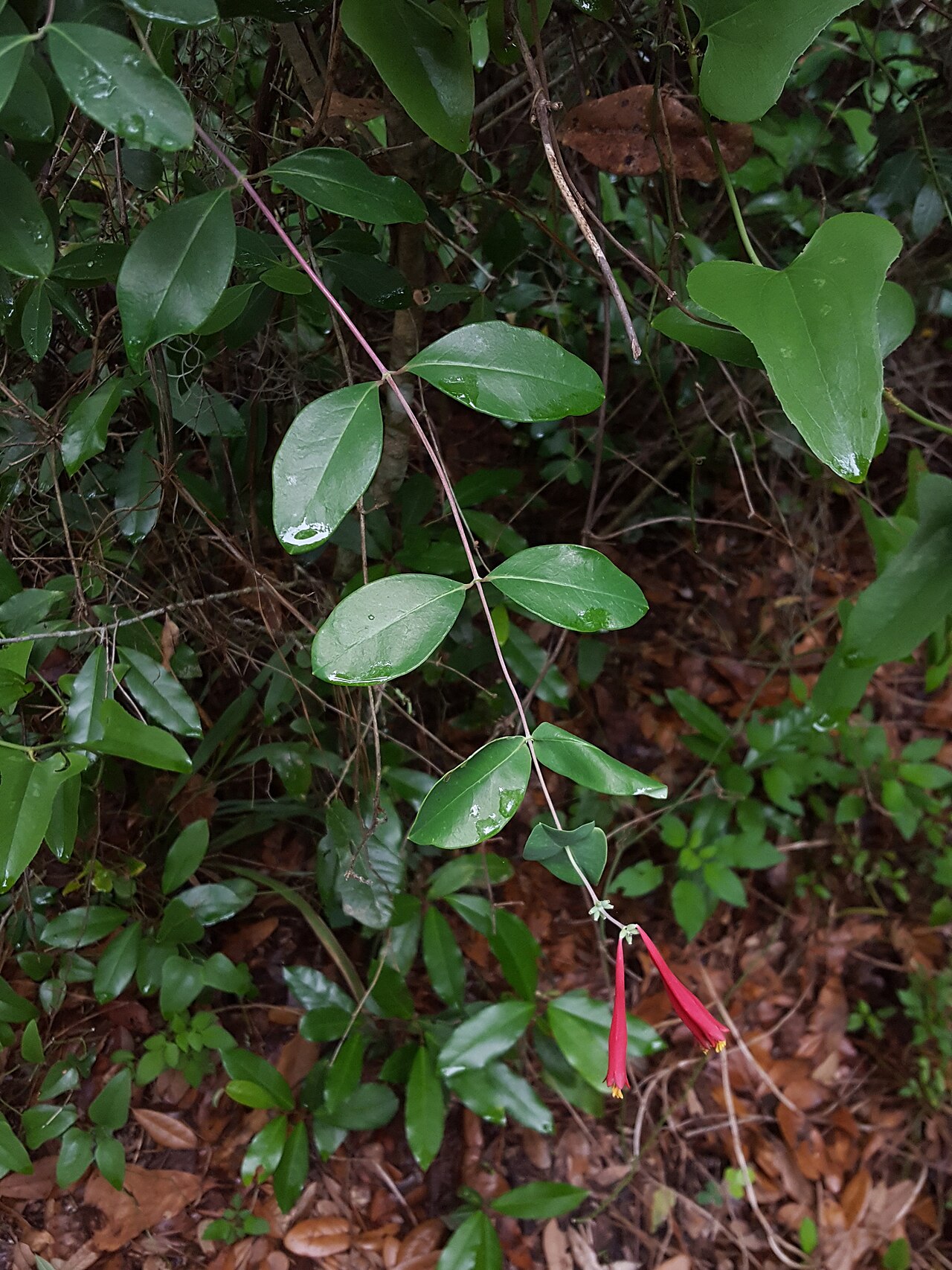
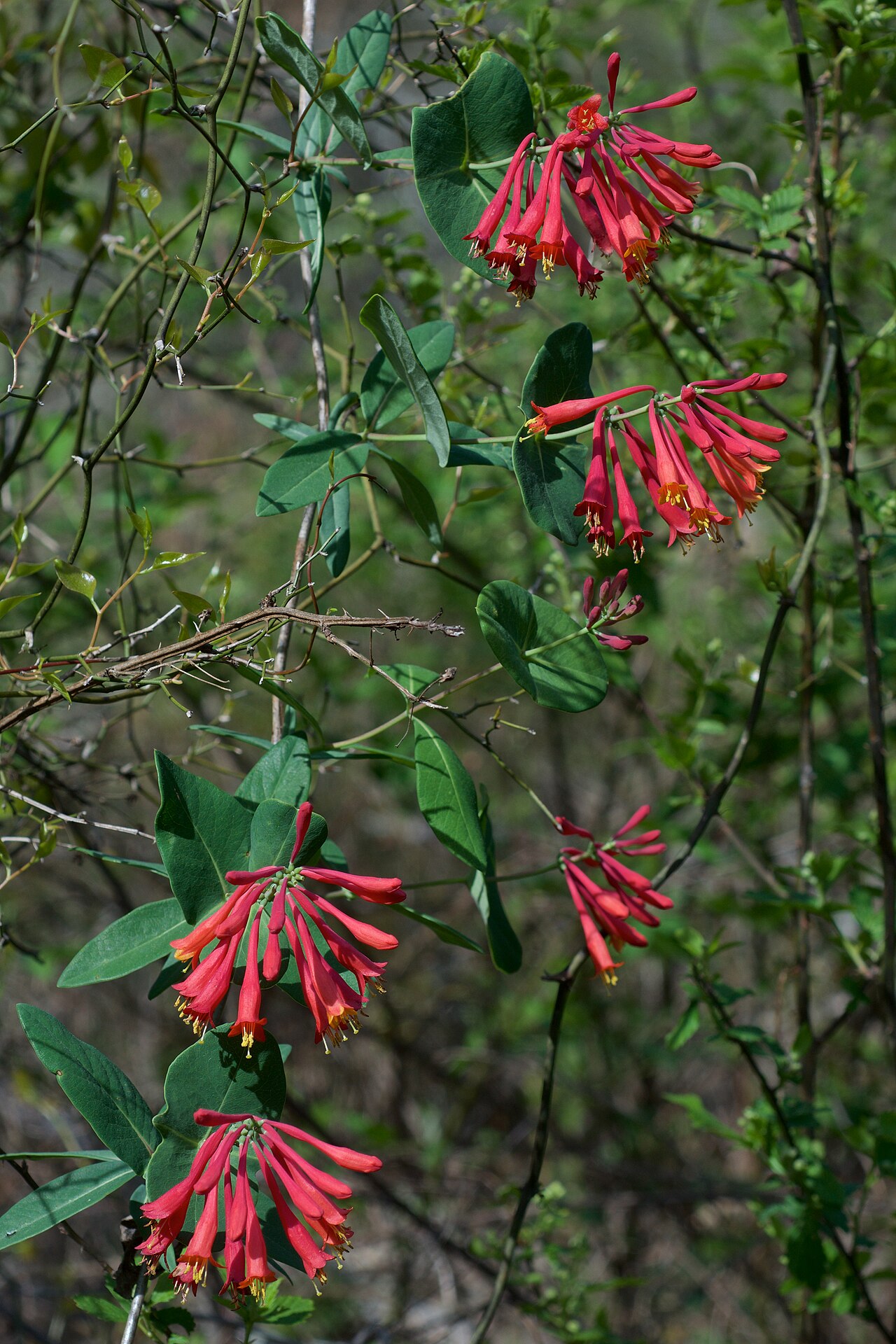
Photos show the species, Honeysuckle, since no cultivar-specific photo has been verified for this variety — the species photos above are already hosted on this site and attributed as on the species guide.
Why this variety
Goldflame is the honeysuckle for people who want it all: colour and perfume in the same flower. Purple to deep-pink buds open to sweetly fragrant, golden-yellow tubular flowers, and the vine keeps producing them from spring through fall. It is a hybrid (Lonicera x heckrottii), semi-evergreen in mild climates and deciduous where winters bite, and it is the classic cottage-garden honeysuckle for a trellis, arbor, or fence.
It is not the invasive Japanese honeysuckle, and the difference is worth stating every time: Goldflame is a garden hybrid that stays where you put it, twining on its support rather than running wild through the neighborhood. It is also not a native coral honeysuckle — if native-only is your rule, plant Superba or Major Wheeler instead — but if fragrance is your priority, Goldflame is the honest pick, because coral honeysuckle’s trumpets, beautiful as they are, are not fragrant.
How to grow
Plant in sun to part shade in well-drained soil, against a trellis, arbor, or fence, and give it a support from day one: twining stems reach 10-15 feet quickly. In Florida, give it afternoon shade in the hottest gardens, mulch heavily to keep roots cool and moist, and site it where the fragrance will reach a path, patio, or open window — perfume planted at the far end of the garden is perfume wasted.
Prune after the main flush and lightly through the season to encourage rebloom, and thin crowded growth for airflow in humid weather. It can also be pruned into a dense, shrub-like shape if you prefer a bush to a vine — one of the few honeysuckles that tolerates that treatment. Work worm castings into the planting hole and feed in spring with a balanced organic fertilizer.
For the general picture, start with the Honeysuckle growing guide, then use this guide for the details that make Goldflame different. And a plain-language note on the hero stats above, because vines and shrubs are not vegetables: “Spacing” here means mature planting distance, and “Days to harvest” means time to first bloom — the moment the plant starts paying you back in flowers, not a picking date.
And a plain-language note on the hero stats above, because vines and shrubs are not vegetables: “Spacing” here means mature planting distance, and “Days to harvest” means time to first bloom — the moment the plant starts paying you back in flowers, not a picking date.
Water & feeding
Water to establish, then deeply during dry spells; consistent moisture extends the fragrant flushes, while drought stress cuts them short. Water at soil level, mulch thickly, and avoid overhead watering late in the day. In containers, water more often — a honeysuckle in a pot dries out faster than one in the ground, and a dry honeysuckle stops flowering first and asks questions later.
Common problems
- Aphids on tender shoot tips in spring — a strong jet of water usually ends the party; ladybugs finish it.
- Powdery mildew in humid, still air — give it sun and airflow, and avoid overhead watering late in the day.
- Japanese honeysuckle confusion — if a volunteer honeysuckle shows fragrant cream-to-yellow flowers and black berries, that is the invasive Lonicera japonica, not this plant. Remove it rather than trellising it.
- Leaf damage from honeysuckle leaf miners or caterpillars — cosmetic on a vigorous vine; prune out badly hit stems rather than spraying the hummingbirds’ dinner.
Harvest
The harvest is fragrance: cut flowering stems in the morning, when the scent is strongest, and bring them indoors, where Goldflame earns its keep as a cut flower. Deadhead and lightly prune through the season to keep new buds coming, and remember the berries are ornamental, not edible — flowers and scent are the harvest here.
Browse all plant & pest guides
Saving seeds
Goldflame is a hybrid honeysuckle, Lonicera × heckrottii, and hybrids don’t come true from seed — propagate it by cuttings or layering to keep the fragrance and color. The Saving seeds section of the Honeysuckle guide covers seed for the species generally.