
🟡 Goldie Ground Cherry
What it looks like

Why this variety
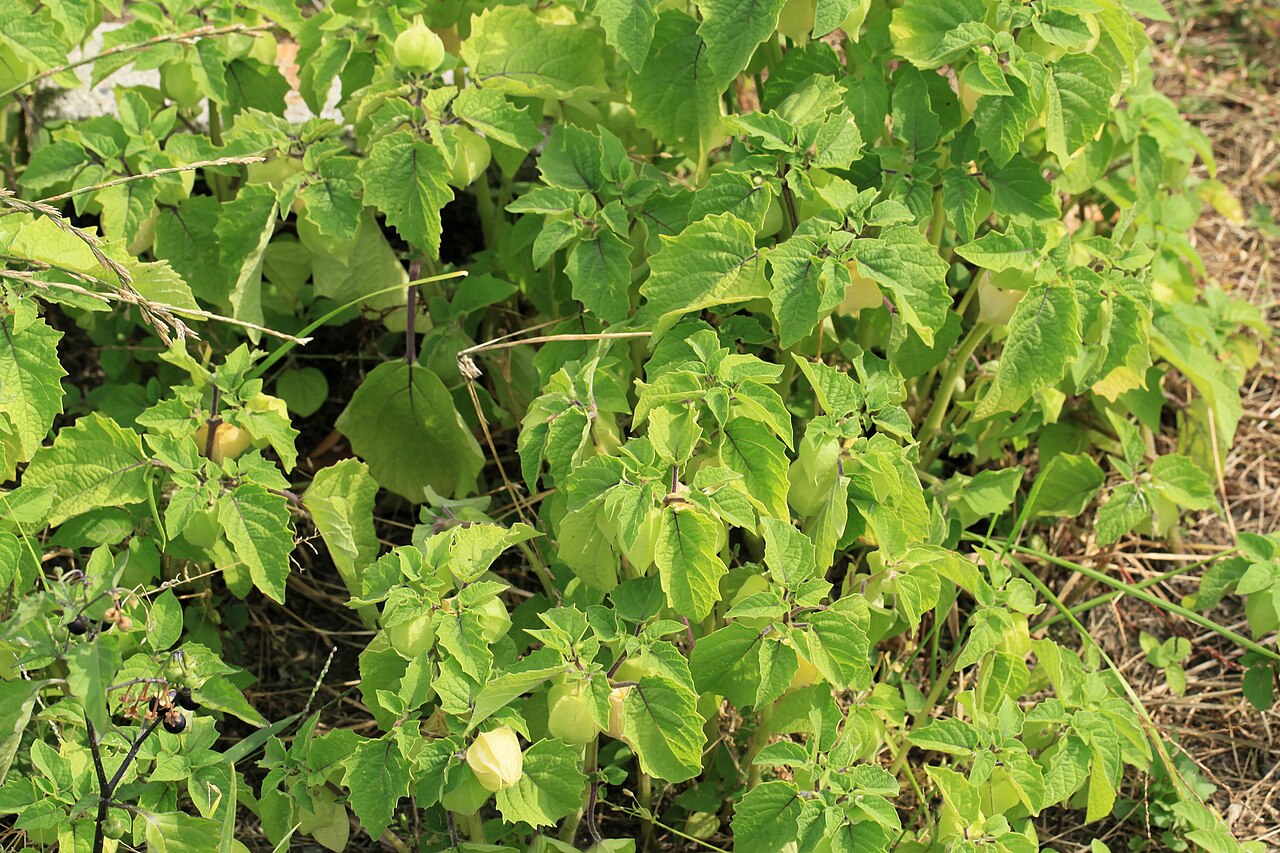
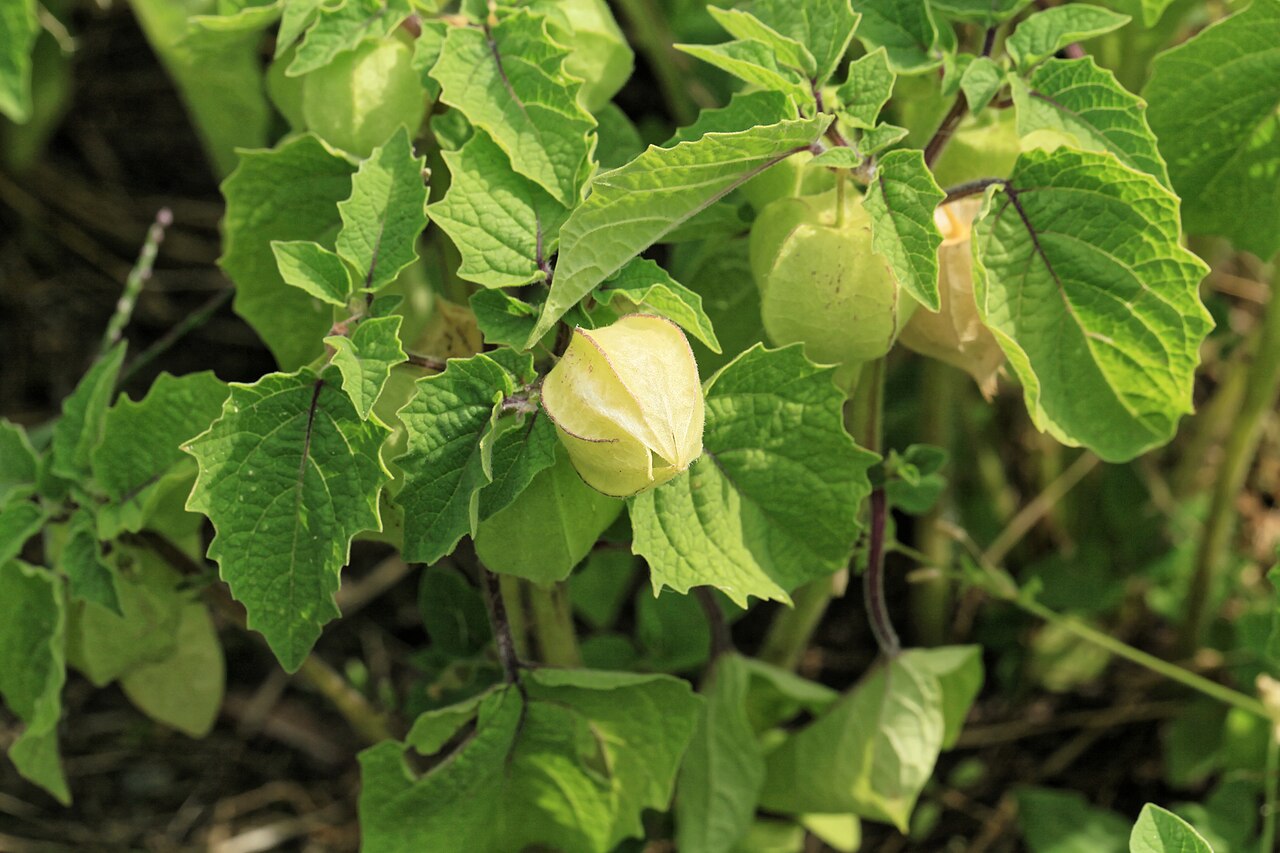
Goldie is the ground cherry for gardeners who want yield and consistency over novelty. Side-by-side grower comparisons repeatedly name Goldie the yield winner, and the reason is visible in the basket: larger fruit than Aunt Molly’s, and — unusually for ground cherries — consistent size, without the mix of pea-sized runts and full-sized fruit that other varieties produce. The flavor is rich and jammy, with the pectin-rich gel that makes Goldie the variety jam-makers reach for first.
There is a taxonomic footnote worth stating plainly: Goldie is variously listed as Physalis pubescens rather than P. pruinosa, which is part of the broader Physalis naming tangle. For the gardener it changes nothing — same husk, same culture, same harvest — but it is why seed catalogs disagree about Goldie’s species, and why this guide names the variety rather than pretending the species question is settled.
How to grow
Here is the honest Florida part first: ground cherry is a Florida-friendly annual, full stop. Sow it for spring and again for fall, give it sun and drainage, and it will drop its husked fruit all over the bed — which is the harvest method, not a mess to apologize for. Summer humidity brings leaf diseases, so successions and airflow matter more here than they do in drier climates.
Grow exactly as Aunt Molly’s: start indoors or direct-sow in warm soil, transplant into full sun and well-drained soil, space 2–3 feet apart, and let plants sprawl or cage lightly. In Florida, spring and fall successions beat a midsummer planting, and Goldie’s slightly later maturity — about 75 days — means you should start it early enough that fruiting lands before the worst heat or after it breaks.
Water & feeding
Water about an inch a week at soil level, feed lightly with castings at planting and once during fruiting, and mulch to keep fruit clean and soil moisture even. Goldie’s larger fruit benefits more from steady water than smaller types do — a dry spell during sizing gives you smaller, less even fruit, which defeats the whole reason to grow this variety.
Common problems
- Flea beetles, whiteflies, and aphids are the insect cast; bacterial wilt and nematodes are the Florida soil concerns, handled by rotation and by not following other nightshades.
- The toxicity rule is the same: only fully ripe, golden fruit is food; green fruit and foliage are not.
- Goldie’s consistency also makes pest damage easier to spot — if fruit size suddenly varies wildly, check water and pests before blaming the variety.
Harvest
Harvest fallen husks daily at peak season, plus ripe fruit that releases easily, and store in the husk refrigerated for weeks. Goldie’s size and pectin make it the best ground cherry in this guide for jam, and its consistent fruit means less sorting at the kitchen counter — a small virtue that becomes a large one when you are processing quarts.
Browse all plant & pest guides
Saving seeds
Goldie is a long-standing heirloom ground cherry, largely self-pollinating, so saved seed comes true — let the husked fruit drop and ripen fully, then squeeze the seed from the soft fruit. The full method is in the Saving seeds section of the Ground Cherry guide.