
👑 Good King Henry
What it looks like
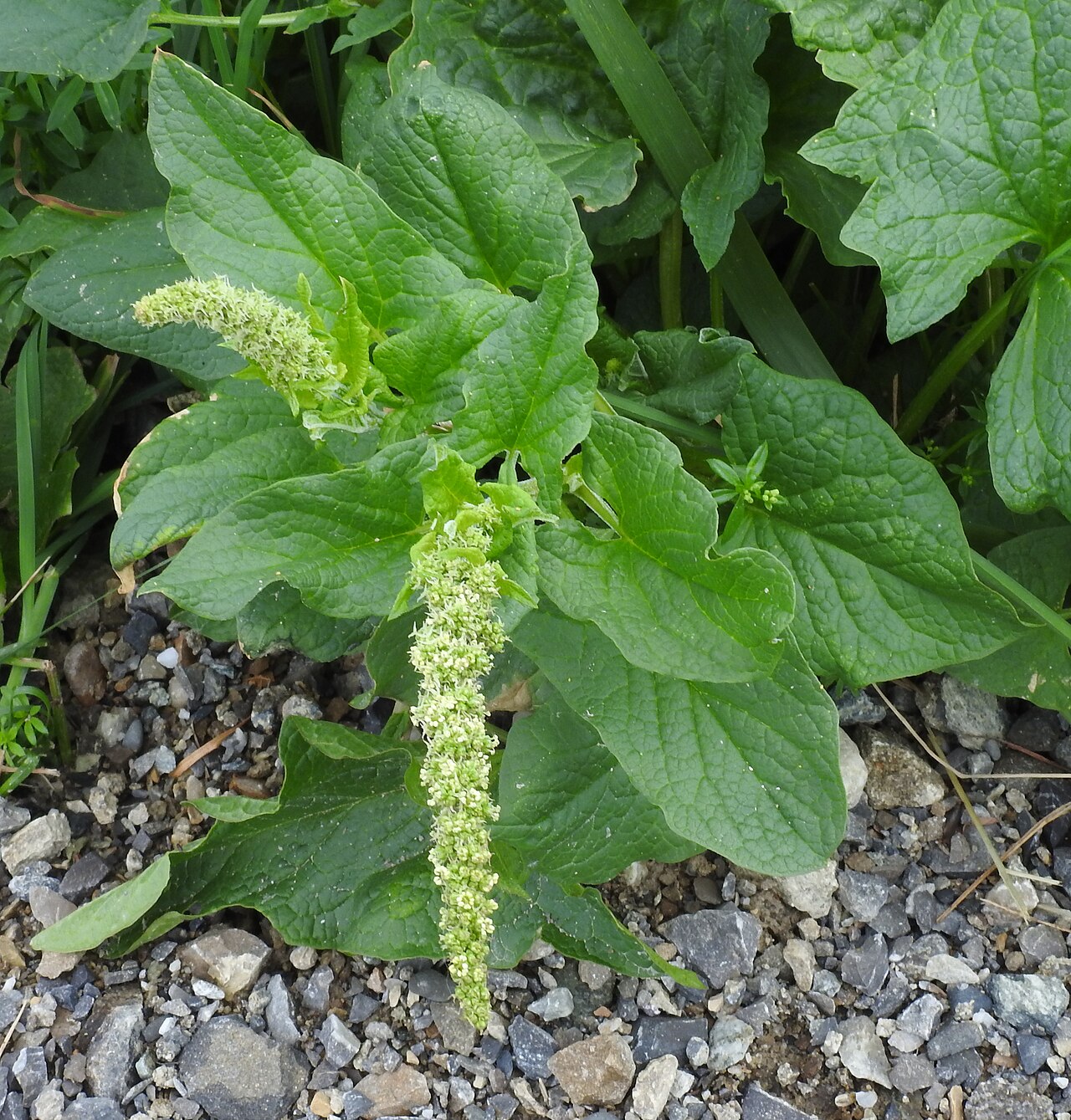
How to grow
Good King Henry, also called perennial goosefoot or Lincolnshire spinach, is a hardy perennial goosefoot grown for two crops: thick spring shoots cooked like asparagus, and spinach-like leaves through summer and fall. Sow in fall for natural cold stratification or transplant in spring, in partial shade to full sun and deep, moist, compost-rich soil. Plants are slow to establish — expect a modest first year and a real crop from year two — and then a planting can last 4–5 years or more, with foliage dying back in winter and new buds appearing in spring. It is a cool-climate perennial: it thrives in zones 3–7 and struggles in hot, humid summers, so southern gardeners should give it afternoon shade and the coolest, moistest spot available, or skip it.
Water & feeding
Keep soil moist, especially while establishing; mulch with grass clippings or leaves in summer to hold moisture. Top-dress with compost each year at the end of winter. Once established it needs little fertilizer and tolerates drought better than annual spinach, but dry soil gives tough leaves.
Common problems
- Slow establishment — be patient; first-year plants are building roots.
- Tough summer leaves — pick young leaves in spring and fall, and cut flower spikes in late June to July to stimulate leaf production.
- Self-seeding — pull volunteers you do not want; it can naturalize.
- Heat stress in the South — shade and moisture help, but this is a northern perennial at heart.
Harvest
Pick young leaves as needed in spring and fall, when they are most tender; cook them like spinach (young spring leaves can also be eaten raw). Harvest thick spring shoots like asparagus before they open. Leaves do not keep well — use them the day you pick them. A note on names: ‘Good Henry’ was distinguished in German folk tradition from ‘Bad Henry,’ a poisonous plant — do not confuse this crop with any wild mercury plant.
Saving seeds
Good King Henry is the kind of plant that wants to save its own seed, and mostly will, if you let it. This old perennial green, a chenopod cousin of spinach and quinoa, throws up tall flower spikes in summer that ripen into clusters of small, dark seeds. Left alone, it self-sows around itself with cheerful abandon, which is wonderful if you want a permanent patch and a mild nuisance if you wanted it to stay in one tidy row. Saving seed deliberately is mostly a matter of stepping in before it scatters everywhere, and being patient with germination that has a reputation for being, shall we say, characterful.
Choose a strong, healthy plant and let at least one flower spike go all the way to seed; do not pick every leaf off your seed plant, since it needs its foliage to finish the job. By late summer the seed clusters turn dark and dry and start to feel brittle. Cut the whole spike into a paper bag, let it dry indoors for a week or two in an airy spot, then rub the clusters between your hands over a bowl and shake out the chaff. The seeds are small, so work over a tray and do not sneeze at the crucial moment. Dry them thoroughly, spread thin, before storing, and keep them in a labeled envelope inside an airtight jar in a cool, dark place. In Florida, that airtight jar plus a desiccant packet is not fussy, it is essential: humid air sneaks into paper envelopes and quietly ruins seed over a damp summer. Sow saved seed generously and do not bank on a firm shelf life, since sources are vague on exactly how many years it keeps; fresh seed, used within a season or two, is your best bet.
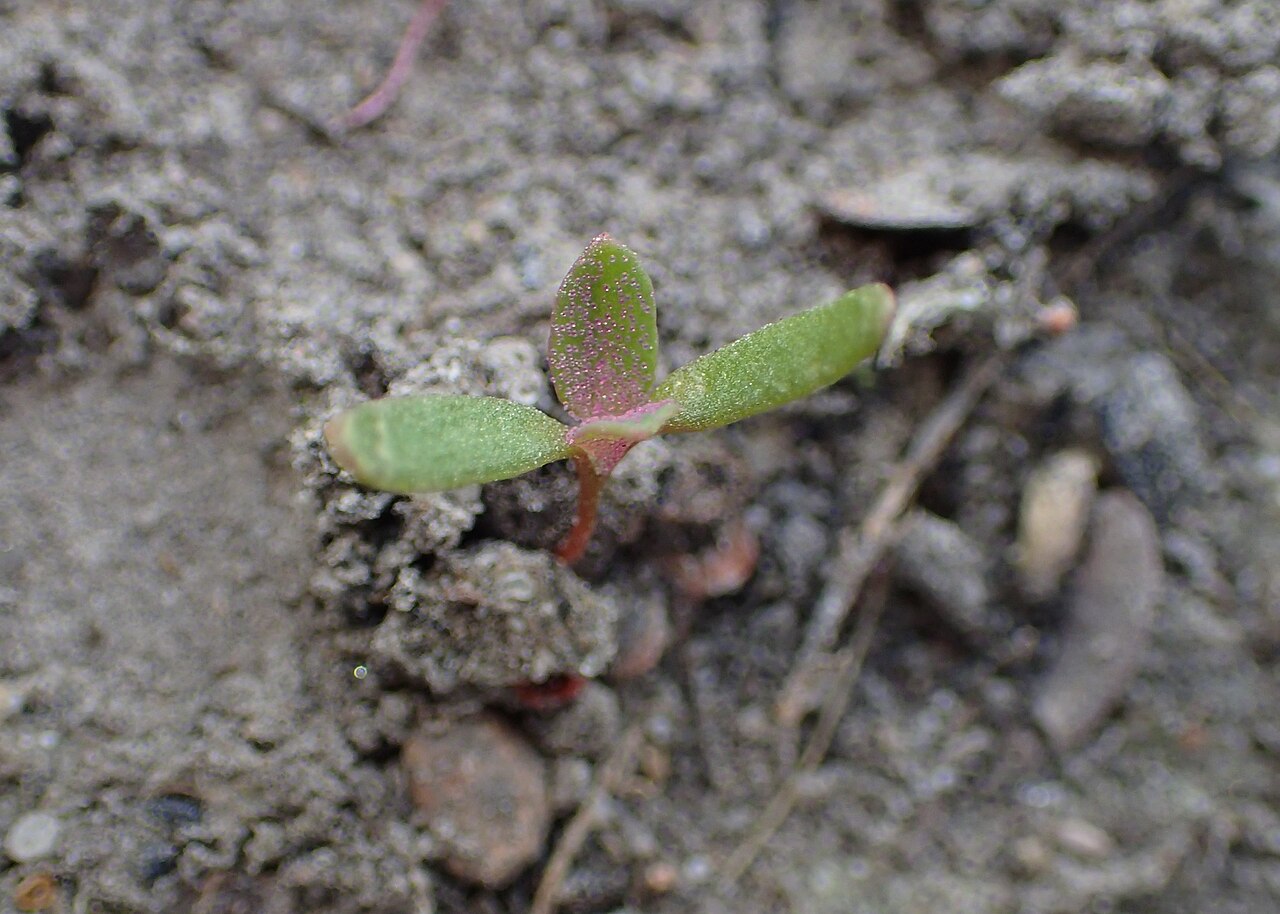
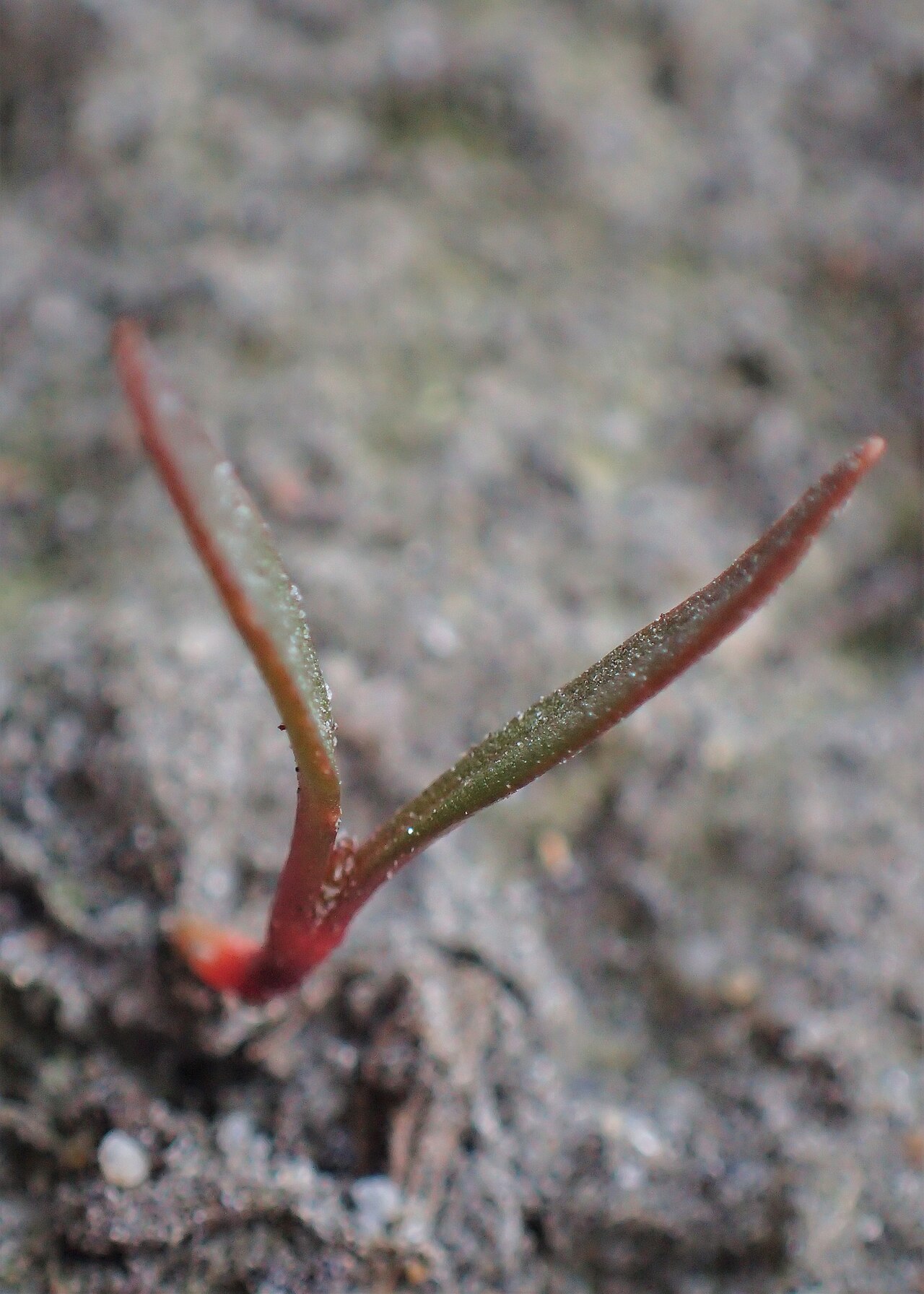
Germination is where Good King Henry tests your resolve. Sow in spring or autumn, barely covered, in moist soil, and expect sprouts in roughly two to three weeks, sometimes longer, sometimes erratically over a longer stretch. Soaking the seed overnight before sowing is widely recommended to soften the coat, and it costs nothing to try. Sow thickly, thin later, and do not give up on a tray too soon; a flat that looks dead may simply be taking its time. Seedlings can take a year or two to settle into full production, which is why the other propagation route matters: divide an established clump in spring or autumn, making sure each division has a good chunk of root, and replant at once. Divisions are clones of the parent, so they skip the germination lottery entirely and give you a harvest sooner.
A few cautions to keep in the front of the notebook. First, seed plants and leaf plants are the same plants at different jobs, so decide which clumps are for eating and which are for seed, and do not strip a seed plant bare. Second, if you do not want volunteers everywhere, cut the spikes before they shatter, because self-sown seedlings will pop up in paths and beds. Third, keep the name straight: this plant’s folk distinction from “Bad Henry,” a poisonous mercury plant, exists for a reason. Save seed only from plants you have positively identified as Good King Henry, and never from a lookalike found in the wild. Grown that way, one packet of saved seed, plus an occasional division, can keep this medieval green going for decades.