
🌱 Gotu Kola
What it looks like
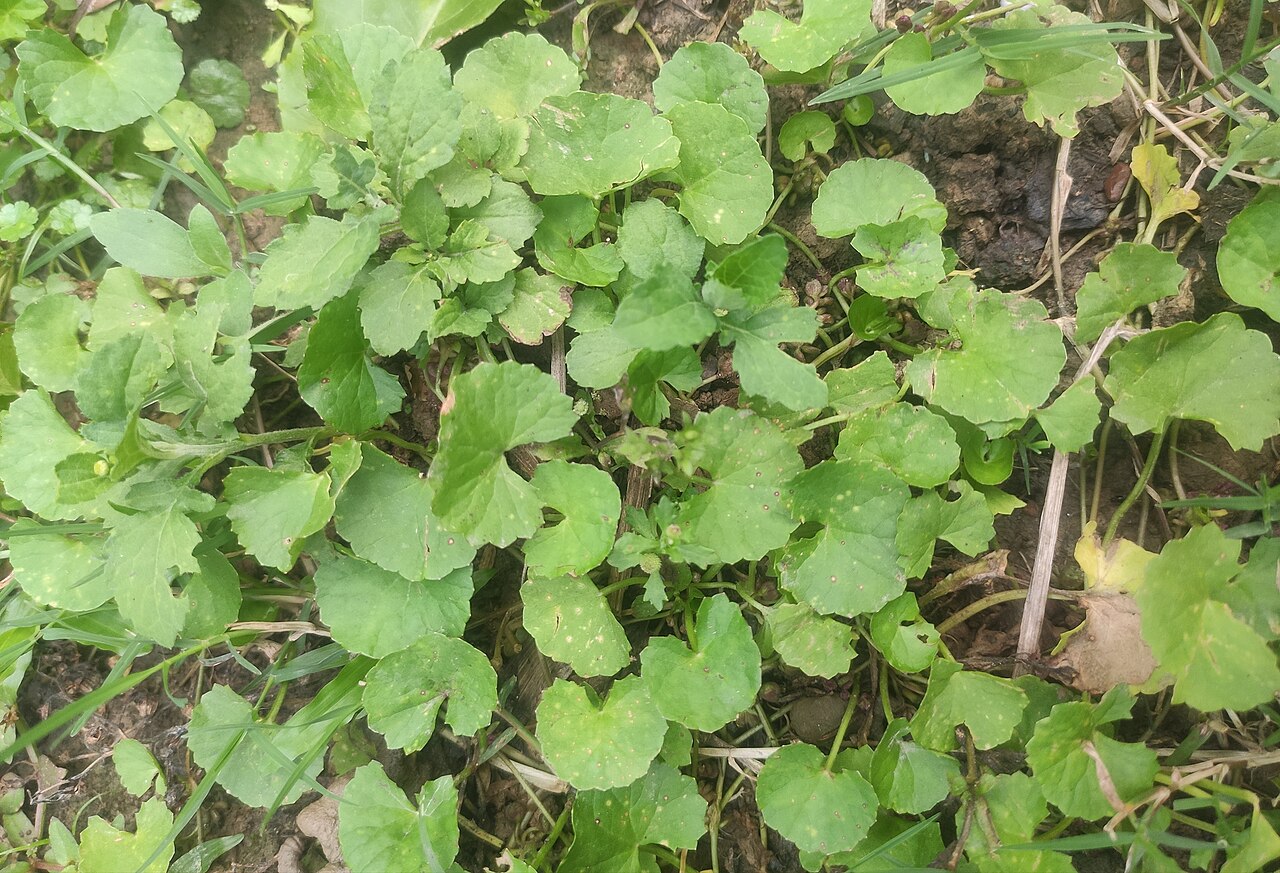
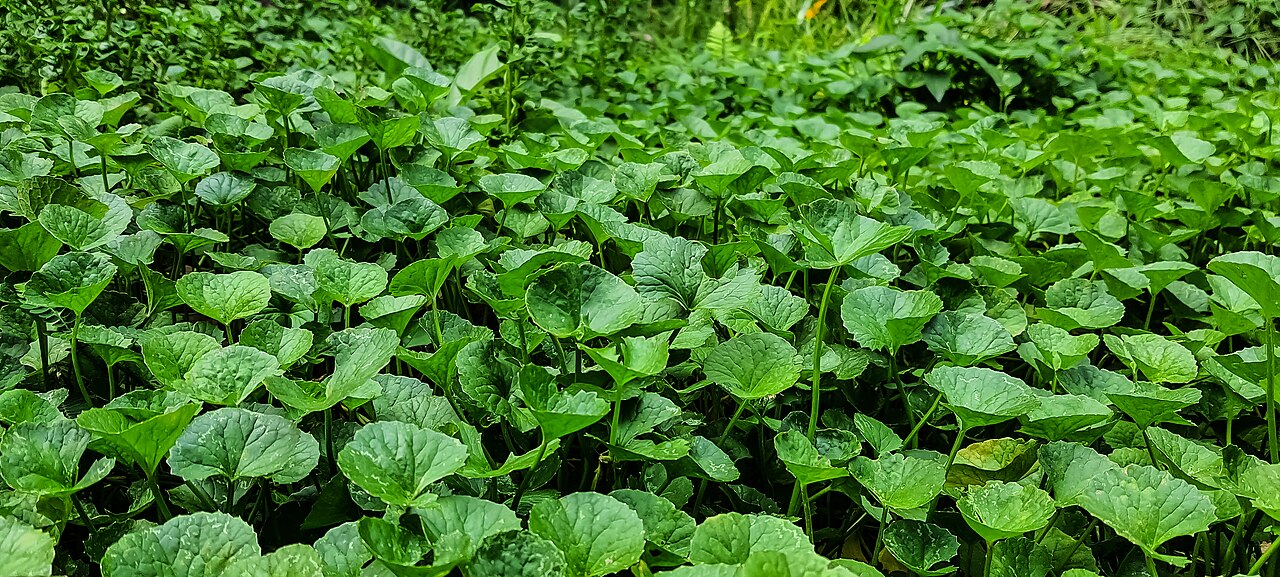
How to grow
Gotu kola is a low, creeping perennial with round, fan-shaped leaves on slender stalks, spreading by runners that root wherever they touch damp soil — think of it as a well-behaved, edible-looking groundcover for wet shade. Start from divisions or rooted runners in spring, or from seed (slow and spotty, so divisions are the reliable route), after frost danger. It wants part shade, steady moisture, and rich, humusy soil; it thrives at pond edges, in boggy low spots, and in pots kept constantly damp. In zones 9-11 it is perennial outdoors; in colder zones, grow it as a summer annual or bring a pot indoors before frost — it makes a fine windowsill plant if kept moist. In Florida and the Gulf South it can be vigorous, so give it a contained bed or a pot rather than open ground near a waterway.
Water & feeding
Never let it dry out — gotu kola is a wetland plant, and dry soil stops it cold. Water often enough that the soil feels like a wrung-out sponge, and mulch with leaf mold to hold moisture. Feed lightly with compost in spring; it does not need much. In pots, set the pot in a shallow saucer of water during hot weather, and mist occasionally if indoor air is dry.
Common problems
- Drying out — the number one killer; leaves crisp at the edges and runners stall. Water deeply, mulch, and move pots to shade.
- Frost — it has no cold tolerance to speak of; bring pots in before first frost and treat outdoor plants as annuals in cold zones.
- Spreading into waterways — in warm climates, keep it contained and never dump trimmings where they can wash into ponds or streams.
- Slugs on tender leaves in damp spots — hand-pick at dusk; healthy, fast-growing patches outrun minor damage.
Harvest
Snip leaves and young runners as needed once plants are established and spreading — take outer leaves first and leave the runners to keep carpeting. Rinse well before any kitchen use, since low-growing wetland leaves collect grit. This guide is about growing only: gotu kola has a long traditional use in Ayurvedic and Chinese herbalism, and if you are considering it for anything beyond the garden, talk to a clinician first. Overwinter a pot indoors in cold zones and you will have divisions to share in spring.
Propagation
If gotu kola had a motto, it would be “why start from scratch when you can just keep going?” This low, creeping wetland plant spreads by stolons, horizontal runners that creep along the surface and root at every node they touch, laying down a living carpet one rooted joint at a time. That habit is the whole propagation story in miniature: the easiest, fastest, and most faithful way to make more gotu kola is to let it do what it already does, and then move the pieces around. Seed exists, and it works, but it is the slow, fussy understudy, not the star.
Start with runners. In the growing season, find a healthy runner with several rooted nodes, snip a section carrying at least two rooted nodes and a few leaves, and plant it straight into consistently moist soil, or into a pot of damp mix if you want to grow it on first. Keep it wet, never let it dry out, and it will establish quickly, because it arrives with roots already formed. Divisions work the same way: lift a chunk of the mat, tease it into pieces each with roots attached, and replant. Because runners and divisions are clones, you know exactly what you are getting: same leaf size, same growth habit, same plant your friend grew. If someone you know grows gotu kola, a runner cutting from their patch is worth more than a whole packet of mystery seed.
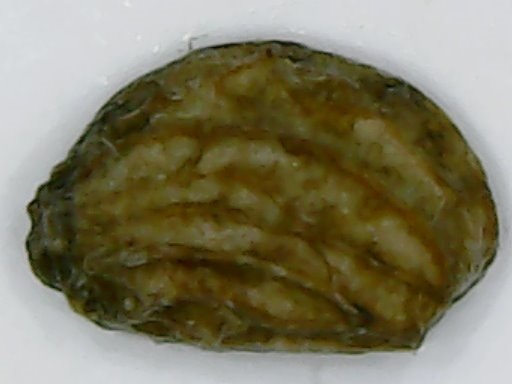
Seed is possible, but go in with open eyes. The seeds are tiny and famously slow and uneven, often taking three to five weeks to appear, with stragglers after that, and germination rates are often low compared with ordinary kitchen herbs. Sow shallowly, barely pressed onto moist seed mix rather than buried deep, keep the tray constantly moist under a humidity dome or plastic cover, and keep it warm. Soaking seed for a day before sowing may help soften the coat. Freshness matters more than usual here: seed loses viability quickly in storage, so buy fresh stock and sow it promptly rather than saving a packet for next year, and sow generously to cover the seeds that never wake up. Researchers have even found fresh gotu kola seed sometimes germinating poorly at first and better after a couple of months of storage, which tells you everything about how variable this seed can be. Do not rely on seed alone if you need plants by a deadline.
A Florida warning belongs up front, because this plant loves exactly what Florida offers: warmth, moisture, and room to run. In a damp, warm garden it can spread vigorously and become weedy, creeping into beds, paths, and wet corners you did not invite it into. Grow it in a container, a bounded bed, or a spot you are happy to see carpeted, trim runners regularly, and never toss trimmings into a ditch, compost heap, or natural wet area where a rooted node can start a new colony. Stored seed, such as it is, should be kept cool, dry, and airtight with desiccant, and used quickly. But the real gotu kola savings account is a healthy mother plant and a pair of scissors: snip a runner, keep it wet, and you have next year’s patch, genetically identical, with none of the seed lottery.