
🌾 Gray Leaf Spot (Turf)
Pyricularia oryzae
Summer rain, soft new growth, and a lawn that starts spotting like it caught a cold.
Signs and symptoms
Look for oval to irregular spots with brown borders and tan-to-grey centres on the grass blades. When spots pile up, blades wither and die, and the lawn thins and browns in hot, humid summer weather. It is a summer rainy-season disease, worst on new growth, and it loves excess nitrogen and leaves that stay wet for a long time.
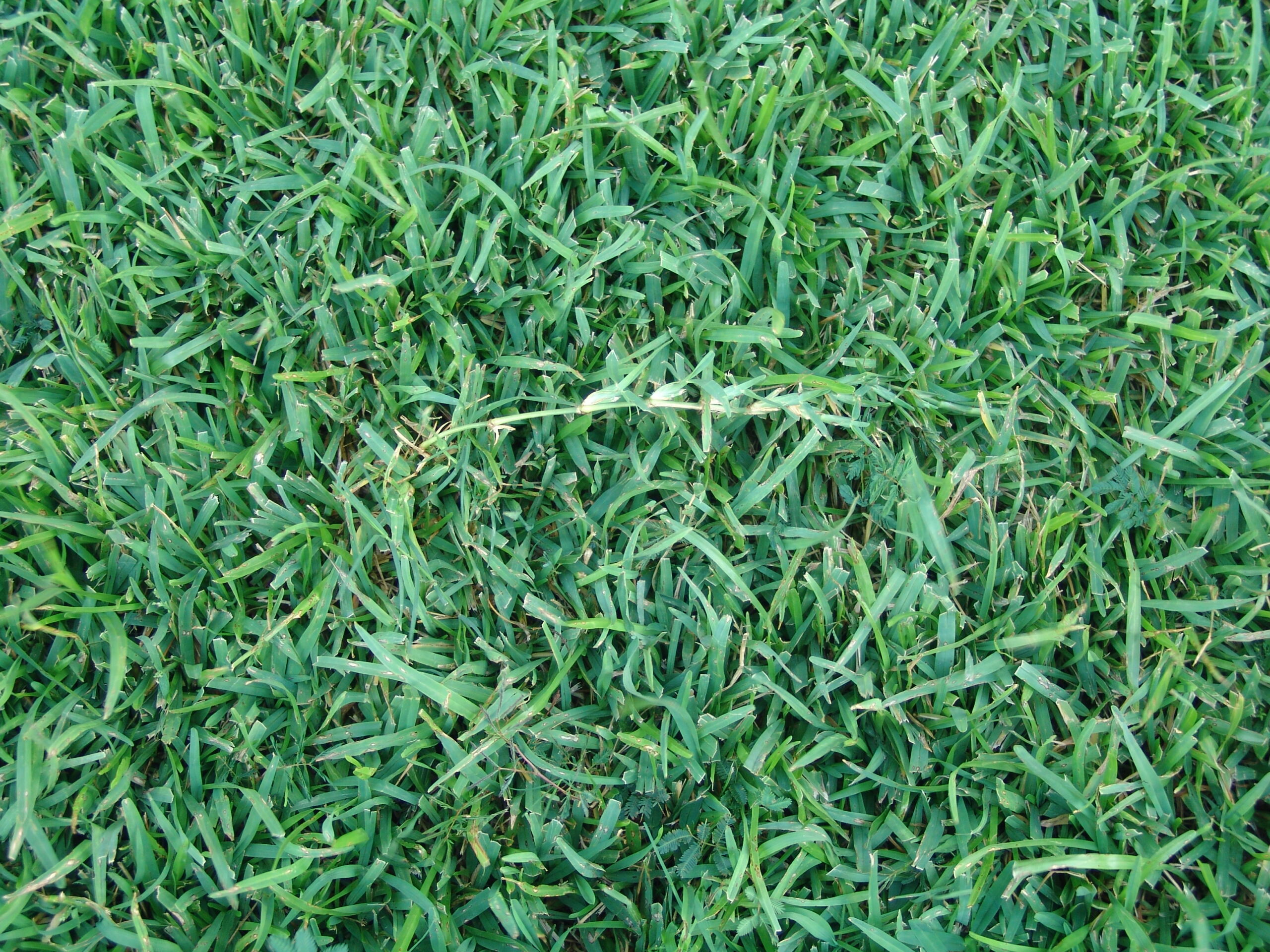

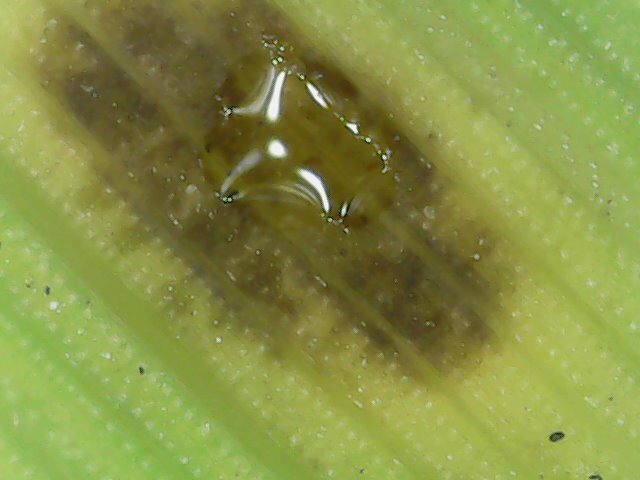
Not the same disease
Tomato gardeners, stop here: tomato gray leaf spot, caused by Stemphylium solani, is a DIFFERENT disease from this lawn disease. If your tomatoes are spotted, this turf guide is not the one you need — do not treat your tomatoes with lawn advice.
Plants it attacks
St. Augustinegrass is the primary Florida host. Bermudagrass, centipedegrass, and zoysiagrass can get it too, to a lesser degree.
What to do
- Cut back nitrogen during an outbreak — extra nitrogen feeds this disease.
- Water early in the morning only, so blades dry during the day.
- Mow at the higher end of the recommended range for your grass.
- Improve air flow across the lawn where you can.
- A labelled fungicide is only a later option, used exactly per its label.
Prevention
- Keep nitrogen balanced — feed the lawn, do not force it.
- Water in the morning, never in the evening, so blades are not wet overnight.
- Mow at the correct height.
- Choose resistant St. Augustinegrass cultivars where available.
Nerdy fact: You may meet this fungus under an older name, Pyricularia grisea, in older turf literature. Same culprit, updated name — if an old guide says grisea and a new one says oryzae, they are talking about the same disease.