
🌴 Gumbo Limbo
What it looks like
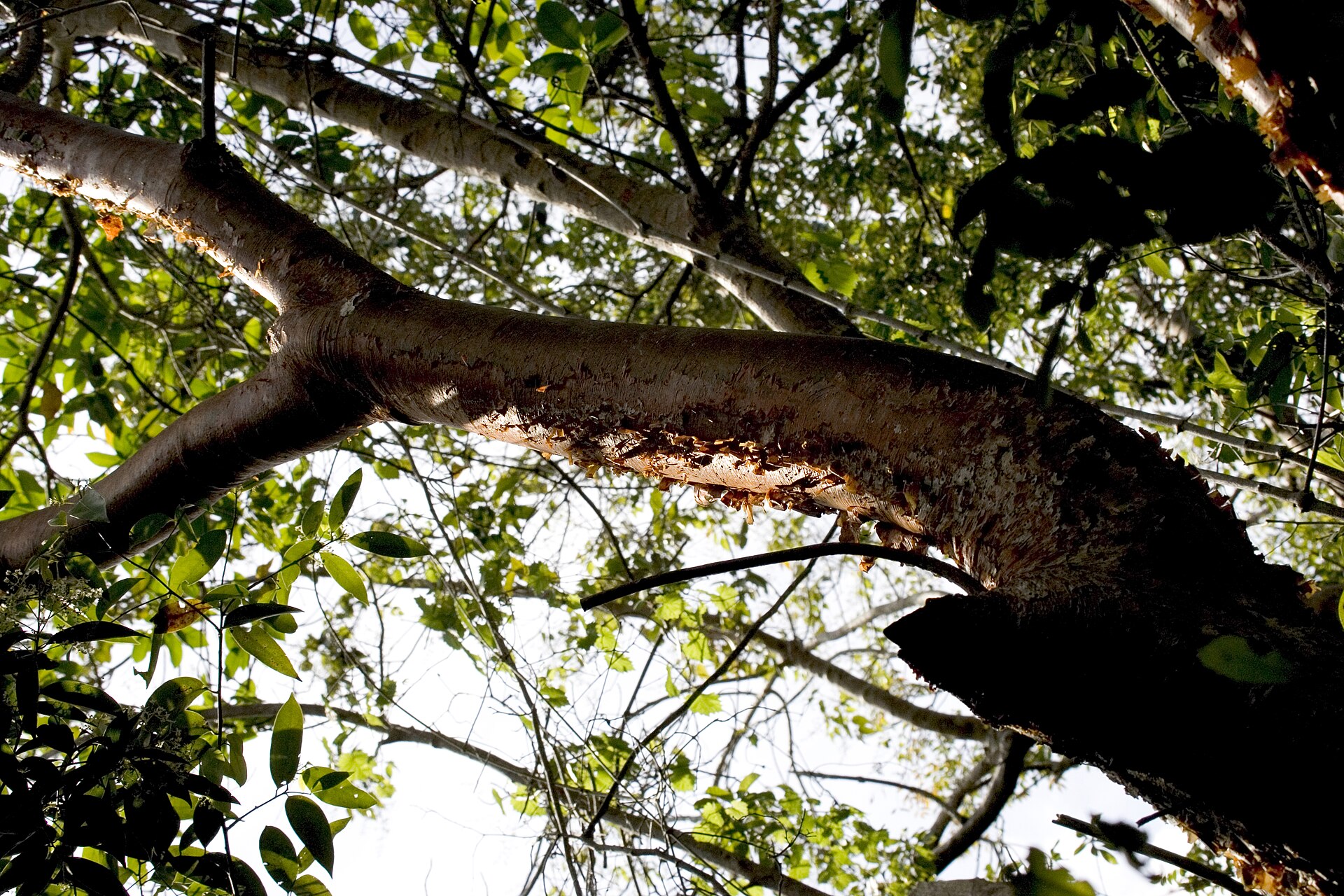
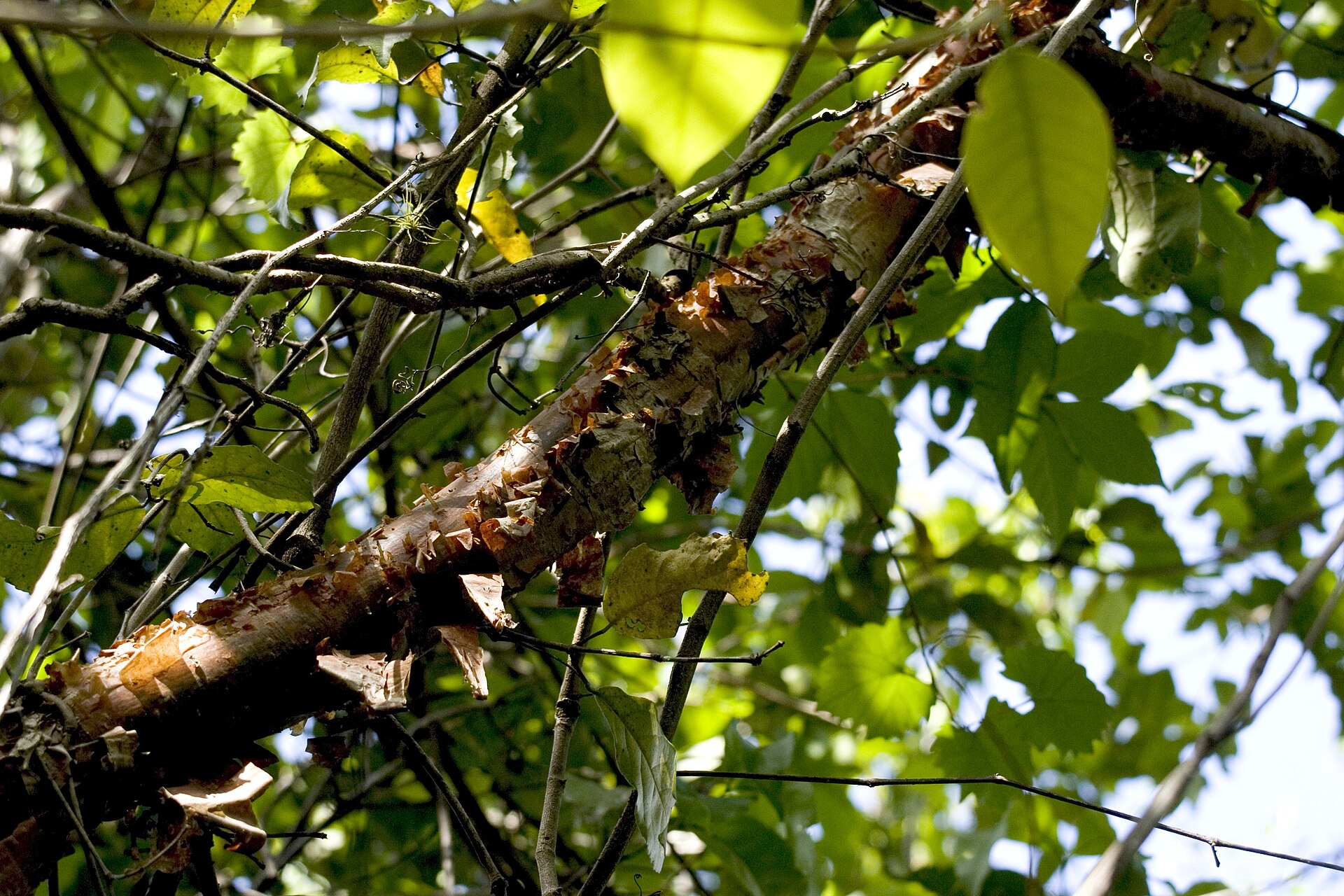
Gumbo limbo is a fast-growing, medium to large tree with a smooth, peeling bark that flakes off in papery sheets to reveal a shiny, copper-red trunk underneath, which is why it is called the tourist tree: it looks sunburned and peeling. Its leaves are compound and glossy, and in fall they turn yellow before dropping, giving it a brief deciduous moment in an evergreen landscape.
In a garden it reaches 25 to 40 feet with a broad, spreading crown, and it grows fast enough to give shade in a few years rather than a decade. It is famous for rooting from cuttings: a fence post cut from a gumbo limbo can sprout and become a tree, which is a story every south Florida gardener has heard, and it is true.
Why this variety
Choose gumbo limbo when you want fast shade in south Florida without planting an invasive tree. It is native, it grows quickly, it tolerates salt and drought once rooted, and its peeling bark gives a garden character in every season, not just when it flowers.
It is also a hurricane-wise tree in the sense that it bends rather than snaps: its wood is soft and its branches are flexible, so it often survives storms that break harder trees, and it resprouts vigorously if it is damaged. A tree that recovers is worth more than a tree that never falls but never recovers.
How to grow
Plant in full sun in well-drained soil, in fall or spring. Dig a hole twice the pot width, water deeply, mulch, and stake only if the site is very windy. Give it room for a broad crown; a gumbo limbo planted 10 feet from a house will spend its life being cut back.
Prune in spring to shape it, removing crossing branches and raising the crown gradually if you want clearance underneath. It tolerates pruning well, and a young tree can be shaped into a single trunk or a multi-stemmed form.
Water & feeding
Water deeply once or twice a week while it establishes, then water in extended drought. Once rooted, gumbo limbo is drought tolerant and handles sandy and limestone soils, but it grows fastest with even moisture in its first years.
Feed with compost in spring. It is not a heavy feeder, and fast growth in rich soil can make soft branches that are more storm-prone, so do not push it with heavy fertilizer.
Common problems
Freeze damage: gumbo limbo is a south Florida tree. A hard freeze will damage or kill it, so in central Florida plant it only in a sheltered, warm microclimate and accept the risk.
Too large for a small yard: it is a medium to large tree. If you have a small lot, plant a small tree instead of shearing a gumbo limbo for life.
Bark peeling on walkways: the peeling bark drops in sheets. Rake it if it falls on a walkway, or let it be in a naturalized bed where it breaks down.
Resin on skin: the sap can irritate sensitive skin. Wear gloves when you prune, and wash your hands after.
Harvest
There is no edible harvest. The harvest is fast shade, peeling bark that looks good in every season, and a tree that recovers from storms instead of needing to be replaced.
If you want to propagate it, try the famous fence-post trick in a pot, not in a fence line: a cutting rooted in a pot becomes a tree you can plant where you want it, rather than a surprise tree where you did not.
Saving seeds
First, the stewardship rule, because gumbo limbo is a Florida native and this tree is at its northern range edge here: save seed only from garden-grown trees, your own or a friend’s, with permission, and never strip a wild tree. Birds do most of the dispersing in the wild, carrying the red fruits away and dropping the seed, so leaving plenty of fruit on the tree is not generosity, it is the tree doing its actual job in the landscape. A tree grown from a cutting is a fine tree, but it is not a seed tree, and a garden that saves seed is a garden that is thinking in generations, not seasons.
Gumbo limbo is dioecious, which is the polite botanical way of saying the boys and the girls live on different trees. A female tree needs a male tree flowering nearby or it will make showy fruit with no viable seed inside, so if your tree has never set seed, that may be the whole explanation rather than anything you did wrong. When fruit does set, wait until the small capsules split and show the red aril around the seed; that red flash is ripeness talking. Collect the ripe fruit, rub or rinse away the soft red coating, and rinse the hard seeds clean. The sap can irritate sensitive skin, so gloves are not optional theater here, they are the sensible move, and wash your hands after handling fruit and cuttings alike.
Do not dry-store these seeds and forget about them. Gumbo limbo seed is orthodox in storage behavior, meaning it tolerates drying, but its useful life is short: sources report viability for around ten months when kept cool, dry, and dark, so this is a save-it-and-sow-it seed, not a seed-bank seed. Sow fresh seed soon after cleaning, in a warm, well-drained mix, kept moist but not soggy, and kept warm. Germination is famously uneven: one forestry source reports about 40 percent germination within about twenty days, while other growers report sprouts spread over a few weeks to a month, so sow more seed than you think you need and do not declare a batch dead until it has had a good warm month. A light nicking of the hard coat or an overnight soak in warm water is sometimes recommended, but many growers get germination with no pretreatment at all, so treat pretreatment as an experiment on part of your batch, not a requirement.
Seedlings will not be identical to the parent tree, and that is a feature as much as a warning: every seedling is a new genetic shuffle, which is how a species stays resilient. If you need an exact copy of a particular tree, cuttings are the faithful route, and gumbo limbo is almost comically good at them; branches, even large ones, root when stuck in soil, which is why living fences made of gumbo limbo limbs are a real tradition. Some researchers suggest seed-grown trees may stand up to hurricane winds better than cutting-grown ones, a claim worth repeating with the word “suggest” attached, since a seed-grown tree builds its own root system from scratch. For a Florida garden, the honest summary is this: save seed for diversity and for fun, take cuttings for certainty, and in either case, give the young tree the room it will eventually demand.