
🌳 Hackberry
What it looks like
How to grow
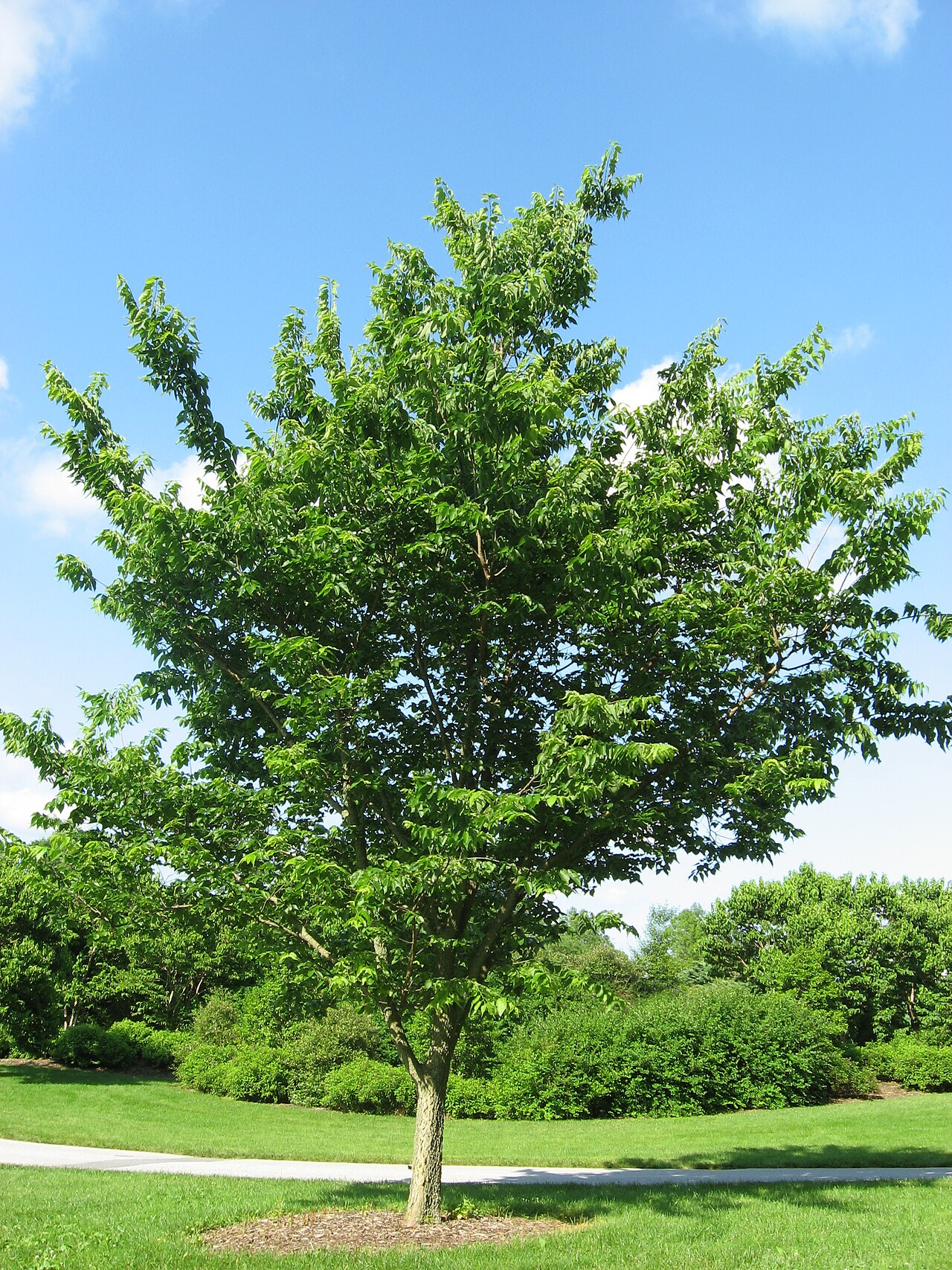
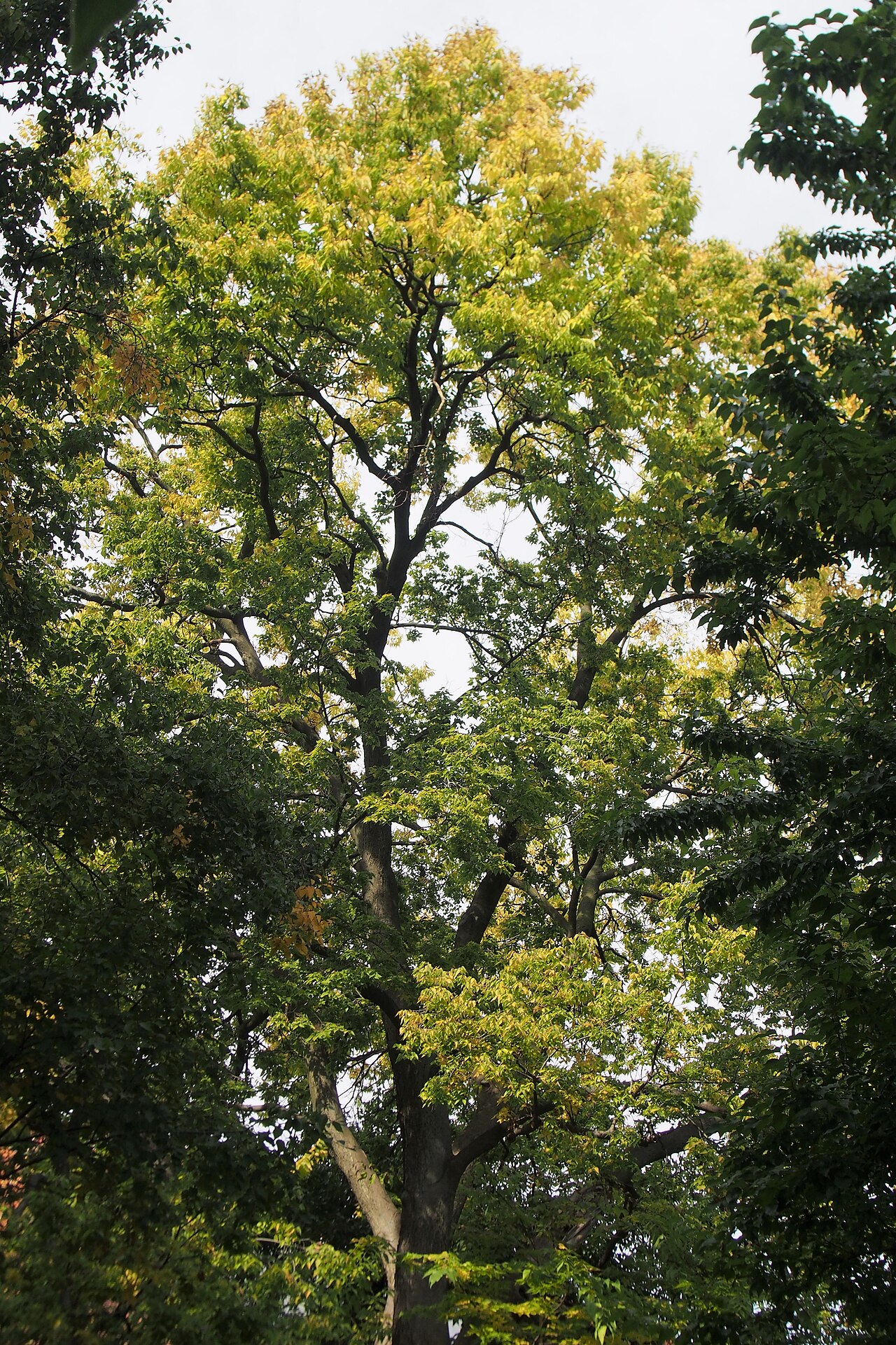
Common hackberry is the tough native shade tree for gardeners who have already killed fussier trees: 50-70 feet tall with a broad, elm-like crown, warty grey bark, and small dark drupes that birds devour in autumn. It grows in clay, sand, rock and loam, in wet or dry ground, and tolerates alkaline soil, wind, salt and pollution that would finish most trees. Plant in full sun in spring or fall, give it the full 30-50 feet of room it will want, and do not plant it over a patio you like to keep clean, because the fruit drops. Its southern cousin sugarberry (Celtis laevigata) is the better pick for the Deep South bottomlands.
Water & feeding
Water deeply once a week through the first season, then leave it alone: hackberry is remarkably drought tolerant once established. It needs no regular feeding — compost at planting is plenty — and it transplants easily as a young tree.
Common problems
- Witches’ brooms — dense, twiggy clusters that disfigure branches but rarely kill the tree; prune out the worst for looks.
- Hackberry nipple gall and other leaf galls — cosmetic bumps caused by tiny insects; they look alarming and matter very little.
- Leaf spot and powdery mildew in wet years — rake leaves and let air move; serious defoliation is uncommon.
- Fruit litter on walks and drives — site the tree over lawn or beds, not paving.
Notes
Hackberry is a host plant for the hackberry emperor, question mark and American snout butterflies, and its fruit feeds birds and mammals through autumn — one of the highest wildlife-value shade trees you can plant in the eastern and central United States.
Browse all plant & pest guides
Saving seeds
This is a genus-level method for Celtis, the hackberries, applied here to common hackberry (Celtis occidentalis) and its southern cousin sugarberry (Celtis laevigata), which this guide names as the better Deep South pick. The two behave much the same in the seed tray, with one southern exception noted below, so if you are saving from a named tree, write the species on the label, not just “hackberry,” and if you are saving from a named cultivar, read the last paragraph first, because it changes everything.
Collect in fall, from early autumn onward, when the small drupes have turned from green through reddish-orange to a dull rusty brown or dark purple-black, depending on the species, and they strip easily from the branches by hand or by flailing branches over a sheet spread on the ground. Fruit often hangs on the tree well into fall and sometimes into winter, so there is no need to rush, but there is a need to beat the birds, who regard your seed crop as their autumn buffet; leaving a generous share for them is good wildlife gardening, and taking every last drupe is not. The thin, sweet pulp around the pit is edible and has been nibbled by people for thousands of years, but for seed saving the pulp is the enemy: sources report that the coating can inhibit germination, so clean it off. Rub the fruit in water, or mash and rinse it over a screen, until you have clean, hard pits, and spread them to dry briefly so they do not mold in storage.
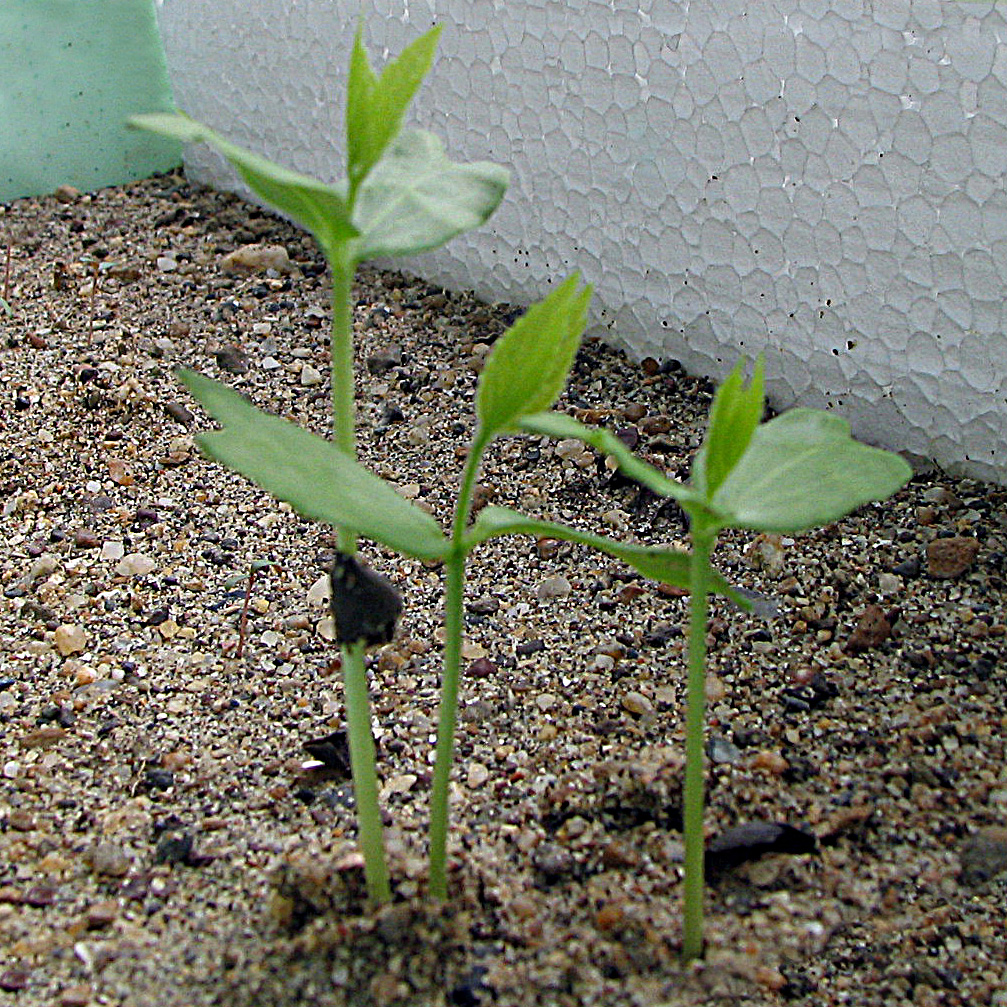
Here is where hackberry tests your patience, because the seed is dormant and will not simply sprout because it is warm and wet. The standard treatment is cold, moist stratification: mix the cleaned pits with damp sand or peat, seal them in a bag, and refrigerate them for about three to four months, roughly 90 to 120 days in the forestry literature. Alternatively, sow untreated seed outdoors in fall and let winter do the stratifying for you, which is the lower-effort route and often the more reliable one. In the southernmost part of sugarberry’s range, sources note that little or no stratification may be needed, though depulping still helps a great deal, so a Florida gardener sowing sugarberry seed can reasonably try a fall sowing with no fridge step and see what happens. Sow stratified seed in spring, about half an inch to an inch deep, in prepared beds, mulched and protected from rodents, and do not panic if some seed waits a second year; staggered germination is normal in this genus.
For storage, hackberry seed is forgiving by tree-seed standards. Cleaned, dry seed stored cool and dry in a sealed container keeps for several years, with some references reporting up to about five years. In Florida humidity, dry the pits thoroughly before jarring them, add a desiccant packet, and keep the jar cool and dark; damp storage is how a good seed lot turns into a moldy one. Seedlings will be true to their species in the broad sense, but not identical to a particular parent, and named cultivars such as Prairie Sentinel must be propagated by grafting or cuttings, never by seed, if you want that narrow, upright form. Finally, expect volunteers: hackberry self-sows with enthusiasm, so a seed-saving gardener should also be a seedling-pulling gardener, at least along walks and drives.
Varieties
Every named variety of Hackberry with its own growing guide:
- Prairie Sentinel Hackberry — The narrow hackberry for tight streets and small yards: tough, upright, and unbothered by clay, drought or city grime.