
🟣 Hancock Beach Plum
What it looks like
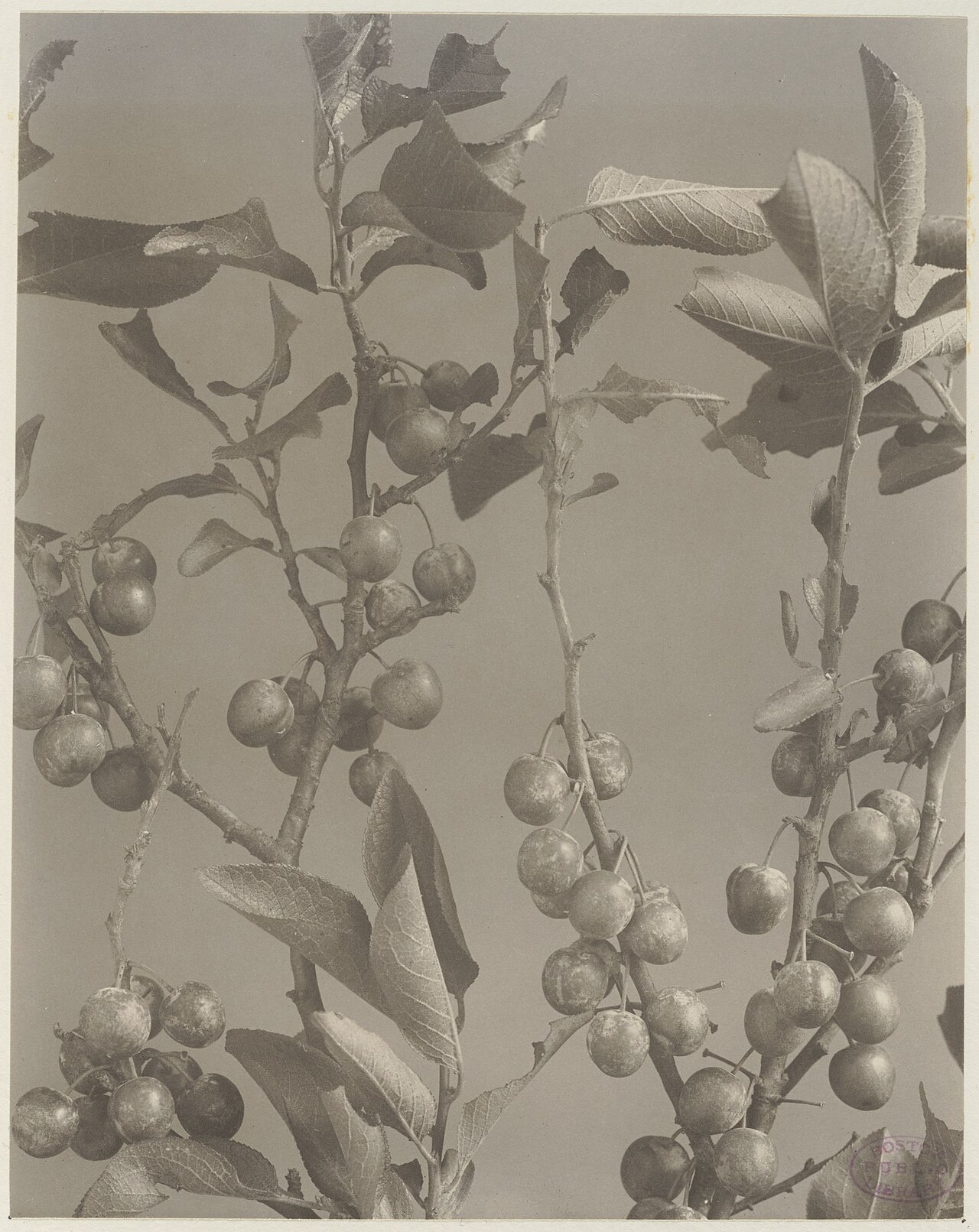
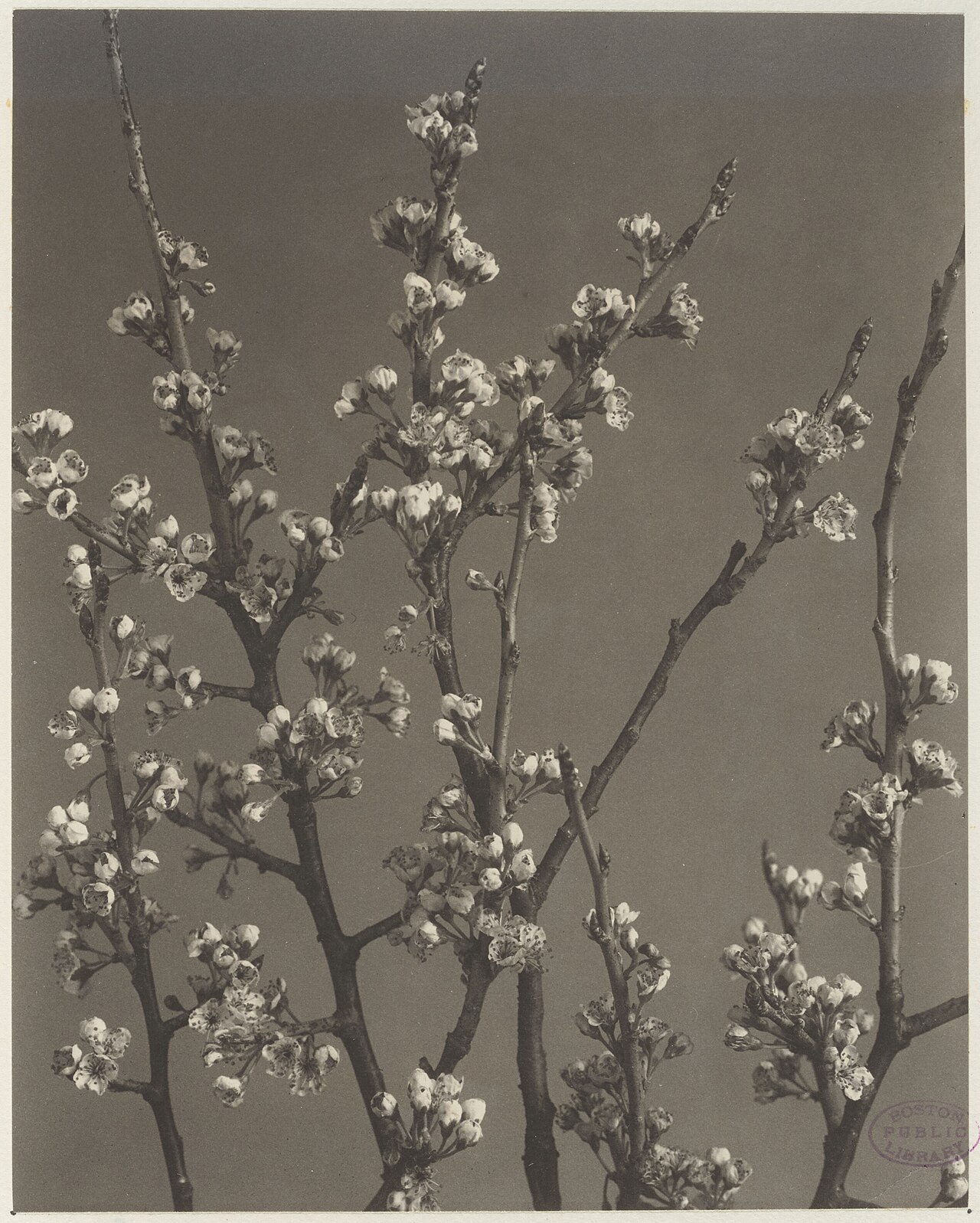
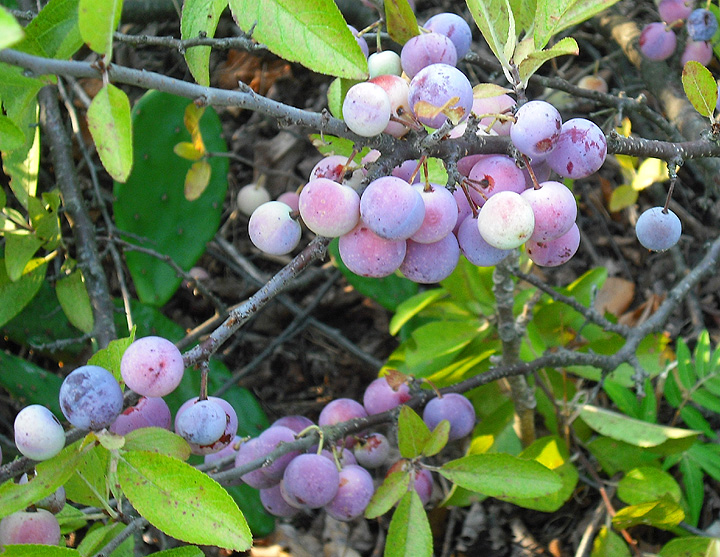
Why this variety
Hancock is the early-ripening beach plum selection, and early matters when your competition is every bird in the county. The fruit is sweet and juicy with golden flesh and little acidity, and it is one of the beach plums most often described as excellent eaten raw — a distinction in a species whose fruit is usually destined for the jam pot. Early plus sweet plus good fresh is a combination that makes Hancock the pick for gardeners who want to eat some of the crop before preserving the rest.
Like other beach plums it is a tough, rounded coastal shrub, tolerant of sand, salt, and poor soil. Plant it with another selection for pollination — beach plum is not self-fertile — and pair it with a later selection like Eastham and you stretch the harvest across the season instead of getting one frantic week of jam-making.
Early-ripening, sweet, juicy, golden-fleshed fruit; good fresh as well as for preserves. Needs another beach plum nearby for pollination.
How to grow
Grow as for other beach plums: sun, sand, drainage, light pruning after fruiting. Netting is not vanity with beach plums — birds know exactly when Hancock ripens, often a day before you do, so net before the fruit colors fully if you want to taste it.
Plant grafted trees while dormant in late winter or early spring, in full sun and deep, well-drained soil. Stone fruit drowns in wet feet faster than almost any other fruit group, so drainage is the whole game: raised ground beats a hollow every time. Prune to an open vase in the first few years so light and air reach the interior wood where fruit forms, and keep the graft union above soil level.
Florida framing, stated plainly: Hancock shares Eastham’s North Florida trial-only status, with the same caveats — chill needs, heat, and humidity working against reliable fruiting. Its early ripening is a small advantage in a trial, getting fruit off before peak summer stress. North Florida, sandy and sunny, with a pollination partner, and judged over several seasons.
Water & feeding
Water young trees deeply through their first two growing seasons, then water consistently through fruit development — uneven watering makes fruit split and drop. A thick mulch ring (kept off the trunk) holds moisture and suppresses weeds, and worm castings worked into the planting hole and as a spring top-dress feed the soil biology that stone fruit rewards. Skip heavy nitrogen after fruit set: it buys leaves at the expense of fruit.
Common problems
- Brown rot — the classic stone-fruit fungus, worst in warm, humid weather. It rots blossoms and fruit and overwinters in mummified fruit left on tree or ground. Sanitation (remove mummies, fallen fruit, and diseased wood) matters more than any spray.
- Bacterial canker and black knot — swollen, black growths on branches. Prune well below the swelling in dry weather and dispose of cuttings off-site; do not compost them.
- Late frost on open bloom — one hard freeze after a warm spell ends the crop. Site trees where cold air drains away, not in frost pockets, and accept that some springs will simply be lost.
- Birds and squirrels — they know ripeness a day before you do. Net before fruit colors fully if you want to taste the crop.
- Peach tree borer and other borers — sawdust-like frass at the trunk base is the sign. Keep trunks healthy, avoid mower wounds, and remove infested wood.
Harvest
Pick when fruit colors fully, yields very slightly to pressure, and smells fragrant — stone fruit picked hard never develops full flavor, and fruit picked soft bruises in the basket. Taste one before harvesting the whole tree. Use fresh within days, or preserve promptly: jam, drying, freezing, and baking all suit stone fruit, and a glut handled the same week beats a glut left to rot on the tree.
Browse all plant & pest guides
Saving seeds
Hancock is the early-ripening beach plum selection, sweet and juicy with golden flesh, and it is planted as a grafted tree — a seedling won’t hold the early ripening or the fresh-eating quality, and beach plum is not self-fertile, so plant it with another selection for pollination. The Saving seeds section of the Beach Plum guide covers seed for the species generally.