
🌸 Hawthorn
What it looks like
How to grow
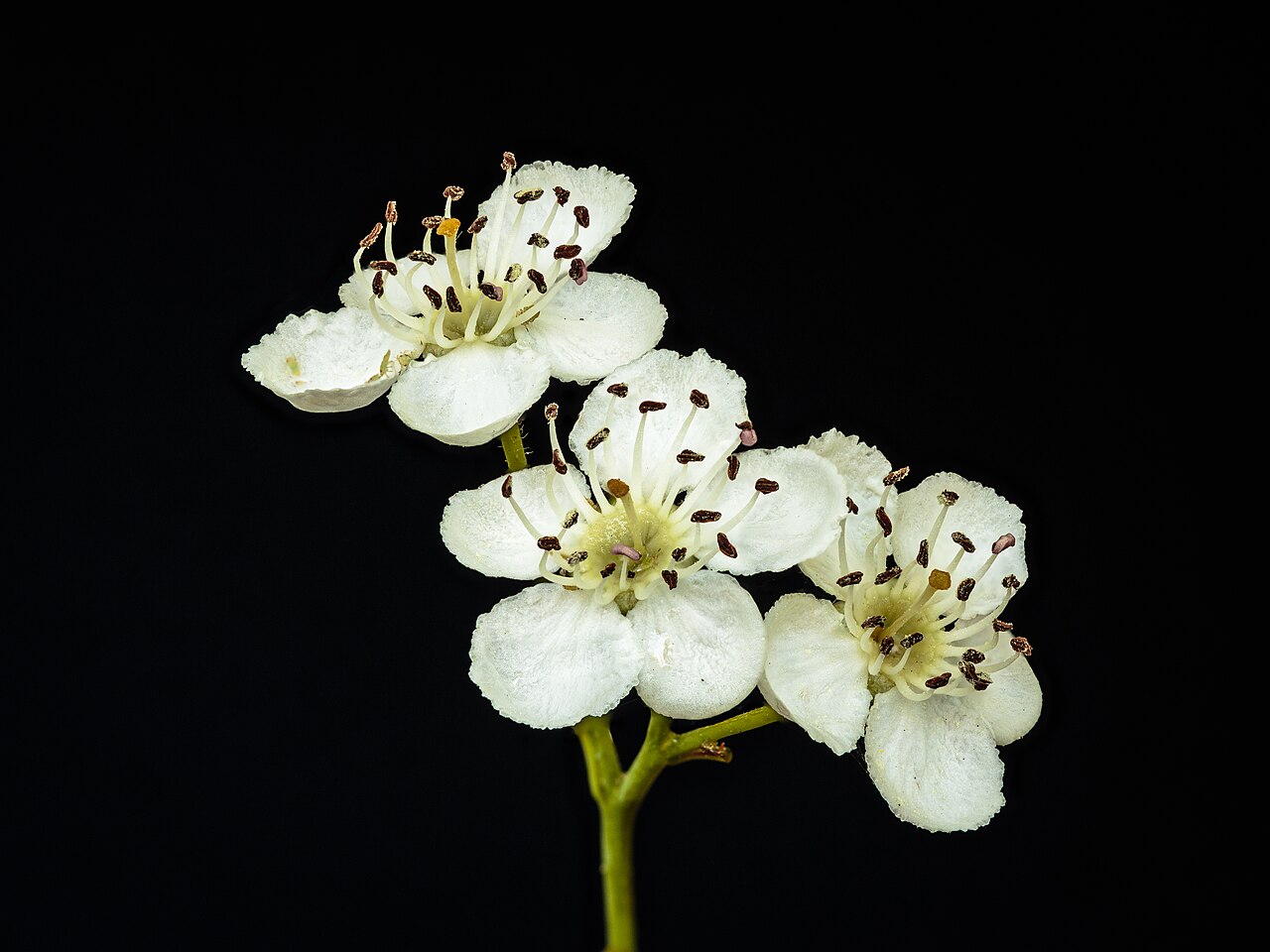
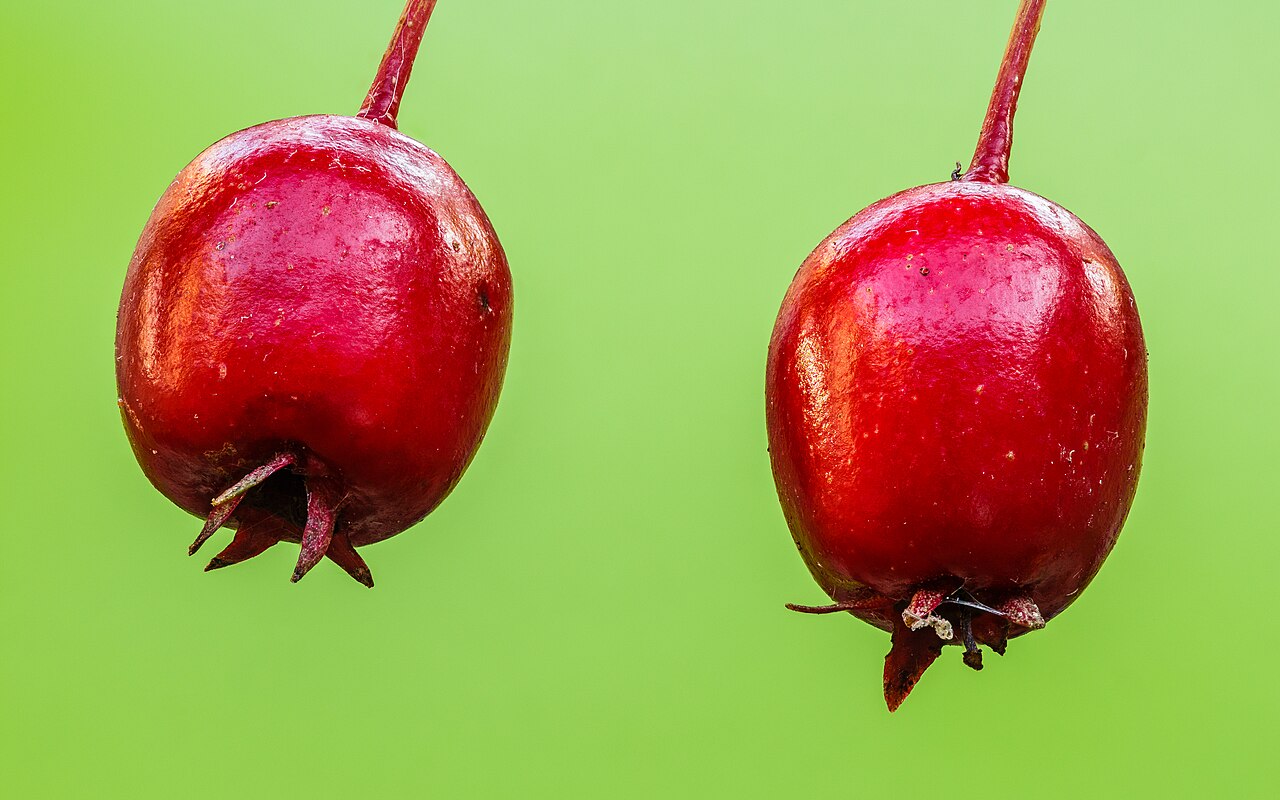
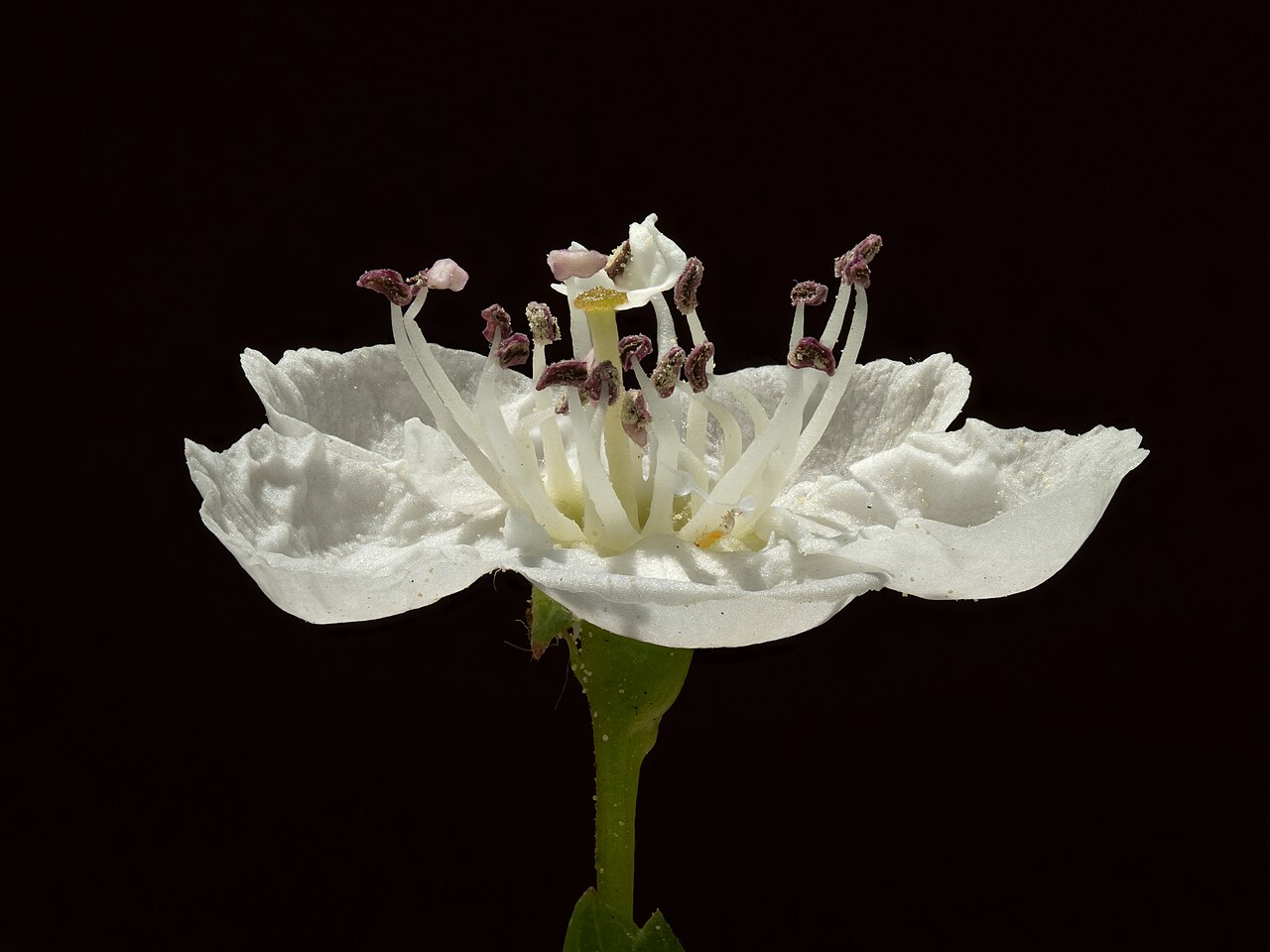
Hawthorn is a genus, not a single tree, so buy by species and cultivar for your region: the common garden forms are small trees or large shrubs, 15-30 feet tall, with white or pink spring flowers followed by red berries (haws) that hang on into winter for birds. Plant in full sun for the heaviest flowering and fruiting, in well-drained soil; hawthorns tolerate clay, poor soil and drought once established, but they sulk in waterlogged ground. Space trees generously for air movement, wear thick gloves for pruning, and site thorny forms away from paths where children run — the thorns are long, sharp and not a joke.
Water & feeding
Water deeply the first year, then water only in prolonged drought; hawthorns are famously tough once settled. A spring mulch and an occasional light feed is all the fertilizer most need, and overfeeding pushes leafy growth at the expense of flowers and berries.
Common problems
- Fire blight — prune infected shoots well below the damage in dry weather and disinfect tools between cuts.
- Cedar-hawthorn rust — avoid planting near junipers and red cedars where rust is a known problem, and remove badly spotted leaves.
- Leaf spot and powdery mildew — improve air circulation with spacing and thinning, and rake fallen leaves.
- Aphids on new growth — usually checked by ladybirds; blast with water before reaching for sprays.
Notes
Haws are edible, though mealy and seedy, and have a long history in jellies and teas; if you plan to eat them, be sure of your species and avoid trees that have been sprayed. For most gardeners the real crop is wildlife: flowers for pollinators in spring, berries for birds in winter.
Saving seeds
This is a genus-level method, stated up front: hawthorns are the genus Crataegus, with many species and hybrids, and the details below describe the genus as a whole rather than one single species. The broad pattern holds across the common garden hawthorns, but exact timing varies by species, so treat the ranges given here as the honest spread, not a promise for your particular tree.
Start with a warning that is also a compliment: hawthorn seed is armoured. Each seed sits inside a stony, woody endocarp, the little stone at the heart of the haw, and the embryo inside is dormant on top of that. Botanists call this double dormancy, and gardeners call it the reason a pot of hawthorn seed can sit there looking smug for a year. The way through is a warm spell followed by a cold spell, mimicking a summer and a winter in the soil. Collect ripe haws in autumn, when they are fully coloured and soft, mash them in water, and float off the pulp, repeating until the stones run clean. A few days fermenting in their own pulp may help break down germination inhibitors, but do not leave the mash to rot into a science experiment.
For stored seed, the usual home routine is about three months of warm, moist stratification, around room temperature in damp sand or peat, followed by about three months of cold, moist stratification in the refrigerator, with the ranges in the literature running roughly two to four months warm and three to five months cold depending on species. Check the mix regularly: damp, not wet, and discard anything that turns to mush. Sow the stratified stones shallowly, about half an inch deep, in a nursery bed or deep pots in spring, and then practise the gardener’s hardest skill, which is patience. Some seed will sprout in the first spring, much of it will wait until the second, and germination can stay erratic for well over a year, which is normal and not a verdict on your competence. The simpler route, and the one this guide recommends for most gardeners, is to sow fresh seed outdoors in autumn in a cold frame or nursery bed and let nature run the warm-plus-cold sequence for you, protecting the bed from mice, which regard hawthorn stones as a winter larder.
Cleaned seed kept cool can stay viable for a couple of years, but fresh seed sown promptly is the most reliable. Seedlings are variable and will not reproduce a named cultivar, so grafting or cuttings are the way to copy a particular tree, and seedling trees take several years, often five to eight, before they first fruit. Keep the parentage in mind too: if several hawthorn species flower together, bees will cross them, so save seed from an isolated tree if you want the offspring to resemble the parent. One last practical note: wear gloves and eye protection when handling thorny prunings, and be sure of your species and spray history before eating any haws. In Florida, dry any stored seed thoroughly and keep it airtight with a desiccant in a cool, dark place, because humidity plus a warm shelf is how stored seed quietly dies.