
☀️ Helos St. John’s Wort
What it looks like
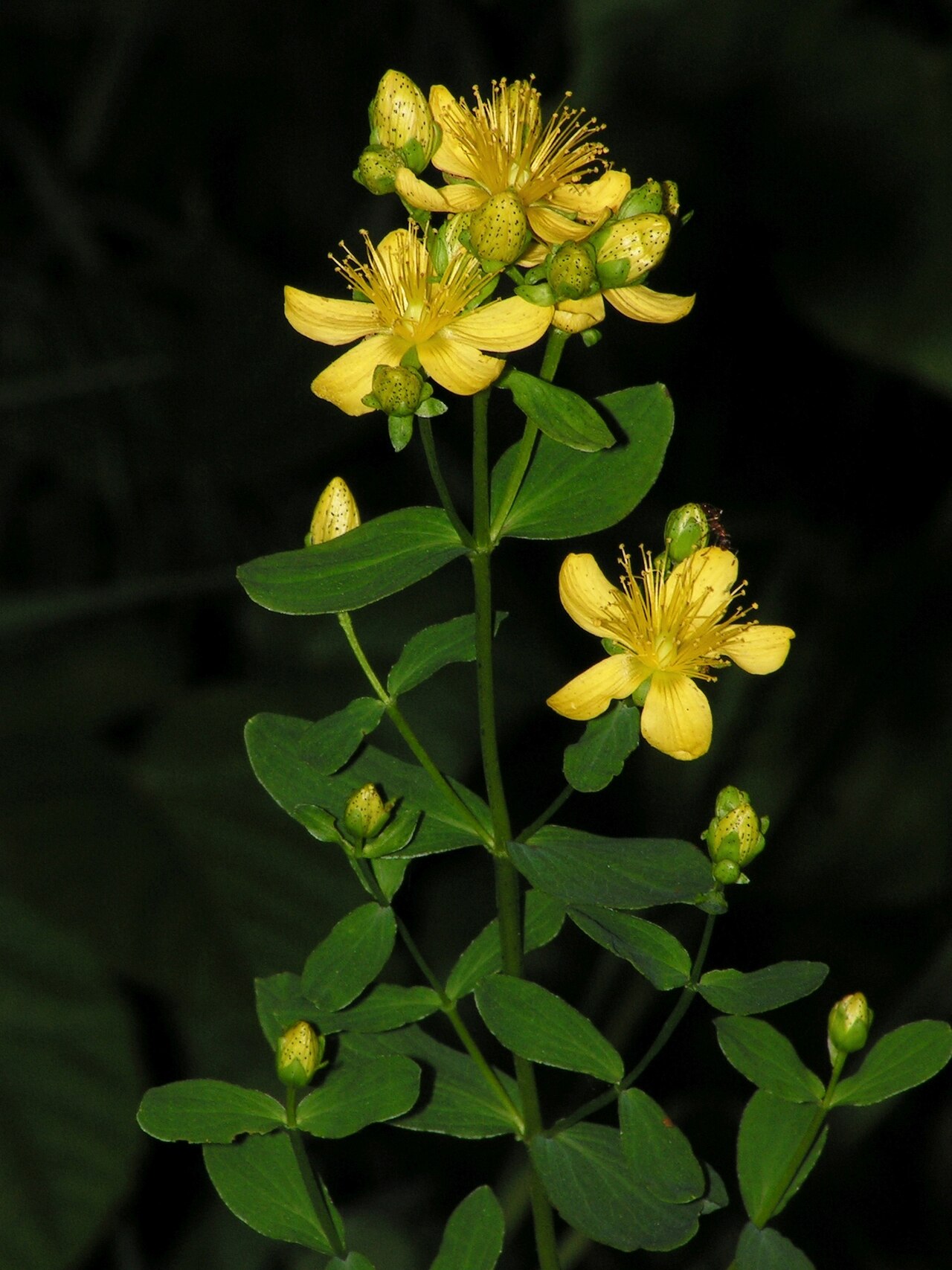
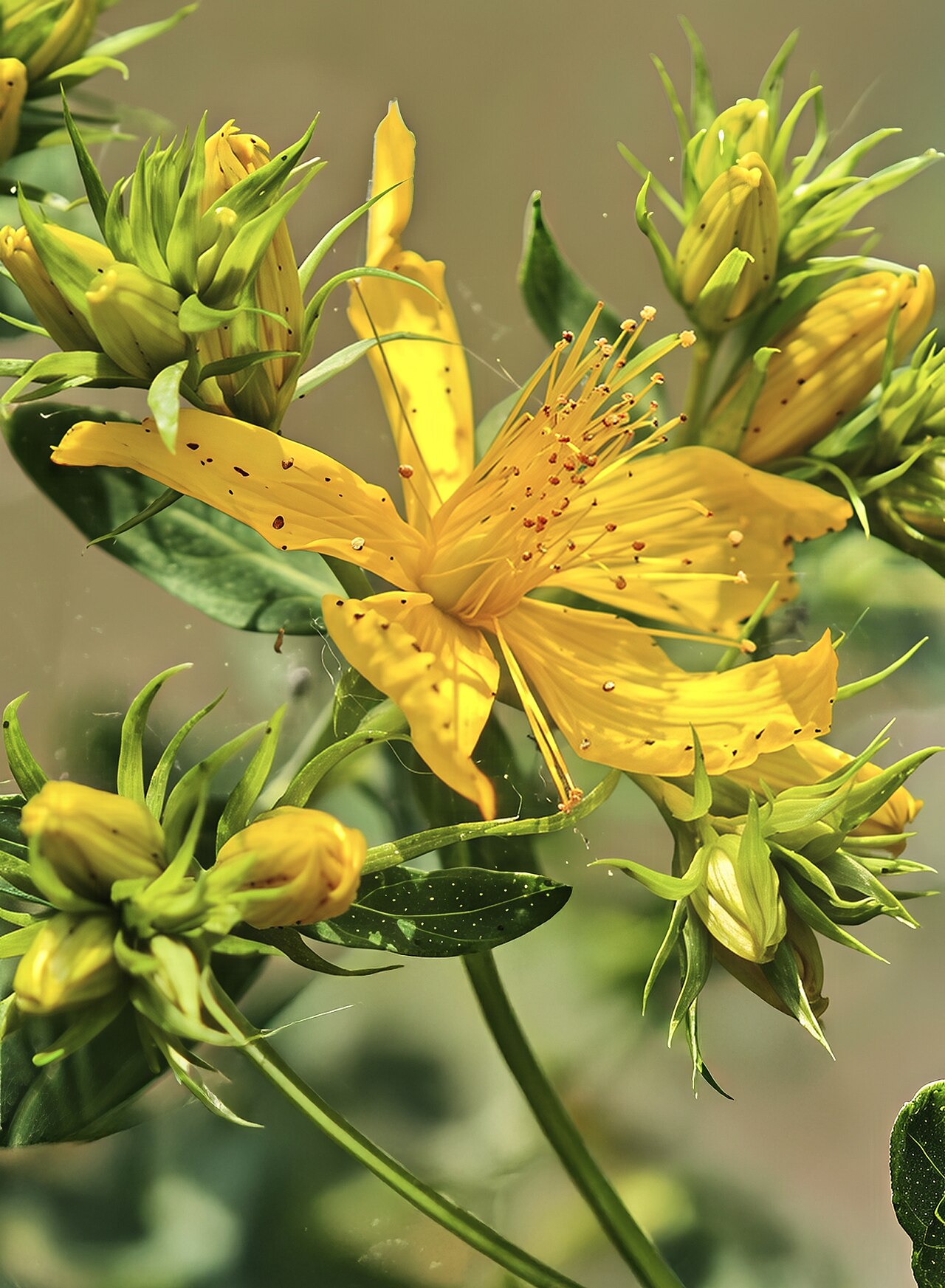
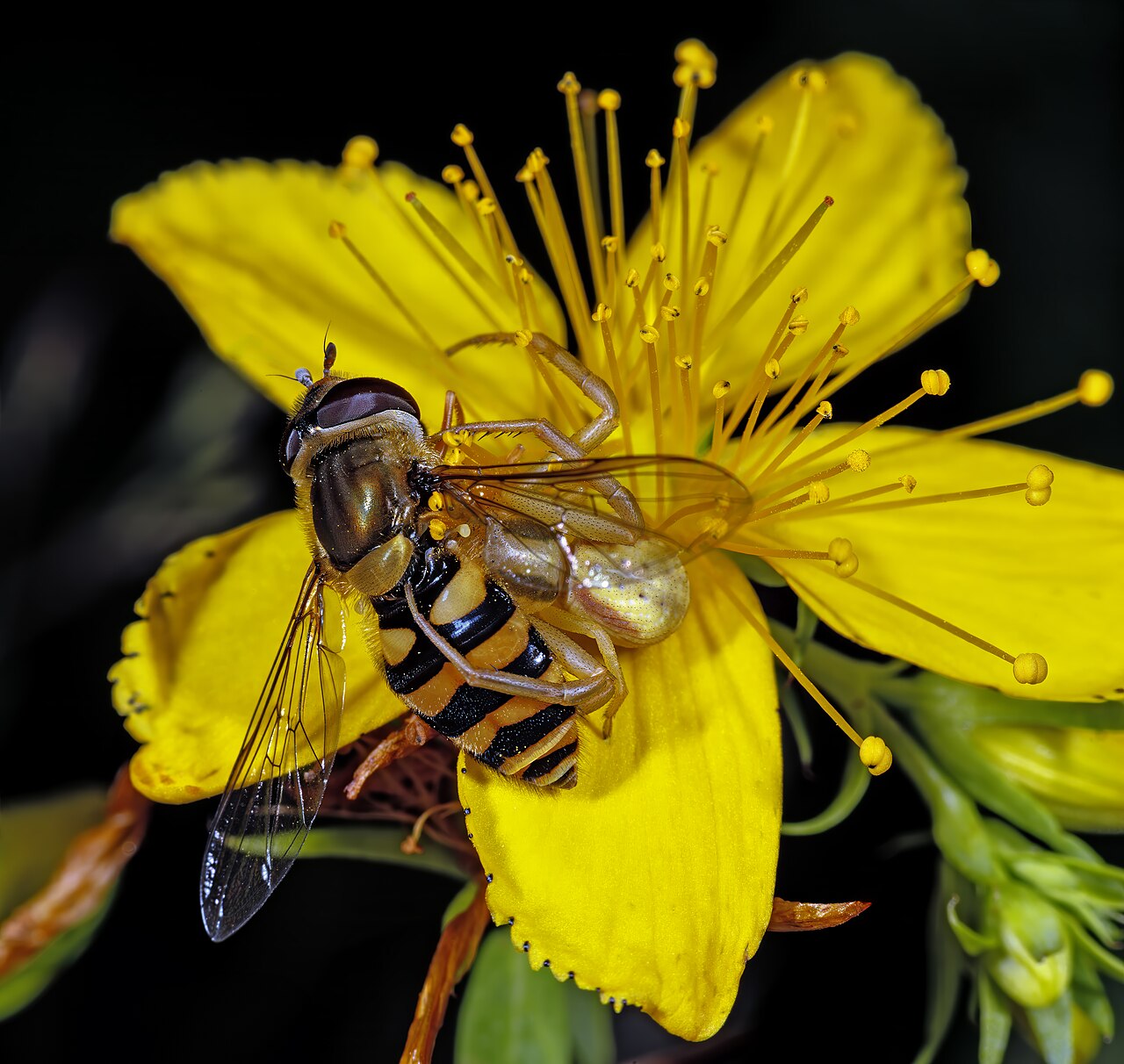
Why this variety
Helos is a named field cultivar of common St. John’s wort bred for tolerance to anthracnose, the fungal disease that spots leaves and weakens plants in wet weather. In a humid garden that one trait matters more than any flower claim, because a St. John’s wort that collapses by midsummer gives you no flowering tops at all. Helos was selected to keep growing through disease pressure that flattens unimproved seed lots.
Otherwise Helos is true to the species: bushy, about 2 to 3 feet tall, narrow perforated leaves, and a flush of bright yellow flowers in early summer that bees work eagerly. Grow it for the same purpose as Topas, the flowering herb, and choose between them on disease pressure: where summers are wet and fungal, Helos earns its place.
If you are new to choosing between cultivars, the Varieties Matter guide explains why the name after the plant matters as much as the plant itself. Helos is a perfect example: it is not just a st. john’s wort in the abstract, it is a st. john’s wort with a specific job, a specific history, and specific strengths.
Florida framing, stated plainly: St. John’s wort is a North Florida trial, not a statewide perennial, and Helos does not change that. Its anthracnose tolerance helps in humidity, but heat, self-seeding, and rhizome spread still demand a contained bed and deadheading before seed ripens. Never plant it near natural areas.
How to grow
Start seed indoors 6 to 8 weeks before the last frost, surface-sowing, because the tiny seeds need light, or direct-sow after frost danger, or propagate from cuttings or division in spring. Plant in full sun to part shade in well-drained soil, work worm castings into the bed at planting, and give it a contained bed or edging, because St. John’s wort spreads by rhizomes and seeds itself with enthusiasm. Space plants 24 to 36 inches apart and do not plant it near natural areas.
Set plants 24-36 inches apart in soil with a pH around 6.0-7.5. Work worm castings into the bed at planting and mulch to hold moisture. A well-fed st. john’s wort plant rewards that care directly: steadier growth, better bloom or fruit, and a show that actually shows up.
Water & feeding
Water while establishing and during dry spells; once settled, St. John’s wort is drought-tolerant and sulks in soggy soil. Water at the soil line, mulch lightly, and feed lightly: castings at planting plus a spring top-dress is enough, because rich soil makes floppy growth. Deadhead before seed ripens if you do not want volunteers, and cut plants back in late winter before new growth starts.
Common problems
- DRUG INTERACTIONS — St. John’s wort changes how the liver processes many medicines; talk to a clinician or pharmacist before using it medicinally, and do not combine it casually with prescription drugs.
- PHOTOSENSITIVITY — St. John’s wort can make skin and grazing animals sensitive to sunlight; wear gloves when handling large harvests and keep grazing livestock off it.
- AGGRESSIVE SELF-SEEDING — a single plant produces tens of thousands of long-lived seeds and spreads by rhizomes; deadhead before seed ripens and contain the bed.
- ANTHRACNOSE in wet weather — spotted leaves and weakened plants; Helos tolerates it best, and air, drainage, and soil-line watering help every variety.
- FAILURE in hot climates — heat shortens St. John’s wort life; in warm zones, treat it as a North Florida trial, not a permanent perennial.
Harvest
Harvest flowering tops in early summer, when flowers are fully open, cutting the top third of the plant and drying the harvest promptly in a warm, airy place out of direct sun. Do not harvest heavily in the first year, because the plant needs its first season to establish, and do not use harvested herb medicinally without talking to a clinician or pharmacist first, because St. John’s wort interacts with many medicines. Deadhead remaining plants before seed ripens if you do not want volunteers, and cut plants back in late winter.
Browse all plant & pest guides
Saving seeds
Whether Helos comes true from seed isn’t pinned down in the sources — it is a named field cultivar of common St. John’s wort selected for tolerance to anthracnose, so to hold that disease tolerance, propagate by cuttings or division rather than counting on saved seed. The Saving seeds section of the St. John’s Wort guide covers seed saving for the species generally.