
🌰 Hickory
What it looks like
How to grow
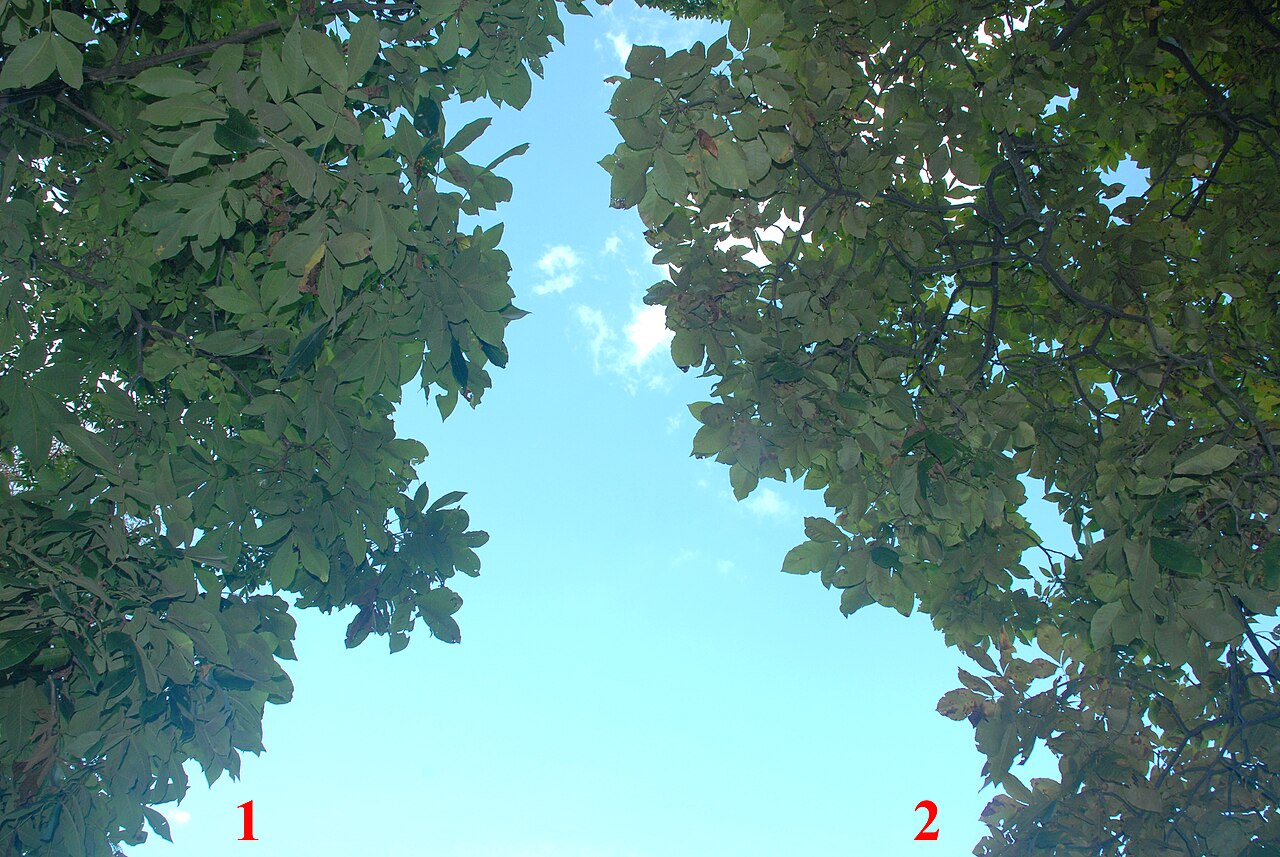
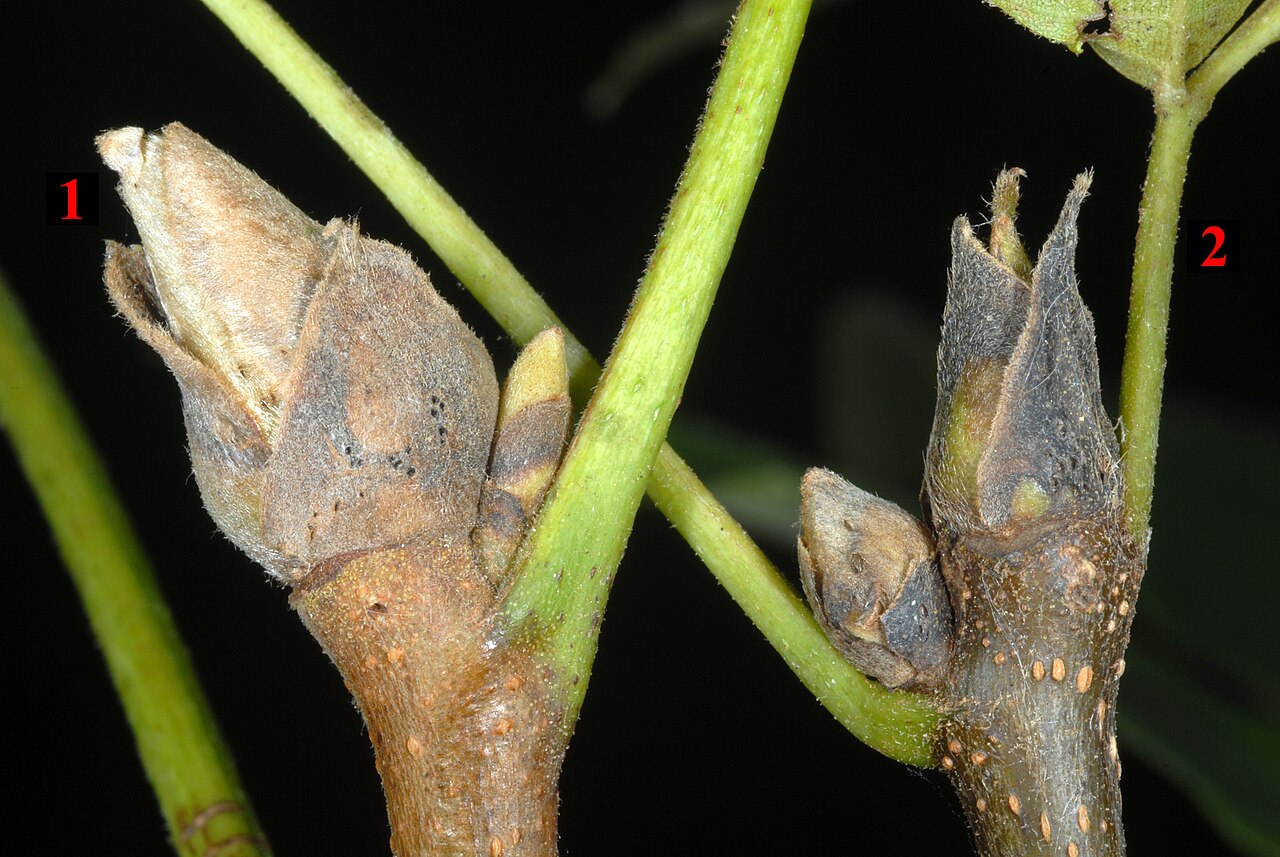
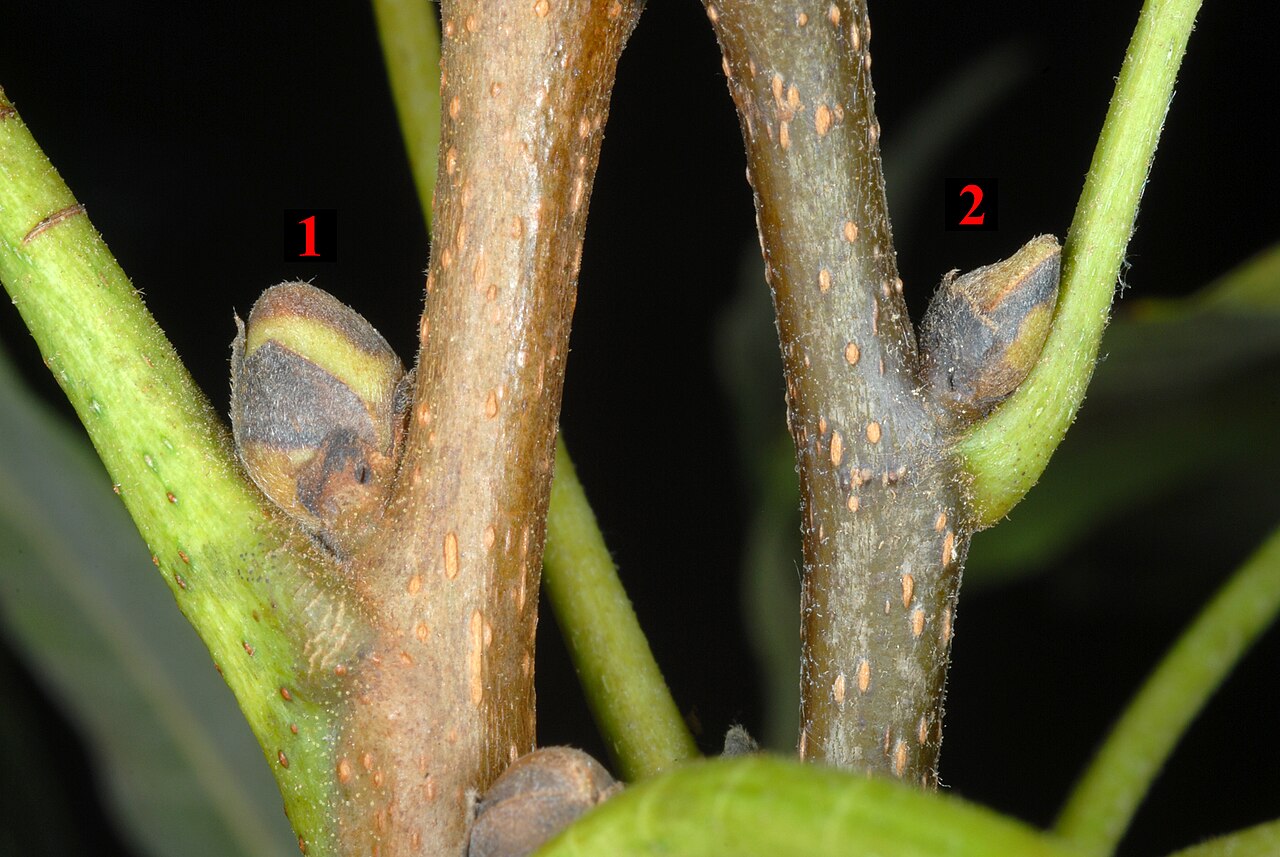
Hickory is filed here as a nut tree, but be honest with yourself first: it is also one of the great American shade trees, growing 60–80 feet tall with a broad crown, golden fall color, and bark that peels into shaggy gray strips on mature trees. That bark is not damage — it is the tree’s signature, and bats roost behind it. Plant hickory in spring or fall while dormant, in moist, well-drained soil; it tolerates clay, loam, and sand, and even occasional flooding or drought once established, but it hates being moved, because its deep taproot resents transplanting. Buy a young container tree, plant it where it can reach full size, and leave it alone. For nuts, plant two or more trees: cross-pollination generally gives a more abundant crop of better-quality nuts. Grafted cultivars of named varieties bear sooner than seedlings, which can take decades — this is a legacy tree, not a quick crop.
Water & feeding
Water young trees deeply and regularly for the first couple of years, especially in dry spells; mature trees are fairly drought-tolerant but still appreciate a deep soak in a long dry stretch. Mulch 2–3 inches around the base, kept off the trunk, to hold moisture. Hickory needs little fertilizer — compost or worm castings worked into the planting area is plenty, and heavy feeding just pushes soft growth.
Common problems
- Slow growth — normal. Hickory spends its early years building roots; patience is the whole technique.
- Transplant failure — the taproot makes moving established trees very difficult, so choose the final spot the first time.
- Nut litter — husks and nuts drop in fall; site the tree away from patios and driveways if you dislike sweeping.
- Few or no nuts — young trees, a lone tree with no pollination partner, or a heavy-crop year followed by a light one. Plant a second tree and wait.
Harvest
Nuts ripen in fall: the outer husk splits into four sections and drops the thin-shelled nut inside. Gather them promptly, before squirrels file their own claim, and dry them before cracking. The sweet kernels are excellent fresh, toasted, or baked — and every nut you miss is wildlife food, which is a perfectly good second use.
Browse all plant & pest guides
Saving seeds
The warning comes first, because it is the one mistake that quietly kills hickory seed: hickory nuts are recalcitrant, meaning they cannot survive being dried out. Do not dry-store them like bean seed. A nut left in a paper envelope on a shelf through winter is a dead nut. Hickory seed must stay moist from the moment it falls until it is planted or safely tucked into cold, moist stratification. Everything below follows from that one fact, and it is the difference between a tree and a disappointment.
Collect in fall, when the husk splits into four sections and drops the nut — or when a gentle shake drops it into your hand. Gather promptly, because squirrels run a highly efficient competing harvest operation. Remove the husk, discard nuts with cracks, holes, or insect damage, and float-test the rest in a bucket of water: sinkers are generally sound, floaters are usually hollow or damaged and can go to the compost. Soak the keepers in water for two to four days, changing the water once or twice a day to leach tannins, then either plant them straight away or stratify them. Do not crack the shell before planting — it protects the embryo, and a cracked nut is an invitation to rot.
Fall planting is the simplest route and the one nature uses: plant nuts about an inch to an inch and a half deep in well-drained soil, in their permanent spot if you can, because hickories grow a deep taproot early and resent transplanting. Protect them from rodents with wire mesh over the planting spot, or the squirrels will simply re-harvest your work. If you cannot fall-plant, use the fridge method: mix the nuts into moist (not wet) sand, peat, or vermiculite in a sealed bag or container, and refrigerate at roughly 33–40°F. Most references land on about three to four months of this cold, moist treatment, though sources disagree at the edges — some quote as little as two months for certain species and seed lots — so three to four months is the safe target, checking monthly that the medium stays damp and mold-free. In Florida this fridge route is not optional cleverness but the reliable route: our winters often do not deliver three to four months of steady chill, so the refrigerator stands in for a winter the nut never got.
After stratification, plant in spring in deep pots or in place, and be patient in a specific way: hickory puts its energy into the root first, so a pot can look completely inactive while a taproot is quietly colonizing the soil below. Germination may take weeks to a few months after planting, and a seedling that seems stalled is often just rooting. Grow seedlings on with steady moisture and full sun, protect them from browsing animals, and move them to their permanent home while young if they started in pots — the longer you wait, the more taproot you disturb.
Finally, the true-to-type truth: seedlings are genetically variable, and a nut from a named variety like Grainger will grow into a hickory, but not necessarily into Grainger. Named varieties are propagated by grafting, not by seed. Seed-grown trees also take years, not seasons, to bear nuts — this is a tree you plant for your grandchildren, as the guide already says, and the seed-saving version of that advice is to plant more nuts than you need, from more than one parent tree where possible, and let the best seedlings earn their place. A hickory that outlives you is a fine return on a bucket of nuts and a winter in the fridge.
Varieties
Every named variety of Hickory with its own growing guide:
- Grainger Hickory — A named shagbark hickory selection: sweet nuts, shaggy bark, golden autumn color, and a shade tree that pays rent.