
🍒 Highbush Cranberry
What it looks like
How to grow
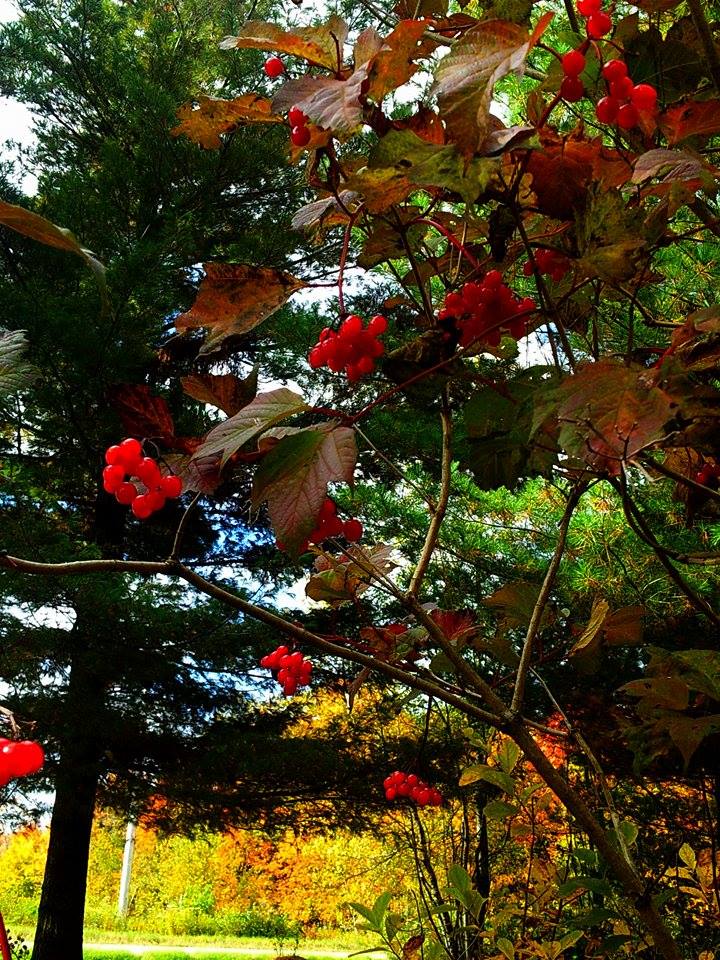
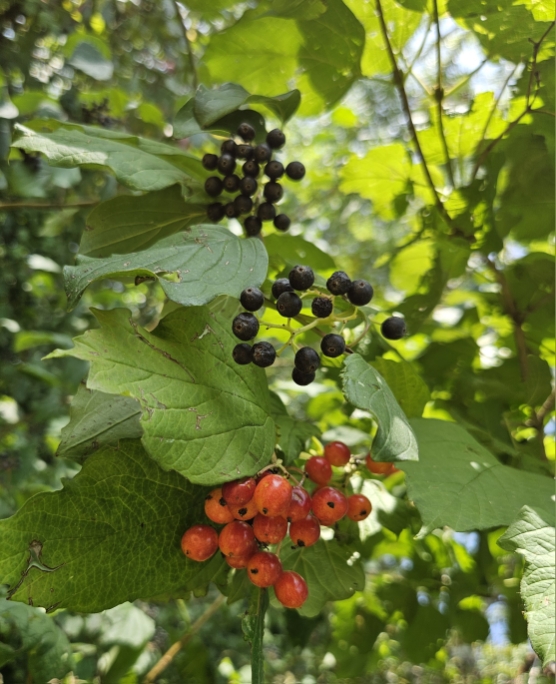
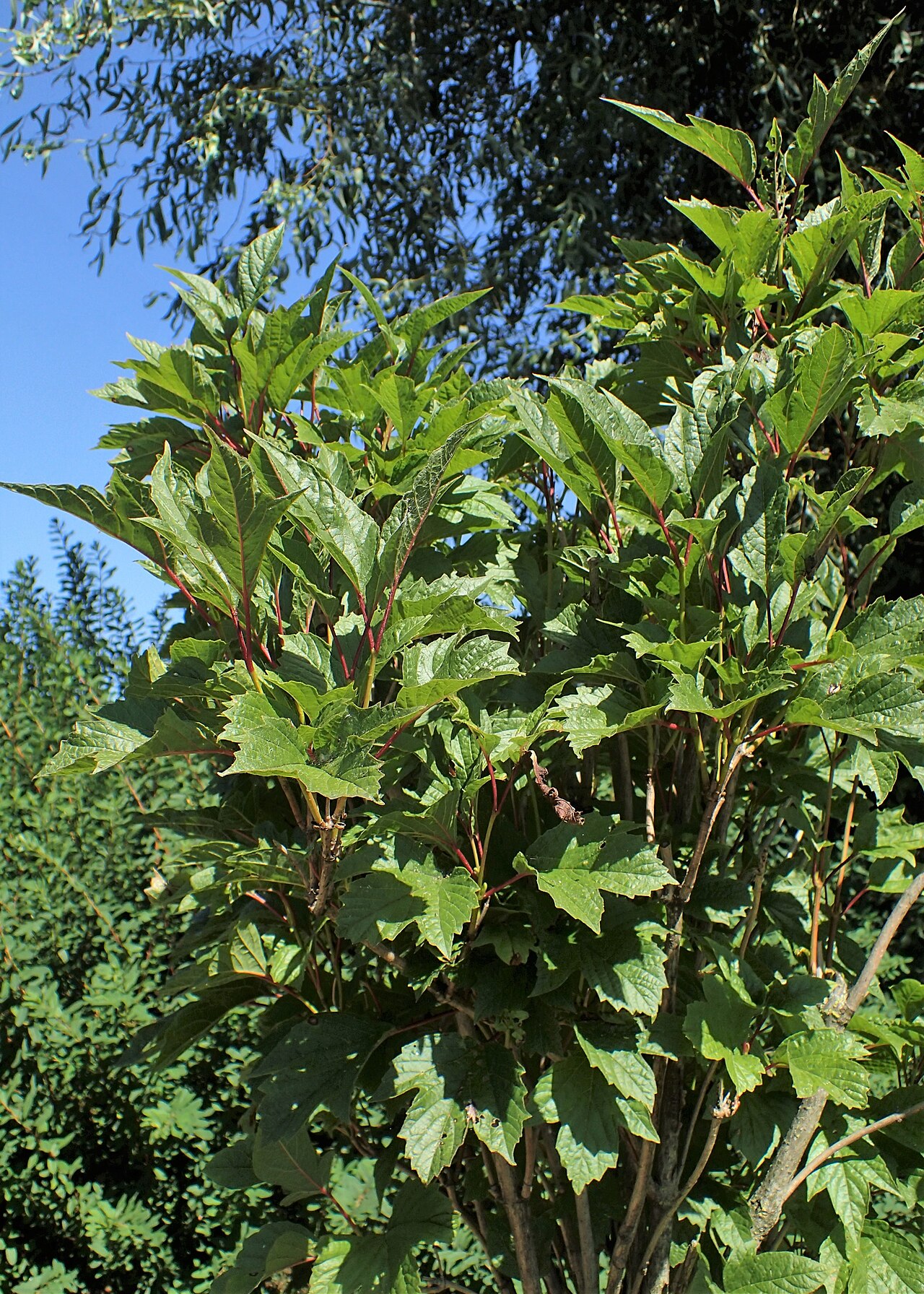
Highbush cranberry is an American native viburnum, not a true cranberry at all — it just makes red, tart fruit at cranberry time. It is a large deciduous shrub, 8-15 feet tall, with maple-like leaves, white lacecap flower clusters in spring, and drooping clusters of bright red drupes that persist into winter. Plant the American species, Viburnum trilobum (also listed as Viburnum opulus var. americanum), not the European guelder rose, whose fruit is bitter and unpleasant. It likes moist, fertile, well-drained soil and full sun for the heaviest fruit, though it tolerates shade and a range of soils. It is self-fertile, so one shrub fruits, and it makes a fine hedge, screen, or wildlife shrub. Prune after flowering to remove old wood and keep the shape open.
Water & feeding
Water regularly while young and in dry spells; highbush cranberry prefers steady moisture and dislikes prolonged drought. Mulch to hold moisture. Feed lightly in spring with compost; it is not a heavy feeder, and overfeeding makes soft growth.
Common problems
- Viburnum leaf beetle — skeletonized leaves in spring; hand-pick, prune infested twigs, and watch for larvae.
- Birds eating the crop — net if you want the fruit for yourself; otherwise, consider it wildlife rent.
- Drought stress — leaves wilt and fruit drops; mulch and water in dry summers.
- Confusion with European guelder rose — buy from a reputable nursery and check the Latin name, or the fruit will disappoint.
Harvest
Pick after a frost or two, when fruit softens and sweetens somewhat — it is tart even then, and best cooked. Make sauce, jelly, and jam the way you would with cranberries, or leave some clusters for winter birds. Cooked fruit is the classic use; raw fruit is sharply sour.
Browse all plant & pest guides
Saving seeds
Highbush cranberry seed is famously in no hurry, and the kindest thing this section can do is to say that up front so you do not mistake patience for failure. This northern shrub’s seed carries double dormancy: the embryo needs a warm period to finish developing, then a cold period to break its physiological sleep, and even then germination can be slow and staggered. In the wild, seed often does not germinate until the second spring after the fruit ripens. If you want a fast, predictable copy of a particular shrub, skip to the cuttings paragraph at the end. If you want the adventure of seed, read on — but bring a calendar, not a stopwatch.
Collect ripe fruit in fall, after a frost or two, when the clusters are fully red and the berries have softened. Mash the berries gently in a bucket of water, rub away the pulp, and pour off the floating pulp and empty seeds; the sound, flat stones that sink are your keepers. Rinse them clean — leftover pulp invites mold in storage — and decide your route. The simplest route, and the one closest to what nature does, is to sow fresh seed immediately in a cold frame or sheltered bed, about a quarter to a half inch deep, mulched, and protected from rodents. Seed harvested and sown while still “green” — fully developed but not fully ripened — and sown immediately is reported to germinate the following spring, which is the closest thing this species offers to a shortcut.
Stored seed needs the full treatment, and here the references agree on the shape of it even when they quibble over weeks: roughly two months of warm, moist stratification followed by about three months of cold, moist stratification. In practice that means mixing the cleaned seed into damp sand or peat in a sealed bag, keeping it at room temperature for about two months, then moving the bag to the fridge for about three months, checking that the medium stays damp but never waterlogged. Then sow in spring — and still be prepared to wait, because stored seed can take eighteen months or more to germinate, with seedlings emerging erratically rather than in one tidy flush. Do not throw the seed tray out after one quiet season; this is a seed that keeps its own schedule. In Florida, the fridge is essential for the cold half of this treatment, since our winters rarely deliver a steady three months of chill, and the shrub itself is a northern plant that wants a real winter — seed-starting here is best treated as a cool-season indoor project rather than a sow-and-forget bed.
When seedlings do appear, prick them out into individual pots once they are large enough to handle, grow them on in a cold frame or sheltered spot, and plant out into their permanent positions in late spring or early summer of the following year. Seedlings need steady moisture and protection from digging animals in their first seasons, and they will take a few years to become substantial shrubs. Seedlings are also genetically variable: they will be highbush cranberry, but not a clone of the parent, and fruit size, color, and vigor will vary. Named varieties such as Wentworth, grown for their big fruit clusters, will not come true from seed — for an exact copy, take softwood cuttings in early summer or hardwood cuttings in winter, which root far more predictably than seed germinates. Think of it this way: seed is how the species travels and surprises you; cuttings are how a favorite shrub stays itself.
Varieties
Every named variety of Highbush Cranberry with its own growing guide:
- Bailey Compact Highbush Cranberry — The small highbush cranberry: the same white flowers and red berries on a tidy six-foot shrub, the cranberrybush for smaller yards.
- Wentworth Highbush Cranberry — The fruiting highbush cranberry: big clusters of tart red berries on a vigorous native shrub, the cranberry for jelly and birds alike.