
🥕 Hoffman’s Schwarze Pfahl Scorzonera
What it looks like
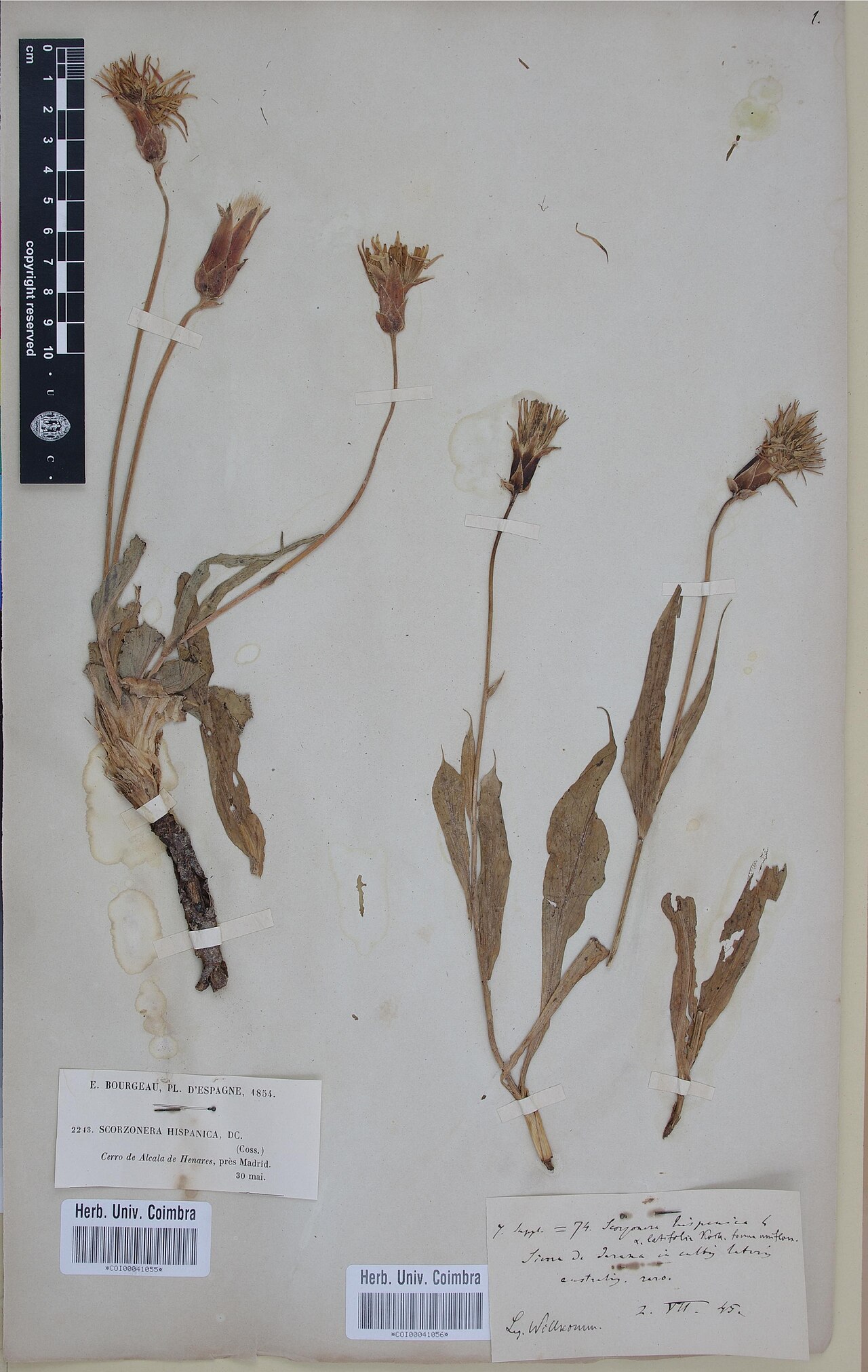
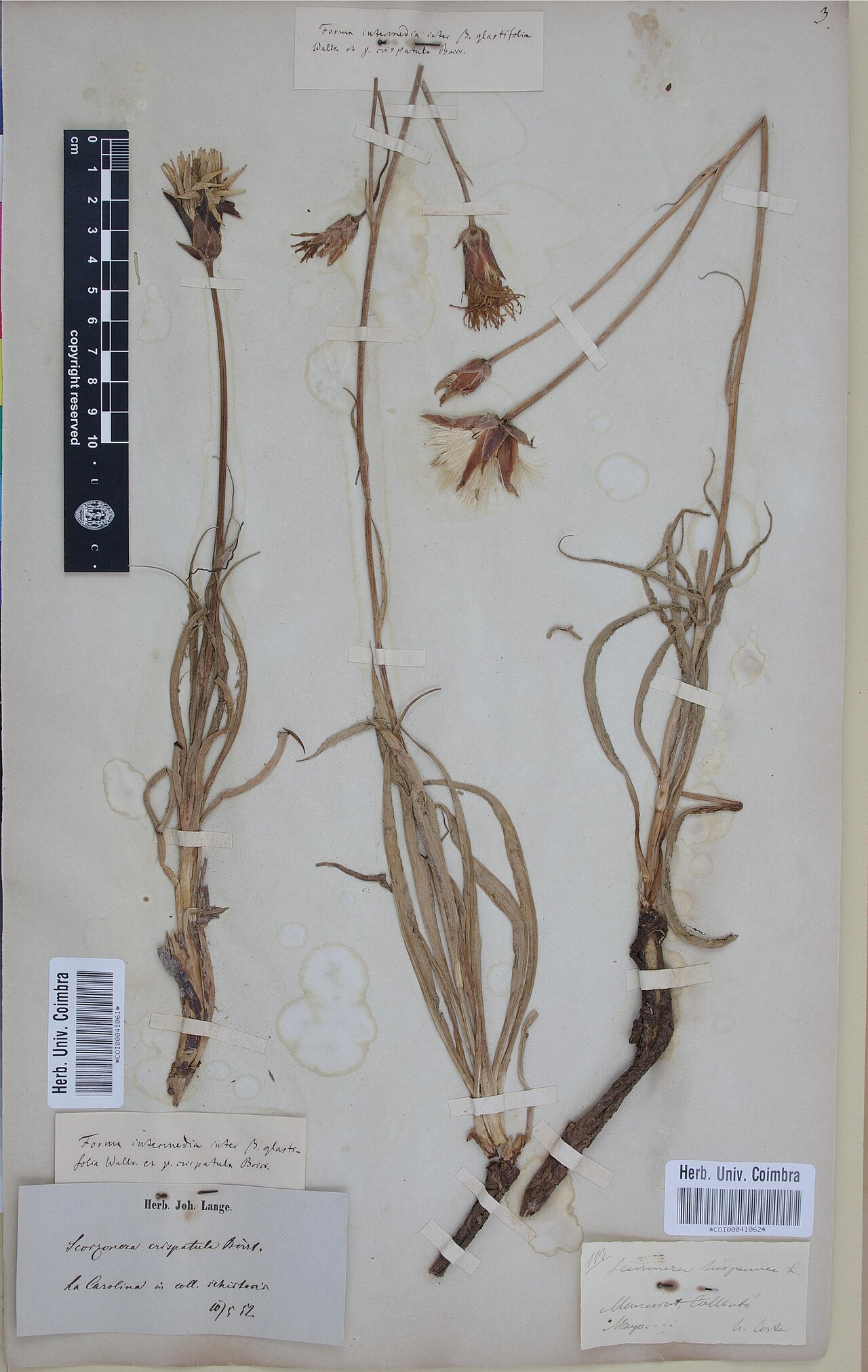
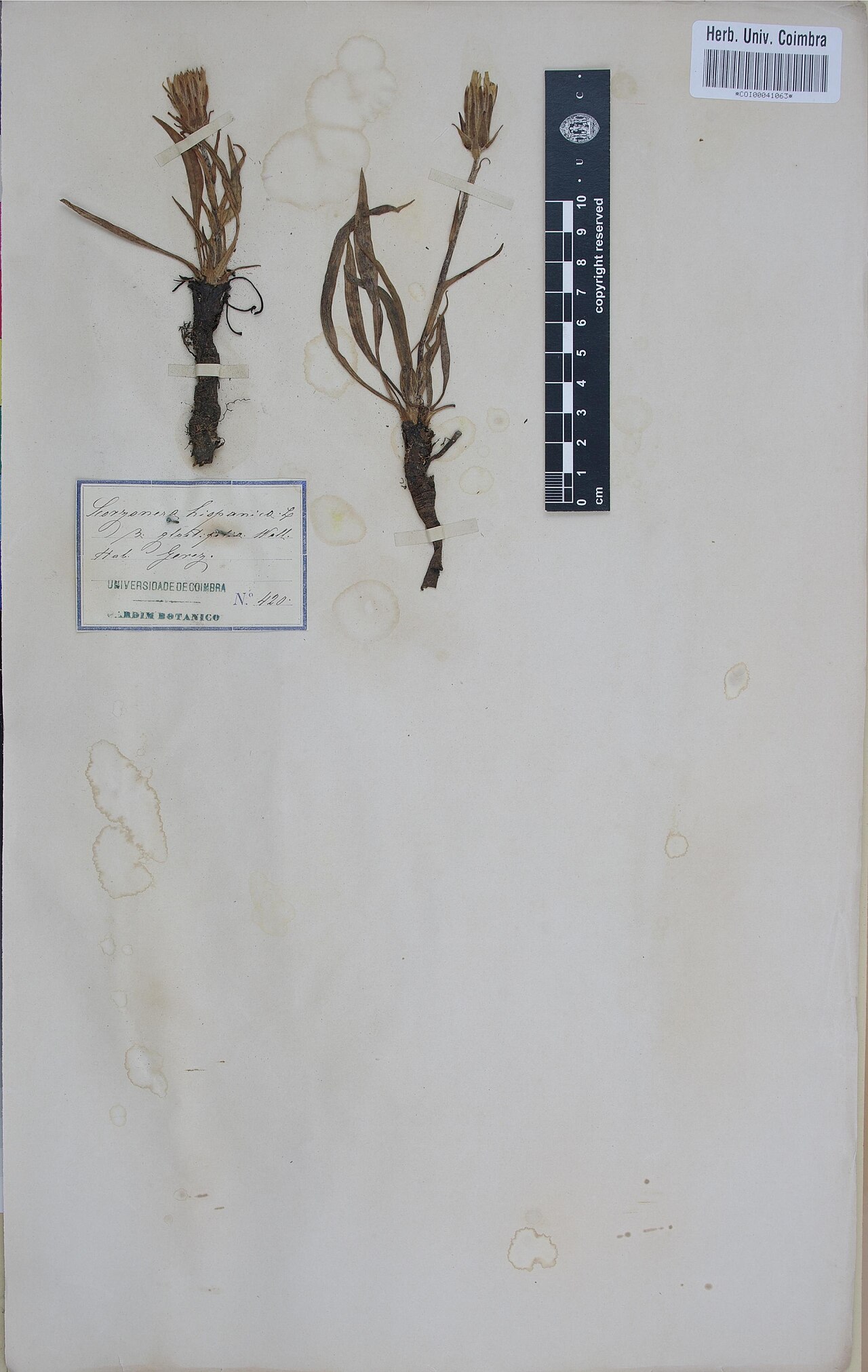
Why this variety
Hoffman’s Schwarze Pfahl — black pole, in the German naming — is the scorzonera that permaculture gardeners reach for: a standby winter root with black skin and mild white flesh, sold as an organic strain, and a plant that famously gives you three vegetables in one — the root for winter cooking, the leaves for reliable winter greens, and bright yellow flowers in the second year that are edible too. It is a true perennial, perfect for a garden that values plants that stay put and keep giving.
The three-in-one pitch is not marketing fluff: the root is the main harvest, dug from late fall on; the leaves, picked young, are a mild salad green through winter when little else is growing; and the second-year flowers, bright yellow and cheerful, are edible garnish and bee food in one. A plant that feeds you in three seasons and three forms earns its place in a perennial bed the way a good tool earns its place in a shed — by being useful more often than it is in the way.
If you are new to choosing between cultivars, the Varieties Matter guide explains why the name after the plant matters as much as the plant itself. And if you want the whole clan at a glance, the broader Scorzonera guide covers scorzonera generally.
How to grow
In Florida, scorzonera — black salsify — is a north-of-the-state trial, and an honest one: it is a perennial root that wants deep, loose soil and a long, mild season, and it will test your patience in a state that likes to rush everything. Sow in fall, let the black-skinned roots grow through winter and spring, and dig them when they are thick — or leave the plant in place and harvest as a perennial, taking roots as needed while the crown regrows. In hotter, more humid ground, give it afternoon shade, deep mulch, and a raised bed, and count any thick, straight root as a victory worth bragging about.
Sow in fall in deep, loose soil, thin to about 4 inches apart, and treat it as a perennial from the start: plant it where it can stay, mulch it well, and harvest roots as needed rather than clearing the bed. The crown regrows, the leaves keep coming, and a plant left to flower in year two gives you seed for the next patch — which is how a single sowing becomes a permanent scorzonera corner.
Water & feeding
Scorzonera roots go deep, so the soil must stay moist deep down, not just damp on top. Water thoroughly in dry spells, mulch heavily, and feed with compost; a drought-checked root turns thin and woody, and the whole point of scorzonera is a thick, tender root.
Common problems
Scorzonera pests are few, and Hoffman’s is no exception — the management job is soil and patience, not spraying. Keep the bed deep and stone-free, water in dry spells, and resist the urge to dig the whole plant in year one: a perennial scorzonera is an investment, and the second-year harvest, leaves and all, is the dividend.
Harvest
Dig roots as needed from late fall into spring, pick young leaves through winter for salads, and enjoy the second-year flowers as garnish or bee forage. Peel roots into acidulated water before cooking, and simmer or roast them until tender — the mild, sweet flesh takes butter and herbs the way a good potato does, with an oyster-like depth all its own.
Nerdy fact: Schwarze Pfahl translates to black pole or black stake, a name that describes the root’s straight, dark, pole-like shape — a practical name for a practical plant, from a gardening tradition that named vegetables for what they looked like in the ground, not for what they promised in a catalog.
Saving seeds
Hoffman’s Schwarze Pfahl is a traditional scorzonera strain, a true perennial, so saved seed comes true — let a second-year plant flower and collect the seed, or leave the crown in place and harvest roots as needed while it regrows. The full method is in the Saving seeds section of the Scorzonera guide.