
🥔 Hopin Oca
What it looks like
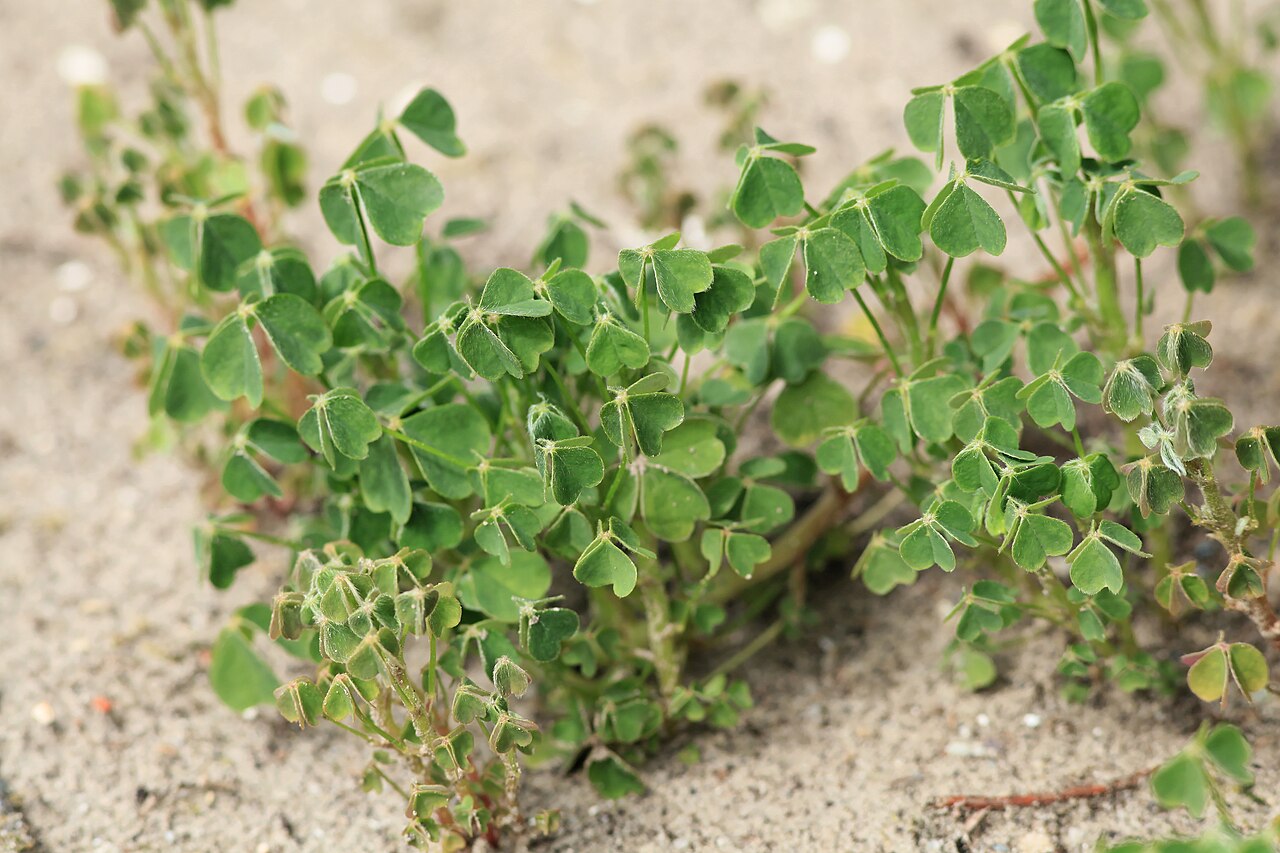
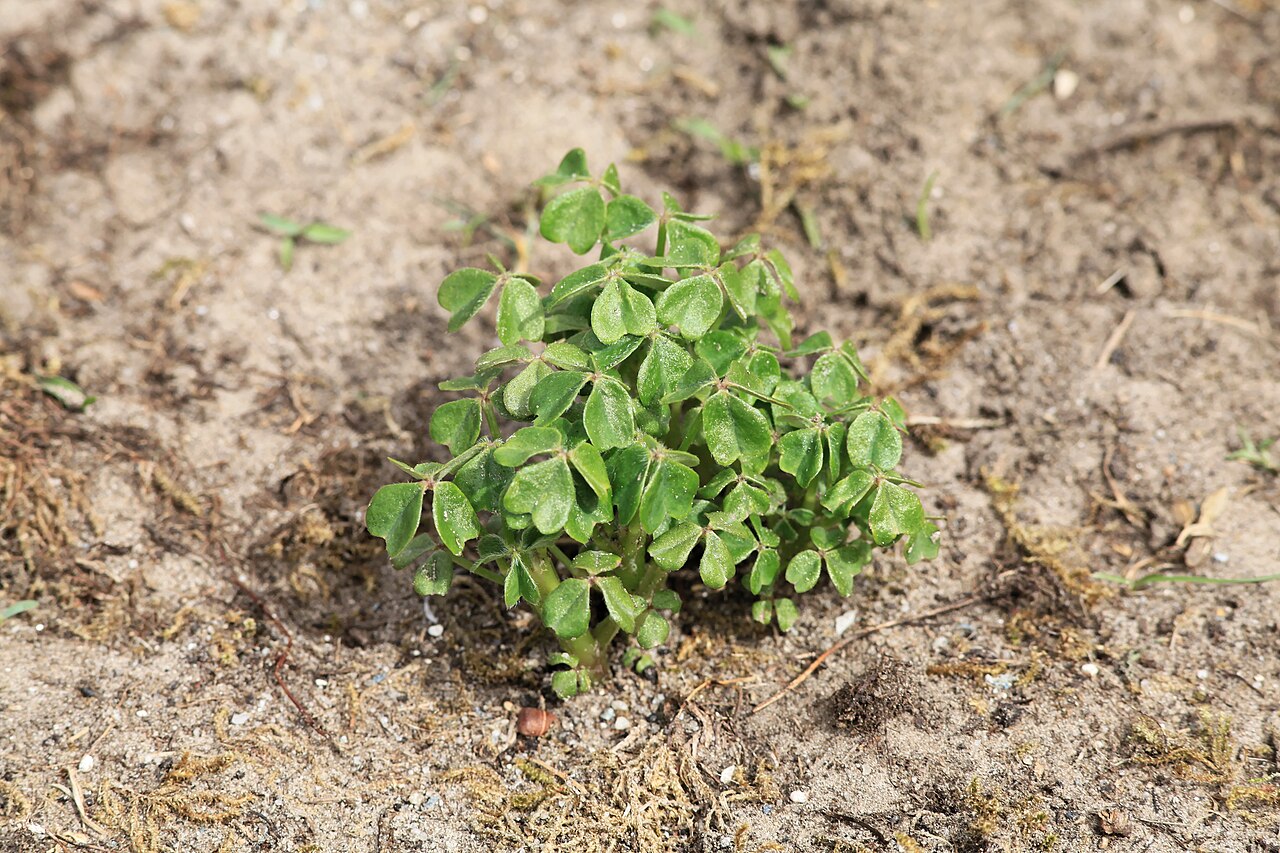

Why this variety
Hopin is the oca that gardeners fall for at first sight: pink tubers with a sweet, mild flavor and a vigorous, long-flowering plant that has become a favorite parent for breeders trying to make better ocas. It is one of the classic types offered in North America, and it earns its place not with record yields but with reliability — a strong grower that flowers freely, sets a good crop of handsome tubers, and keeps coming back from saved tubers year after year.
Hopin also plays well with others: because it flowers long and vigorously, it is a good partner for Sunset in a patch where you want both a harvest and a chance at seed. If you have ever wanted to try your hand at saving and selecting your own tubers, Hopin is the variety that gives you the raw material — plant it, save the best, and watch the patch slowly become yours.
If you are new to choosing between cultivars, the Varieties Matter guide explains why the name after the plant matters as much as the plant itself. And if you want the whole clan at a glance, the broader Oca guide covers oca generally.
How to grow
In Florida, oca is an honest trial crop, and the north of the state is where the trial has a chance: plant tubers in spring, let the clover-like plants sprawl through summer, and wait for the days to shorten in fall, because oca only starts making tubers in earnest when daylength drops toward twelve hours or so. That is why a spring-planted oca patch can look like a lot of pretty leaves and very little dinner until autumn arrives — the tubers are a fall project, not a summer one. Harvest after the tops die back, and sun-cure the tubers for a few days, which mellows their lemony oxalic tang into something sweeter. In the hotter, more humid parts of the state, treat oca as an experiment with shade and mulch, not a sure thing.
Plant tubers in spring, 12–18 inches apart, in loose, compost-rich soil with full sun and afternoon shade in the hottest spots. Mulch well, water through dry spells, and leave the plants alone through summer — the leafy canopy is feeding the tubers you cannot see yet. When fall shortens the days, the plant shifts energy underground, and that is when the crop is made.
Water & feeding
Oca wants steady moisture but hates waterlogged soil — rich, loose, well-drained ground with mulch to keep the roots cool is the deal. Water deeply in dry spells, feed lightly with compost at planting, and do not drown it: a soggy bed rots tubers faster than a dry one shrinks them.
Common problems
Slugs and soggy soil are the main troubles, plus the universal oca temptation to dig too early. If frost threatens before the tops have died back naturally, cover the patch overnight or harvest and cure what you have — a light frost on the tops is a signal, not a disaster, but a hard freeze in the ground will damage tubers left unprotected.
Harvest
Dig in late fall when the tops collapse, cure in the sun for a few days until the tartness mellows, and store the best tubers for replanting. Hopin tubers are lovely sliced raw into salads for color and crunch, and they roast into a sweet, rosy side dish that looks far fancier than the effort it took — which, for a trial crop, is exactly the right kind of reward.
Nerdy fact: The pink of Hopin and its kin comes from the same family of pigments that colors beets and bougainvillea — betalains and anthocyanins doing their showy work underground, where almost nobody sees them until harvest. Growing oca is, in that sense, gardening for a surprise party you throw for yourself in November.
Saving seeds
Hopin is an oca that keeps coming back from saved tubers year after year — plant tubers in spring, harvest after the tops die back in fall, and save the best tubers to replant. The Propagation section of the Oca guide covers propagation for the species.