
🌿 Hoptree
What it looks like
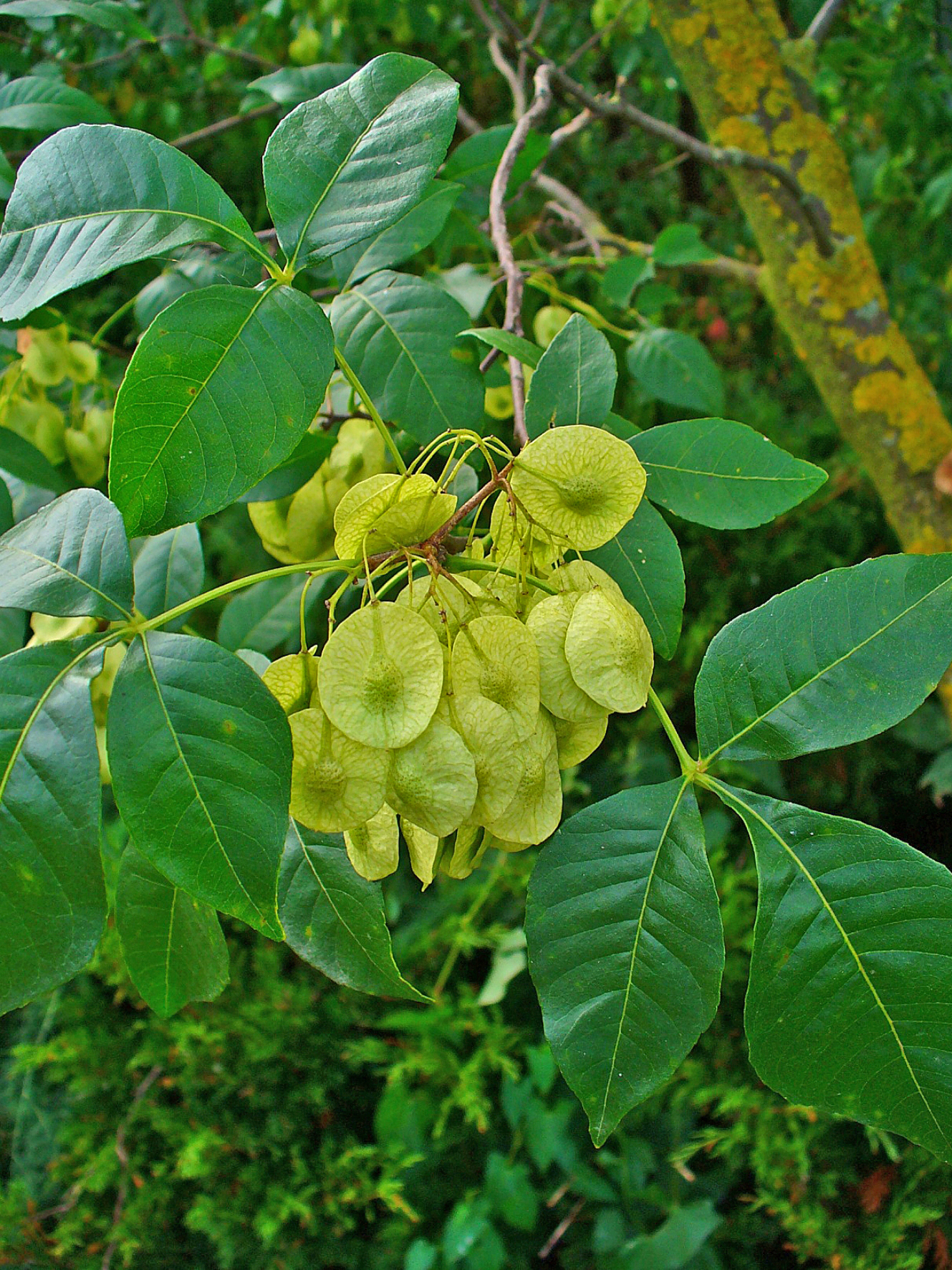
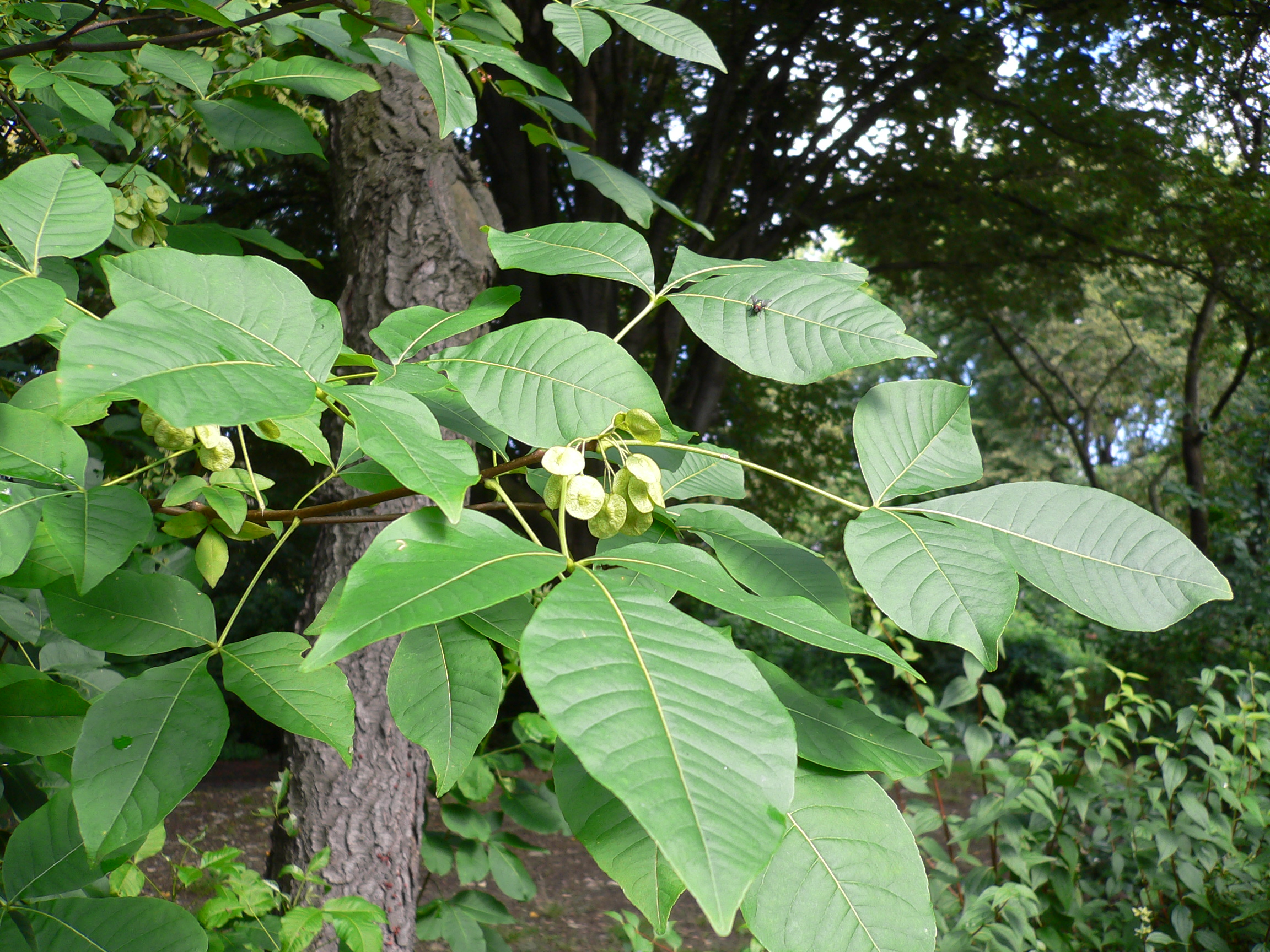
Hoptree is one of those native plants that makes you wonder why it is not in every garden, until you smell it, and then you understand both why it is not and why it should be. It is a deciduous shrub or small tree in the citrus family, Rutaceae, native to eastern and central North America, from southern Canada south to Florida, west to Texas and Kansas, and south into Mexico. It is also called common hoptree, wafer ash, and stinking ash, and all three names are honest: it smells of hops when bruised, its fruit is a thin wafer, and some people find the smell less charming than others do. A plant with three common names that contradict each other is a plant with personality, and hoptree has plenty of it.
The leaves are the identification anchor, and they are exactly what the Latin name promises: trifoliata means three-leaved, and each leaf is compound with three leaflets, the central leaflet symmetrical and larger, the two lateral leaflets asymmetrical and stalkless, on a common leaf stalk 2 to 4 inches long. The leaflets are ovate to oblong, 2 to 6 inches long, finely toothed or entire, downy beneath when young, and dotted with tiny oil glands that you can see if you hold a leaf up to the light, which is where the scent comes from. Bruise a leaf, a twig, or a young fruit, and it releases a strong, aromatic, hop-like odor that some people describe as delicious, like orange blossom, and others describe as unpleasant, like a skunk’s opinion of citrus. Both descriptions are in the literature, and both are correct, because noses differ and hoptree does not negotiate.
The flowers are small, greenish-white, star-shaped, and carried in clusters 2 to 3 inches across in late spring and early summer, and their perfume carries further than their appearance suggests: the blooms are inconspicuous to the eye and unmistakable to the nose, with a scent compared to orange blossom. Hoptree is mostly dioecious, meaning male and female flowers grow on separate plants, though bisexual flowers are occasionally reported on female plants, so if you want fruit, you need a female plant and a male plant nearby, and if you only want flowers and foliage, either sex will do. The fruit is the showpiece: a round, flat, papery samara, about an inch across, with a netted wing surrounding a single seed in the center, light brown when ripe, held in dense clusters, and persisting on the tree into winter after the fleshy part of the wing has decayed and left only the netted veins. The fruit looks like a tiny elm seed, which is no accident, and it is the reason for both the genus name and the wafer ash common name.
The bark is reddish-brown to gray-brown, with short horizontal lenticels, becoming slightly scaly with age, and the trunk is often short, crooked, and inclined, with a broad, irregular crown that becomes more open and graceful with age. The tree is slow-growing, multi-stemmed as a shrub or single-trunked as a small tree, typically 15 to 20 feet tall and just as wide, though some accounts stretch it to 25 feet or a little more. In fall the leaves turn a clear, showy yellow, which is a fine consolation for a tree whose summer flowers are greenish-white and whose winter fruit is brown paper. It is a small tree that earns its place by being interesting in every season: aromatic leaves in spring, fragrant flowers in early summer, wafer fruit in fall, and netted skeletons of fruit in winter.
How to grow
Grow hoptree by giving it what it asks for, which is not much: well-drained soil, sun to shade, and room to spread a little. It is one of the most adaptable small native trees, thriving in dry, rocky upland woods, in moist woods and thickets, along stream banks, on savannas, and in woodland edges, and it accepts clay, sand, loam, and shallow rocky ground, and acid, neutral, and alkaline soils alike. It prefers well-drained soil and does best in full sun to part shade, where sun gives denser growth and better flowering, but it is one of the few small trees that performs well in deep shade too, which makes it a genuine option for that awkward spot under larger trees where most flowering trees sulk. If you plant it in full sun, keep the soil consistently moist while it establishes; in shade, it is content with less.
Plant in fall or spring, and plant it where its mature size fits: 12 to 15 feet from other trees and structures, with room for a crown that can reach 15 to 20 feet wide. It is slow-growing, so buy the largest nursery plant you can afford if you want presence quickly, and then be patient: a hoptree that looks modest for three years is not failing, it is building roots, and it will reward patience with decades of low-maintenance growth. It forms colonies by suckering and self-sowing, so if you want a single specimen, remove suckers as they appear, and if you want a naturalized thicket, let it run and enjoy the colony. Either way, plant both sexes if you want fruit: a lone female with no male nearby will flower and disappoint, and a lone male will flower and never fruit at all, which is fine if you only want the flowers, but worth knowing before you buy.
Hardiness is broad, and the hero stats use the range most references agree on: zones 4 to 9, with the Florida Native Plant Society listing it as suitable in Florida zones 8A through 9B, and the University of Florida’s extension fact sheet giving zones 4A through 9A for the Aurea cultivar. That makes hoptree a genuinely Florida-friendly native in the northern half of the peninsula and the Panhandle, and a plant that also survives winters in Minnesota, which is a range most small trees would envy. In South Florida, south of zone 9, it is out of its range, and gardeners there should admire it in photographs and plant a citrus-family native suited to their climate instead.
Pruning is light and mostly about shape. Prune in late winter while the tree is dormant, remove dead, crossing, or damaged wood, and thin a multi-stemmed shrub into an open, balanced form while it is young, because a mature hoptree with a tangled crown is harder to open up later. Do not top it, do not shear it into a ball, and do not remove more than a quarter of the crown in any one year. The wood is yellow-brown, heavy, hard, and close-grained, so pruning cuts should be clean and sharp, and the bitter bark means you will smell the work as you do it, which is either a pleasure or a warning depending on your nose.
Water & feeding
Water to establish, then let it be a tough native. Through the first year or two, water deeply in dry weather, soaking the root zone so roots grow down instead of sideways, and keep the soil consistently moist if the tree is in full sun. Once established, hoptree is drought-tolerant and needs little supplemental water, though it does better with occasional deep water in a dry summer than with total drought, especially on hot, exposed sites. In shade, it needs less water still, and in a moist woodland edge it may need none at all after establishment. The nuance is that this tree’s adaptability is a range, not a single setting: a hoptree in full sun on a dry, rocky slope will need more water than one in part shade on a moist woodland edge, and both will need less than your lawn.
Do not fertilize it into softness. Hoptree grows well in average to lean soil, and a yearly mulch of bark or leaf litter, kept off the trunk, is all the feeding most trees need. Heavy nitrogen pushes weak, leafy growth that wind and drought then punish, and it does nothing for fruit production, which comes from a mature, slightly stressed tree with both sexes present, not a pampered one. If your soil is genuinely poor and the tree is struggling, a single spring application of a balanced, slow-release fertilizer is plenty, and in most native soils it is unnecessary.
Common problems
- The smell. The most common hoptree complaint, and it is a matter of taste. The bruised foliage, bark, and young fruit emit a strong, hop-like, bitter odor that some people love and others cannot stand, which is why it is called stinking ash as well as wafer ash. Smell a bruised leaf before you buy, and do not plant it next to a patio or a bedroom window if you are in the second camp.
- Suckering and self-sowing. Hoptree forms colonies by suckering and self-sowing, which is a feature in a naturalized planting and a nuisance in a formal bed. Remove suckers as they appear if you want a single specimen, and deadhead or collect fruit if you do not want seedlings.
- No fruit on a lone tree. Hoptree is mostly dioecious, so a single plant may never fruit. If fruit matters to you, buy two plants from a nursery that can tell you their sex, or buy several seedlings and keep a male and a female once they flower.
- Slow growth. Hoptree is slow-growing, and a young plant can look unremarkable for several years. This is normal, not a disease, and it is not fixed by fertilizer, which only pushes weak growth. Buy large, be patient, and judge the tree at five years, not at five months.
- Wrong climate at the warm edge. South of zone 9, hoptree is out of its range and will struggle. In South Florida, plant a native suited to your zone instead of nursing a hoptree through summers it was never built for.
- Few pest problems, honestly. Hoptree has few serious pest or disease problems in the garden, and its bitter compounds deter many browsers. Treat only a genuine outbreak, not every spot or chew, and enjoy a tree that mostly takes care of itself.
Harvest
There is no kitchen harvest most gardeners should attempt from hoptree, though the harvest it gives wildlife and butterflies is real. The wafer-like fruits are bitter, intensely so, and they were historically suggested as a substitute for hops in flavoring beer, because their bitter alkaloids and essential oils mimic the bitterness hops provide, and the tree’s common name comes from that use. That is a historical note, not a brewing recommendation: the fruits are bitter for a reason, the plant’s compounds are potent, and modern brewers have hops. The honest garden harvest is fragrance, fall color, winter fruit skeletons, and swallowtails: a small tree that feeds caterpillars, shelters birds, and smells like a citrus grove crossed with a brewery every time you brush past it.
Butterfly guides list hoptree as a host plant in two guides, both in their Host plants sections, both giving the form hoptree: the thoas swallowtail, with the Latin name Ptelea trifoliata given, and the two-tailed swallowtail, without a Latin name in that entry. That host relationship is the reason this guide exists in the butterfly project, and it is worth stating plainly rather than padding it into a longer list. As a member of the citrus family, hoptree is also a host for giant swallowtails in general, which is why nursery references give it a starring role as a giant swallowtail host, but the per-guide record for this project is the two swallowtails above, and they are the ones this guide claims. A hoptree in a garden is a swallowtail nursery whether or not a guide lists every guest, and a female tree in fruit is a sign that the nursery is working.
Propagation is straightforward and slow, like the tree itself. Seeds need cold stratification, about 60 days of chilling followed by warm conditions, and germination is uneven, which is why nurseries often propagate hoptree by cuttings instead. If you collect seed, take ripe wafers in fall, clean off the wing, stratify them cold through winter, and sow in spring in deep pots, because the first root dives down fast. Expect slow seedlings and slower young trees, and buy a nursery tree if you want a head start. The tree you buy will still be slow, but it will be slow from a better starting line.
Saving seeds
Hoptree seed saving comes with a small botanical plot twist and one very practical trick, and the trick is the difference between a tray full of seedlings and a tray full of disappointment. First the plot twist: hoptree is dioecious, with male and female flowers on separate plants, and wild populations lean male, so a lone tree may set little or no fertile seed at all. If your tree never seems to make those papery wafers, it may simply be a bachelor, or a female with no male within insect range. Seed from a named cultivar, meanwhile, will not come true — a seedling of a golden-leaved form is a new hoptree, not that form — so cultivars are kept going by cuttings, and seed is for growing the straight species.
Collect in fall, when the flat, papery samaras — the winged wafers that give the tree its other name — have turned tan and dry on the tree or begun to flutter down. Gather them before wind scatters the lot, and dry them further indoors in a paper bag for a week or two. Then comes the trick: take the seed out of its wing. Research on this species found that intact fruit barely germinated even after months of cold, while seed freed from the samara and given a long cold spell germinated at roughly four-fifths. The wing and its coatings carry germination inhibitors, so rubbing or peeling the samara away is not fussiness, it is the whole method. Clean the freed seeds, discard any that are shrivelled or hollow, and keep the plump ones.
Now give them winter, on purpose. Cold, moist stratification for about four months is the figure modern propagation work lands on — one careful study reached over nine-tenths germination of viable seed after sixteen weeks in the cold, with the pericarp removed — so bag the cleaned seed in moist sand or vermiculite, refrigerate it, and check now and then that it stays moist but never sodden or mouldy. Older advice of three to four months says the same thing in rounder numbers, so plan on the long end rather than rushing it. In spring, sow shallowly in pots of well-drained mix, keep them warm with fluctuating day and night temperatures if you can manage it, and be patient: germination is uneven, sprouts may straggle in over weeks, and some seeds simply take their time. Grow seedlings on in pots, sheltered, for their first winter before planting out, because a first-year hoptree is not yet the tough, swallowtail-feeding small tree it will become.
For storage, hoptree seed is forgiving by tree-seed standards: kept sealed and cool, it holds most of its viability for well over a year, so a fall collection does not have to be sown in a panic. In Florida, the usual humid-state rule still applies — dry the cleaned seed thoroughly before the jar ever closes, store it airtight with a desiccant packet somewhere cool and dark, and label it with the year and the mother tree. And one last piece of patience to file away: this is a slow tree from seed, so saving seed is a gift to a future garden, not a shortcut to shade next summer.
Varieties
Hoptree is mostly sold as the straight species, and only one named garden cultivar was verified for this guide. That is stated plainly, not padded: this is not a tree with a catalog of cultivars, and the variation within the species is botanical, not horticultural.
- Ptelea trifoliata, the straight species: The shrub or small tree described in this guide, three-leaflet leaves dotted with oil glands, fragrant greenish-white flowers, wafer-like papery fruit, 15 to 20 feet tall, zones 4 to 9. This is what nurseries sell, and it is what butterfly guides mean when they list hoptree as a host plant.
- Ptelea trifoliata Aurea: The golden hoptree — yellow leaves fading to lime-green, wafer fruit, swallowtail host, and a UF/IFAS rating of zones 4A–9A. A cultivar with yellow leaves at first, maturing to lime-green, reaching about 15 feet tall with a spread of 10 to 15 feet, and rated zones 4A through 9A by University of Florida extension. Uncommon but handsome, and the only named cultivar verified for this guide.
Botanical variation within the species is extensive and, in the words of one modern flora, frustrating: western and southwestern forms have smaller leaves than eastern forms, as an adaptation to drier climates, and several subspecies and varieties have been named, including subsp. angustifolia, subsp. pallida, and var. mollis, the downy-leaved southern form. Those are botanical forms for taxonomists to argue about, not garden varieties to shop for, and a nursery plant labeled with a subspecies name should be treated as the straight species with a regional accent unless the seller can show it is distinct in the garden. Related hoptrees are not varieties of this tree either: California hoptree (Ptelea crenulata) is a different western species, and it is not listed here as if it were a form of common hoptree.