
💜 Hummelo Wood Betony
What it looks like

Why this variety
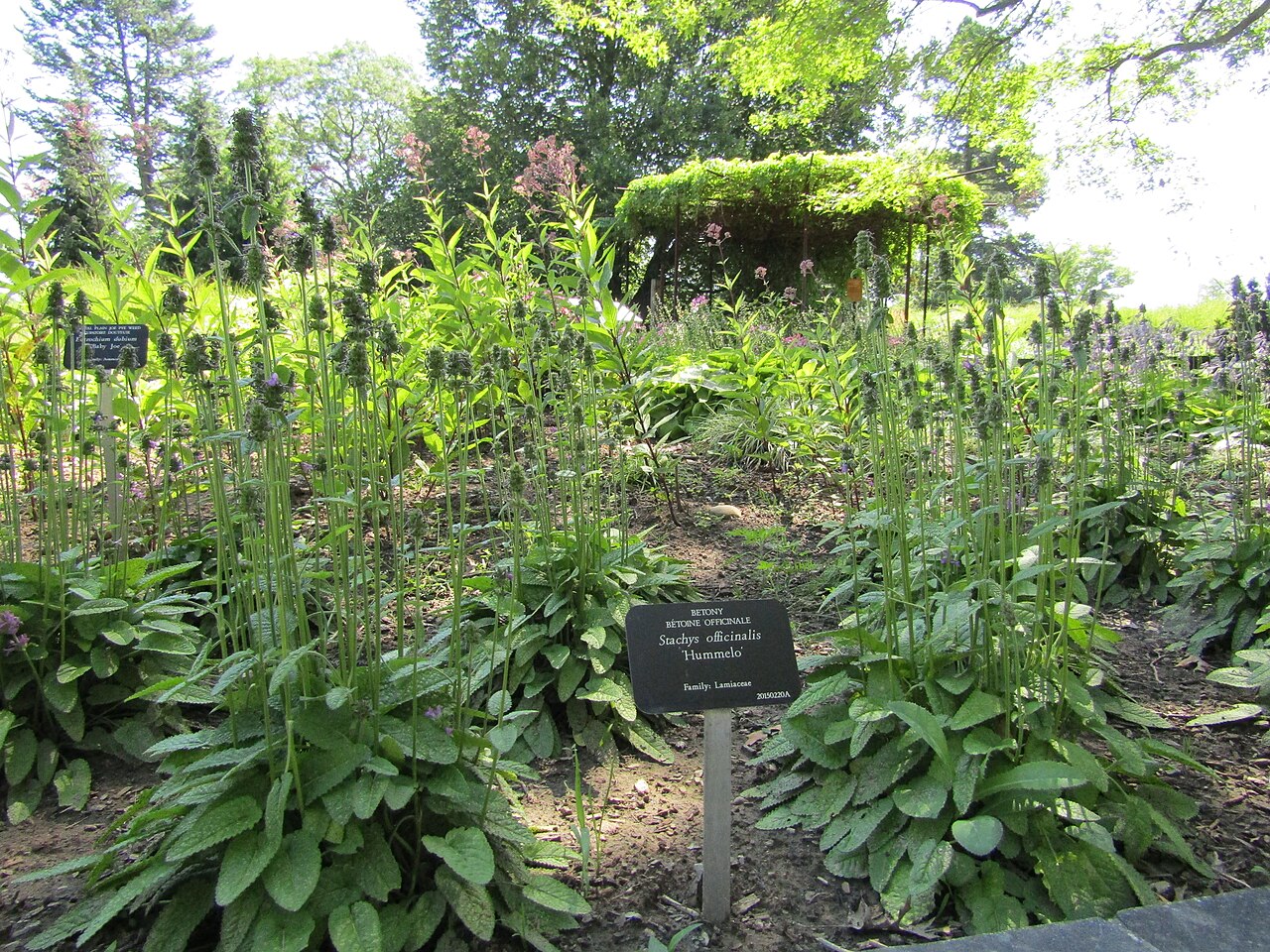
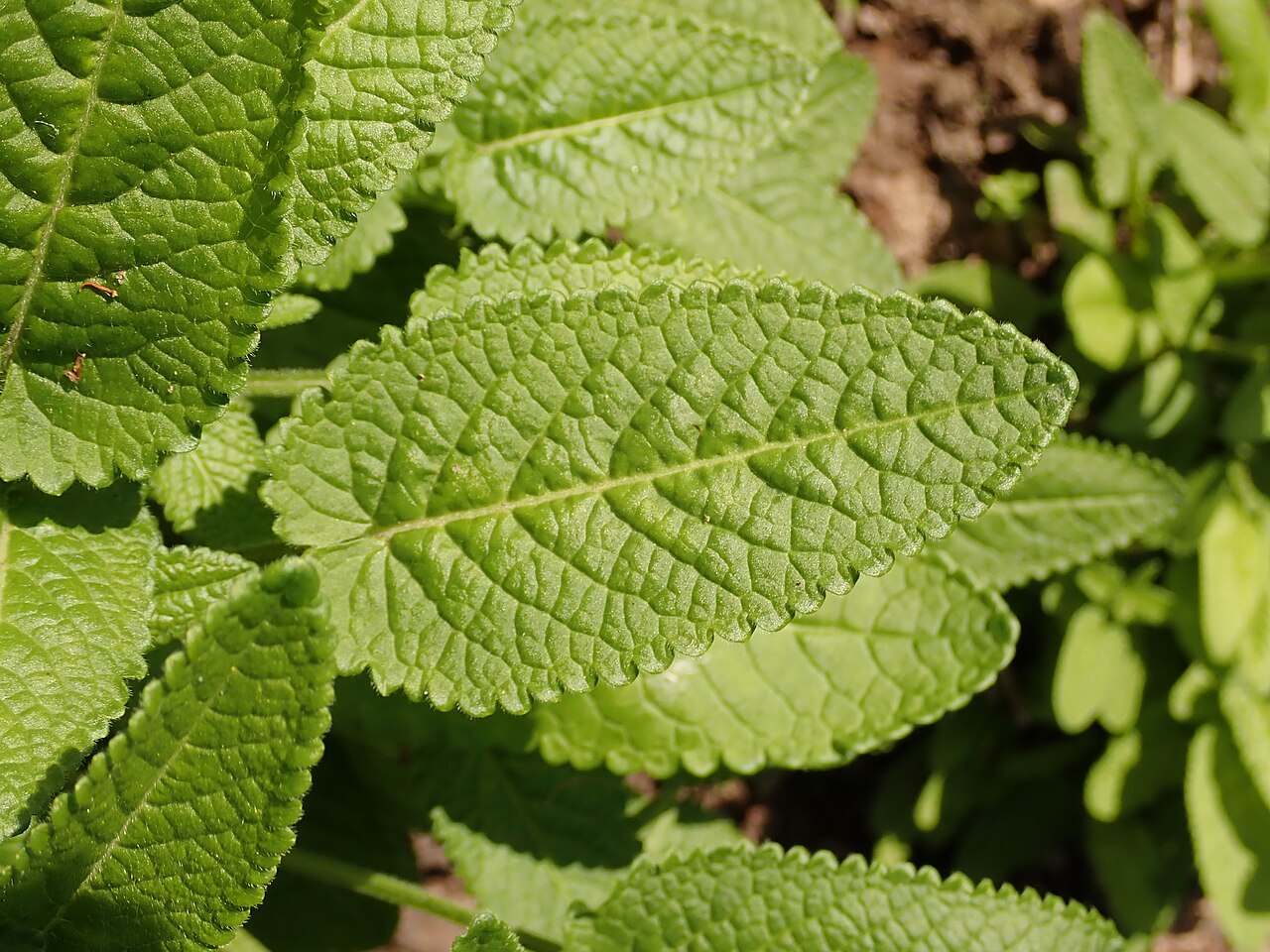
Hummelo is the wood betony that won everything: the Perennial Plant Association’s 2019 Perennial Plant of the Year, an RHS Award of Garden Merit winner, and the highest-rated of 22 Stachys taxa in multi-year botanic garden trials, for flower production, vigor, habit, and winter hardiness. It is a compact clump of glossy, crinkled, dark green leaves with dense spikes of rose-lavender flowers on leafless stems up to 2 feet tall, blooming for weeks in summer and holding its shape into fall. If you grow one betony, grow Hummelo, because the trials already did the choosing for you.
Hummelo’s taxonomy is a nerdy bonus: it has been sold as Stachys densiflora, Stachys monieri, and Stachys officinalis, and is now placed in Betonica, so nursery labels vary and all of them mean this plant. Grow it in full sun to part shade and well-drained soil, space 12 to 18 inches apart, water steadily while establishing, and deadhead spent spikes if you want tidiness, or leave them, because the spent spikes hold structural interest into fall. It is deer and rabbit resistant, pollinator-mad, and a fine cut flower.
If you are new to choosing between cultivars, the Varieties Matter guide explains why the name after the plant matters as much as the plant itself. Hummelo is a perfect example: it is not just a wood betony in the abstract, it is a wood betony with a specific job, a specific history, and specific strengths.
Florida framing, stated plainly: wood betony is a North Florida trial, zones 4 to 8, wanting cool, moist soil that Florida summers do not provide. Give Hummelo morning sun, afternoon shade, and steady moisture in a raised bed, and treat it as a trial, not a perennial promise, especially south of North Florida.
How to grow
Plant in spring or fall in full sun to part shade and well-drained soil, because betony wants sun for flowers and drainage always. Work worm castings into the bed at planting, space 12 to 18 inches apart, and water steadily while establishing. Deadhead spent spikes if you want tidiness, or leave them for fall structure, divide clumps every few years if they get woody, and give plants air, because crowded, humid plantings invite mildew.
Set plants 12-18 inches apart in soil with a pH around 6.0-7.5. Work worm castings into the bed at planting and mulch to hold moisture. A well-fed wood betony plant rewards that care directly: steadier growth, better bloom or fruit, and a show that actually shows up.
Water & feeding
Water steadily while establishing and through dry spells; betony wants moist, well-drained soil, not swamp and not drought. Water at the soil line, mulch to hold moisture, and feed lightly: castings at planting plus a spring top-dress. Deadhead if you want a second flush, divide clumps every few years, and give plants air, because crowded plantings invite mildew.
Common problems
- HEAT FAILURE in warm climates — wood betony wants cool, moist soil; in Florida it is a North Florida trial, not a perennial promise.
- CROWN ROT in wet soil — betony’s killer; plant in sharp drainage and do not overwater.
- POWDERY MILDEW in humid, crowded plantings — space for air, water at the soil line, and choose an open site.
- WOODY CENTERS with age — divide clumps every few years to keep plants vigorous.
- NAME CONFUSION — betony is sold as Stachys and Betonica; check the cultivar name, not just the genus, when buying.
Harvest
Cut flowering spikes for bouquets in summer, when blooms are fully open, because betony spikes last well in water and suit meadow-style arrangements. The real harvest is the pollinator show: a betony clump in full bloom is a bee and butterfly airport all day. Deadhead if you want a second flush, leave spent spikes for fall structure if you prefer, and divide clumps every few years to keep plants vigorous.
Browse all plant & pest guides
Saving seeds
Hummelo is the wood betony that won everything — the Perennial Plant Association’s 2019 Perennial Plant of the Year — and seedlings won’t hold the dense spikes of rose-lavender flowers on a compact clump — divide clumps every few years if they get woody. The Saving seeds section of the Wood Betony guide covers seed for the species generally.