
🔔 Husker Red Penstemon
What it looks like
Why this variety
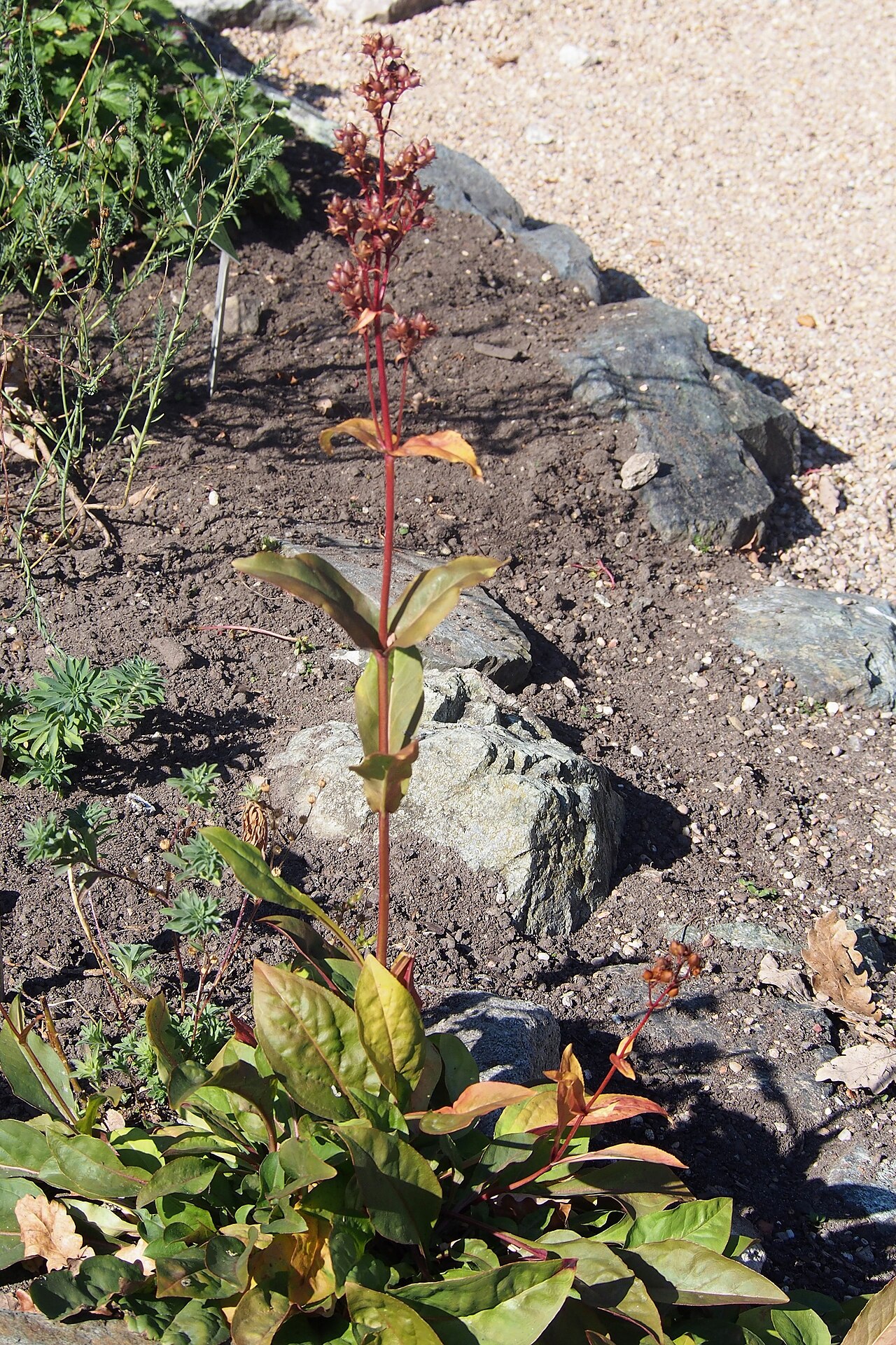
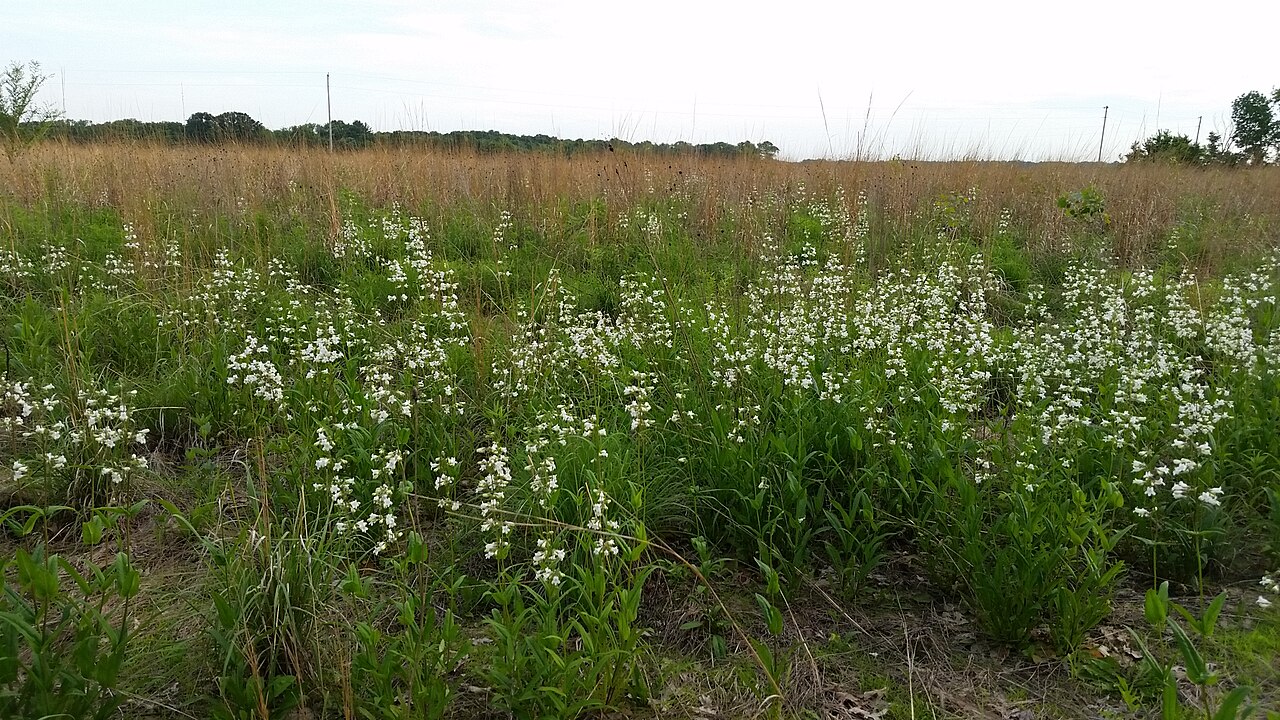
Husker Red is the penstemon that made penstemon famous east of the Rockies: a selection of the native foxglove beardtongue, with white, tubular flower spikes in late spring over foliage that emerges wine-red and stays burgundy through the season — a foliage-and-flower combination no other penstemon matches. It was named the Perennial Plant of the Year in 1996, and it earned it by being tough, long-blooming, hummingbird-friendly, and beautiful even when it is not flowering, because the burgundy leaves carry the show alone. In a sunny border, Husker Red is the plant that looks intentional all season.
The trade-off is wet soil: Husker Red rots in soil that stays wet, especially in winter, and it flops in rich, overfed soil. Give it full sun to part shade, sharp drainage, and lean to moderately rich soil, cut back flower spikes after bloom for a possible second flush, and divide congested clumps in spring. Do not mulch it heavily against the crown, and do not plant it in a low spot that ponds — penstemon’s killer is not cold, it is wet feet in winter, which is a sentence worth memorizing.
If you are new to choosing between cultivars, the Varieties Matter guide explains why the name after the plant matters as much as the plant itself. Husker Red is a perfect example: it is not just a penstemon in the abstract, it is a penstemon with a specific job, a specific history, and specific strengths.
Florida honesty: penstemon is a North Florida trial, not a statewide perennial — it wants sun, drainage, and cooler summers than most of Florida offers, and wet summer soil is its enemy. In North Florida, plant it in the sunniest, best-drained spot available, in lean soil or a raised bed, and treat bloom as a spring triumph. In Central and South Florida, treat it as a cool-season trial and do not expect it to persist through a wet, hot summer.
How to grow
Plant in spring in full sun to part shade and sharply drained, lean to moderately rich soil — penstemon is a sun-and-drainage plant that rots in wet soil, especially in winter, faster than it starves in poor soil. Work a little worm castings into the bed at planting, do not overfeed, and keep mulch pulled back from the crown. Cut back flower spikes after bloom for a possible second flush, and divide congested clumps in spring.
Set plants 15-18 inches apart in soil with a pH around 6.0-7.5. Work worm castings into the bed at planting and mulch to hold moisture. A well-fed penstemon plant rewards that care directly: steadier growth, better bloom, and a show that actually shows up.
Water & feeding
Water to establish, then water sparingly — penstemon is drought-tolerant once established and rots in wet soil, especially in winter, so overwatering is the mistake to avoid. Water at the soil line, do not mulch heavily against the crown, and feed lightly: castings at planting is usually enough, because rich soil makes floppy penstemon. Lean soil, sun, and drainage make long-blooming spikes.
Common problems
- Crown rot in wet soil, especially in winter — the penstemon killer; plant in sharp drainage, keep mulch off the crown, and do not plant where rain ponds.
- Flopping in rich soil — lean soil makes sturdier penstemon; do not overfeed, and cut back after bloom.
- Greening of dark foliage in shade — Dark Towers and Husker Red need sun to stay dark; shade greens them up, and no fertilizer restores the color.
- Short life in hot, wet summers — heat plus wet soil shortens penstemon life; in warm zones, treat it as a trial in sharp drainage.
- Slugs and snails on young growth in wet weather — pick at dusk and keep mulch pulled back slightly from crowns.
Harvest
Cut spikes for bouquets in late spring and summer, when spikes are fully colored — penstemon lasts well in water and its white or pink spikes suit cottage-style arrangements. Deadhead after bloom for a possible second flush, divide congested clumps in spring, and cut back dead stems in late winter. Leave some spikes standing for hummingbirds, which visit penstemon flowers eagerly, and do not compost diseased foliage.
Browse all plant & pest guides
Saving seeds
Husker Red is a selection of the native foxglove beardtongue, the 1996 Perennial Plant of the Year, with white flower spikes over wine-red foliage, and seedlings won’t reliably hold the burgundy leaves — divide congested clumps in spring instead. The Saving seeds section of the Penstemon guide covers seed for the species generally.