
💜 Hyacinth Bean
What it looks like
How to grow
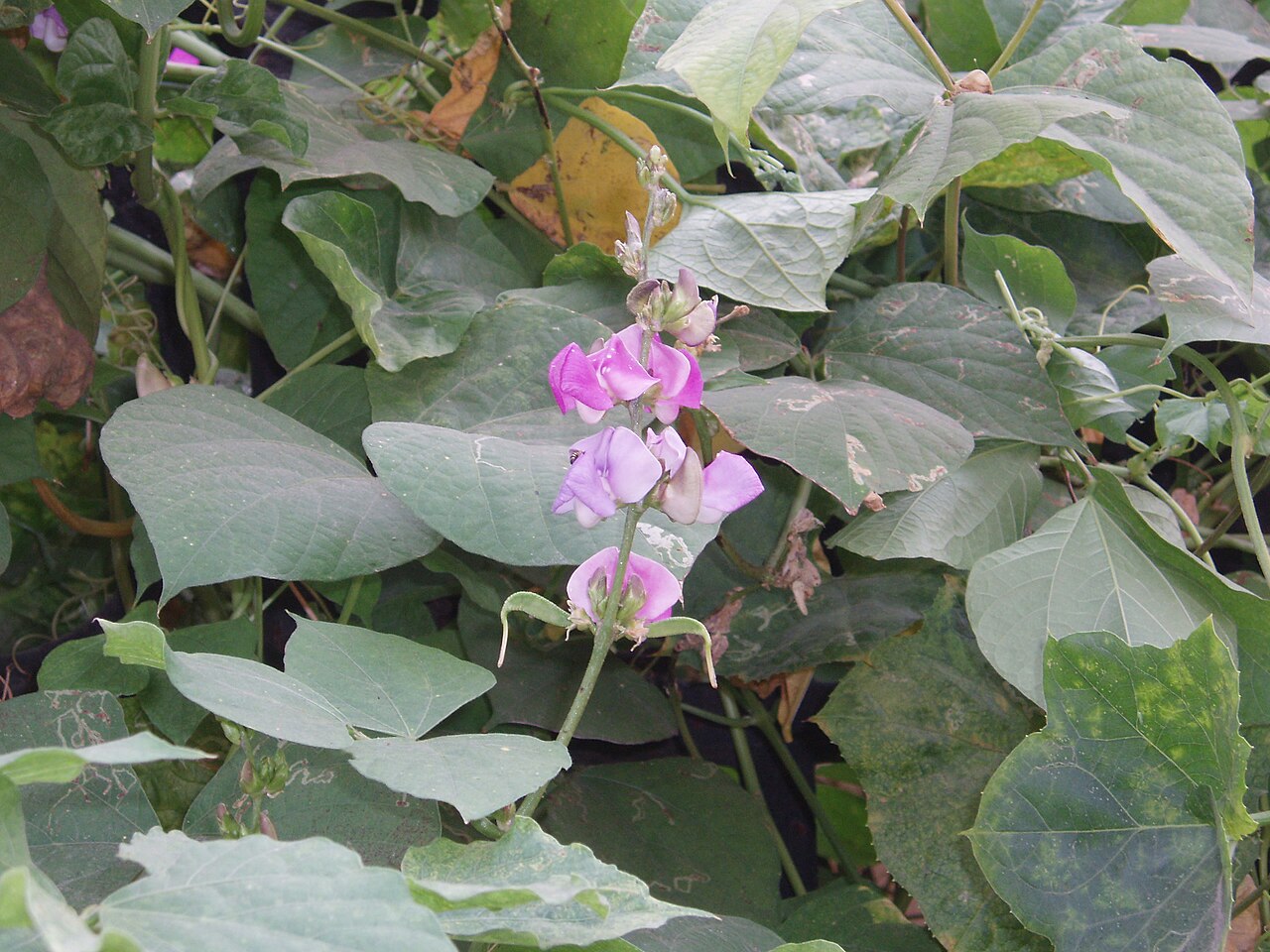
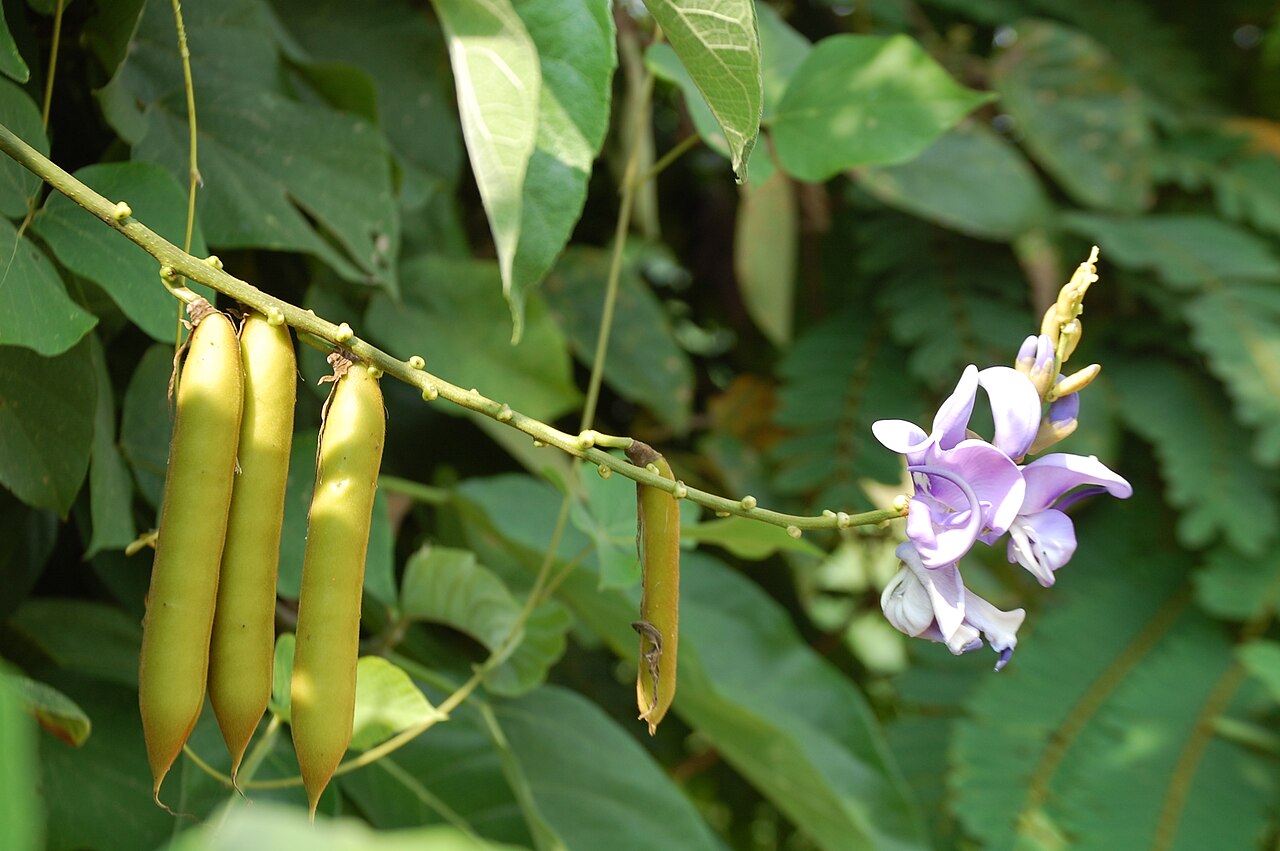
Hyacinth bean, also called lablab, is a vigorous, heat-loving climbing legume with purple stems, pink-purple sweet-pea-like flowers, and showy purple pods — grown as much for ornamental screening as for food. Direct-sow after frost into warm soil (70–95°F for germination), planting an inch deep along a strong trellis, fence, or pergola; vines reach 6–20 feet. Flowering and pod set usually begin 60–90 days from sowing. It is drought-tolerant once established and fixes nitrogen, making it a good cover crop as well as a vegetable. SAFETY FIRST: hyacinth bean pods and beans must be thoroughly cooked before eating — never eat them raw. Traditional preparation boils pods and beans well and discards the cooking water, changing it during boiling.
Water & feeding
Water deeply once a week, especially during flowering and pod formation; sandy soils need more frequent watering. Mulch to hold moisture. Fertilizer is usually unnecessary except in very sandy soils, where a low-nitrogen feed at flowering helps.
Common problems
- Cold soil — wait for warm, frost-free soil; hyacinth bean is a heat lover.
- Aphids and bean beetles — hand-pick and encourage beneficial insects.
- Leaf spot and mildew — space for airflow and avoid overhead watering.
- Tough pods — picked too late; pick young pods at 2–3 inches, before seeds swell.
Harvest
Pick young, tender pods at 2–3 inches for cooking, or let pods mature fully on the plant until dry, brown, and brittle for dried beans. Cook young pods thoroughly, and boil dried beans well, discarding cooking water, before eating. Regular picking of young pods encourages more production. Harvest before the first frost, and save seed from mature, dried pods for next year.
Saving seeds
Read this first, because it is the most important paragraph on this page: raw, mature hyacinth beans are poisonous. The mature seeds carry high levels of cyanogenic glycosides, compounds that can release cyanide in the body, and eating them raw or undercooked can cause nausea, vomiting, weakness, breathing trouble, and worse. Thorough cooking destroys the toxins: dried beans need soaking and then long boiling in plenty of fresh water, with the cooking water discarded, never drunk or reused. Young pods and immature seeds are a different matter, eaten cooked like green beans, but the dry, hard seeds in your seed jar are not a snack, and the jar should be labeled clearly so nobody mistakes saved seed for pantry beans. Keep the plant, and especially its pods and seeds, out of reach of small children who might taste them raw.
With that warning firmly in place, saving hyacinth bean seed is one of the easier seed jobs in the garden, and the plant is generous about it. Leave some pods on the vine past the eating stage until they turn brown, dry, and papery and the beans rattle inside, then pick them on a dry day, shell them out by hand, and spread the beans indoors for a week or two until they are hard enough that a fingernail barely dents them. Discard any that are moldy, shriveled, or insect-damaged. Dryness is everything in Florida: humid air will soften stored beans and invite mold, so store only fully dried seed in an airtight jar with a desiccant packet, in a cool, dark place, and check the jar after a few weeks for any sign of moisture or weevils. Well-dried legume seed kept cool and dry stays viable for several years, but sow a little extra from older jars and test germination on damp paper if the seed is more than a couple of seasons old.
Hyacinth bean is largely self-pollinating, which is good news for seed savers: saved seed usually grows up looking like its parent, even without elaborate isolation. Insects can still carry pollen between varieties, so if you grow more than one hyacinth bean and want each to stay pure, grow only one variety for seed, or accept that a few seedlings may show mixed colors and pod shapes. Save from several healthy plants rather than a single vine, choose pods from vigorous, productive plants, and skip any plant that looked sickly, since seed carries the garden’s selection forward, for better or worse.
One last Florida note, and it is a stewardship matter. In zones 9 to 11, hyacinth bean can self-sow aggressively and escape into natural areas, so a Florida seed saver has a duty that a northern one does not: collect every pod you do not intend to plant, deadhead vines before pods split, and never compost mature pods or toss unwanted beans where they can sprout. The vine that covers your fence in a season is the same vine that can cover a hedgerow, so enjoy the vigor, save the seed, and keep the seed where you put it.
Browse all plant & pest guides
Varieties
Every named variety of Hyacinth Bean with its own growing guide:
- Ruby Moon Hyacinth Bean — The purple-flowered hyacinth bean — magenta blooms, purple pods, and a vine that steals the show.
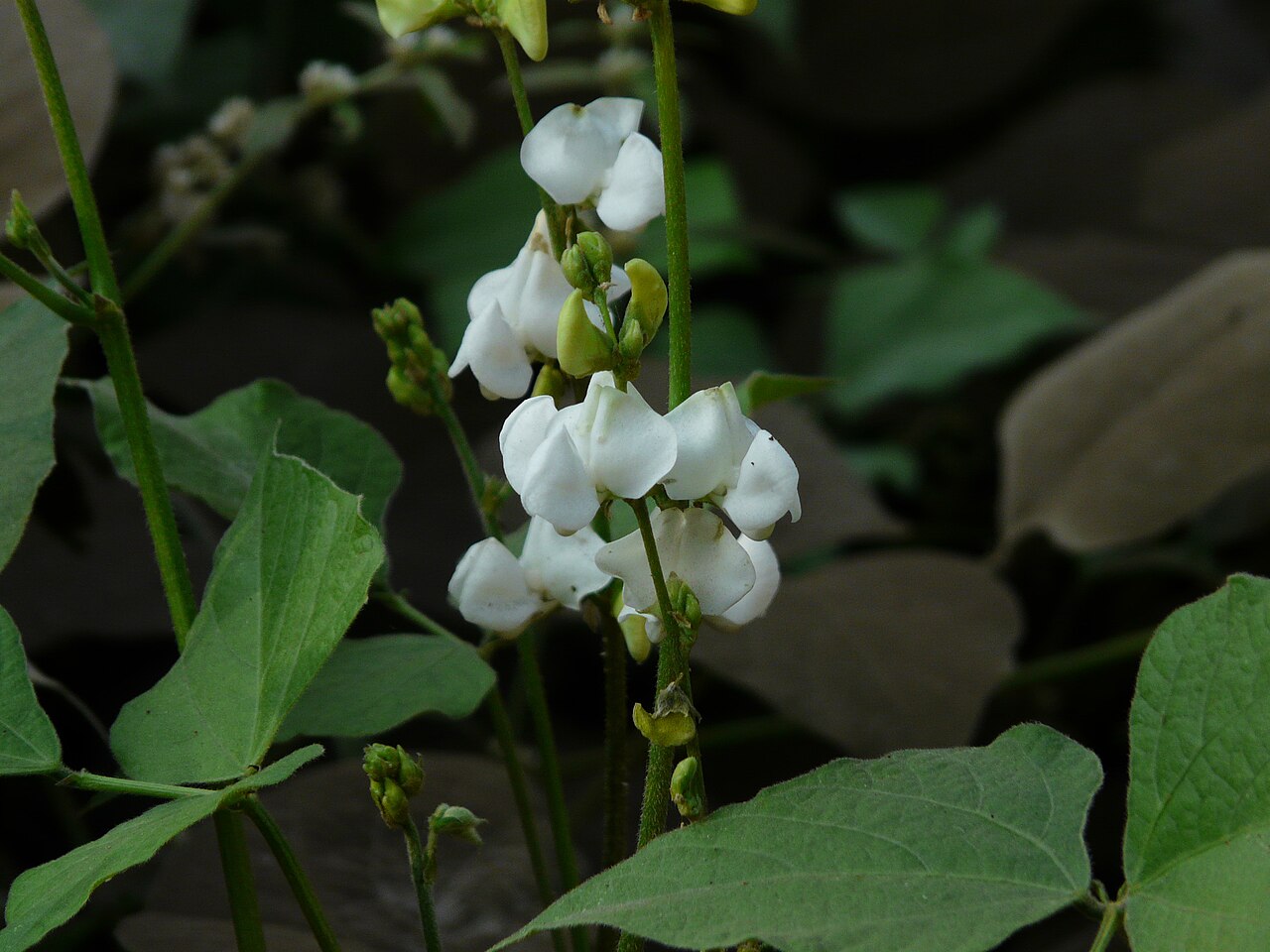
- Silver Moon Hyacinth Bean — The white-flowered hyacinth bean — pale blooms, green pods, and the same vigorous vine in a quieter color.
- Purple Moon Hyacinth Bean — The purple-on-purple vine: violet flowers and magenta pods on the same vigorous, fence-covering vine as Ruby Moon.
- Moonshadow Hyacinth Bean — The pale-flowered vine: soft, light blooms and lighter pods on a vigorous climber — the quieter side of the hyacinth bean.