
🍋 Ichandrin Yuzu
What it looks like
Why this variety
Ichandrin is the yuzu you have probably already met, whether or not it introduced itself. It is the standard US nursery yuzu — the Citrus x junos sold by American nurseries under the name Ichandrin — and most yuzu sold in the US without a cultivar name at all is presumably this type. If you have bought a yuzu tree from a US nursery, odds are good you already own an Ichandrin, and this guide is the one that explains what it will do.
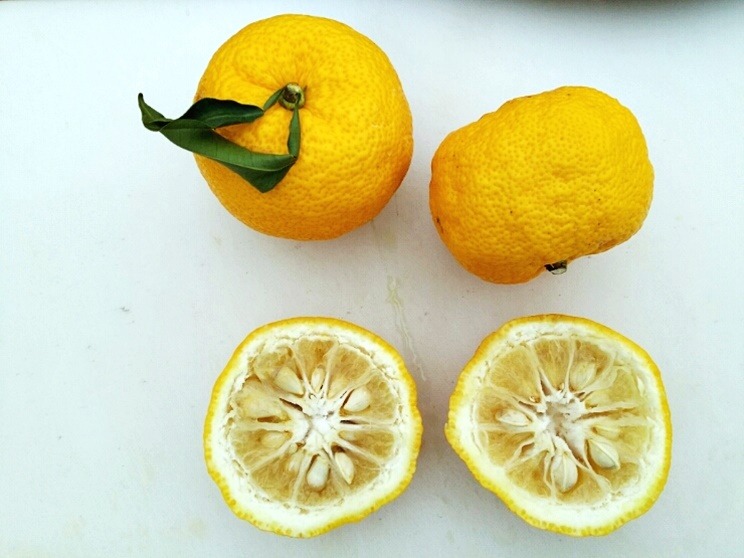
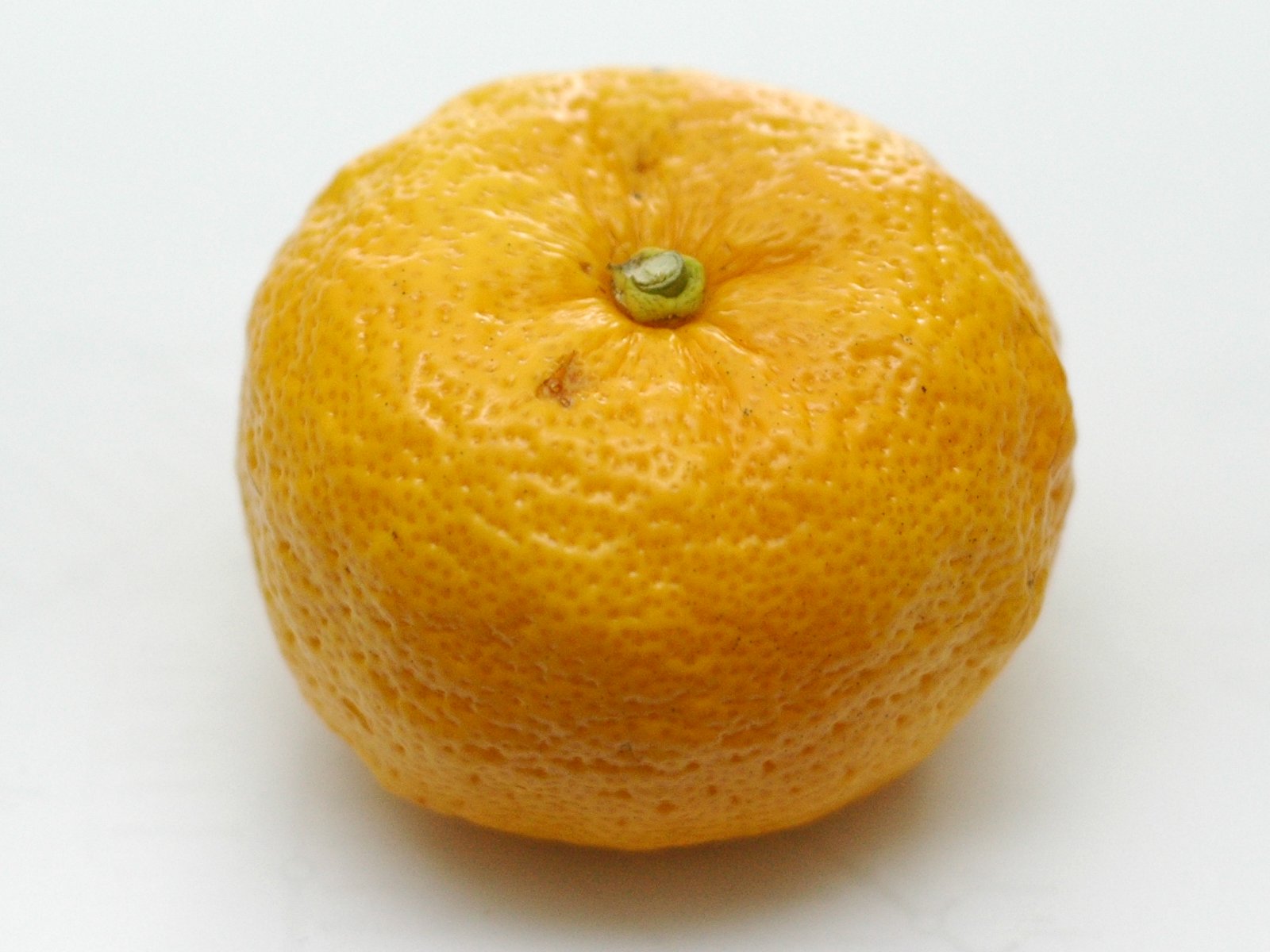
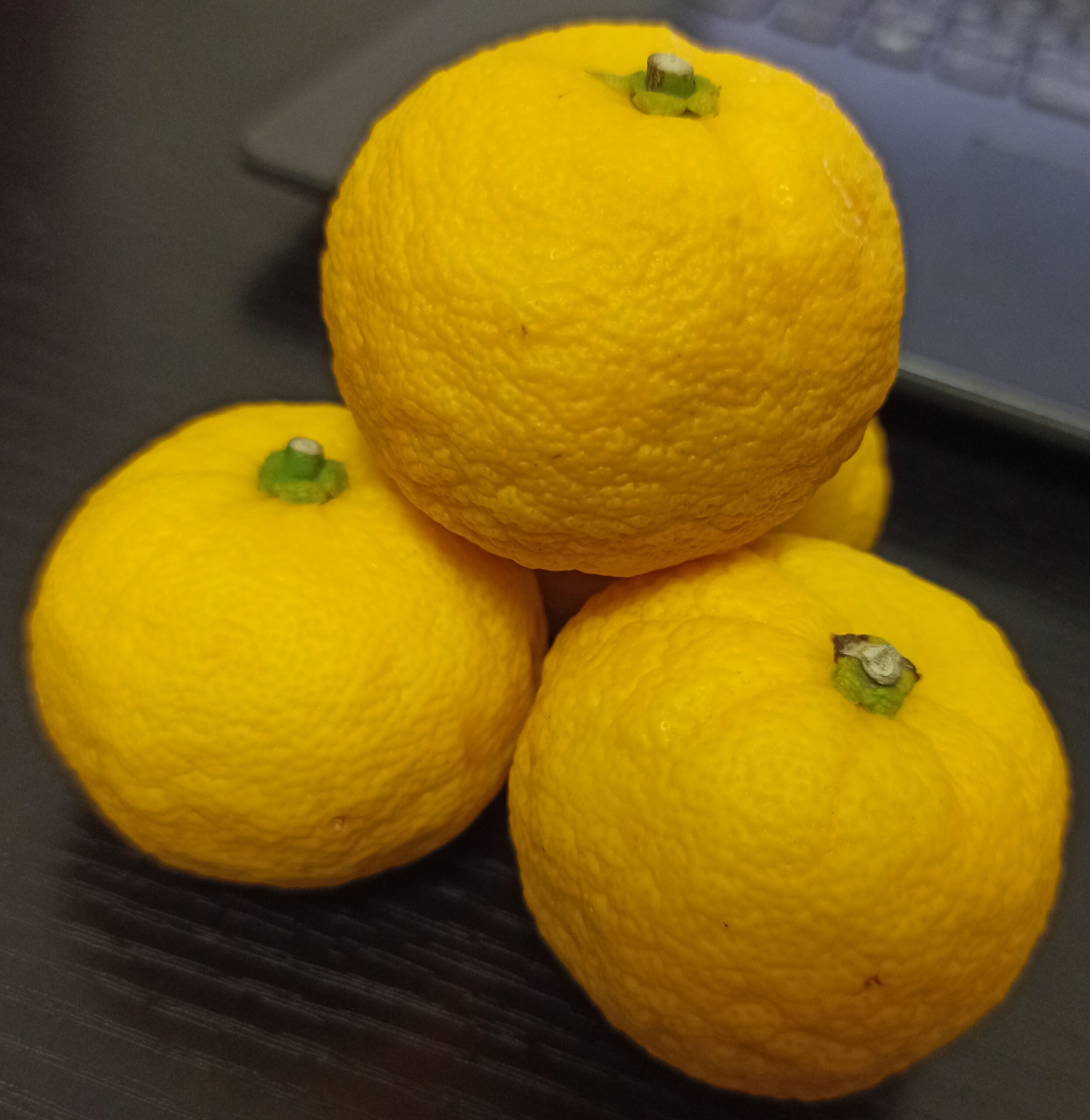
What it will do is perfume your kitchen. Yuzu is grown for zest and juice, not fresh eating: the fruit is seedy, sour, and intensely aromatic, lemon-lime bright with a floral edge that no lemon or lime can fake, which is why chefs pay a premium for it. Ichandrin fruit runs around three inches across, and one fruit’s zest can carry a whole dish. It is also absurdly cold-hardy for a citrus — nurseries list it hardy to about 0°F, which puts it within reach of gardeners far north of the usual citrus line, and it grows well in Florida too. Its main drawback is alternate bearing: a heavy year tends to be followed by a light one, so do not panic when a bumper crop is followed by a quiet season. That is the tree budgeting, not failing.
Two naming honesty notes, because yuzu naming is famously non-standardized. First, Hana Yuzu is a US trade alias for standard yuzu, not a separate variety — do not buy a second tree expecting a different fruit. Second, because yuzu cultivar naming is non-standardized, the same type can travel under several names; Ichandrin is simply the name the US nursery trade settled on for the standard tree.
How to grow
Buy a grafted tree on appropriate rootstock — trifoliate orange is the usual pick where cold hardiness matters. Plant in the warmest, sunniest, best-drained spot you have, with the graft union above the soil, because citrus roots drown in standing water faster than almost any other fruit tree’s. In Florida, citrus greening (HLB), spread by the Asian citrus psyllid, is the defining challenge: start with certified disease-free nursery stock and scout for psyllids on new flush. Container growing works well for marginal zones — wheel the pot inside for freezes. And a Florida shopping note that applies to all of these: almost no national citrus nursery ships trees into Florida under USDA quarantine rules, so buy from a Florida-licensed citrus nursery or through FDACS budwood rather than expecting an out-of-state shipment to arrive.
Plant in spring in well-drained soil in the warmest, most sheltered spot available — a south-facing wall helps in marginal zones. Yuzu trees are often thorny and vigorous, growing 10–15 feet, and generally self-fertile, so one tree fruits. Buy a grafted tree: seedlings can take a decade to bear, and life is short. Prune lightly to shape; yuzu does not want hard annual pruning, and its thorns argue for gloves.
Water & feeding
Water deeply when the top few inches of soil dry out; citrus likes consistent moisture but hates soggy roots, and young trees need more frequent water than established ones. Container trees dry out with impressive speed in Florida sun, so check pots often. Mulch to hold water, keep mulch off the trunk, and feed with a citrus fertilizer through the growing season. Yuzu tolerates some drought once established, but fruit quality drops without moisture, and aromatic fruit is the whole point here.
Common problems
- Frost in marginal zones — plant sheltered and cover on the coldest nights, though Ichandrin is hardier than almost any other citrus you can grow.
- Alternate bearing — heavy years followed by light ones; thin heavy crops if you want steadier production.
- Thorns — site away from paths and prune with gloves.
- Scale and leafminers — treat with horticultural oil and encourage beneficial insects.
- Citrus greening (HLB) in Florida — buy certified disease-free stock and scout for psyllids; there is no cure.
- Slow bearing from seedling trees — buy grafted stock.
Harvest
Pick from late fall into winter, when the fruit is fully yellow and fragrant — yuzu is used mostly for its zest and juice, so harvest when the aroma is strongest, and taste is the test, since color alone can mislead. The fruit keeps for a couple of weeks refrigerated, and zest freezes well for year-round use. One tree in a good year will give you more zest than a home kitchen knows what to do with, which is a wonderful problem.
Browse all plant & pest guides
Saving seeds
Ichandrin is the standard US nursery yuzu, Citrus × junos, grown for zest and juice, and it is planted as a grafted tree on appropriate rootstock — a seedling won’t hold the fruit quality or the cold hardiness. The Saving seeds section of the Yuzu guide covers seed for the species generally.