
🌳 Inga
What it looks like
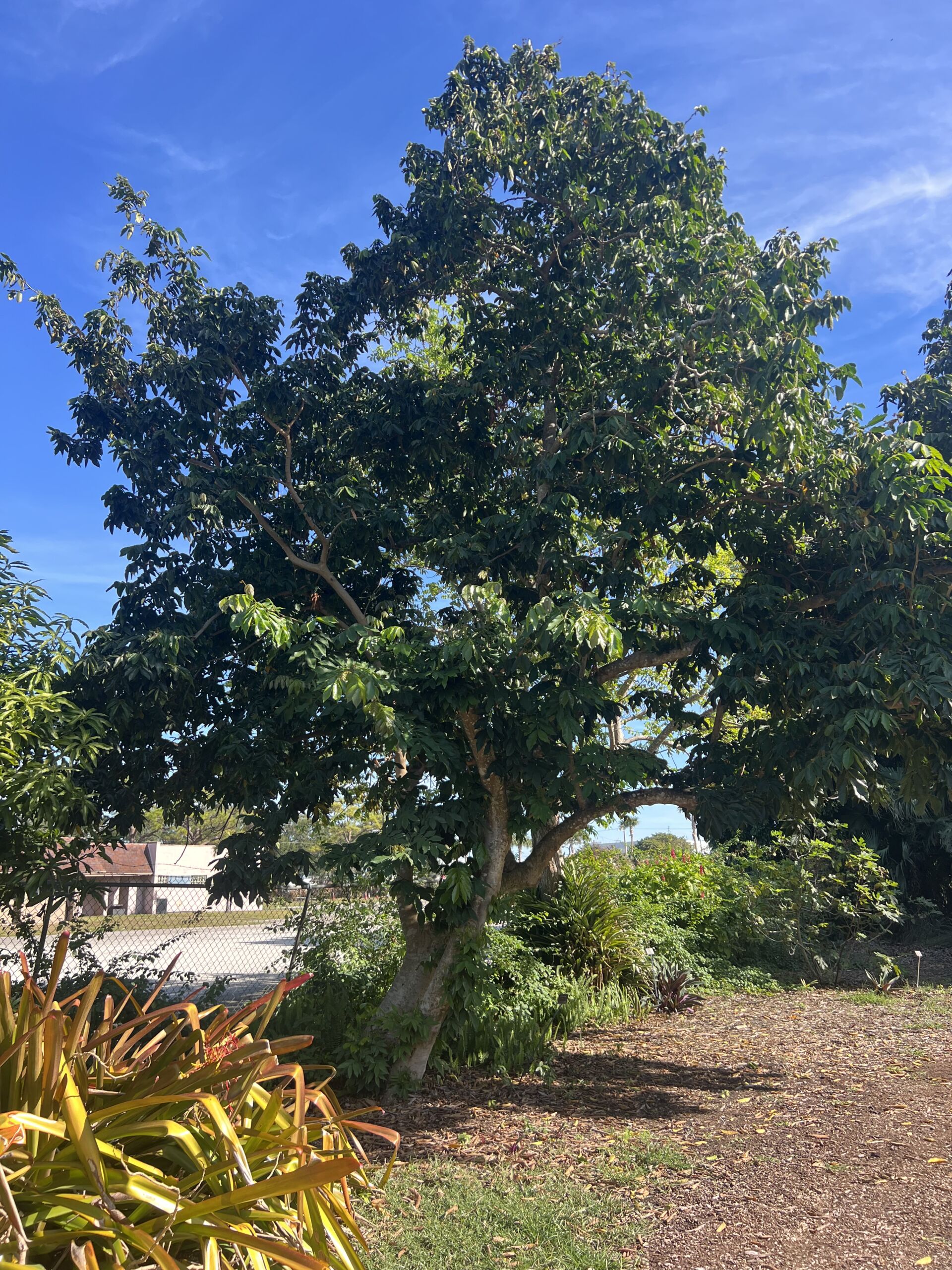
Inga is a genus of approximately 298 to 300 accepted species of small to medium-sized, tough-leaved, nitrogen-fixing trees and shrubs in the legume family Fabaceae, subfamily Mimosoideae. The genus is exclusively neotropical in its native range: from Mexico through Central America and the Caribbean to South America, with the Amazon basin as its core centre of diversity. Trees typically reach around fifteen metres tall, though some species such as Inga edulis can grow to thirty metres. If you have ever stood under a coffee shade tree in Central America, eaten a pod of ice-cream bean from a market stall, or seen a white-flowered tropical tree with pods like giant green beans, you have probably met an Inga — you just did not know its name.
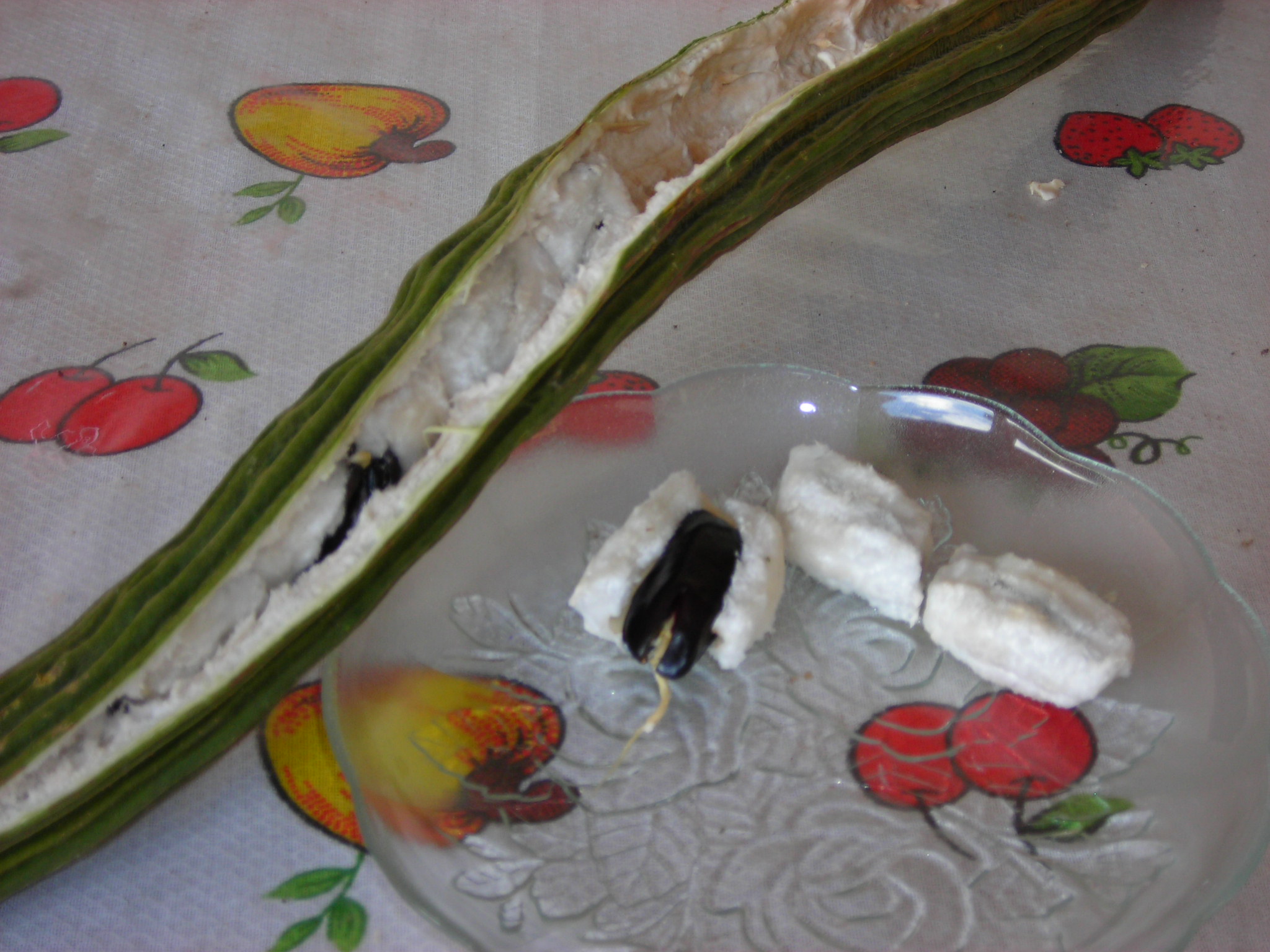
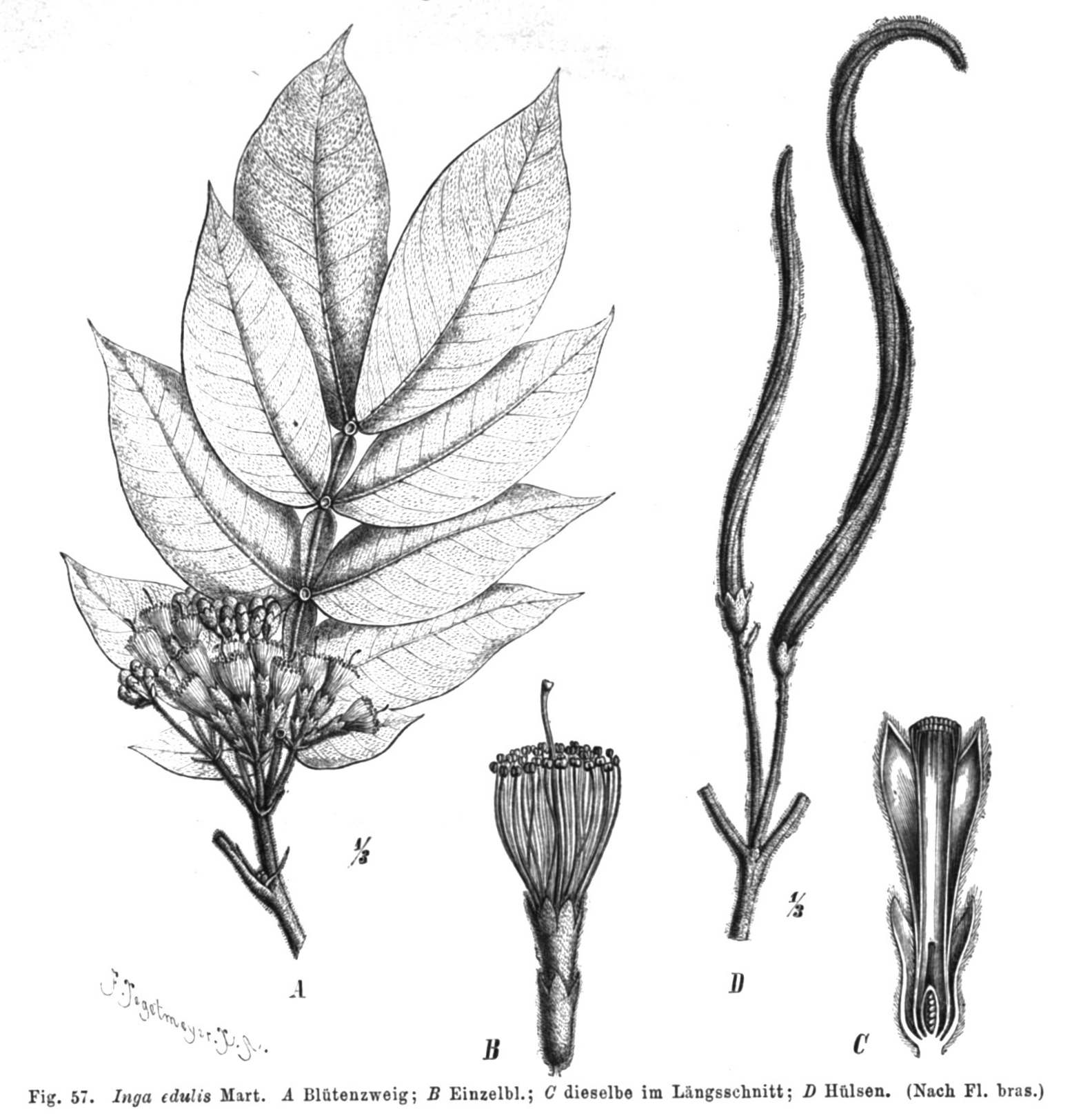
The leaves are pinnate — compound, with leaflets arranged along a central stalk — and the leaf stalk often carries a distinctive feature: small glands between the leaflets, extrafloral nectaries that feed ants, which in turn patrol the tree and discourage herbivores. It is a protection racket run by a plant, and it works. The flowers are characteristically white, in brush-like clusters of many stamens, sweetly scented and pollinated by bees and other insects. The fruit is the famous part: distinctive bean-like pods, usually ten to thirty centimetres long, though in some species they may exceed one metre. Split a pod and you find the seeds embedded in a sweet, fibrous, white pulp that is eaten raw throughout the neotropics — lightly fibrous, rich in minerals, and prized for a sweet flavour sometimes described as vanilla- or perfume-like. The seeds themselves, in species like Inga jinicuil, are eaten when cooked.
The most widely cultivated edible species is Inga edulis, the ice-cream bean, also called guaba or guaba de bejuco, whose pods can reach a hundred centimetres long. Plants for the Future describes it as a fast-growing evergreen tree to about eighteen metres in cultivation, with compound leaves of four to six pairs of leaflets, forming a broad, spreading canopy. Inga vera, also called ice-cream bean, river koko, guaba, and pois doux, is another fast-growing evergreen to about fifteen metres. Inga jinicuil, the jinicuil or cuajiniquil, is a tropical evergreen to about twenty metres with a spreading crown, bright green leaves, and creamy white flowers in clusters. All three share the genus’s signature combination: fast growth, a spreading crown, nitrogen-fixing roots, and pods that children treat as candy.
Inga’s ecological job is as important as its fruit. As nitrogen fixers, Inga species improve soil fertility and are widely planted as shade trees in coffee, cacao, and tea plantations — a use that goes back to pre-Columbian times. The trees grow quickly and so soon make effective shade; they respond well to drastic pruning and so are easy to keep within the required size and shade levels; they promote and maintain soil fertility; and they are effective soil stabilisers. Their leaf litter is high in nitrogen, lignins, and polyphenols, slow to decompose, and provides a long-term build-up of organic nitrogen and effective weed control beneath the canopy. An Inga is not just a tree; it is a fertiliser factory, a shade house, and a weed suppressor that happens to grow dessert.
How to grow
Grow Inga only where it will not freeze, and give it room to be a tree. The genus is frost tender and tropical: cultivation accounts put Inga species, primarily Inga edulis, in USDA hardiness zones 9 to 12, with optimal growing temperatures around 23 to 30 degrees Celsius and a tolerated range of roughly 18 to 35 degrees. Plants for the Future rates Inga edulis and Inga vera hardy to UK zone 10, which is the same message in a different numbering system: this is a plant for the humid lowland tropics and the warmest subtropics, found in the wild at elevations up to about a thousand metres. In the United States that means South Florida, the warmest Gulf Coast pockets, Hawaii, and Puerto Rico for outdoor planting, and a large greenhouse or conservatory everywhere else. A frost will damage or kill it; a hard freeze ends the experiment.
Sun is full sun preferred, though trees succeed in dappled shade — which makes sense for a genus famous as a shade tree, since young Inga are often planted under or alongside the crop they will eventually shade. Rainfall wants to be generous: accounts prefer an annual rainfall of roughly 1,200 to 2,500 millimetres for Inga edulis, tolerating 640 to 4,000, and Inga vera prefers a mean annual rainfall of 1,500 to 3,000 millimetres, tolerating 1,200 to 4,000. In plain language, Inga wants a wet tropical climate or regular irrigation, not a dry Mediterranean summer. It prefers moist soil and can tolerate drought once established, but drought tolerance in a tropical tree is not the same as drought loving, and a young tree in a dry spell needs water.
Soil is the forgiving part. Inga succeeds on a wide variety of soils, including limestone, and tolerates light sandy, medium loamy, and heavy clay soils, provided drainage is reasonable — well-drained to moderately wet is the usual description, and Inga vera is noted as preferring moist soil. Soil pH differs by account: one cultivation summary gives 5 to 6.5 for the genus, while Plants for the Future gives Inga vera a preferred range of 6 to 8, tolerating 5.5 to 8.5, and Inga edulis mildly acid to neutral soils tolerating very acid soils. The honest genus-wide statement is a broad one, roughly pH 5.0 to 8.5 across species, with most species happiest in mildly acid to neutral ground. Do not overthink pH for Inga; think water, warmth, and room.
Plant nursery-grown seedlings in the warm season, in a hole wide enough for the root ball, and stake only if the site is windy — Inga jinicuil in particular is noted as not wind tolerant. Space canopy trees about fifteen to eighteen metres apart, matching the mature canopy spread described for Inga edulis and Inga vera, and closer in agroforestry rows where the trees will be pruned hard and regularly. If you are growing Inga as a coffee or cacao shade tree, the system is the point: plant the Inga first or alongside the crop, prune it drastically to control shade levels, and let the prunings fall as mulch — cuttings from Inga trees, which need constant pruning, also furnish fuel, and the leaf litter builds soil nitrogen over years. A pruned Inga is a working tree, not a neglected one, and it responds to hard pruning better than almost any other shade tree, which is exactly why farmers have used it for centuries.
For the butterfly gardener, the honest note is geographic: Inga is a host plant for sulphurs and the white morpho in the neotropics, and in the United States it matters as a host only where the tree itself can grow outdoors — South Florida and the warm tropics. If you garden in Keystone Heights or anywhere with real winters, Inga is a conservatory curiosity, not a butterfly host you can plant in the yard. If you garden in Miami, it is a shade tree, a fruit tree, a nitrogen fixer, and a butterfly host all at once, which is a lot of jobs for one tree and a good argument for planting it.
Water & feeding
Water Inga generously while it establishes and steadily thereafter. A young tree in its first year or two wants consistent moisture — deep watering that keeps the root zone moist but not waterlogged — and a mature tree in a climate with 1,200 millimetres or more of annual rain mostly waters itself. In drier sites or during a dry season, irrigate to mimic that rainfall; a thirsty Inga drops leaves, stalls, and stops fixing nitrogen at full tilt, because the bacterial nodules need a healthy, growing root system to work with. Mulch thickly with its own prunings or other organic matter to hold moisture and feed the soil slowly.
Feeding is the part where Inga embarrasses the fertiliser industry. As a legume with nitrogen-fixing root nodules, it makes much of its own nitrogen, and some of that nitrogen becomes available to neighbouring plants through leaf litter and root turnover — which is the whole reason it is planted over coffee and cacao. It does not need nitrogen fertiliser, and heavy nitrogen feeding is wasted money. What it may need on very poor soils is phosphorus, potassium, and micronutrients to support growth and nodulation, plus the organic matter that its own leaf litter provides over time. Feed the soil with mulch and compost, not the tree with a bag of blue granules, and let the nodules do the nitrogen work. That is the agroforestry bargain in one sentence: the tree feeds the crop, and you feed the tree with its own prunings.
Common problems
- Frost. The defining limit. Inga is frost tender and tropical; zones 9 to 12 for cultivation, and a freeze can kill a young tree outright. Do not plant it outdoors where winters freeze, and protect container plants from any cold snap.
- Size. These are fifteen- to thirty-metre trees with broad, spreading canopies. A backyard Inga needs a backyard big enough for a canopy tree, not a border slot. Prune hard and regularly if you need to keep it smaller, which the genus tolerates well.
- Wind. Inga jinicuil is noted as not wind tolerant, and large, fast-grown canopies in general catch wind. Site Inga in a sheltered spot, not on an exposed ridge.
- Thirst in dry climates. Inga wants generous rainfall or irrigation. A dry Mediterranean summer without irrigation will stress it, even though established trees tolerate short droughts.
- Pests on stressed trees. Inga jinicuil was the first species cultivated for coffee shade in Central America but is being replaced by other Inga species partly because of susceptibility to pests. Healthy, well-watered trees in their proper climate fare best; a cold-stressed or drought-stressed Inga invites trouble.
- Constant pruning as a shade tree. Inga’s fast growth is an asset that needs managing: as a coffee or cacao shade tree it needs regular, drastic pruning to keep shade levels right. A neglected Inga quickly outgrows the crop it was planted to shade.
Harvest
The harvest is the pod, and it is one of the great pleasures of the tropical garden. Split a ripe Inga pod lengthwise and pull out the seeds coated in sweet, white, translucent, jelly-like pulp. Eat the pulp raw, out of hand — it tastes, famously, like vanilla ice cream, which is how the tree got its English name — or use it to flavour desserts. The seeds of some species, like Inga jinicuil, are eaten when cooked, and Inga edulis seeds are reported as eaten as vegetables with a respectable protein content. The pulp is the delicacy, especially prized by children, and a single long pod of Inga edulis is a snack, a dessert, and a story all at once.
The other harvests are wood and soil. Inga wood is moderately hard, not very heavy, and durable, used for packing cases, piles, construction, and fuel — and the constant prunings from a shade-tree Inga furnish a steady supply of firewood, estimated in one older account at up to five metric tons per hectare per year from coffee-shade prunings, with pods contributing significant biomass as well. And the soil harvest is the slowest and most valuable: years of nitrogen-rich leaf litter building organic nitrogen under the canopy, suppressing weeds, and stabilising soil. A farmer who plants Inga over coffee is harvesting shade this year, fruit this year, firewood every year, and fertility for decades. That is a tree earning its place four times over.
Browse all plant & pest guides
Saving seeds
This section uses the genus-level method for Inga, and it says so, because the genus holds hundreds of tropical legume trees and no single species protocol covers them all. What the genus shares is the important part, and it is urgent: Inga seed is recalcitrant. It does not tolerate drying, it does not wait in an envelope, and it does not forgive delay. One well-studied species keeps for only about two weeks after harvest, and another’s viability rarely exceeds about two weeks in natural conditions, with some seeds even beginning to germinate inside the pod. If you remember one sentence from this section, make it this one: sow Inga seed fresh, or do not bother saving it at all.
Collect pods when they are ripe and full — long, ribbed pods holding large, fleshy green seeds wrapped in sweet white cottony pulp. Open the pods promptly, eat the pulp if the species is an edible one (ice-cream bean pulp is the whole point), and remove the pulp from the seed. Check each seed and discard any that are damaged, discolored, or bored by fruit-fly larvae, which often attack the seed coat late in maturity. Do not dry the seed, do not put it in a paper envelope for next spring, and do not freeze it. If you must hold it for a few days, keep it moist — in the fruit, in water, or in a sealed bag that keeps humidity up — and sow at the first opportunity.
Sow one seed per pot, no more than about an inch deep, in moist, well-drained mix, with a little shade if you can manage it. Fresh Inga seed germinates readily and fast — often within days to a couple of weeks, with germination rates above 90% reported for fresh seed of the best-studied species — and seedlings are normally kept in the nursery for about two months before planting out. Sow during a season of regular rainfall if you are direct-sowing, because a dry spell will desiccate the seed before it ever gets going. As legumes, Inga trees fix nitrogen, so seedlings do not need rich feeding; they need warmth, moisture, and speed.
Seedlings will not reliably repeat a named selection, so use grafting or cuttings for a cultivar you want to clone, and seed for species trees, shade plantings, and restoration work. And be honest about the map: Inga is a humid-tropics genus. In Florida it belongs in the warmest, most frost-protected corners, and even there a cold snap can end the experiment. If your climate cannot offer a frost-free, humid home, admire Inga in a botanical garden rather than nursing doomed seedlings through winter.
Species in this group
Ice-cream bean / guaba — Inga edulis — The most widely cultivated edible species, a fast-growing evergreen to about eighteen metres in cultivation and thirty metres in the wild, compound leaves with four to six pairs of leaflets, broad spreading canopy, pods reaching a hundred centimetres long with sweet white jelly-like pulp; the classic market ice-cream bean of South America.
Ice-cream bean / river koko / guaba / pois doux — Inga vera — A fast-growing evergreen to about fifteen metres by fifteen metres, flowers pollinated by bees, pods ten to twenty centimetres long, narrow and nearly cylindrical; widely planted as a coffee and cacao shade tree from Mexico through the Caribbean to South America.
Jinicuil / cuajiniquil / coffee-shade — Inga jinicuil — A tropical evergreen to about twenty metres by twenty-five metres, spreading crown, bright green leaves, creamy white flowers in clusters, pods about twenty centimetres long and five centimetres wide with slightly sweet creamy white pulp likened to vanilla ice cream; the first species cultivated for coffee shade in Central America, frost tender, not wind tolerant.