
🍈 Kampong Mauve Sugar Apple
What it looks like

Why this variety
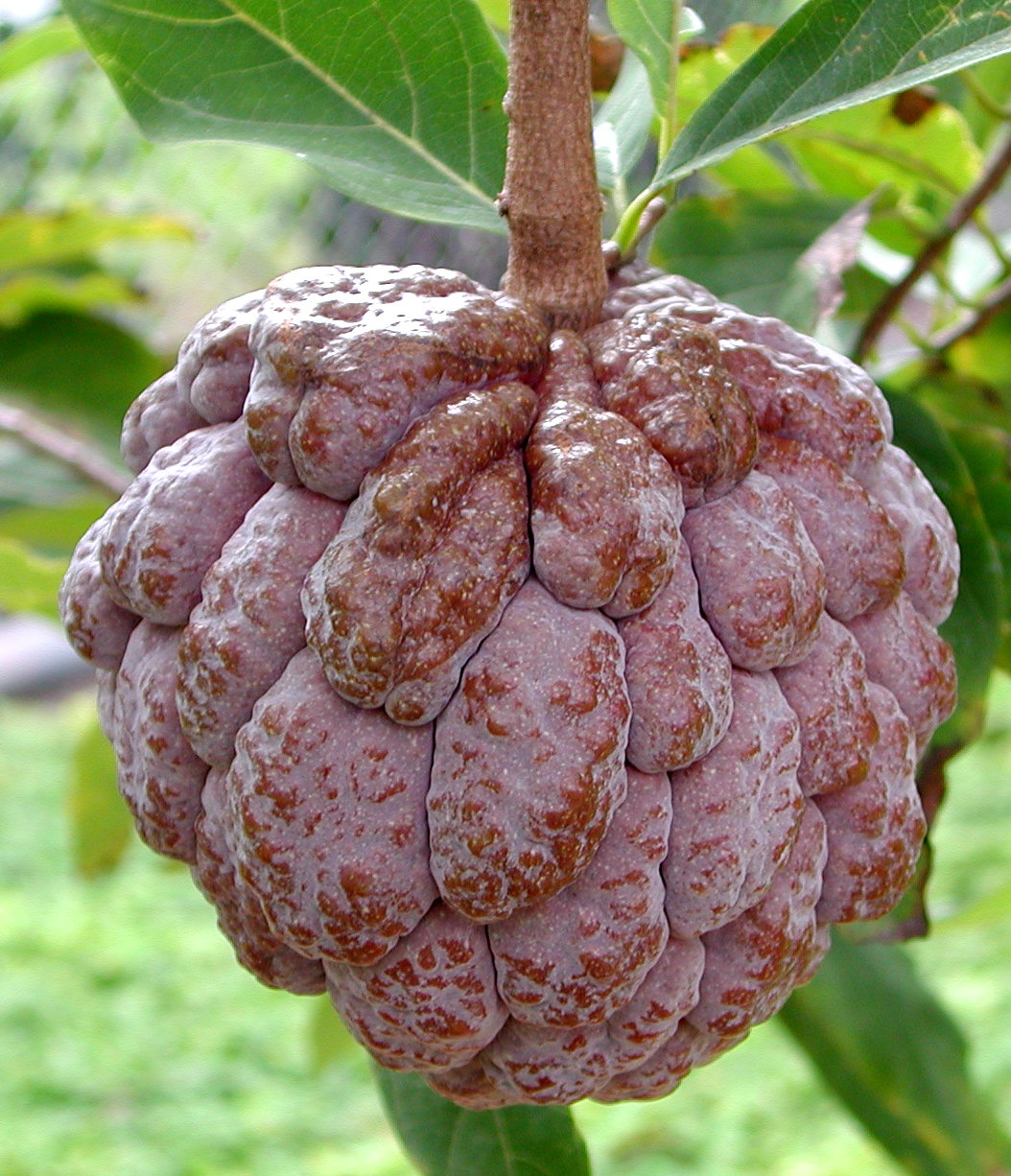
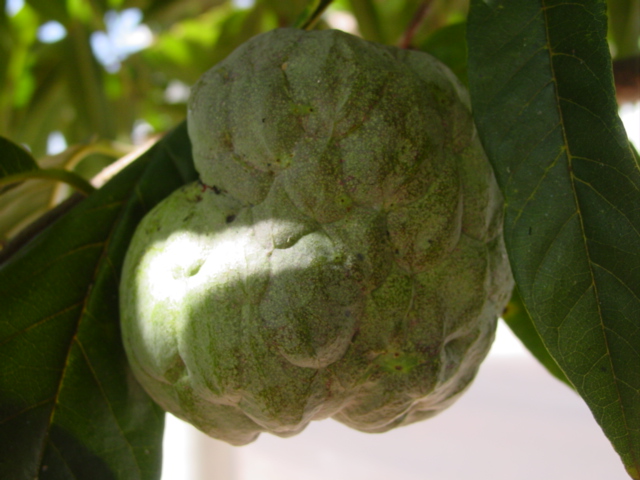
‘Kampong Mauve’ is the sugar apple that stops people mid-sentence: purplish-red skin with a soft bloom, white custard pulp, and a sweet flavor with a berry note that green types do not have. UF/IFAS lists it among the main Florida sugar apple selections, and growers who have fruited both it and ‘Thai Lessard’ often prefer ‘Kampong Mauve’ on flavor while conceding ‘Thai Lessard’ out-produces it. Flavor versus yield is the eternal fruit argument, and this cultivar is the flavor side.
It is also noted for a lower seed count than many sugar apples — fewer seeds per segment means more pulp per bite, which matters when you are eating a fruit with a spoon and a pile of seeds is the price of admission. Plant both ‘Kampong Mauve’ and ‘Thai Lessard’ and you get a taste test, a pollination partner, and a hedge against either one’s off year.
How to grow
Here is the honest Florida part first: ‘Kampong Mauve’ is every bit as tender as any sugar apple — zone 10-11, South Florida, warm microclimates, frost cloth for young trees. Its small-tree habit (12-20 feet) makes protection and pruning practical, which is half the reason sugar apple suits home gardens better than its larger annona cousins.
Plant in full sun and well-drained soil, prune for an open, pickable canopy, and hand-pollinate if set is light. Some growers report ‘Kampong Mauve’ setting less heavily than ‘Thai Lessard’ without help — the paintbrush routine earns its keep here.
Water & feeding
Water deeply but infrequently once established — a long soak that reaches the root zone, then a drying interval, beats daily sprinkles that keep the surface wet and the roots shallow. Young trees need steady water for their first year or two; mulch 3-4 inches deep (kept off the trunk) to hold moisture in sandy soil. Feed with worm castings worked into the mulch ring a few times a year plus a balanced citrus/tropical-fruit fertilizer on the schedule your local extension recommends — and go easy on nitrogen, which grows leaves at the expense of fruit.
Common problems
- Freeze damage — zone 10-11; protect young trees.
- Lighter fruit set than ‘Thai Lessard’ — hand-pollinate for best crops.
- Fruit splitting — steady water through development; mulch well.
- Seed borer and mealybug — inspect fruit; destroy fallen fruit.
Harvest
Pick ‘Kampong Mauve’ when segments loosen and the fruit yields gently, then ripen briefly indoors. The purple skin makes ripeness slightly harder to read than on green types — rely on give and segment loosening, not color alone.
Eat fresh, chilled, with a spoon; the berry-custard pulp is a dessert on its own and a showpiece in fruit salads, where the purple skin (discarded) leaves white-and-blush pulp that looks as good as it tastes.
Browse all plant & pest guides
Saving seeds
‘Kampong Mauve’ is the sugar apple that stops people mid-sentence, purplish-red skin with a soft bloom, white custard pulp, and a sweet flavor with a berry note, and seedlings won’t hold that flavor — plant a nursery-grown tree in full sun and well-drained soil, and hand-pollinate if set is light. The Saving seeds section of the Sugar Apple guide covers seed for the species generally.