
🌸 Kenland Red Clover
What it looks like
Why this variety
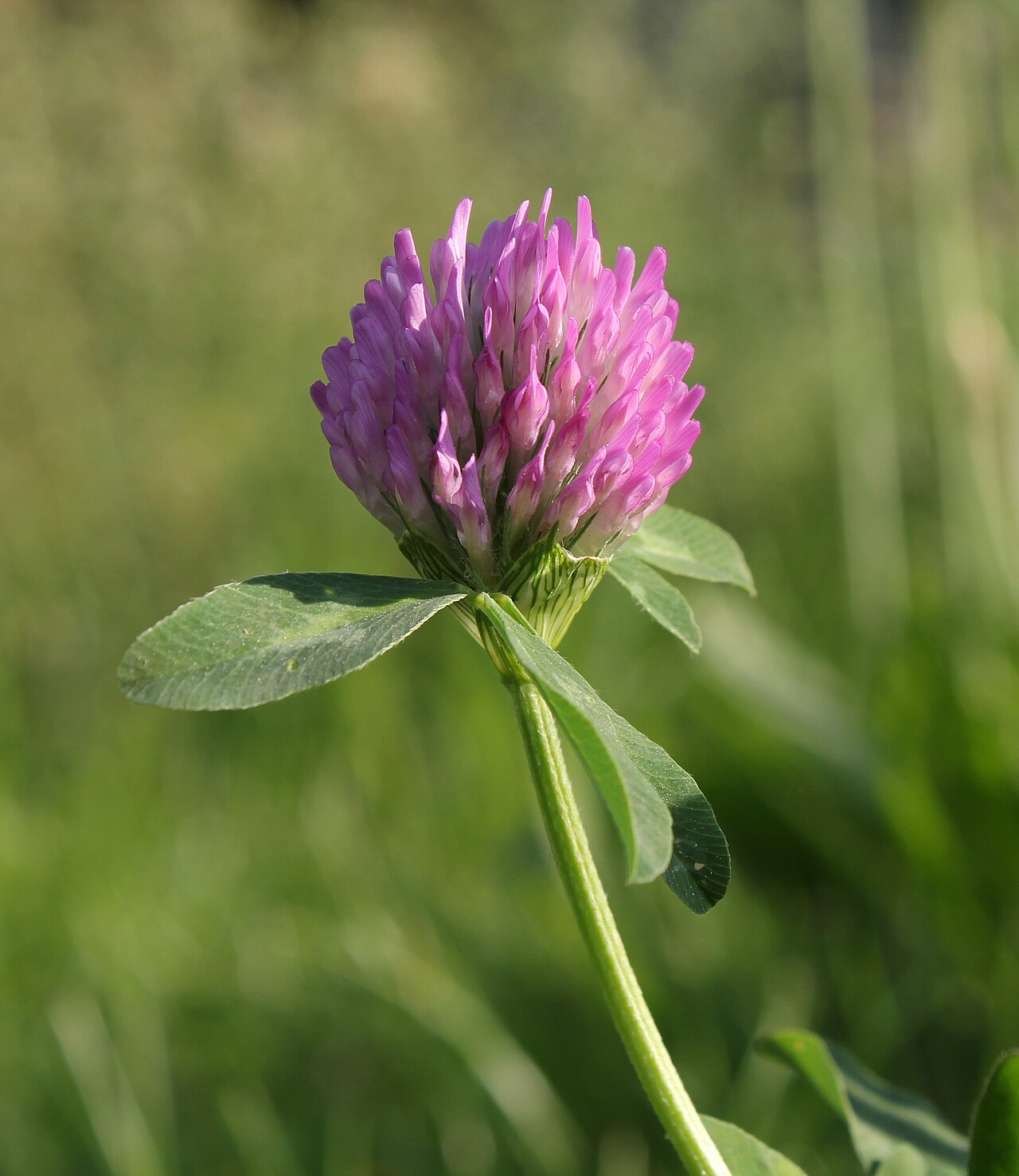
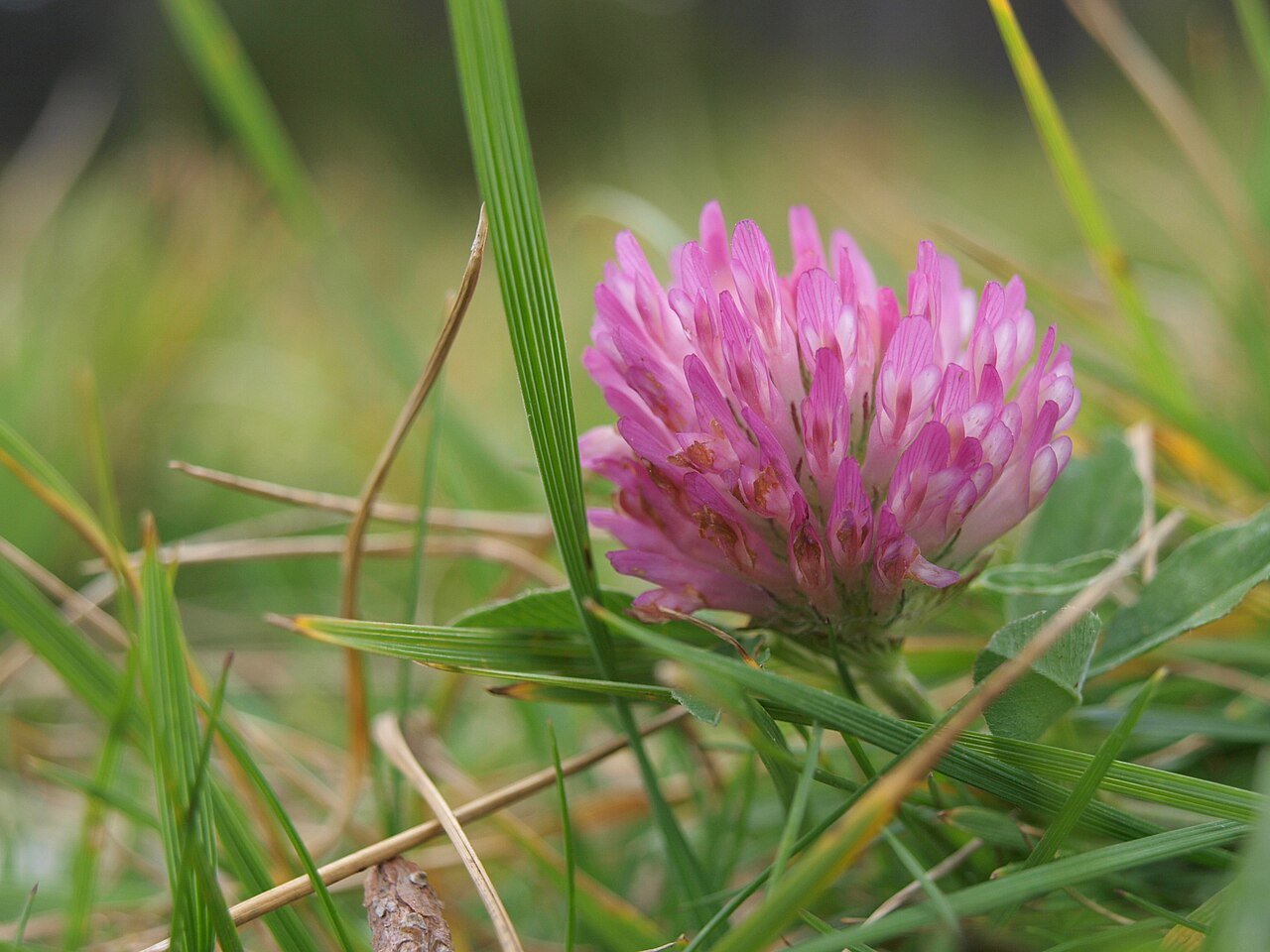
Kenland is the red clover that extension services recommended for decades, and the reason is written in its disease record: released by Kentucky, it resists southern anthracnose — the disease that destroys red clover stands in the southern Corn Belt — and it yields better and lives longer than common, uncertified red clover. Plants are tall, leafy, and erect, with pink-purple to magenta flower heads, growing as a short-lived perennial that can produce for two to three years with care. It is a medium red clover, the early-flowering type that gives multiple cuts, not the late-flowering mammoth type that gives one hay crop and an aftermath.
For a garden, Kenland’s value is soil and bees together: sow it as a cover crop in a resting bed, and it fixes nitrogen, smothers weeds, and feeds pollinators with flowers that bees visit constantly, all while looking like a wildflower meadow rather than a farm field. Its southern anthracnose resistance matters in a humid climate, where common red clover can collapse, and its longer life means a patch sown in fall can still be producing the following spring. Grow Kenland if you want a red clover that lasts, resists, and looks good doing it.
If you are new to choosing between cultivars, the Varieties Matter guide explains why the name after the plant matters as much as the plant itself. And if you want the whole clan at a glance, the broader Red Clover guide covers red clovers generally.
How to grow
Red clover in Florida is a cool-season cover crop and pollinator plant, not a summer lawn: sow in fall, once the heat breaks, in full sun, and expect pink-purple flower heads that bees visit constantly through winter and spring. It is a short-lived perennial, twelve to twenty-four inches tall, that fixes nitrogen, smothers weeds, and breaks up the soil with its roots, which makes it one of the best plants to sow in a bed you plan to rest or replant. Summer heat will end most stands, and that is fine — cut it, compost it, or dig it in as green manure, and it has already done its job. Think of red clover as a living mulch with flowers: beautiful, useful, and seasonal.
Sow in fall in a warm climate, or spring in a cool one, broadcasting seed on a prepared bed and raking in lightly — seed is tiny, so shallow sowing, surface to a quarter-inch deep, is essential — in full sun and soil pH 6.0 or higher. Inoculate seed with red clover rhizobium unless the bed has grown clover before, keep the seedbed moist until emergence, and then water about an inch a week while plants establish. Kenland tolerates wet and lower-pH soils better than many clovers, but it does not tolerate drought well, so in a dry spell, water rather than watching it thin. Cut to two-inch stubble when about 20 percent of plants are in bloom, and repeat at five- to seven-week intervals as it reblooms.
Water & feeding
Red clover wants steady moisture while it establishes — keep the seedbed damp until seedlings are up, because tiny clover seed dries out fast — and then about an inch of water a week while it grows, at soil level. Work worm castings into the bed before sowing, and skip nitrogen fertilizer, because clover fixes its own. Mulch is usually unnecessary in a broadcast patch, since the clover itself becomes the mulch, but in a row planting, a light mulch between rows holds moisture and suppresses weeds. Do not let a new patch dry out in its first month, and do not waterlog it either — clover in standing water rots at the crown.
Common problems
Southern anthracnose is the disease Kenland resists, but northern anthracnose, powdery mildew, and root and crown rots can still appear, especially in wet, crowded stands — rotation, spacing, and air are the defenses. Poor drought tolerance is Kenland’s main weakness, so do not let a new patch dry out, and do not expect it to thrive in a dry, unirrigated bed. Aphids and clover pests may visit, but a garden patch rarely needs spraying, since cutting removes most problems. Do not cut too late in fall before winter, because plants need to store energy in crowns for regrowth.
Harvest
Cut for hay, mulch, or green manure when plants are in early bloom, leaving two inches of stubble, and repeat as plants rebloom. Let some plants flower fully for bees and for seed, if you want to save it. For tea or culinary use, harvest flower heads when fully open and dry them promptly in shade — red clover flowers are a traditional tea herb, though they should be used in moderation and avoided by people on certain medications, so check before brewing medicinally. Save seed from healthy plants; Kenland is cross-pollinated by bees, so seed from a mixed planting will vary, and certified seed is the reliable way to keep Kenland true.
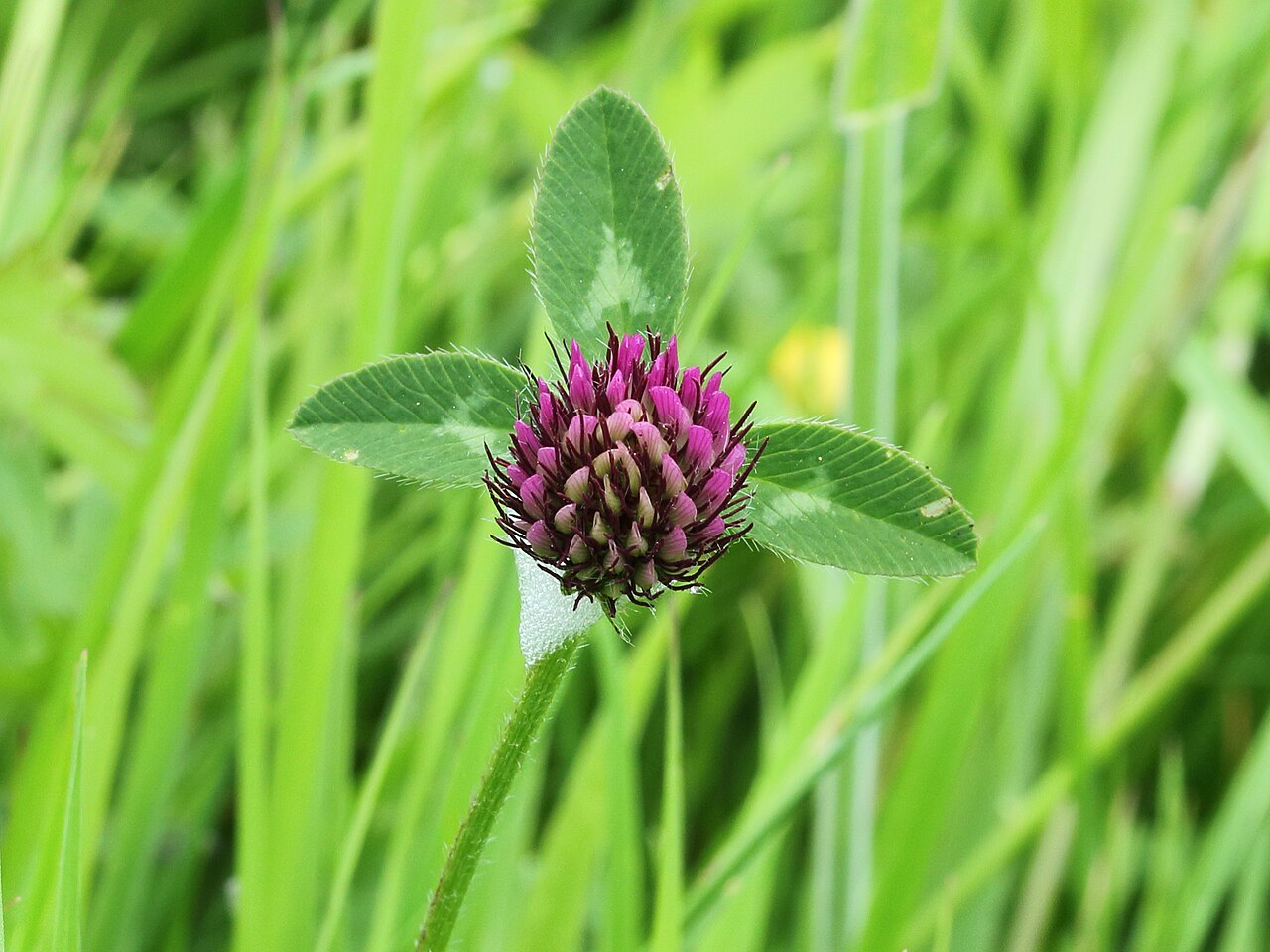
Nerdy fact: Red clover’s trifoliate leaves often carry a pale chevron mark, like a watermark on each leaflet — a field mark so consistent that it helps identify red clover even when it is not in flower, and a reminder that plants sign their work.
Saving seeds
Kenland is the red clover that extension services recommended for decades, released by Kentucky, resisting southern anthracnose and yielding better and living longer than common, uncertified red clover, so saved seed comes true — sow in fall, once the heat breaks, in full sun, and cut it or dig it in as green manure when summer heat ends the stand. The full method is in the Saving seeds section of the Red Clover guide.