
🍋 Key Lime
What it looks like
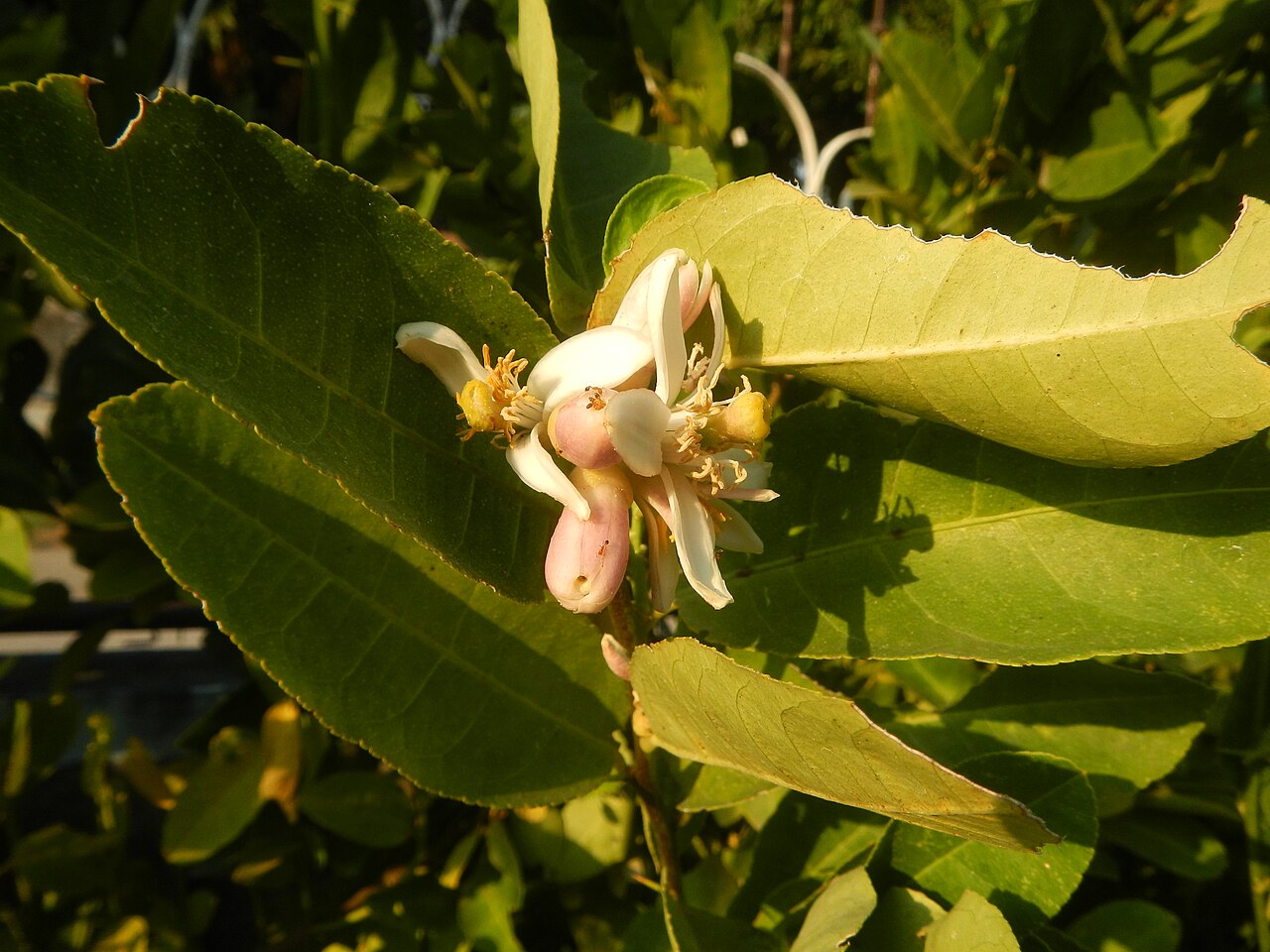
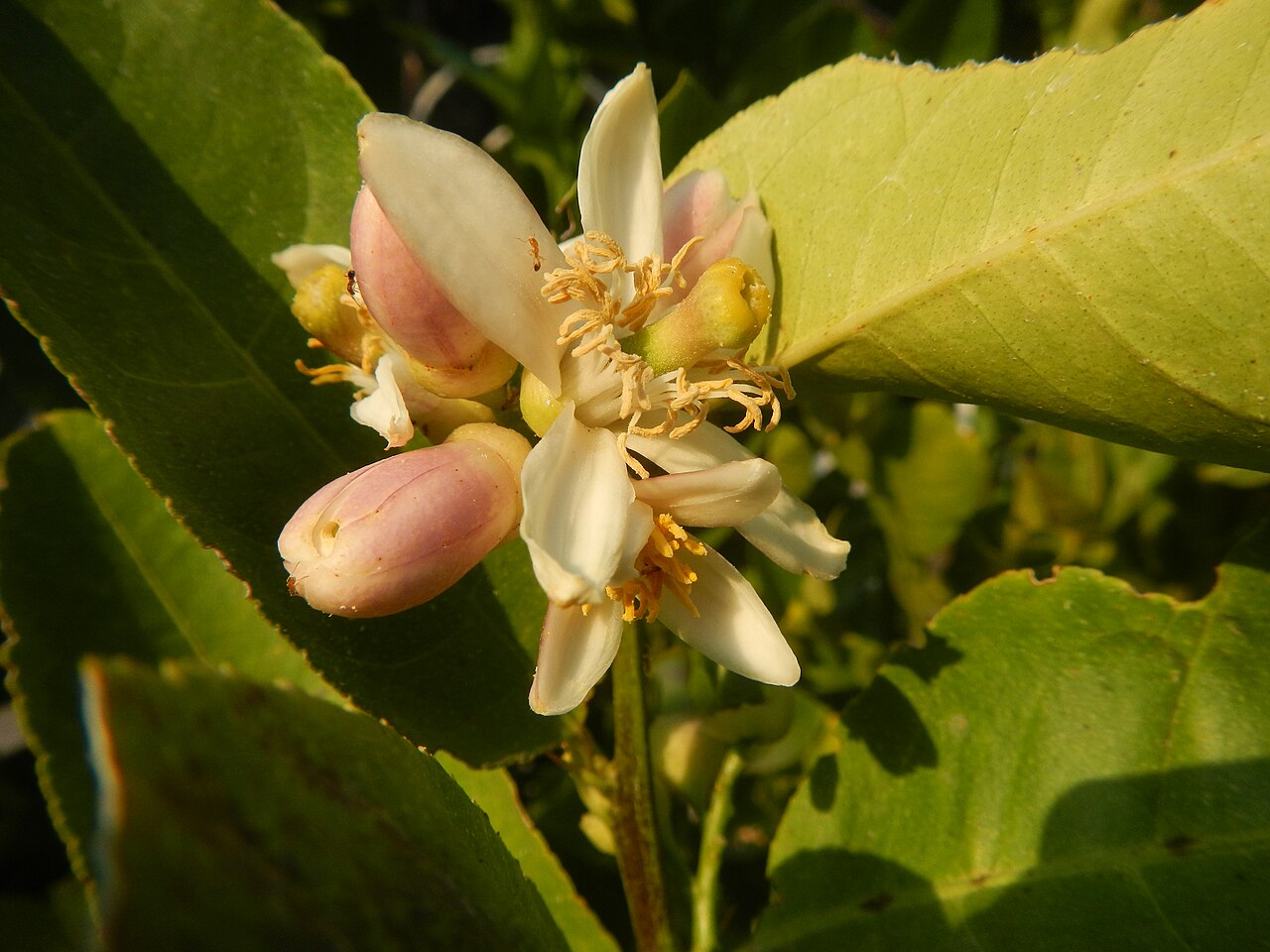

How to grow
Key lime, also called Mexican or West Indian lime, is a small, round, seedy lime with thin yellow-green rind and intensely floral, aromatic juice — the lime of Key lime pie, and a different species from the larger, seedless Persian lime in grocery stores. Grow it in full sun in well-drained soil in zones 10-11 outdoors, or in a pot elsewhere; it is more cold-sensitive than Persian lime and damaged by frost, so container growing is the safe choice for most gardeners. It is self-fertile, thorny, and nearly everbearing in warm climates, flowering and fruiting in flushes. Buy certified disease-free stock, and in Florida and other quarantine states, buy only from approved in-state sources.
Water & feeding
Water deeply when the top few inches dry, more in summer and while fruit swells. Mulch in-ground trees. Feed with a citrus fertilizer in spring and summer; container trees need regular feeding.
Common problems
- Frost — the hard limit; move pots in early.
- Citrus leafminer, scale, and aphids — inspect new growth.
- Citrus greening (HLB) — buy certified stock; no cure.
- Thorns — prune with gloves and site thoughtfully.
Harvest
Pick when fruit turns yellowish and feels heavy for its size; Key limes are used yellow, not green, for the classic pie flavor. Juice promptly — the thin rind means they dry out faster than Persian limes. Use juice and zest in pie, drinks, and marinades.
Browse all plant & pest guides
Saving seeds
Key lime is one of the friendlier citrus to grow from seed, and the reason is a word worth learning: polyembryonic. Most key lime seeds carry several embryos, and most of those embryos are nucellar — exact copies of the mother tree, made without pollination. That is why key limes are on the short list of citrus that usually come true from seed, alongside sweet oranges, grapefruit, and tangerines. There is a wrinkle worth stating honestly: a few of the embryos in a polyembryonic seed are zygotic, the product of pollination, and those seedlings will not match the parent. So seed gives you mostly true copies with the occasional surprise mixed in, and the way to handle the surprise is to grow several seedlings and keep the best.
Start with a fully ripe fruit from a healthy tree. Cut it open, pick out the plump seeds, and rinse off every trace of pulp under cool water. Pulp left on the seed invites mold, and mold is the main thing that kills citrus seed before it ever gets a chance. Do not reach for the fridge and do not wait for a cold spell: citrus seed needs no cold stratification at all, and that is a common mistake worth naming. What it needs is freshness. Viability drops quickly once seed dries out, so sow within a few days of cleaning, while the seed is still plump and moist.
Sow about an inch deep in a loose, well-drained mix, one seed per small pot, and keep it warm — roughly 70 to 80 degrees is the comfortable range, and warmer still, up toward the mid-90s, is reported as ideal. Bright indirect light does the job until the sprout appears, then move it into sun. Expect sprouts often within about two weeks, sometimes stretching to six, and expect more than one seedling from a single seed: that is the polyembryony showing off. When several seedlings crowd one pot, snip the weakest at soil level and let the strongest have the pot, or tease them apart gently while they are still small and give each its own pot.
Grow the keeper on in full sun, potting up as it outgrows each container, and do not rush it into the ground. A seed-grown key lime is a slow investment: it takes years longer to fruit than a grafted nursery tree, and young seedlings are often thornier and rougher than the parent tree was — that juvenility fades with age, it is not a defect. In Florida, the seedling stage is also where our humidity does its worst work: damping-off loves warm, wet potting mix, so water from below or water in the morning, give the pot real drainage, and do not keep the mix soggy. Airflow is a seedling’s friend here.
Two honest notes to close. First, if you want fruit fast, or fruit exactly like a particular named tree, a grafted tree is still the better buy — seed is the patient, nearly free road, not the fast one. Second, do not store key lime seed dry for months and expect much of it: citrus seed is not bean seed, and a packet left in a drawer all winter will mostly be dead by spring. Sow fresh, sow several, keep the best, and let the tree take its time. The pie is worth the wait.
Varieties
Every named variety of Key Lime with its own growing guide:
- Thornless Key Lime — All the pie-worthy Key lime flavour, without the thorns fighting you for it.