
🌿 Knotweed
What it looks like
Knotweed is named for its knees. The genus name Polygonum comes from the Greek poly, “many,” and gony, “knee” or “joint,” for the swollen, often bent nodes along the stems — the little knuckles where each leaf attaches. If you have ever looked at a knotweed stem and thought it looked jointed, like a tiny bamboo or a green knuckle-bone, you have understood the entire genus name without a textbook. The second identification feature is the ocrea: a papery or membranous sheath that wraps the stem at each node, like a tiny collar. Swollen nodes plus a papery collar plus small pink, white, or greenish flowers in the leaf axils or in spikes, and you are in Polygonum country, even before you get to species.
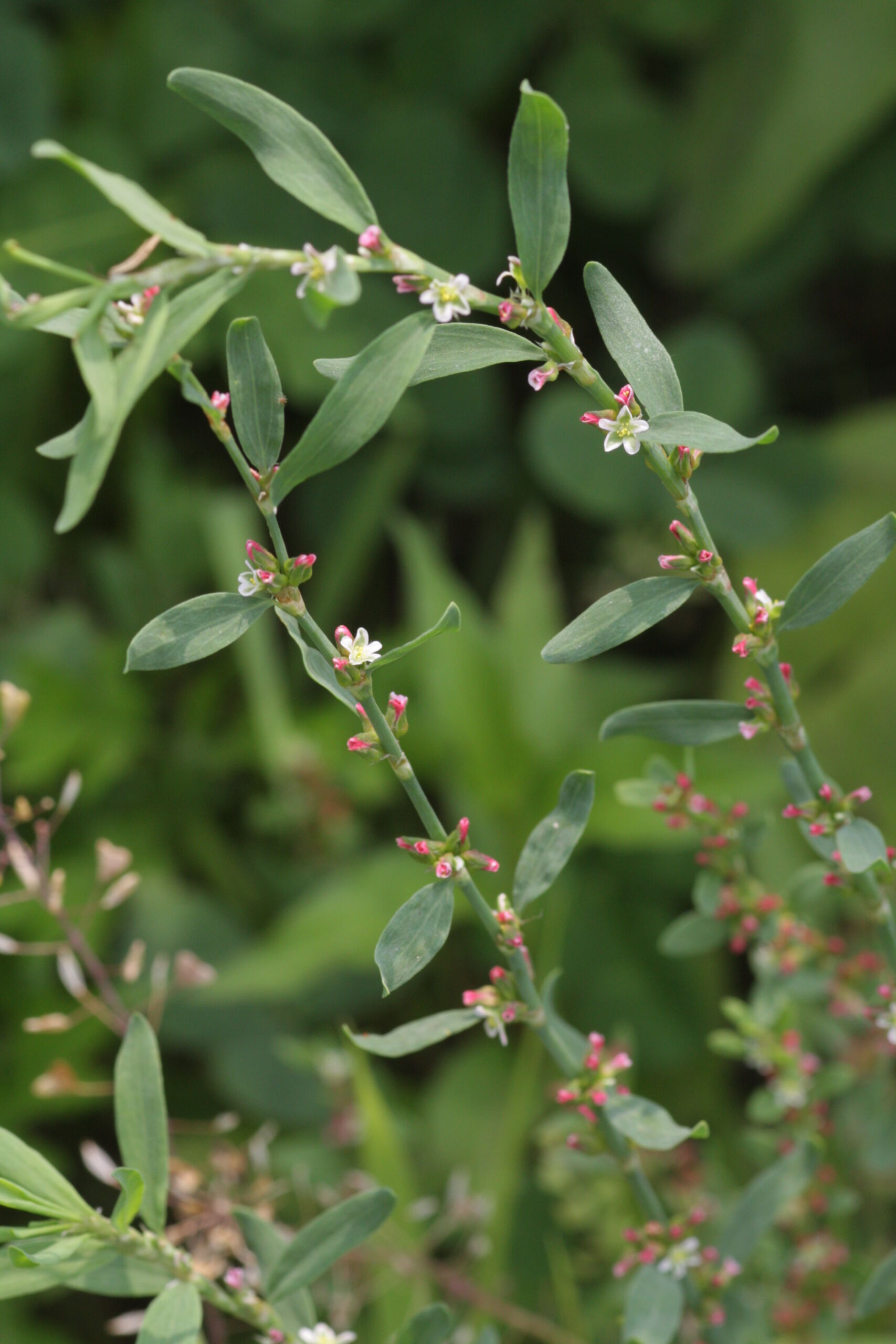
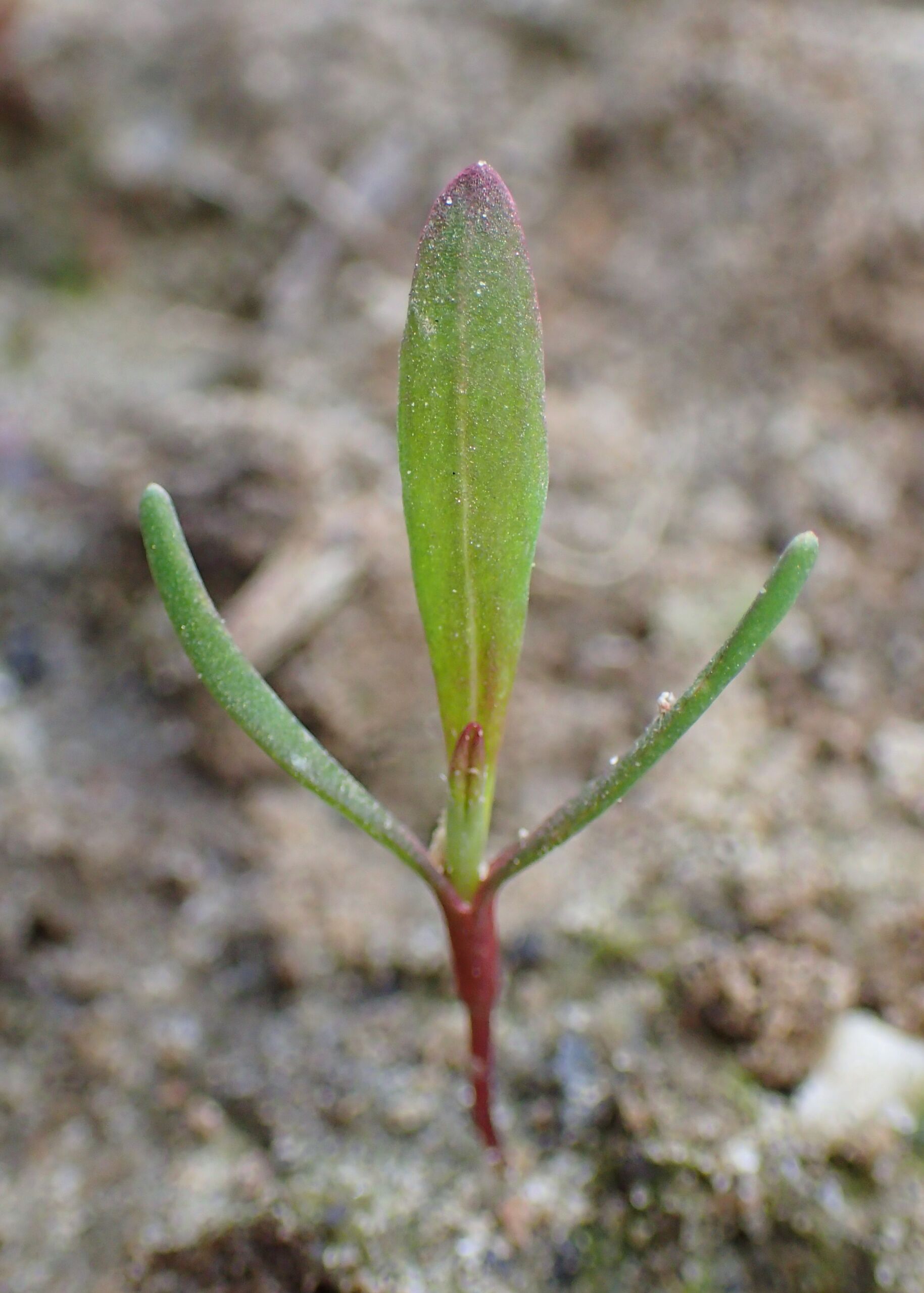
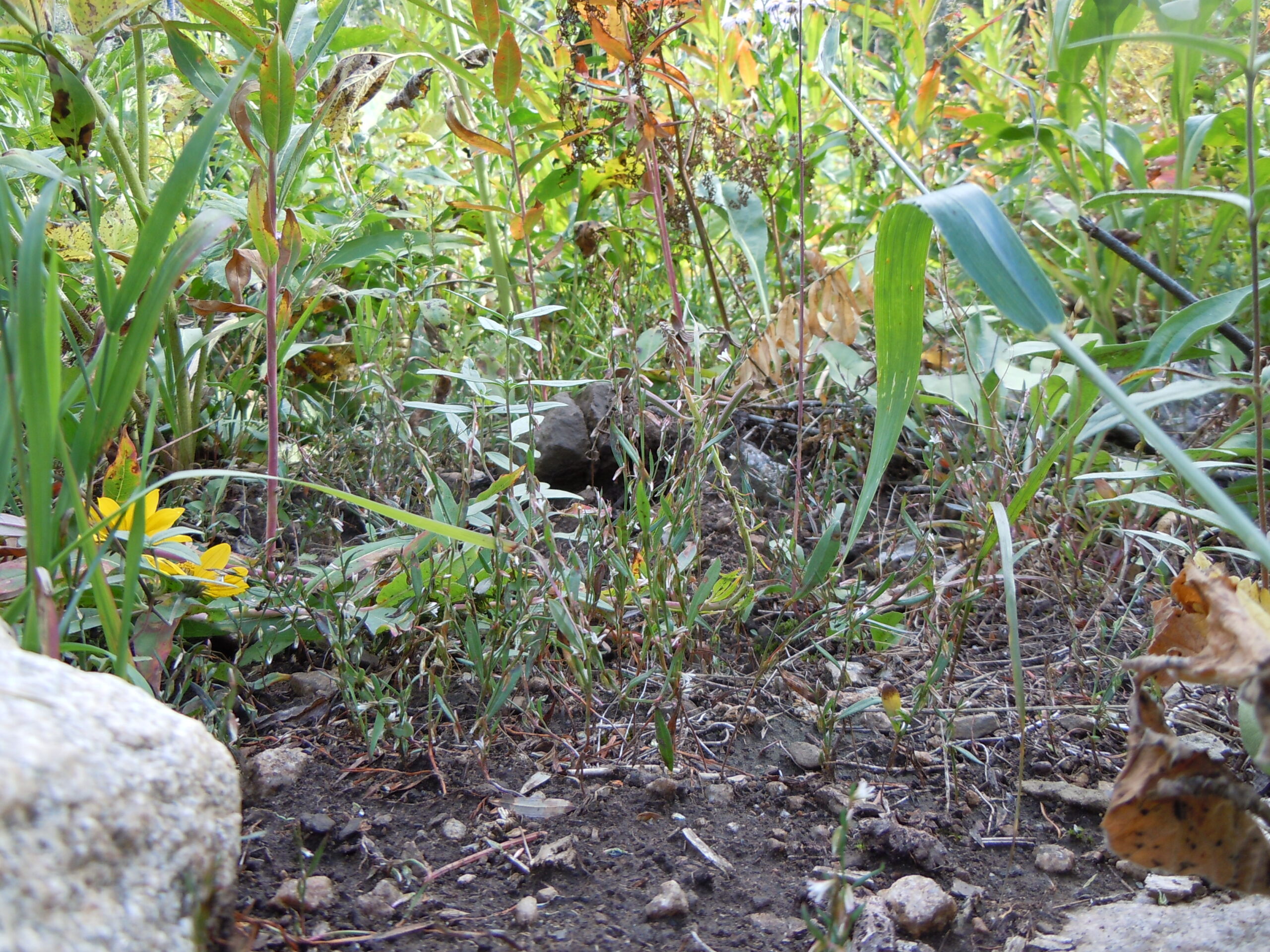
In its strict modern sense, Polygonum holds about 130 species of flowering plants in the buckwheat family Polygonaceae, mostly of northern temperate regions, ranging from prostrate annuals under a few inches tall to erect perennials. In its old, broad sense, it held far more — around 220 species by some counts — because Linnaeus, who described the genus in 1753, stuffed into it almost everything with jointed stems and papery collars. Molecular work in the late twentieth and early twenty-first centuries then carved that empire into separate genera: Persicaria for most of the smartweeds, Fallopia for the climbing buckwheats, Reynoutria for the big knotweeds, Fagopyrum for the buckwheats, and others. Sources still disagree about the exact count and the exact boundaries, and older books and butterfly guides use Polygonum in the broad sense. When a butterfly guide says a copper caterpillar eats “knotweeds (Polygonum),” it is using the name the way field naturalists have used it for decades, and this guide honors that usage while telling you where the taxonomy went.
The knotweed most gardeners actually meet is prostrate knotweed, Polygonum aviculare — also called common knotweed, knotgrass, doorweed, and birdweed. It is an annual with jointed, wiry stems that sprawl 3 to 4 feet outward while rising only 4 to 16 inches, hairless blue-green leaves up to about 2 inches long, a stubborn taproot that pushes into the driest, most compacted soils, and tiny flowers, greenish with red or pink edges, blooming from May to November. It carpets sidewalk edges, gravel paths, field entrances, and the most trampled corner of the lawn — anywhere the soil is compacted and other plants have given up. It is a weed, yes, but it is also a pioneer: one of the first plants to colonize bare, beaten ground, hold it against erosion, and feed seed-eating birds and copper caterpillars while the soil recovers.
Now the warning, in plain language, because this genus has a famous criminal and gardeners keep planting it by mistake: Japanese knotweed is no longer Polygonum cuspidatum in modern treatments — it is Reynoutria japonica, formerly Fallopia japonica — and it is one of the most destructive invasive plants in North America and Europe, with hollow, bamboo-like stems, rhizomes that punch through pavement, and a growth rate that turns a garden into a thicket. Do not plant it. Do not accept a cutting of it. Do not compost it. This guide covers the true Polygonum species, the low, jointed, mostly annual knotweeds and knotgrasses. The giant is a different genus now, and a different problem entirely.
How to grow
Here is the honest version of “how to grow” for a genus that is mostly weeds: you almost certainly do not need to grow it, and the skill is recognition and management, not cultivation. Prostrate knotweed grows itself from seed in full sun on almost any soil, tolerating compaction, drought, sand, gravel, and clay, and germinating after early spring rains — January in zone 9, February in zones 7 and 8, March in zones 5 and 6, April in zones 3 and 4, by one turf-weed account. If you have bare, compacted ground, it will arrive. The way to keep it out of beds is the same as for groundsel: mulch to prevent germination, pull or hoe seedlings as they appear, and pull, cut, or mow larger plants before they set seed. Dense, healthy turf and groundcover are the long-term defense, because knotweed is a plant of vacancies — it fills the gap, it does not usually evict a healthy occupant.
If you are deliberately growing a Polygonum species — and there are a few worth growing on purpose, like the alpine and water species in a wild or rain garden — give it what its habitat tells you it wants: full sun to part shade, moist to wet soil for the water species, well-drained soil for the dry-ground ones, and room for the sprawl. Prostrate knotweed’s own preferences, from the Plants for a Future database, are light to heavy soils from mildly acid to mildly alkaline, semi-shade to full sun, and moist soil, with tolerance for maritime exposure. That is a plant that will grow almost anywhere, which is why it does. For the butterfly gardener, the practical move is not to plant knotweed but to tolerate a patch of it in a wild corner: copper butterflies — bronze, Dorcas, Edith’s, purplish, and lilac-bordered coppers — all use Polygonum species as caterpillar host plants, and the flowers feed adults too. A weedy edge that you mow once, late, after seed set, is a copper nursery. A weedy edge that you spray is not.
Water & feeding
Prostrate knotweed needs no watering and no feeding, and it will colonize the ground you water and feed for other plants. It prefers moist soil but tolerates dry, compacted, infertile ground that defeats lawn grass, which is why it is the plant of the path edge and the parking strip. Do not fertilize it, do not irrigate it on purpose, and do not feel guilty about ignoring it. The water species in the genus are the exception: water knotweed and its relatives genuinely want wet feet, pond margins, and stream edges, and they sulk in dry beds. Match the water to the species, not the genus name, and remember that the genus name now covers plants from dry gravel to standing water.
Feeding, for the gardener managing knotweed, is really about feeding the competition. A lawn or groundcover that is well fed, well watered, and dense leaves no vacancy for knotweed seedlings. A starved, thin lawn is an invitation. So the feeding program that controls knotweed is the feeding program for everything around it: soil-test the bed, feed the plants you want, mulch the bare soil, and let the knotweed find somewhere else to be a pioneer. It will. There is always another sidewalk crack.
Common problems
- It is a weed, and it knows it: Prostrate knotweed spreads by seed, carpets compacted ground, and trips people on sports fields with its wiry stems. Control is mechanical and early: hoe seedlings, mow before seed, mulch bare soil. It is an annual, so a plant that never seeds is a plant that never comes back.
- Japanese knotweed confusion: The dangerous confusion in this genus is not between two small weeds but between the small weeds and the giant. If your “knotweed” has hollow, bamboo-like stems, grows 6 feet or taller, and forms a thicket, it is not Polygonum aviculare. It is Japanese knotweed or its hybrid, and it needs professional invasive-species advice, not a hoe.
- Compaction indicator: A lawn full of prostrate knotweed is telling you the soil is compacted. Aerate, topdress with compost, and overseed the thin spots. Killing the knotweed without fixing the compaction just buys next year’s knotweed.
- Smartweed mix-ups: Many plants once called Polygonum are now Persicaria (smartweeds), and they look similar — jointed stems, papery sheaths, spike flowers. The distinction matters less for butterflies than for plant nerds, but if your field guide says Persicaria and your butterfly guide says Polygonum, they may be talking about the same plant across a taxonomic divorce.
- Allelopathy rumors: Some knotweed accounts claim allelopathic effects — chemicals that suppress neighboring plants. Treat that as plausible but secondary: the main reason knotweed wins ground is that it tolerates compaction and drought that its neighbors cannot, not that it poisons them.
Harvest
There is no crop harvest for prostrate knotweed, and this guide will not invent one. Historically, some Polygonum species have been eaten — Polygonum cognatum is harvested as a pot herb in Turkey, and several members were famine foods — but prostrate knotweed from a sidewalk crack is not a foraging recommendation, and city plants accumulate whatever the street puts down. The real harvest is ecological and it belongs to wildlife: seeds for birds from late summer on, foliage for copper caterpillars all season, and soil stabilization for free wherever the ground is bare and beaten. If you must harvest something, harvest the lesson: the plant growing in the worst soil in your yard is the plant telling you the most about your soil. Listen to it, fix the compaction, and let the knotweed retire to the wild corner where the coppers need it.
Saving seeds
Here is the honest seed-saving advice for this group: do not save it, do not share it, and do not plant it — for any of the species in this guide, and above all for the famous cousin that is not in it. This section exists to explain why, not to teach the technique. The knotweeds in this guide are mostly wild or weedy plants — prostrate knotweed is a sidewalk weed, not a garden plant — and the one knotweed everyone has heard of is one of the most destructive invasive plants in temperate gardens. None of them belongs in a seed box.
Japanese knotweed (Reynoutria japonica, long published as Fallopia japonica and Polygonum cuspidatum) is the plant this guide will not help you plant, and the reason is its root system, not its seed. It spreads by rhizome and stem fragments: a piece of root the size of a fingernail, moved in soil or on a boot, can found a new colony, and the rhizomes push through paving, tarmac, and foundations while the dense stands shade out everything beneath them. In North America the plants are almost all female clones, so seed is rarely the main problem — though where giant knotweed or Bohemian knotweed grows nearby as a pollen source, viable hybrid seed can form. It is listed as a prohibited noxious weed in several states, where no transportation, propagation, or sale is allowed.
So the useful skill here is prevention, and it starts with never digging it up casually. Digging is how knotweed spreads: every fragment you move is a new plant, and the crown can survive composting and drying. If you find Japanese knotweed, do not plant it, do not compost any part of it, and do not move soil from the area. Bag above-ground material and dispose of it with household trash according to local rules, clean boots and tools after working near it, and call your local extension office before you touch the roots — eradication is a multi-year job, usually involving herbicide applied to the standing plant, and it is not a weekend project. Report it rather than fighting it alone.
As for the species this guide actually covers — prostrate knotweed, Douglas’ knotweed, poke knotweed, small-leaved knotweed, alpine knotweed, and water knotweed — the advice is the same in a quieter key: leave wild ones wild. Prostrate knotweed makes abundant seed and a deep taproot and will colonize any compacted bare ground without your help; it does not need you, and your garden does not need it. If you want a tough native groundcover, plant one on purpose from a nursery, and let the knotweeds keep to the sidewalk cracks and stream banks where they already live. A seed envelope labeled knotweed is a problem you chose to carry home, and this is one genus where the best seed-saving decision is the empty envelope.
Species in this group
- Prostrate knotweed — Polygonum aviculare: The sidewalk weed of this guide. Annual, wiry stems 3 to 4 feet outward and 4 to 16 inches up, blue-green leaves, tiny greenish-pink flowers May to November, deep taproot, compaction specialist. Also called common knotweed, knotgrass, doorweed, and birdweed.
- Douglas’ knotweed — Polygonum douglasii: The western native and the lilac-bordered copper’s host plant. Slender, wiry, and so grass-like that it can be almost indistinguishable from the grasses it grows among — which is presumably why the butterflies like it and the botanists argue about it.
- Poke knotweed — Polygonum phytolaccoides: A western species named in Edith’s copper host lists. Taller and more pokeweed-like in habit than the prostrate species, and a reminder that “knotweed” covers more than the sidewalk plant.
- Small-leaved or oval-leaf knotweed — Polygonum arenastrum: The close cousin of prostrate knotweed, with larger green flowers with white or pink edges and narrower leaves. Often confused with P. aviculare, and often growing right beside it.
- Alpine knotweed — Polygonum alpinum: A mountain species of high meadows, now placed in Persicaria as Persicaria alpina in many treatments. Included because older guides and floras still call it Polygonum, and gardeners still meet it under that name.
- Water knotweed — Polygonum amphibium: The amphibious one, of ponds, stream edges, and wet ground, now placed in Persicaria as Persicaria amphibia in many treatments. The wet-feet exception to the dry-ground knotweed rule.