
🌾 Koto Buckwheat
What it looks like
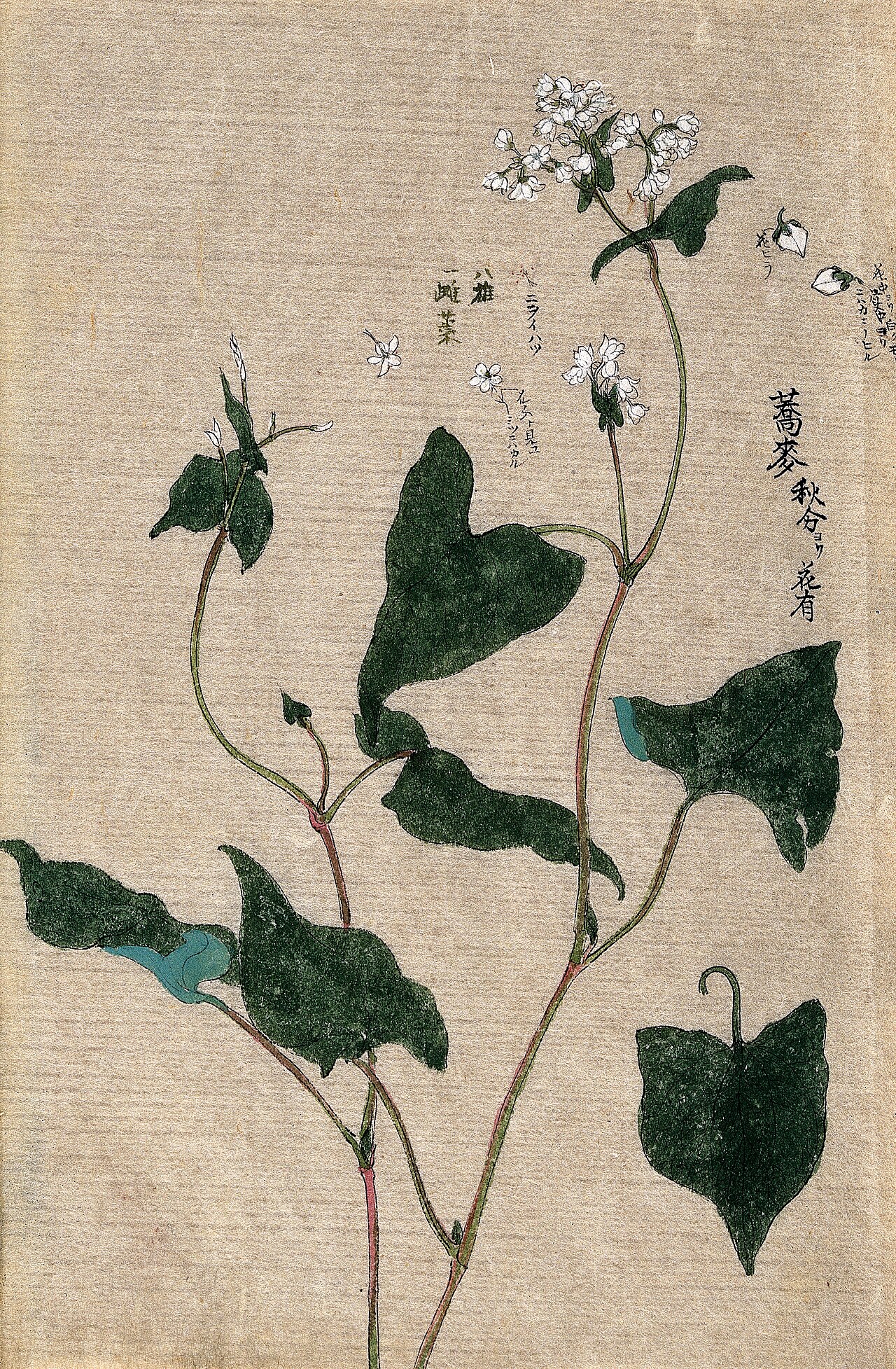
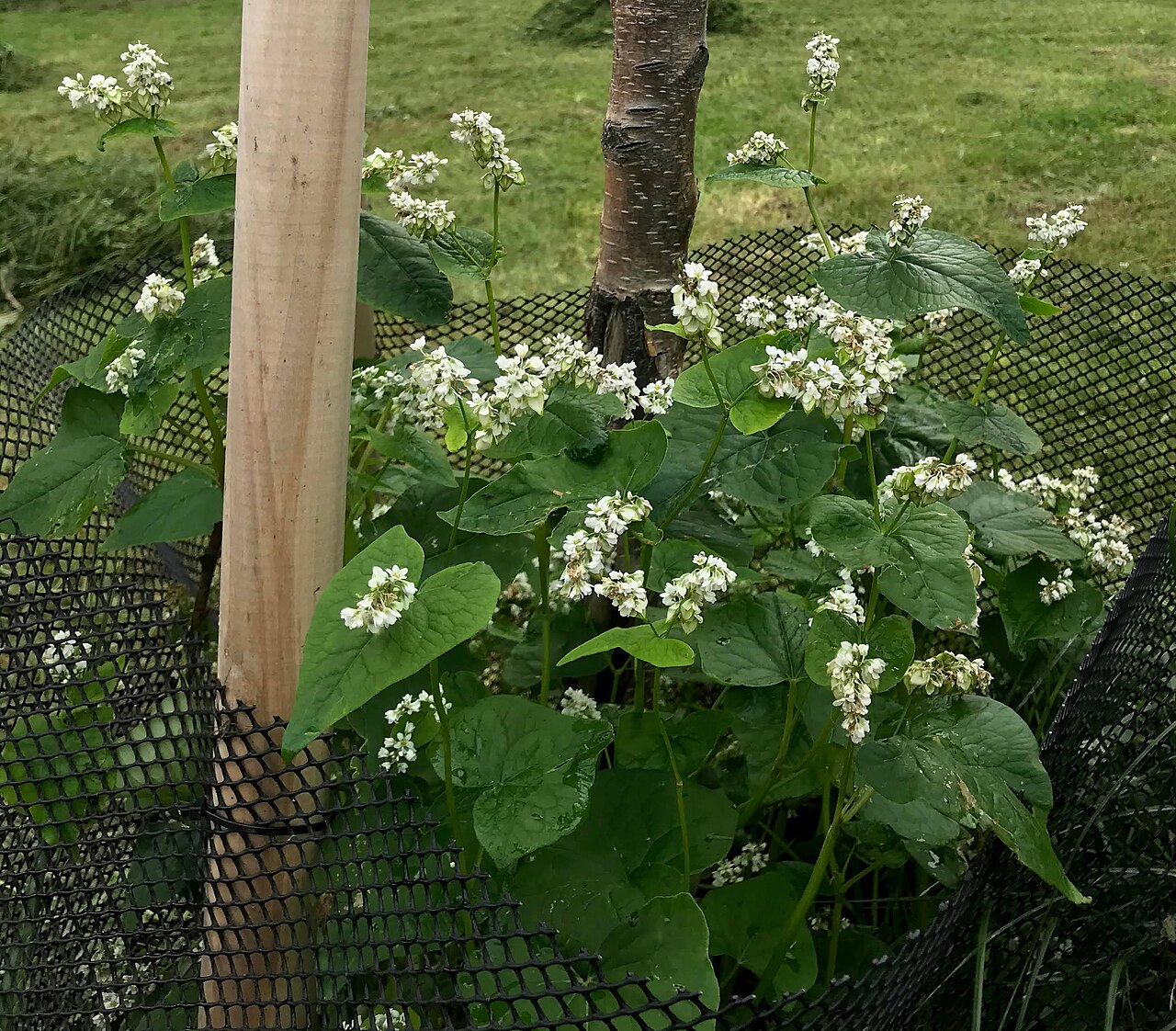
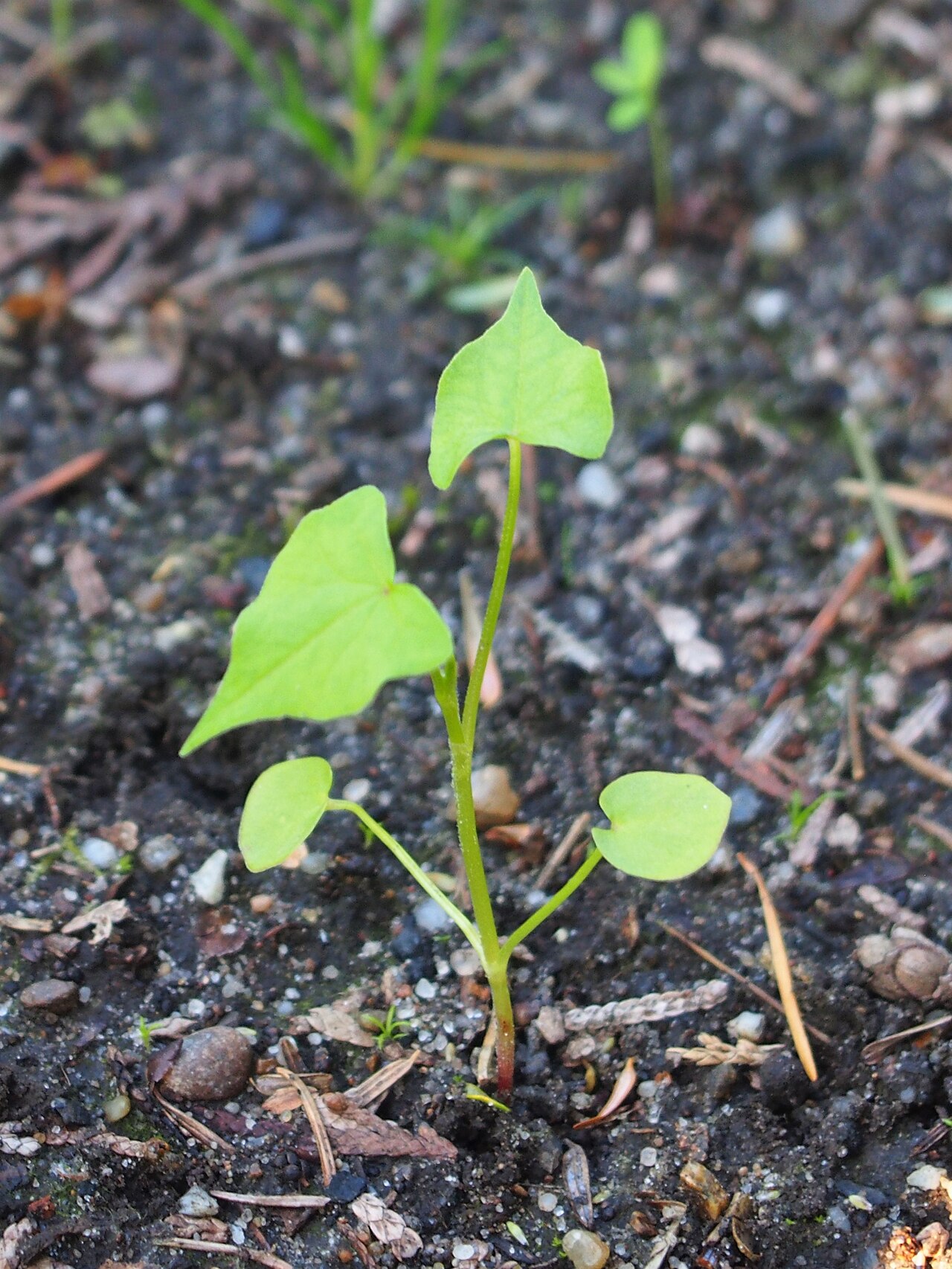
Why this variety
Koto is the modern buckwheat: developed in a joint project between Cornell University and Kade Research, funded by Birkett Mills, and put through commercial trials in New York from 1999 to 2001. Cornell’s trials found it outyielded the older Manisoba by about 13% on average and proved more stress-tolerant, with larger, more uniform seed that mills well.
For a home gardener, the practical difference is reliability: Koto establishes evenly, covers ground fast, and produces a more even seed set for grain or for bee forage. It is the variety to choose if you are growing buckwheat as a crop rather than just as a quick cover.
If you are new to choosing between cultivars, the Varieties Matter guide explains why the name after the plant matters as much as the plant itself. And if you want the whole clan at a glance, the broader Buckwheat guide covers buckwheat generally.
How to grow
In Florida, buckwheat is a summer workhorse: sow it into a bed you want to rest, watch it smother weeds and feed pollinators within weeks, then cut it down before it sets seed if you do not want volunteers. It is frost-tender, so keep it to the warm months.
Sow like other buckwheats: broadcast onto warm, prepared soil and rake in lightly, or drill in rows. It needs warm soil to germinate well and about ten to twelve weeks to mature seed. Water while establishing; after that, it handles dry spells better than most grains.
Water & feeding
Buckwheat is famously unfussy. It grows in poor soil where other crops sulk, but it still appreciates even moisture while getting established. Once it is up and shading the ground, it mostly takes care of itself — that is the whole point of a cover crop.
Common problems
Few pests trouble buckwheat, and Koto’s stress tolerance is part of its appeal. The usual cautions apply: frost kills it, and seed left to shatter will volunteer — welcome in a cover-crop rotation, less welcome in a tidy bed.
Harvest
Harvest grain when the majority of seeds are brown and the plants are drying down, then thresh by hand for small plantings. For bee forage and soil building, let it bloom fully and cut before the seed shatters.
Nerdy fact: Koto’s seed is notably larger and more uniform than older varieties — Cornell’s trial tables show most of its seed in the larger screen sizes, which is exactly what millers want and what makes hand-threshing less fiddly.
Saving seeds
Koto is the modern buckwheat, developed in a joint project between Cornell University and Kade Research, funded by Birkett Mills, and put through commercial trials in New York from 1999 to 2001, a public open-pollinated release, so saved seed comes true — sow like other buckwheats, broadcast onto warm, prepared soil, and isolate from other buckwheats since the species cross-pollinates. The full method is in the Saving seeds section of the Buckwheat guide.