
🌼 Kousa Dogwood
What it looks like
How to grow
Kousa dogwood is a small East Asian tree, 15–30 feet tall and wide, and it is the answer if you love dogwoods but not their diseases. Unlike our native flowering dogwood (see the Dogwood guide), kousa is resistant to dogwood anthracnose and dogwood borer, the two problems that have hammered Cornus florida for decades. It blooms two to three weeks later, after its leaves are out, with pointed white bracts that last for weeks — the showy “petals” are modified leaves, just as in flowering dogwood, surrounding tiny true flowers.
Plant in fall or spring in moist, fertile, loamy, well-drained soil, with room for roots to spread and for the young upright form to broaden into layered, horizontal branches with age. Kousa tolerates a wider range of soils than flowering dogwood, but it does not tolerate drought — deep-water during hot, dry spells and mulch widely to hold moisture. Prune only to remove dead or crossing branches, after flowering.
USDA zones
Kousa dogwood grows best in zones 5–8. It is slow-growing — roughly 10 feet in 15 years in some accounts — so buy the largest tree you can afford and be patient. In Florida, kousa is essentially a non-starter except possibly the coolest corner of the Panhandle in zone 8; the rest of the state is too hot for a tree that wants a cool temperate climate.
Water & feeding
Water deeply the first few years and during drought; established trees handle normal rainfall but sulk in dry heat. Mulch the root zone to conserve moisture and keep mowers away from the trunk. Feed lightly with compost or worm castings in spring if growth is weak — kousa is not a heavy feeder, and rich feeding pushes soft growth.
Common problems
- Drought stress — leaf scorch and poor flowering in hot, dry summers. Site with afternoon shade and mulch, and water deeply.
- Slow establishment — kousa takes its time. Do not judge a young tree’s shape or flowering in its first two years.
- Scale and borers — far less troubled than flowering dogwood, but stressed trees still attract pests. Keep trees watered and avoid trunk wounds.
Harvest
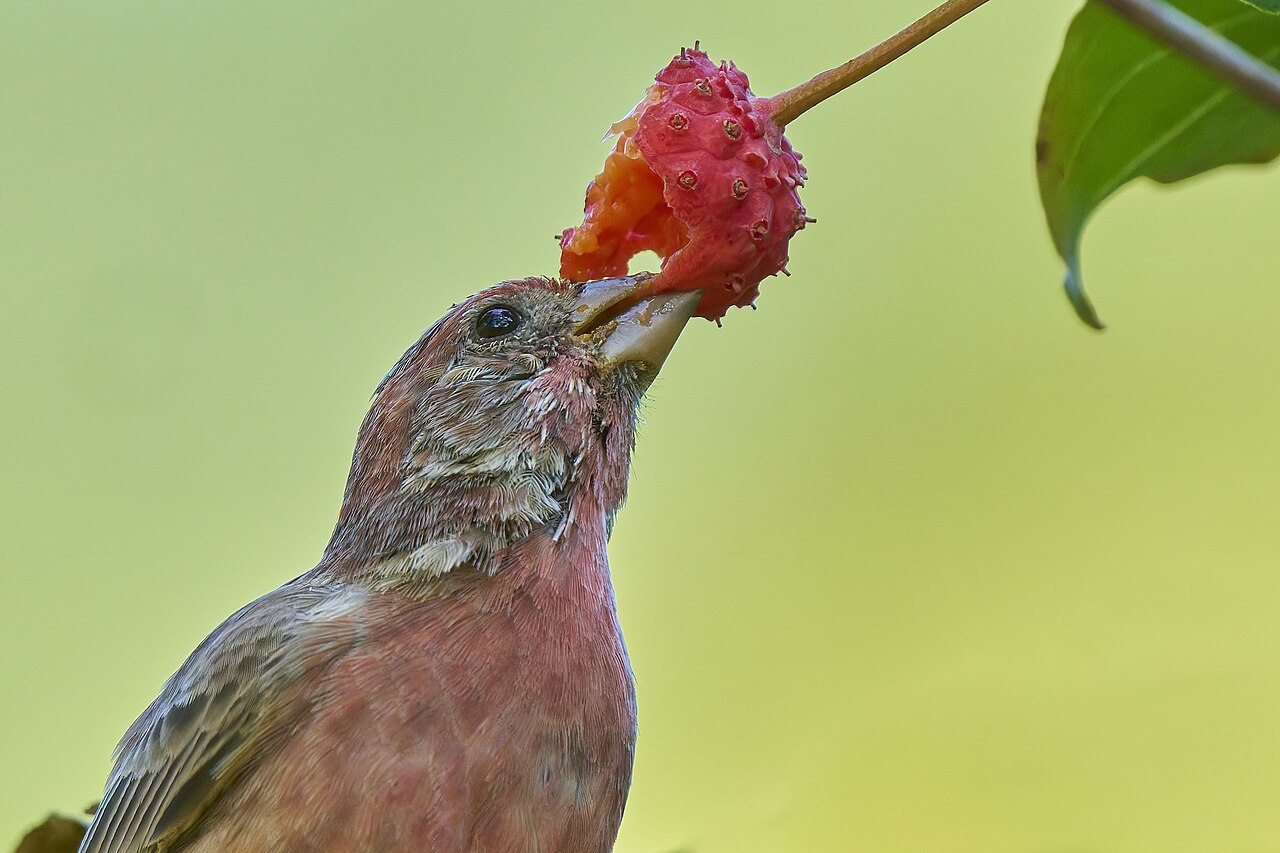
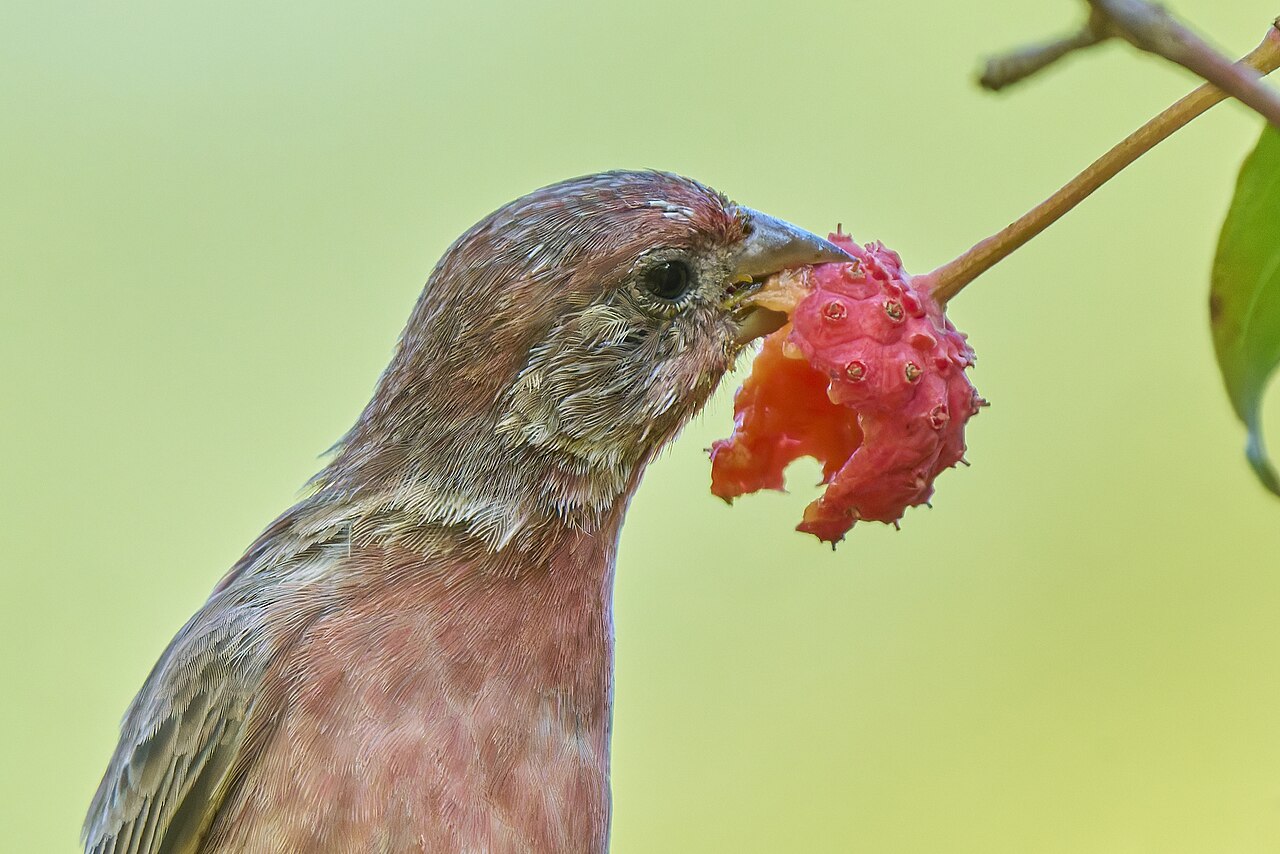
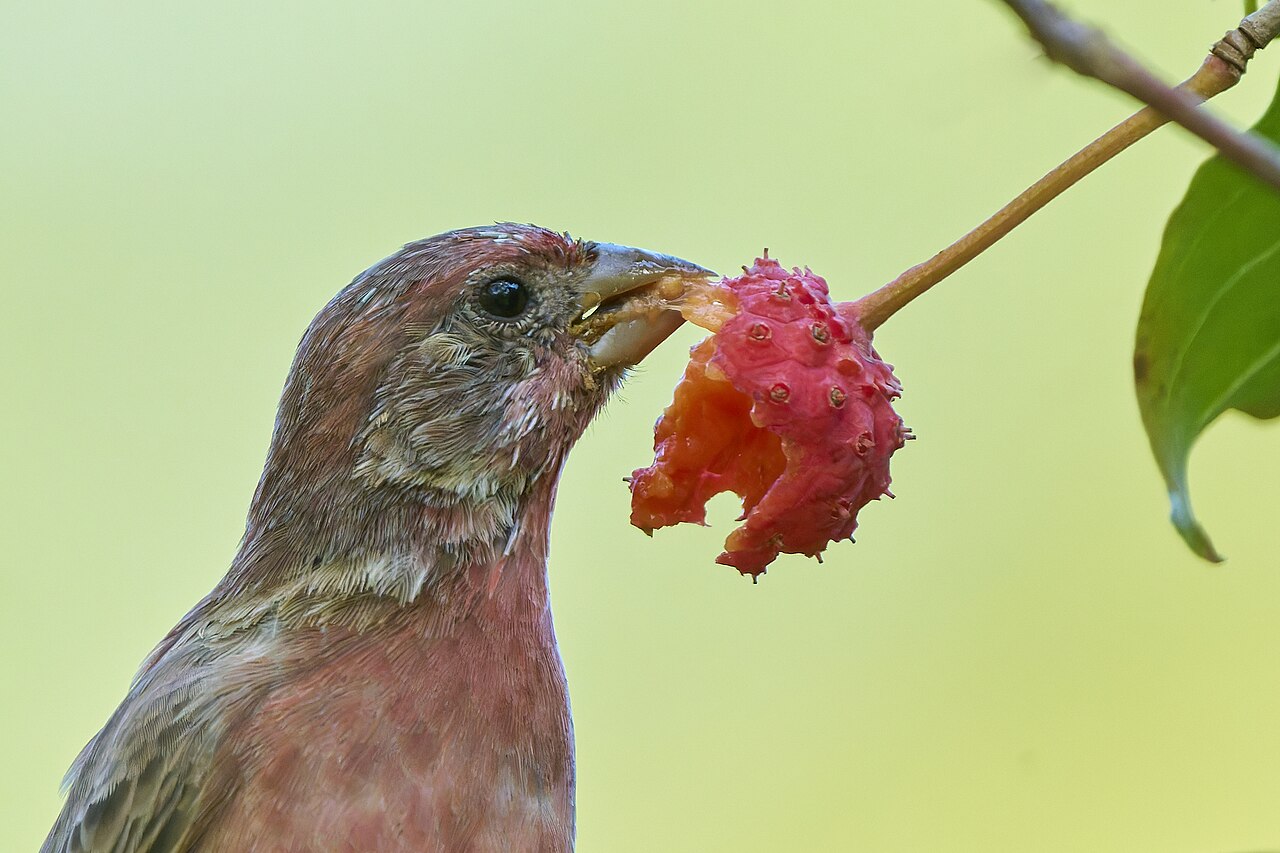
The “harvest” here is ornamental and edible at once: after bloom, raspberry-like red fruit forms in late summer and hangs among the leaves into fall, complementing purplish-red fall color and later the mottled, exfoliating bark that carries winter interest. The fruit is edible — sweet but somewhat mealy, with large seeds — best eaten fresh off the tree or made into jam. Birds will compete with you; pick when fully red and soft.
Browse all plant & pest guides
Saving seeds
Kousa dogwood seed hides inside one of the garden’s oddest fruits: a bumpy, raspberry-like ball that ripens pink-red in late summer and fall, soft and sweet enough to eat, with several hard seeds tucked inside. Let the fruit ripen fully on the tree — it should feel soft and pull away easily — then collect it before the birds take it, because they know exactly when it is ripe too.
Clean the seed before you store it. Squeeze or mash the fruit to free the seeds, then rinse away every trace of pulp. Pulp left on the seed invites mold in storage and can slow germination, so wash the seed well and spread it thin on paper until it is completely dry. In Florida humidity, do not shortcut this step: seed stored damp in a closed jar will mold, and a moldy jar is a total loss. Once truly dry, store the seed in a labeled envelope or an airtight jar with a desiccant packet, cool and dark. Label it with the year, because in two years you will not remember which envelope is the kousa and which is something else.
The seed needs a cold winter before it will wake up. Sources generally agree on about three months of cold-moist stratification, though some stretch it toward four — the practical answer is to let nature do the measuring by sowing fresh seed outdoors in fall, in a pot of moist mix in a sheltered spot, and letting winter chill it. Or, indoors, mix the seed with damp vermiculite or sand in a sealed bag and refrigerate it for about three months, checking now and then that the mix stays moist, never soggy. After chilling, sow about a quarter-inch deep in a moist, well-draining mix, keep the tray bright and warm, and expect sprouts over several weeks — germination is often uneven, so sow thickly and do not discard a flat early. Seedlings are slow at first, and a seed-grown tree takes years to reach flowering size; this is a long game, and the seed knows it.
Two truths before you fill the seed rack. First, named cultivars do not come true from seed. The named kousa forms — the ones selected for bigger flowers, variegated leaves, or a weeping habit — are propagated by grafting or cuttings, because a seedling is a roll of the dice and will not match its parent. Grow from seed when you want a sturdy, species-type tree and do not mind a little variation; buy a grafted plant when you want a named cultivar exactly. Second, seed-grown trees vary in more than looks: flowering time, fruit size, and fall color all shift a little from seedling to seedling, which is half the charm in a mixed planting and a real consideration if you wanted a matched pair.
In Florida, kousa dogwood wants the same honesty note as every cool-climate dogwood. It prefers a cold winter and summers that are not a furnace, and it struggles in the heat and humidity of central and south Florida. In north Florida, give it morning sun, afternoon shade, and rich, moist, well-drained soil, and it may settle in; further south, treat it as a short-lived experiment. Good seed cannot fix a climate mismatch — it can only give you the best possible start in the right spot.
Varieties
Every named variety of Kousa Dogwood with its own growing guide:
- Milky Way Kousa Dogwood — The kousa dogwood that blooms like a galaxy: masses of white bracts in early summer, then raspberry-like fruit birds love.