
🩶 Lambrook Mist Wormwood
What it looks like
Why this variety
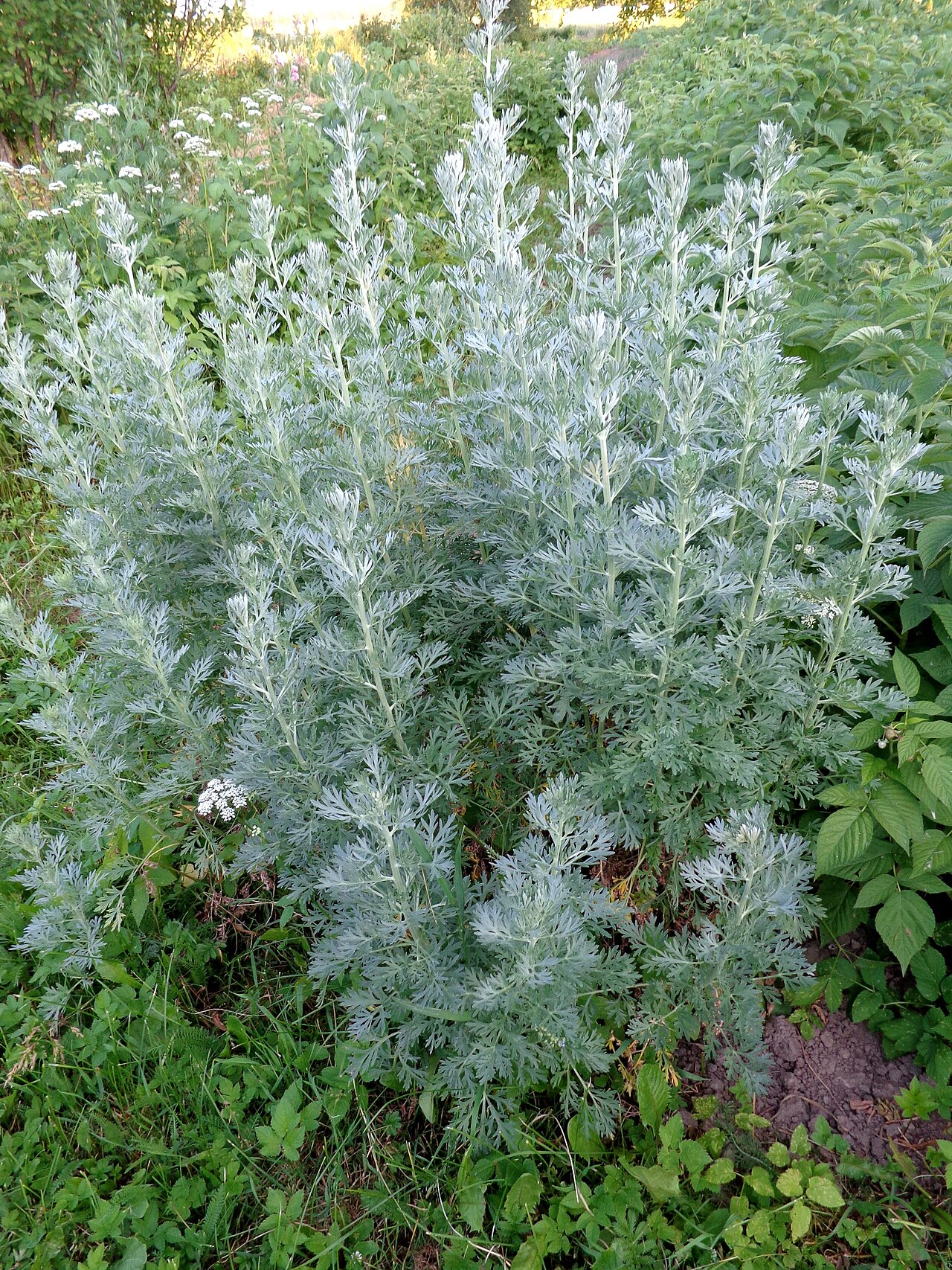
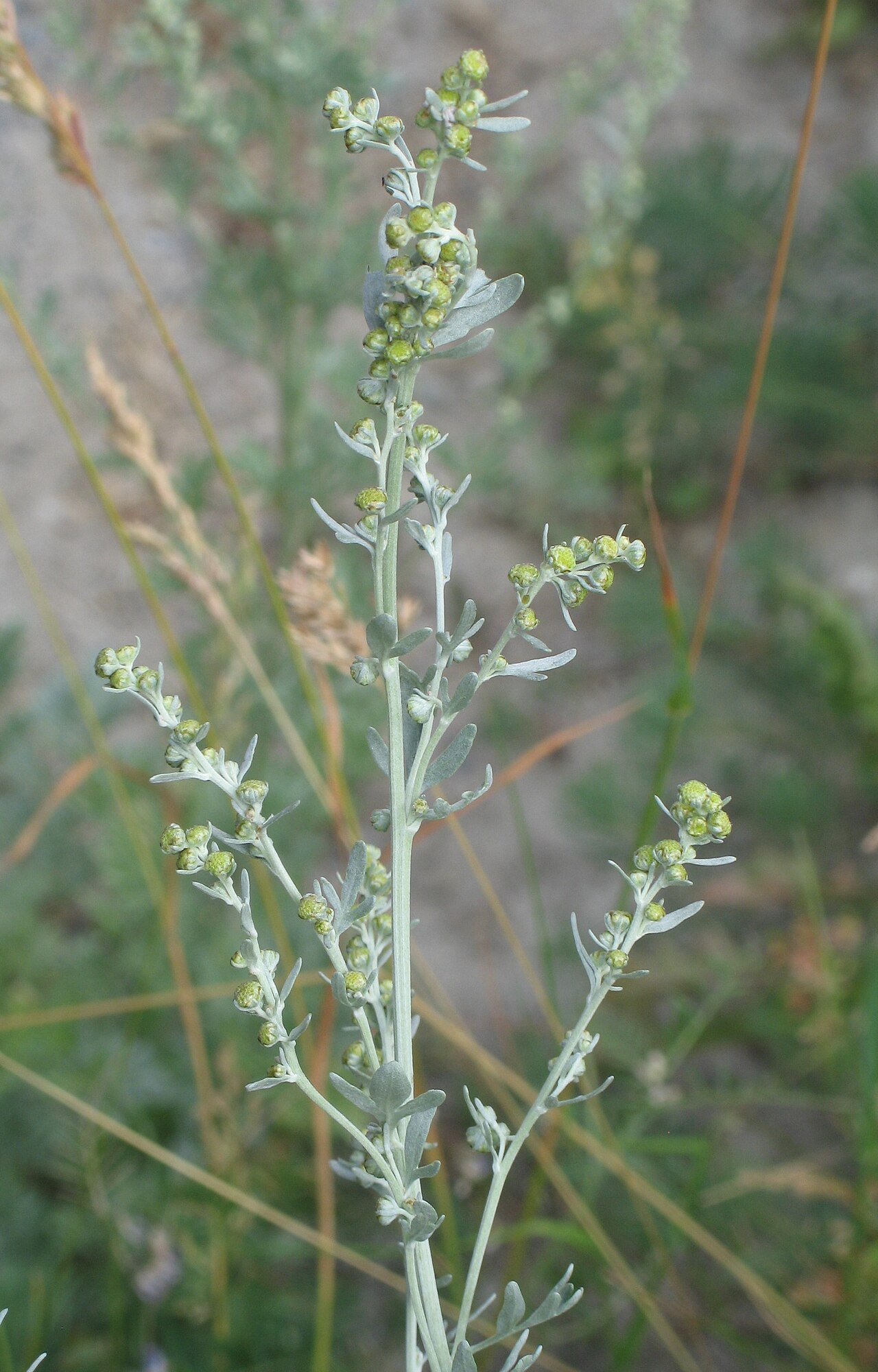
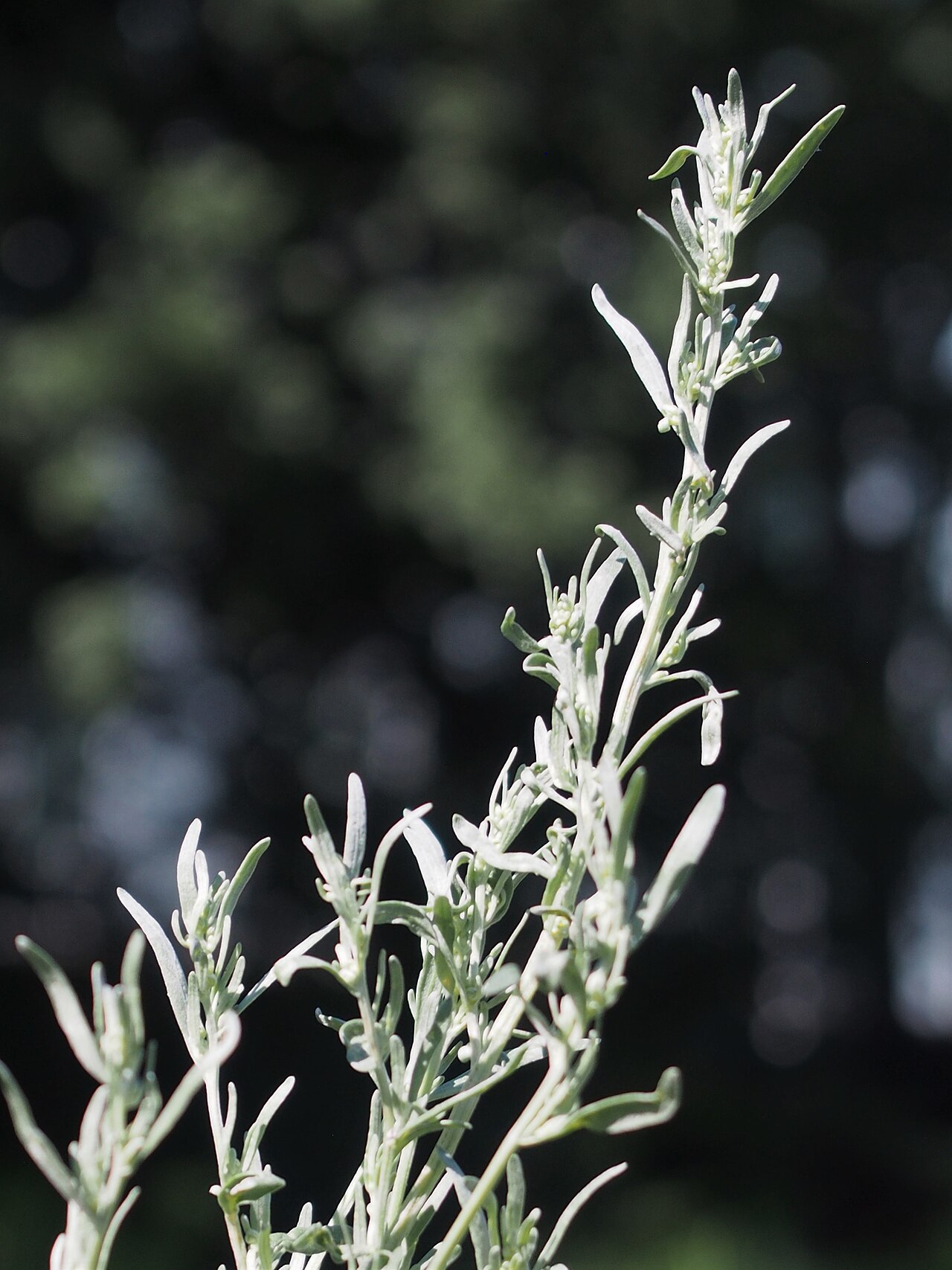
Lambrook Mist is the lacier Lambrook: an RHS-accepted Artemisia absinthium selection with aromatic, silvery-grey leaves finely divided into very slender lobes, giving the plant a mistier, more delicate texture than Lambrook Silver’s bolder silver. It grows as an erect, woody-based perennial to about 3 feet tall, with slender sprays of small, dull yellow flower heads in late summer that most gardeners ignore, because the foliage is the show. If Lambrook Silver is silver velvet, Lambrook Mist is silver lace, and the choice between them is purely a texture decision.
Grow Lambrook Mist like Lambrook Silver: full sun, well-drained fertile soil, a spring cut-back to keep it bushy, and room away from fussy neighbors, because wormwood roots inhibit nearby plants. Propagate it from cuttings, not seed, because seedlings do not come true to the selection, and do not overwater, because wet soil kills wormwood faster than any pest. Its fragrance is a garden feature in itself: brush past it on a hot day and the whole bed smells of herbs and history.
If you are new to choosing between cultivars, the Varieties Matter guide explains why the name after the plant matters as much as the plant itself. Lambrook Mist is a perfect example: it is not just a wormwood in the abstract, it is a wormwood with a specific job, a specific history, and specific strengths.
Florida framing, stated plainly: wormwood is a Florida trial, and Lambrook Mist is no exception. Sharp drainage, full sun, air, and trial expectations are the honest prescription, with North Florida the best bet and humidity the enemy.
How to grow
Set out transplants in spring in full sun and sharply drained, even lean soil, because wormwood’s enemy is wet soil, not drought. Work a little worm castings into the bed at planting, space 18 to 24 inches apart, and water to establish, then water sparingly. Cut plants back in spring to keep them bushy, shear lightly after flowering if they get leggy, and give wormwood room away from fussy neighbors, because its roots inhibit nearby plants.
Set plants 18-24 inches apart in soil with a pH around 6.0-7.5. Work worm castings into the bed at planting and mulch to hold moisture. A well-fed wormwood plant rewards that care directly: steadier growth, better bloom or fruit, and a show that actually shows up.
Water & feeding
Water to establish, then water sparingly; wormwood is drought-tolerant once established and rots in wet soil, so overwatering is the mistake to avoid. Water at the soil line, do not mulch heavily, and feed lightly or not at all: castings at planting is usually enough, because rich soil makes floppy wormwood with less silver. Cut back in spring to keep plants bushy, and give wormwood air, because humid, crowded plantings invite mildew.
Common problems
- ROOT INHIBITION — wormwood roots inhibit nearby plants; give it room and do not plant it cheek by jowl with fussy perennials.
- WET-SOIL ROT — wormwood’s killer; plant in sharp drainage and do not overwater.
- HEAT AND HUMIDITY — wormwood struggles in humid summers; in Florida it is a trial, with North Florida the best bet.
- LEGGINESS without cutting back — cut plants back in spring to keep them bushy, and shear lightly after flowering.
- THUJONE AND BITTERNESS — wormwood is intensely bitter and contains thujone; do not brew or dose it casually, and keep it out of the kitchen except as a flavoring in tiny, traditional amounts.
Harvest
Harvest foliage through the growing season, cutting stems and drying leaves promptly in a warm, airy place, because wormwood’s harvest is its silver, aromatic foliage for arrangements and traditional uses. Do not harvest heavily from young plants, because the plant needs its first season to establish, and do not brew or dose wormwood casually, because it contains thujone and is intensely bitter. Cut plants back in spring to keep them bushy.
Browse all plant & pest guides
Saving seeds
Lambrook Mist is the lacier Lambrook, an RHS-accepted Artemisia absinthium selection with aromatic, silvery-grey leaves finely divided into very slender lobes, and it is grown from cuttings — propagate it from cuttings, not seed, because seedlings do not come true to the selection, and set out transplants in spring in full sun and sharply drained, even lean soil. The Saving seeds section of the Wormwood guide covers seed for the species generally.