
🩶 Lambrook Silver Wormwood
What it looks like
Why this variety
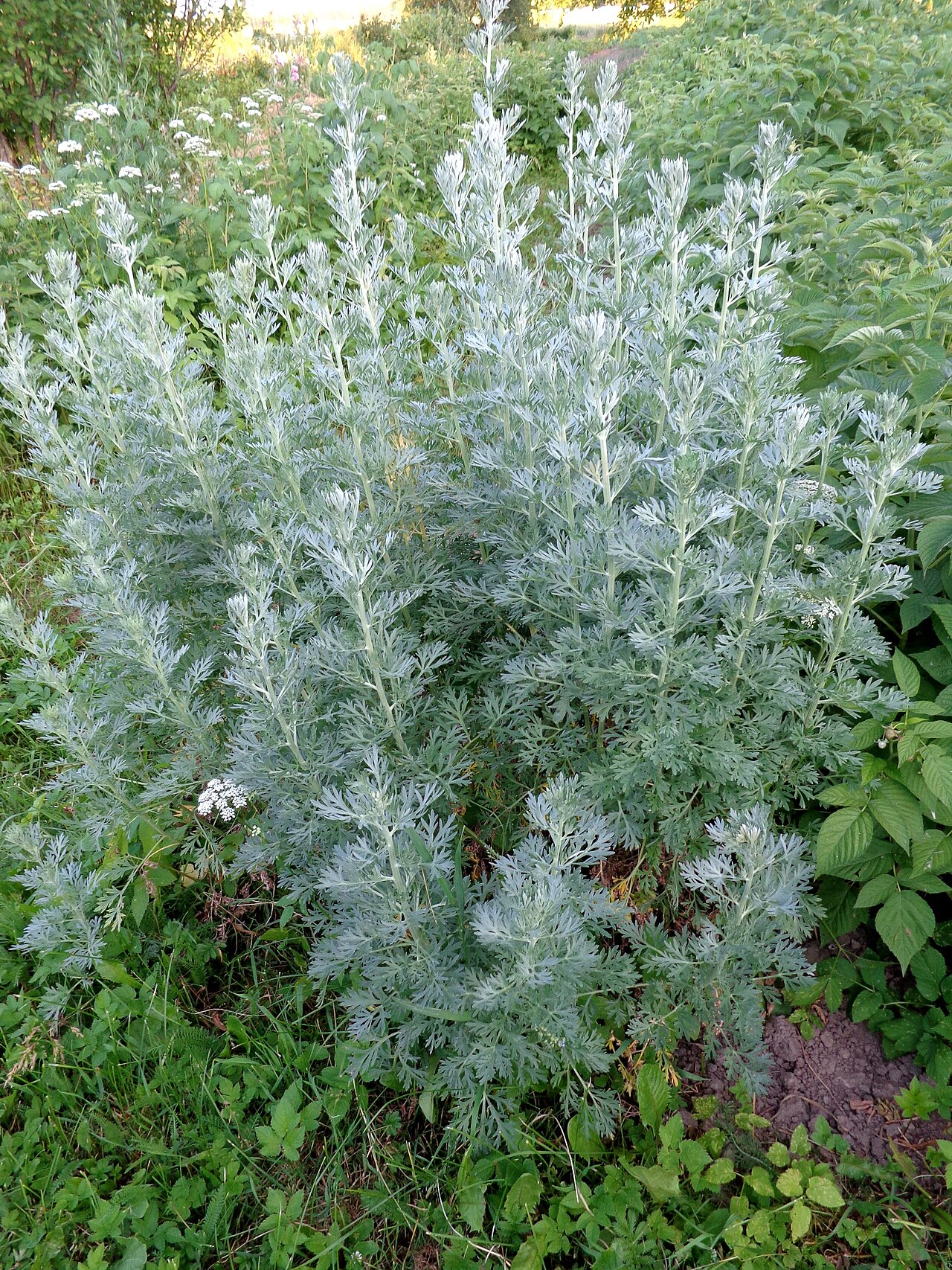
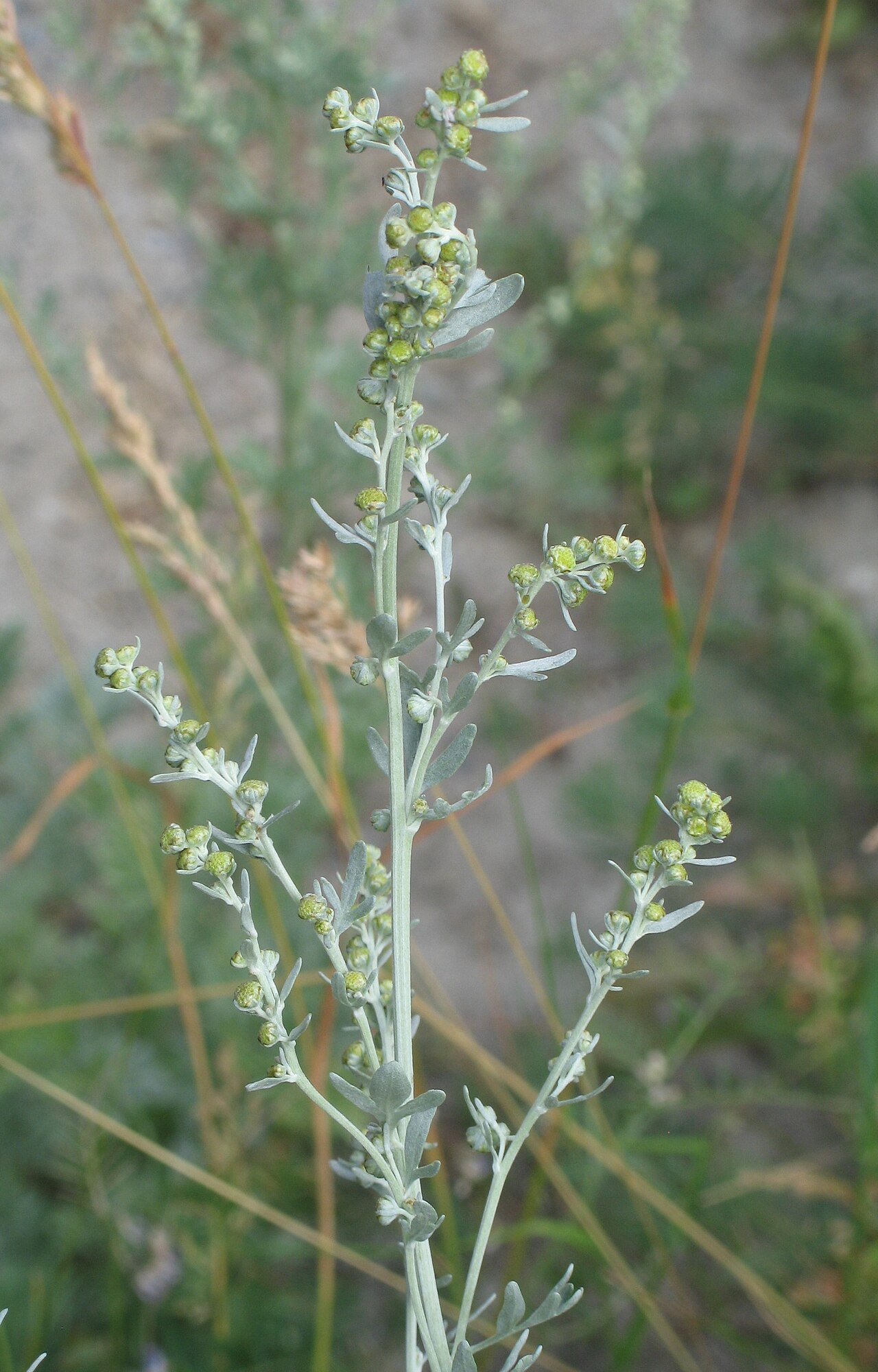
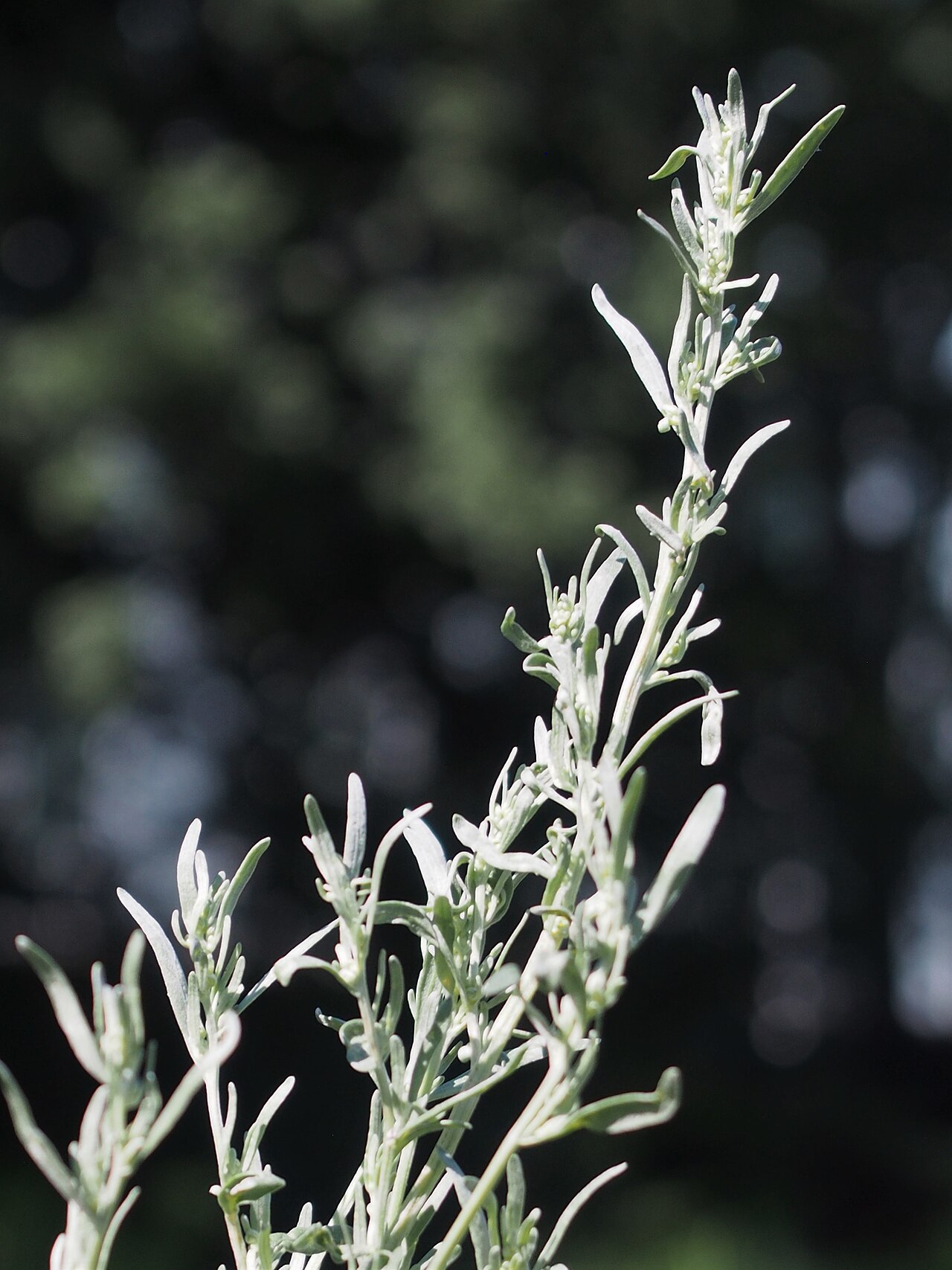
Lambrook Silver is the outstanding selection of common wormwood, raised in England at the start of the twentieth century and still the wormwood every silver garden starts with. It is more compact than the species, about 2 to 2.5 feet tall and wide, with more intensely silvery, finely divided, silky-haired leaves, and it holds its shape better through summer instead of going leggy and loose. If you want wormwood for foliage, not for brewing, Lambrook Silver is the plant, because its silver is the point and its habit is the improvement.
Grow Lambrook Silver in full sun and sharp drainage, because wormwood’s enemy is wet soil, not drought, and it sulks and rots in heavy, wet ground. Cut it back in spring to keep it bushy, shear lightly after flowering if it gets leggy, and give it room, because wormwood roots are famously unfriendly to neighbors, and the species guide’s warning that it bullies its neighbors’ roots applies to this cultivar too. Do not plant it cheek by jowl with fussy perennials and expect peace.
If you are new to choosing between cultivars, the Varieties Matter guide explains why the name after the plant matters as much as the plant itself. Lambrook Silver is a perfect example: it is not just a wormwood in the abstract, it is a wormwood with a specific job, a specific history, and specific strengths.
Florida framing, stated plainly: wormwood is a trial in Florida, not a guaranteed perennial. It wants sun, drainage, and air, and it struggles in humid summers, so plant Lambrook Silver in a raised bed with sharp drainage, give it air, and treat it as a trial, with North Florida the best bet. Its silver foliage is worth the experiment even if the plant proves short-lived in humidity.
How to grow
Set out transplants in spring in full sun and sharply drained, even lean soil, because wormwood’s enemy is wet soil, not drought. Work a little worm castings into the bed at planting, space 18 to 24 inches apart, and water to establish, then water sparingly. Cut plants back in spring to keep them bushy, shear lightly after flowering if they get leggy, and give wormwood room away from fussy neighbors, because its roots inhibit nearby plants.
Set plants 18-24 inches apart in soil with a pH around 6.0-7.5. Work worm castings into the bed at planting and mulch to hold moisture. A well-fed wormwood plant rewards that care directly: steadier growth, better bloom or fruit, and a show that actually shows up.
Water & feeding
Water to establish, then water sparingly; wormwood is drought-tolerant once established and rots in wet soil, so overwatering is the mistake to avoid. Water at the soil line, do not mulch heavily, and feed lightly or not at all: castings at planting is usually enough, because rich soil makes floppy wormwood with less silver. Cut back in spring to keep plants bushy, and give wormwood air, because humid, crowded plantings invite mildew.
Common problems
- ROOT INHIBITION — wormwood roots inhibit nearby plants; give it room and do not plant it cheek by jowl with fussy perennials.
- WET-SOIL ROT — wormwood’s killer; plant in sharp drainage and do not overwater.
- HEAT AND HUMIDITY — wormwood struggles in humid summers; in Florida it is a trial, with North Florida the best bet.
- LEGGINESS without cutting back — cut plants back in spring to keep them bushy, and shear lightly after flowering.
- THUJONE AND BITTERNESS — wormwood is intensely bitter and contains thujone; do not brew or dose it casually, and keep it out of the kitchen except as a flavoring in tiny, traditional amounts.
Harvest
Harvest foliage through the growing season, cutting stems and drying leaves promptly in a warm, airy place, because wormwood’s harvest is its silver, aromatic foliage for arrangements and traditional uses. Do not harvest heavily from young plants, because the plant needs its first season to establish, and do not brew or dose wormwood casually, because it contains thujone and is intensely bitter. Cut plants back in spring to keep them bushy.
Browse all plant & pest guides
Saving seeds
Lambrook Silver is the outstanding selection of common wormwood, raised in England at the start of the twentieth century and still the wormwood every silver garden starts with, more compact than the species, about 2 to 2.5 feet tall and wide, with more intensely silvery, finely divided, silky-haired leaves, and seedlings won’t hold that silver or habit — set out transplants in spring in full sun and sharply drained, even lean soil, and cut plants back in spring to keep them bushy. The Saving seeds section of the Wormwood guide covers seed for the species generally.