
🌾 Leavenworth’s Goldenrod
What it looks like
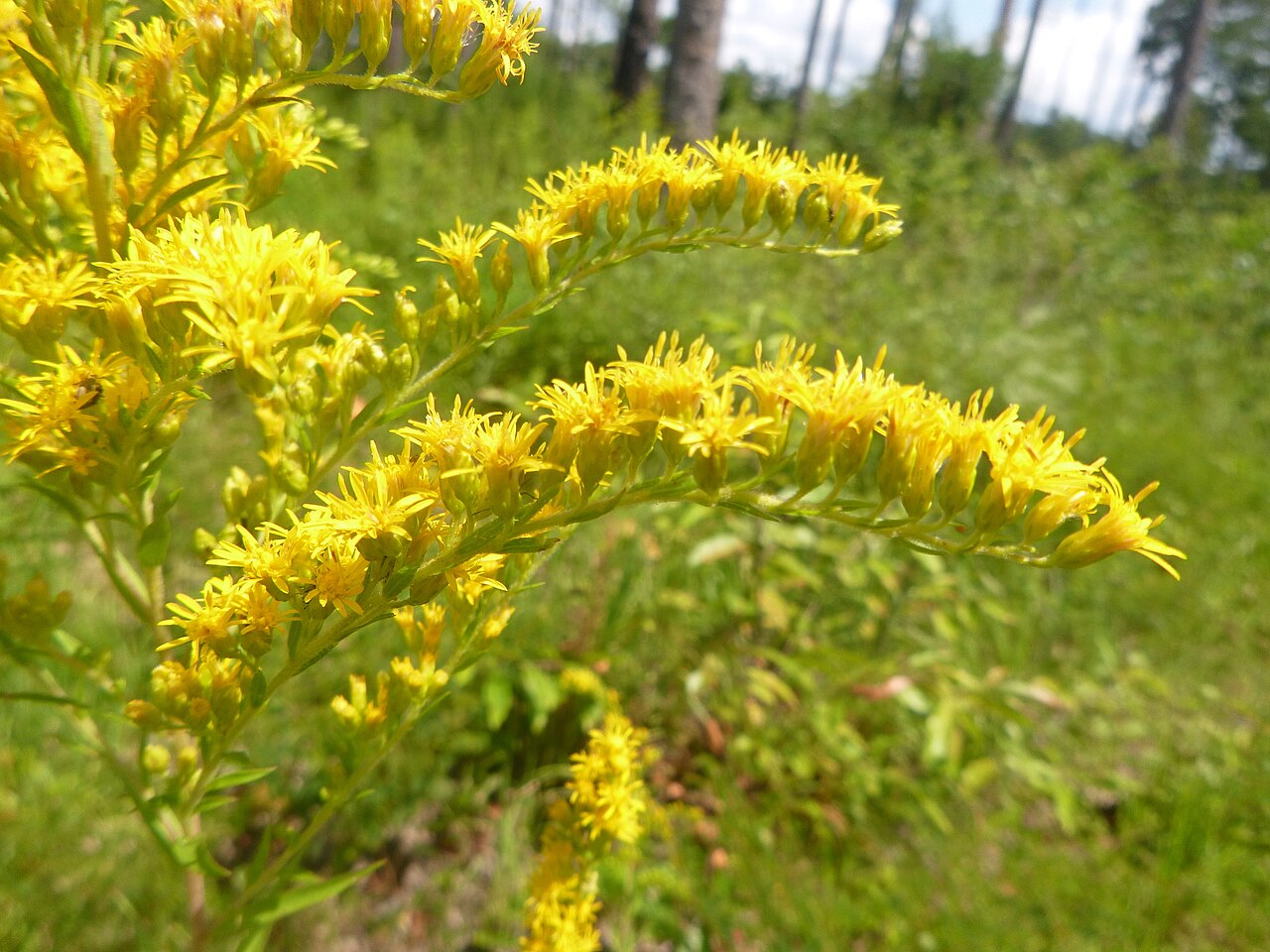
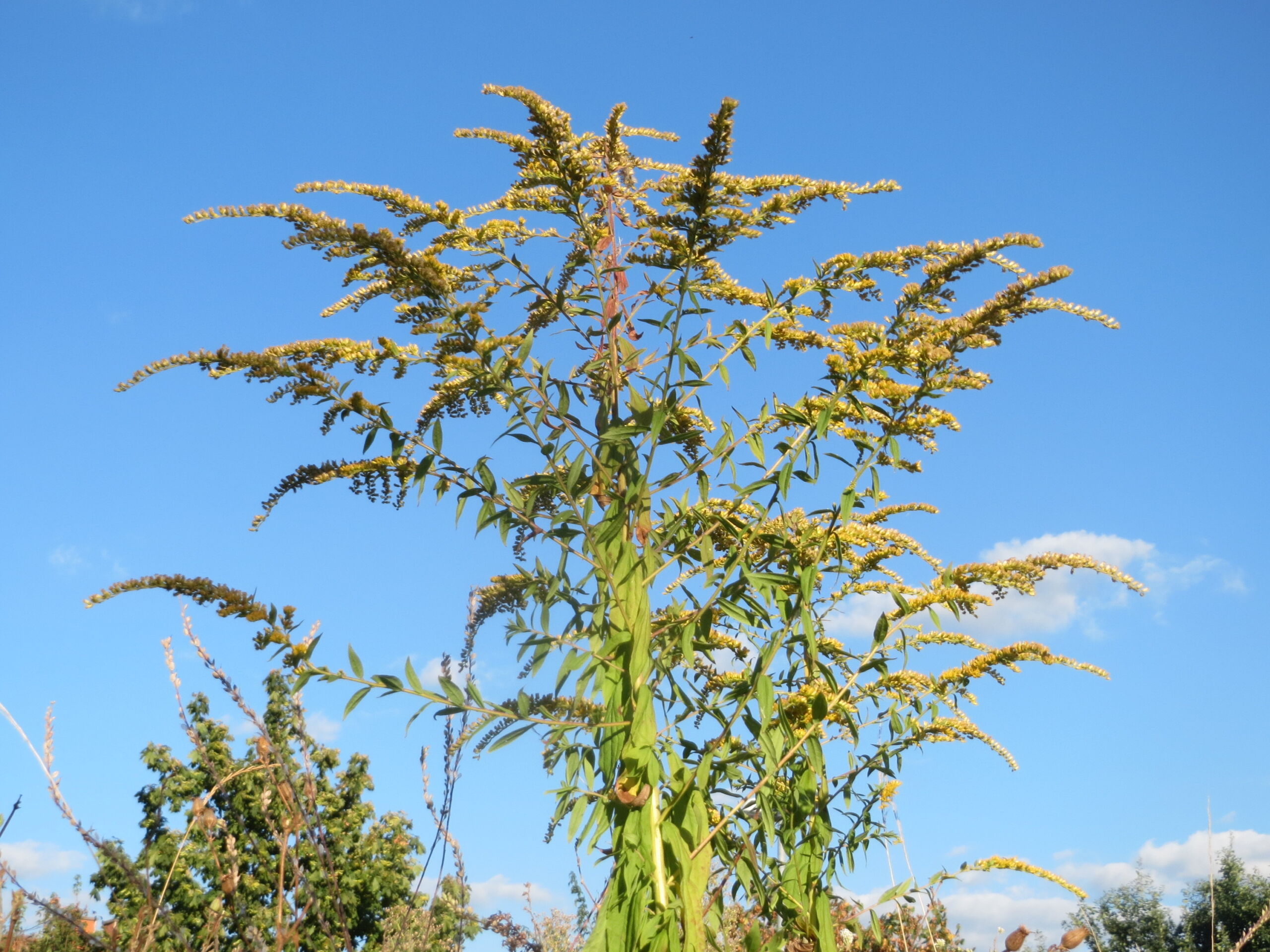
Leavenworth’s goldenrod is a Florida original in the truest sense: a tall, handsome goldenrod, 3 to 6 feet tall and 1 to 2 feet wide, native to wet prairies and the edges of bogs and marshes in the southeastern coastal plain, with Florida at the heart of its range. Its flower plumes are golden and showy, blooming late in the year, from fall into early winter, when little else is flowering, which makes it one of the last native wildflowers still going when most of the garden has quit.
The plant forms tidy small colonies from creeping rhizomes, not the aggressive runners of Canada goldenrod, and it handles salt spray well, making it a good pick for coastal yards as well as wet prairie gardens. In bloom, it is a tall gold plume against a winter sky, and out of bloom it is a neat clump of green that shelters small wildlife.
Why this variety
Choose Leavenworth’s goldenrod when you want a Florida native that extends the season. Most goldenrods finish by late fall; Leavenworth’s keeps going into early winter, feeding bees, butterflies, and even soldier beetles when little else is flowering, and its seeds feed songbirds such as goldfinches into winter. In a Florida garden, that late bloom is not a bonus, it is the point: it fills the gap between fall flowers and winter rest.
It also has a story that no other goldenrod can match: Thomas Edison once grew it experimentally in Florida hoping to make rubber from it. The tires did not happen, but the plant is still here, still blooming late, still feeding late-season pollinators, which is a better legacy than a tire would have been.
How to grow
Plant in spring in full sun and soil that stays on the moist side, spacing 18 to 24 inches apart. It handles salt spray well, so a coastal yard suits it, and it forms tidy colonies from creeping rhizomes, so give it room to spread a little or edge it yearly in a small bed. Water to establish, then keep soil moist; it is a wet-prairie plant, not a dry-sand plant, and it will thin in a dry bed. Cut back in late winter after the seed heads have fed birds, and divide in spring every few years if colonies grow crowded.
Florida note: Leavenworth’s goldenrod is a Florida native, and this guide treats it as such, without exaggeration: it belongs in Florida wet prairies, bog edges, marsh edges, and moist coastal gardens, and it is one of the best native choices for a Florida garden that wants late-season color. Do not plant it in a dry, unirrigated bed and expect wet-prairie performance; plant it where the soil stays moist, and it will bloom into winter for you.
Water & feeding
Keep soil moist. Water regularly until established and in dry spells thereafter; Leavenworth’s goldenrod is a moist-soil plant and will thin if it dries out. Do not fertilize heavily; compost at planting is enough.
Common problems
Too dry: the most common failure. If it thins and blooms poorly, it usually needs more moisture, not more fertilizer.
Flopping in shade or rich soil: full sun and lean soil keep it upright.
Spreading: tidy colonies from rhizomes, not aggressive runners, but edge yearly in a small formal bed.
Hay fever blame: goldenrod does not cause hay fever. Ragweed does.
Harvest
No food harvest. The harvest is the late bloom and the winter seed: cut plumes for late fall bouquets, leave seed heads for goldfinches into winter, and divide colonies in spring to share a true Florida native with gardening friends.
Saving seeds
Goldenrod seed saving is gloriously low-effort, which suits a plant that mostly asks to be left alone. Let a few plumes go all the way to seed instead of deadheading them. When the flower heads turn tan and fluffy, with the little parachutes starting to show, snip the whole plume into a paper bag before the wind takes the lot. A good shake and a rub between your palms frees the tiny seeds from the fluff, and a gentle winnow in front of a fan blows the chaff away while the heavier seed drops into the bowl.
Sow the seed where you want it in fall and let winter do the work. Goldenrod seed germinates best after a spell of cold, damp weather, and a fall sowing gives it exactly that. If you are starting seed in pots instead, mix it with a little damp sand in a bag in the fridge for several weeks to mimic winter, then surface-sow it: the seed needs light to germinate, so press it onto the surface of the mix and do not bury it. Keep it moist until it sprouts, then treat the seedlings like the tough native they are.
One honest caveat: goldenrods cross with each other where several species bloom together. If another goldenrod grows nearby, some of your seedlings may be hybrids — perfectly charming garden plants, but not true Leavenworth’s goldenrod. For seed that stays true, save from a stand growing on its own, or skip seed altogether and divide a clump in spring. Division gives you an exact clone of the parent, no pollination lottery involved.
For storage, dry the seed thoroughly before it goes anywhere near a jar. Florida humidity is the enemy here: spread the cleaned seed on a plate in a dry, airy spot for a week or more, then store it in a paper envelope inside a jar in the fridge. Seed kept cool and dry stays usable for a year or two, but fresh seed sown in fall is always the surest bet.