
🌿 Lemon Verbena
What it looks like
How to grow
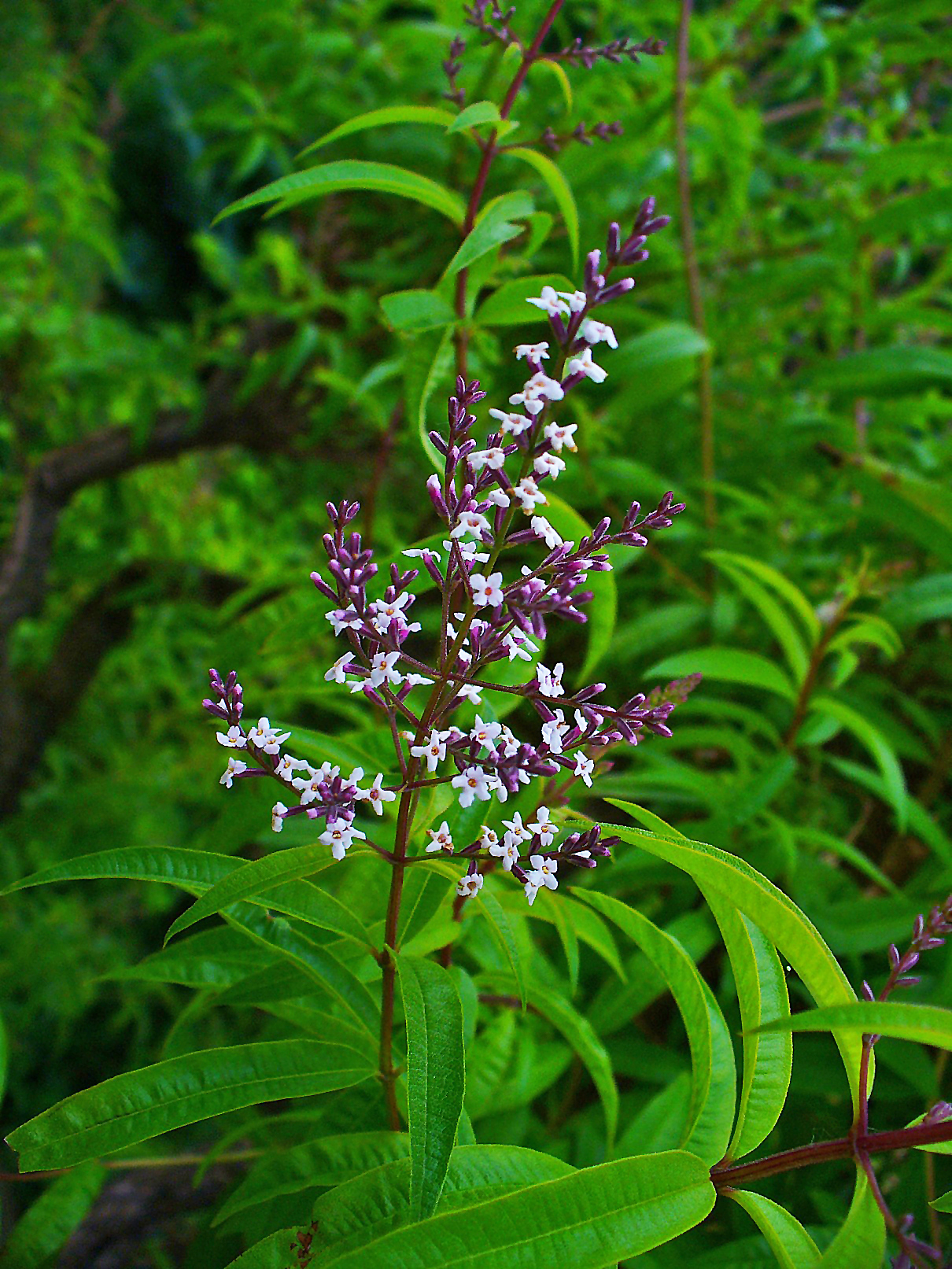
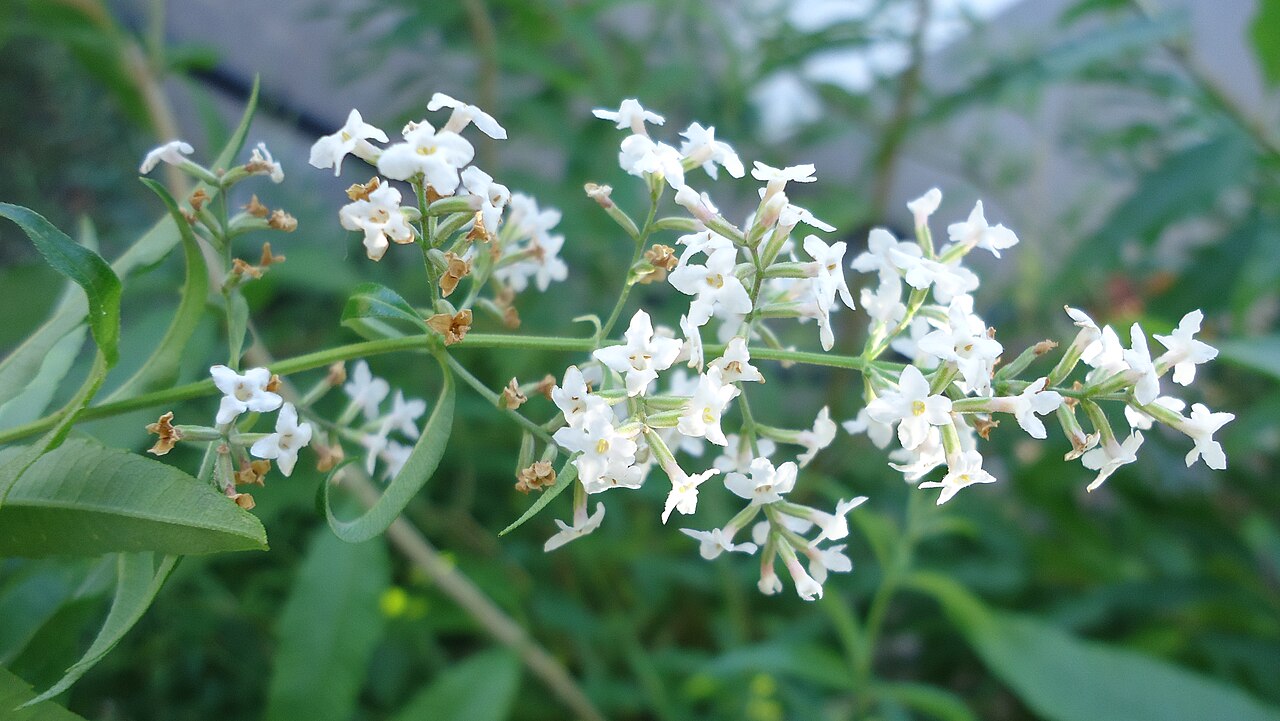
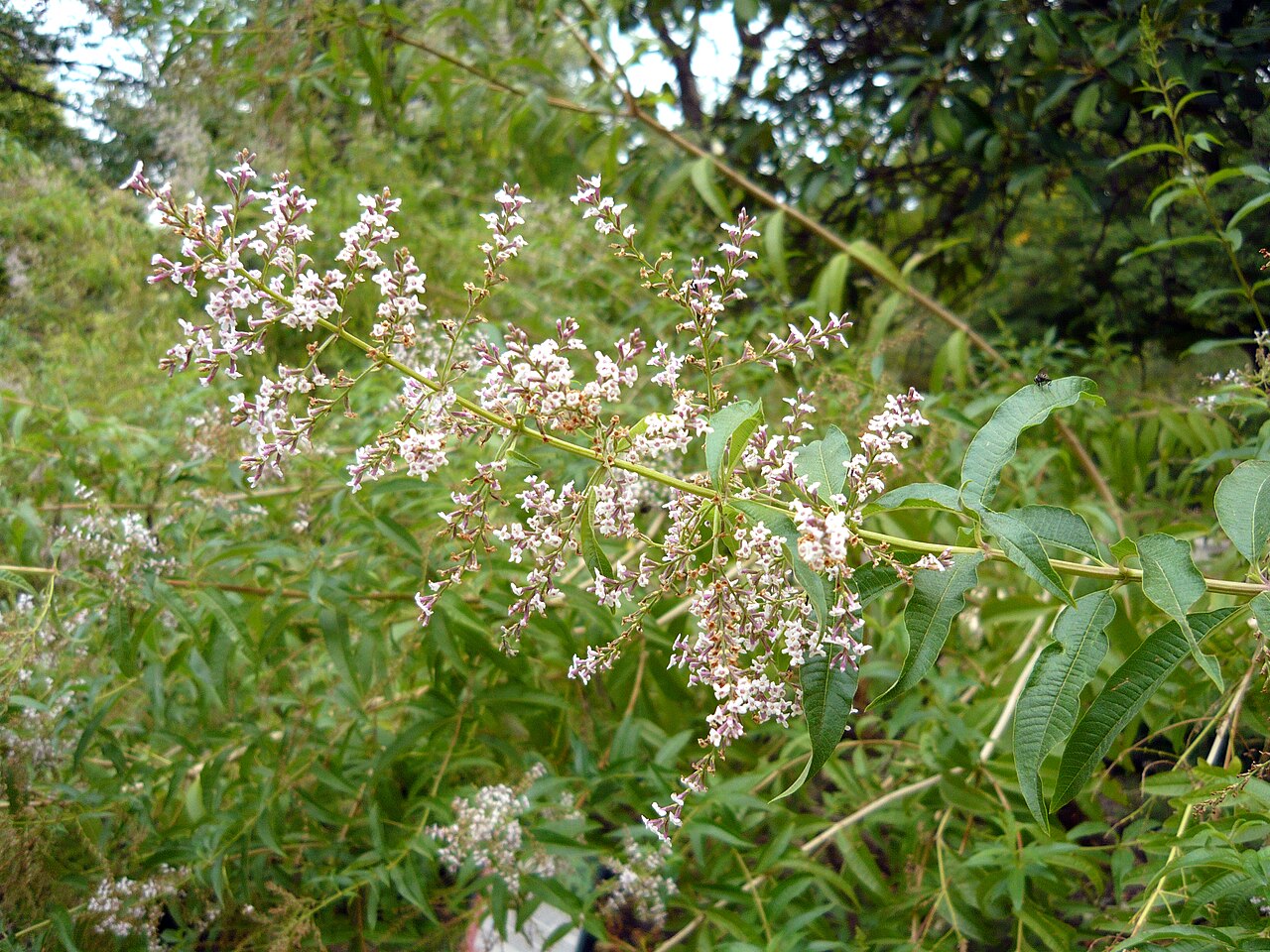
Lemon verbena is a tender, woody shrub with narrow, intensely lemon-scented leaves — more lemony than lemon balm, lemongrass, or actual lemon peel, according to most cooks who have compared them. It is the premier herb for lemon tea, desserts, fruit salads, and infused sugar, and it dries well, keeping its scent better than most lemon herbs. In zones 8-11 it grows outdoors into a shrub several feet tall; everywhere else, grow it in a pot and bring it inside before frost. It drops its leaves in winter even indoors, which alarms first-time growers — it is dormant, not dead, so keep watering it sparingly and wait for spring regrowth. Start from nursery plants or cuttings; seed is unreliable. Lemon verbena wants full sun, well-drained soil, and regular water during the growing season, but it dislikes soggy soil and cold wind. Prune in spring to shape plants and encourage bushy growth, cutting back leggy stems by up to half. In Florida and the Gulf South it thrives with afternoon shade in peak summer and protection from hard freezes.
Water & feeding
Water regularly during the growing season, letting the top inch of soil dry between waterings — about an inch a week, more in containers. Reduce watering sharply in winter dormancy. It is a moderate feeder: worm castings at planting and a light midsummer top-dress keep it vigorous without pushing soft growth.
Common problems
- Frost kill — it is tender; move pots indoors before first frost and protect outdoor plants in marginal zones.
- Leaf drop in winter — normal dormancy, not death; water sparingly and wait for spring.
- Spider mites indoors — mist occasionally, wipe leaves, and give plants bright light and airflow.
- Root rot in soggy pots — use well-drained mix and pots with drainage holes.
Harvest
Harvest leaves as needed once plants are established, picking tender young leaves for the best flavor. Morning harvest has the strongest scent. Lemon verbena dries exceptionally well — dry leaves flat in a dark, airy spot and store airtight; dried leaves make tea nearly as fragrant as fresh. For desserts, steep leaves in cream or syrup and strain them out, or bury dried leaves in sugar for lemon-scented sugar.
Propagation
Lemon verbena is a cuttings plant, and the honest reason is that seed is a poor bet. In the garden, lemon verbena rarely sets seed at all, and the seed it does set is often empty or slow and patchy to germinate. Even when seed does sprout, the seedling is not guaranteed to carry the parent’s knockout lemon scent. So this guide skips seed saving and goes straight to the method that works: cuttings, which give you an exact clone of the plant you already love.
Take softwood cuttings in late spring or summer, when the plant is growing fast. Choose a healthy, non-flowering tip about four to six inches long, snip it just below a leaf node, and strip off the lower leaves so only the top pair or two remain. The cutting will root in a glass of water on a bright windowsill — change the water every few days — or straight into a pot of moist, free-draining mix. If you root in mix, a clear cover or bag holds in humidity while roots form, but vent it daily: in Florida humidity, a sealed cover is a recipe for rot, and a rotted cutting is a dead cutting. Roots usually appear within a few weeks, and once you feel resistance on a gentle tug, the cutting is ready to pot up.
Layering is the lazy gardener’s alternative, and it works beautifully on this shrub. Bend a low, flexible stem down to the soil, pin the middle of it to the ground with a bent wire or a stone, cover that spot with a little soil, and leave the tip sticking up. Keep the buried section moist, and roots will form at the pinned node over several weeks. Snip the new plant free from the parent and pot it up — a rooted layer is already a strong young plant, ahead of any cutting.
Overwintering is where a little planning pays off. Lemon verbena is a tender perennial: it sulks in frost and dies back hard in a real freeze. In cold climates, take cuttings in early fall and keep them on a bright windowsill indoors through winter, then plant out after the last frost. In Florida, plants usually survive winter with a little frost protection, but a hard freeze can still take them — and a rooted cutting tucked in a pot indoors is cheap insurance either way. Cut the parent back in spring, and it will regrow from the base with fresh, fragrant growth.
Division is not the answer for this plant — lemon verbena forms a woody shrub, not a clump that pulls apart — so do not try to split it. Cuttings and layers are the whole toolkit, and they are plenty. One healthy parent plant can give you a dozen clones in a season, which is more lemon verbena than most gardens need, and exactly the right amount for giving away.
Browse all plant & pest guides
Varieties
Every named variety of Lemon Verbena with its own growing guide:
- Variegata Lemon Verbena — The lemon verbena in evening dress: cream-edged leaves with the same knockout lemon scent, for pots and pretty corners.
- Aurea Lemon Verbena — The golden lemon verbena: the same knockout lemon scent on golden-yellow foliage — a sunny shrub for pots and bright corners.