
🌿 Lemongrass
What it looks like
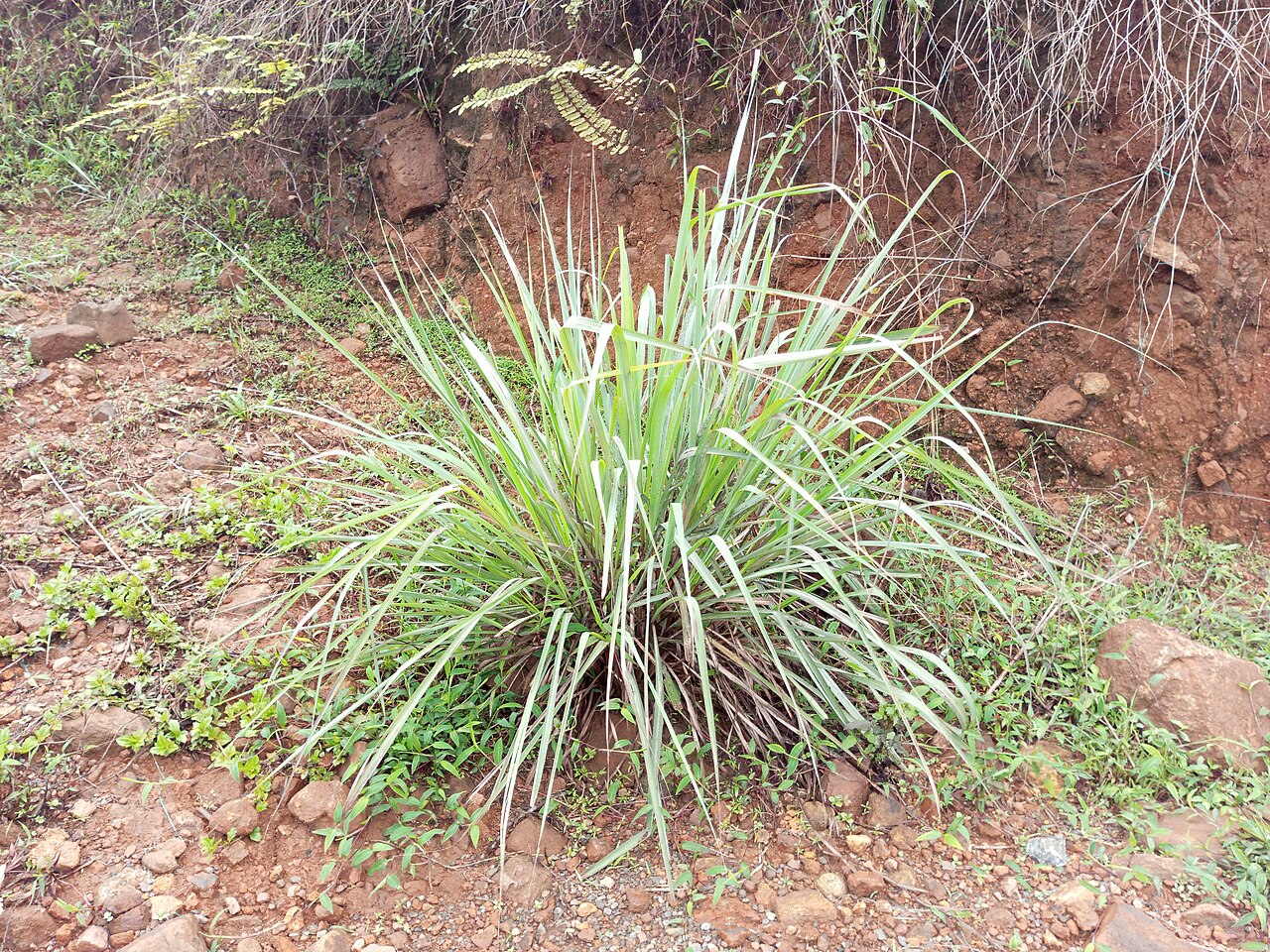

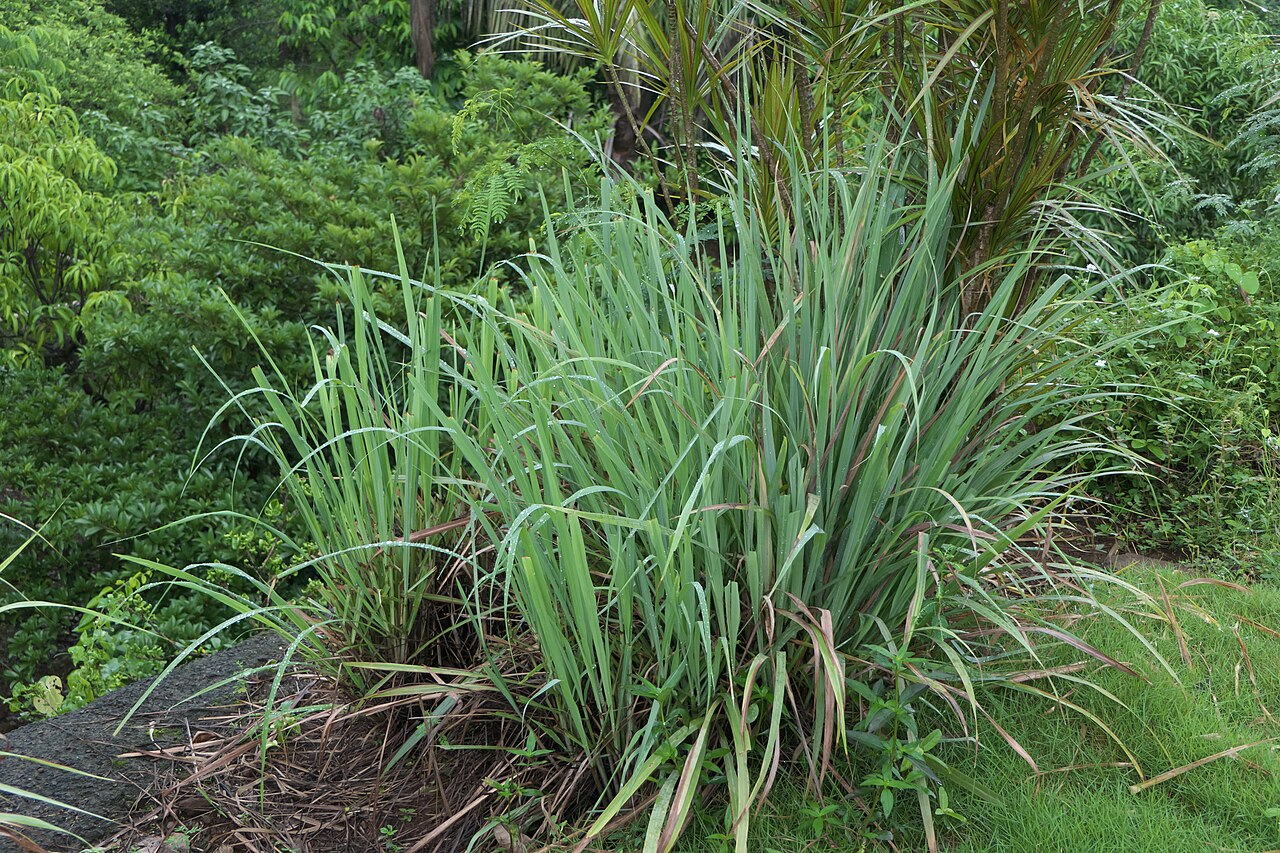
How to grow
Lemongrass is a tall, clumping tropical grass whose thick lower stalks carry the lemony, gingery flavor essential to Thai, Vietnamese, and Malaysian cooking. In zones 10-11 it is a perennial that forms large clumps; everywhere else, grow it as a summer annual or in a pot you bring indoors before frost. Start from nursery plants or from fresh stalks rooted in water — grocery-store stalks with intact bases root readily in a glass of water within a couple of weeks, which is the cheapest way to start. Plant after frost danger in rich, moist, well-drained soil in full sun, and give it room: a single plant can form a 3-foot clump by fall. It is a heavy drinker and feeder compared with most herbs, and it sulks in cold soil, so do not rush it outside in spring. In Florida and the Gulf South, lemongrass thrives nearly year-round and may need cutting back to control its size. To overwinter in cold zones, dig a clump in fall, pot it up, and keep it in a bright window, watering sparingly.
Water & feeding
Water generously — lemongrass wants consistently moist soil, about an inch or more a week, and more in containers or hot weather. It is a heavier feeder than most herbs: mix worm castings into the planting hole and top-dress monthly during the growing season. Mulch to hold moisture.
Common problems
- Frost kill — it is tropical; harvest or pot up before first frost in zones below 10.
- Rust in humid weather — improve airflow, remove affected leaves, and avoid overhead watering.
- Sharp leaf edges — wear gloves when handling mature clumps; lemongrass leaves can cut skin like paper.
- Slow start in cold soil — wait until nights are reliably warm before transplanting.
Harvest
Harvest stalks by cutting them at the base once they are at least half an inch thick, peeling away tough outer layers to reach the tender pale core. Use the core fresh in curries and soups, or chop and freeze it for winter cooking. Leaves can be steeped for tea, though they are milder than the stalks. For the best flavor, bruise stalks with the flat of a knife before adding them to a pot, and remove them before serving like bay leaves.
Browse all plant & pest guides
Propagation
Skip the seed packet — with culinary lemongrass, there is not much of a seed to save. Cymbopogon citratus rarely flowers in cultivation at all, and when it does, the seed it sets is usually non-viable. The University of Florida IFAS Extension puts it plainly: the plant rarely flowers in cultivation and produces non-viable seeds when it does. So if you see “lemongrass seed” for sale online, be suspicious — it is often mislabeled seed of a different grass, or of the East Indian species Cymbopogon flexuosus, which flowers more readily but does not taste the same in a curry. The plant in your garden is a clone, and clones are propagated, not sown.
Fortunately, lemongrass is one of the easiest plants in the garden to multiply, and you can start with a grocery run. Pick the firmest, freshest stalks you can find, with intact, undamaged bases — the pale, bulbous bottom inch is where all the action happens. Trim the leafy tops off, stand the stalks upright in a glass with an inch or two of water, and change the water every couple of days so it stays fresh. Fine white roots usually appear within a week or two; once they are an inch or two long, pot the stalks up or plant them straight into warm soil. That is a whole new clump for the price of dinner.
The other reliable route is division, and it is the way to go once you already have a plant. In spring, as growth resumes, dig up a mature clump and pull or cut it into divisions, each with several stalks and a good handful of roots. Replant the divisions immediately in moist soil, water them in well, and do not let them dry out while they settle — a divided clump sulks in dry soil. Discard any dead, brown center and keep the vigorous outer shoots, which are the ones with the most growing to do. A single clump can easily give you three or four new plants, which is either a generous gift to a neighbor or the beginning of a lemongrass hedge, depending on your ambitions.
Two Florida notes. First, rust loves lemongrass in humid weather, so give divisions room and airflow, water the soil rather than the leaves, and strip off any rust-spotted leaves promptly — a crowded, damp clump is a rust hotel. Second, lemongrass is a perennial in zones 10–11 and thrives nearly year-round in Florida, so divisions establish fast in warm soil; in colder zones, pot a division up before the first frost and keep it in a bright window, watering sparingly, until spring. Either way, every plant you make this way is genetically identical to the parent, so the flavor is exactly the lemongrass you already know and love. No surprises, no seed gamble — just more of a good thing.
Varieties
Every named variety of Lemongrass with its own growing guide:
- Lemony Snicket Lemongrass — The named West Indian lemongrass: a selected culinary form with strong, true lemon flavor from foliage and stalks alike.