
🌾 Lespedeza
What it looks like
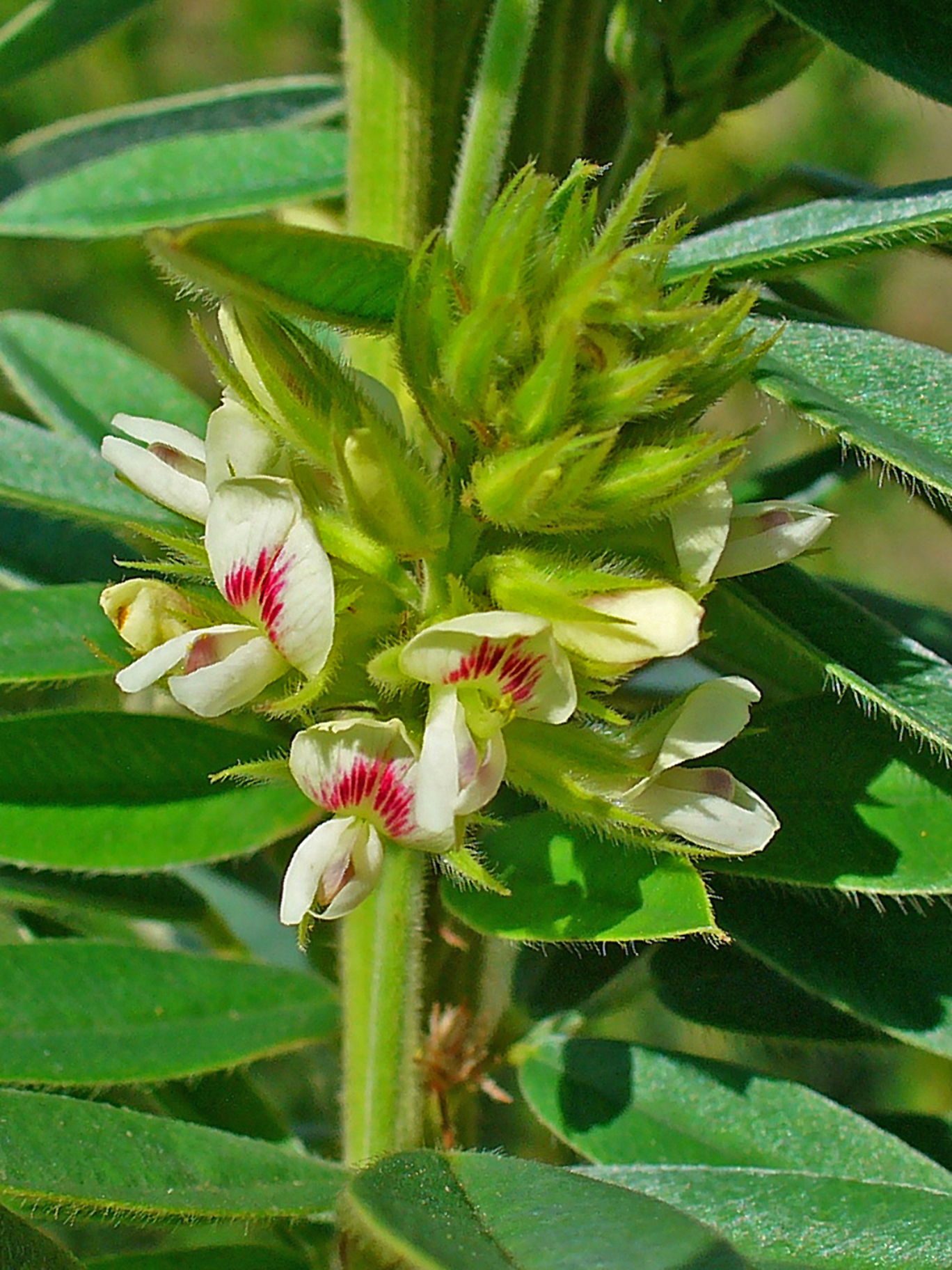
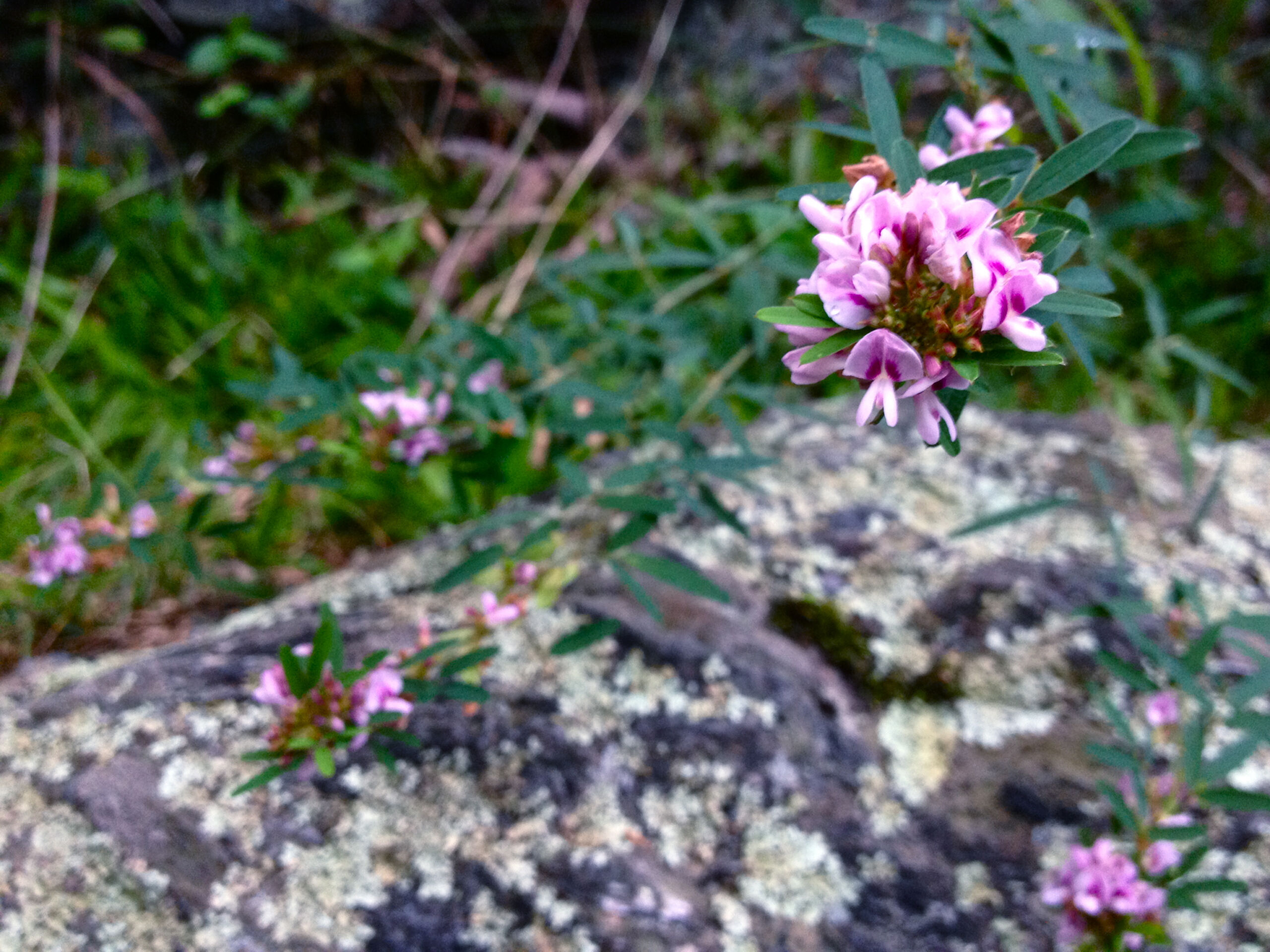
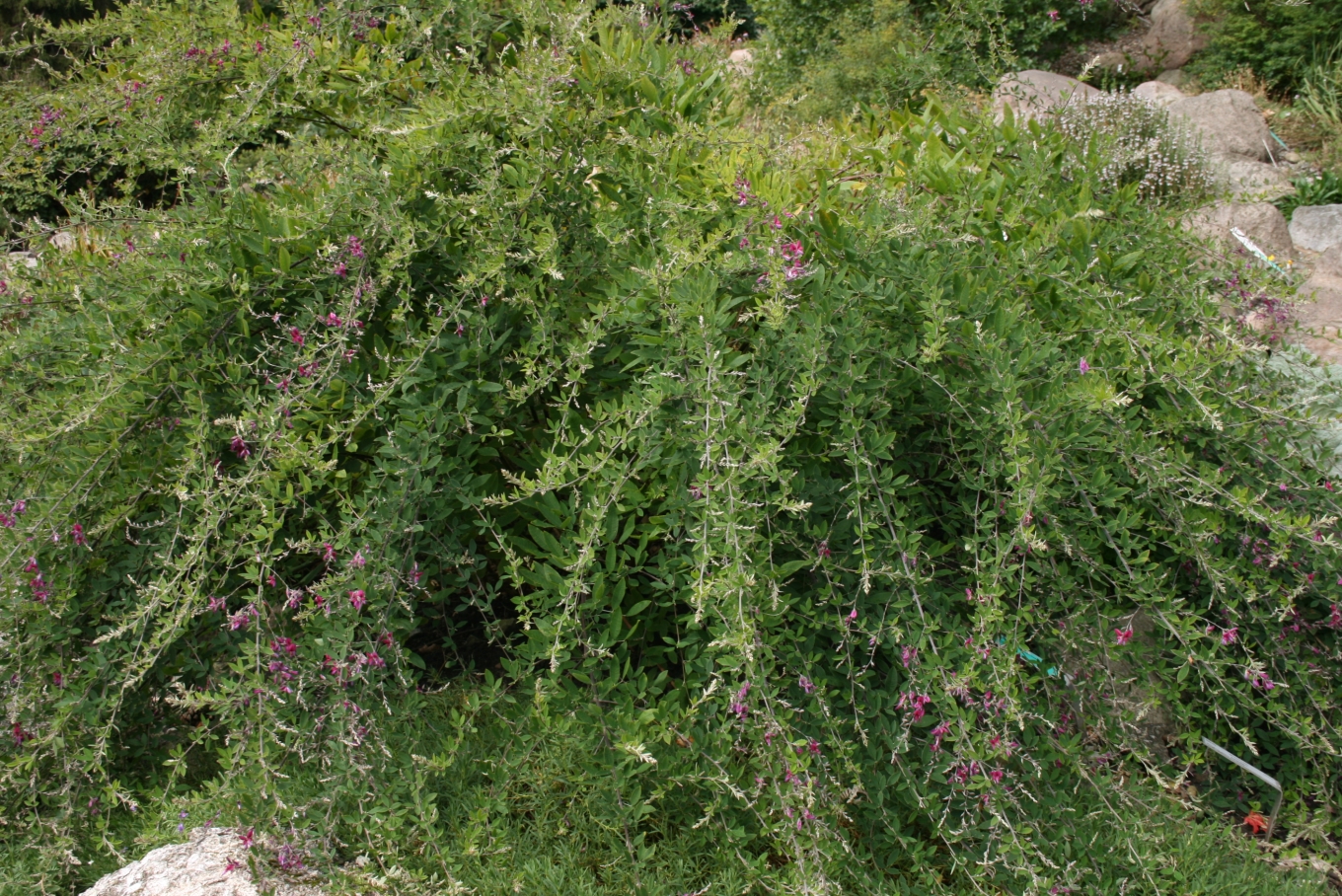
Lespedeza, also called bush clover, is a genus of legumes — plants in the pea family, Fabaceae — and like all good legumes it comes with a superpower: it fixes nitrogen. Bacteria in nodules on its roots take nitrogen from the air and turn it into a form plants can use, so lespedeza improves the soil it grows in instead of just taking from it. That is why farmers, wildlife managers, and prairie gardeners have all planted it, and why this guide starts with praise and then immediately issues a warning, because not every lespedeza deserves your garden.
The native North American lespedezas are mostly herbaceous perennials: stiff, upright stems with trifoliate leaves — three leaflets per leaf, like a clover that went to finishing school — and small pea-like flowers in summer and fall. Roundhead lespedeza, Lespedeza capitata, is the poster child: 2 to 4 feet tall, with wiry, hairy stems and dense, rounded clusters of small creamy-white flowers, each with a magenta spot near its throat, from July to September. Slender lespedeza, Lespedeza virginica, is similar but more delicate, with pink, purple, or red flowers. Hairy lespedeza, Lespedeza hirta, is another native perennial of open woods and prairies. The shrub lespedezas from East Asia — Lespedeza bicolor and Lespedeza thunbergii — are bigger, woodier, and showier, 3 to 10 feet tall, with arching stems and drooping racemes of pink and purple pea flowers in late summer and fall. They are beautiful. They are also, in parts of the eastern United States, invasive. Keep reading before you buy one.
The wildlife value is real and is the reason lespedeza appears in butterfly host lists. Native lespedezas host caterpillars of several butterflies and moths, including skippers, and their flowers feed bees and adult butterflies. In fall and winter, the persistent seed heads of roundhead lespedeza are important bird food — northern bobwhite and other ground-feeding birds rely on them when other food is scarce, and sources describe Lespedeza capitata as one of the top wildlife food plants of eastern and central North America. A plant that feeds soil bacteria in summer, butterflies in fall, and birds in winter is earning its place three times over.
How to grow
Grow native lespedezas in full sun in average, well-drained soil, and they will largely look after themselves. They tolerate lean, dry, sandy, and rocky soils — the nitrogen-fixing habit means they do not need rich ground, and they are a good choice for a prairie planting, a meadow edge, or a sunny bank where other perennials sulk. Roundhead lespedeza is generally listed for zones 3–9 or 4–8 depending on the source, and slender lespedeza for zones 4–9; the hero stat of 4–8 is a safe middle for the native species most gardeners will plant, but check the species tag, because the genus spans a wide range. Space herbaceous species 2 to 3 feet apart; give shrub species 6 feet or more, because a mature shrub lespedeza is a big, arching presence, not a dainty border plant.
Plant in spring, water to establish, and then leave them alone. Lespedezas are deep-rooted and drought-tolerant once settled, and they dislike being moved, so choose the spot first and commit. In a prairie or meadow planting, they combine well with grasses, goldenrods, and asters, and their stiff stems add winter structure if you leave them standing — which you should, for the birds. Cut back dead stems in early spring before new growth starts, not in fall, so the seed heads can do their winter work.
Florida note, with a caveat: roundhead lespedeza’s native range runs south to Florida and Texas, and native lespedezas do occur in Florida, so a Florida gardener is not entirely out of luck — but check the species and the source. Buy Florida-native stock from a Florida native-plant nursery, and do not assume a northern seed source will thrive in Florida’s heat, humidity, and sandy soils. And whatever you do, do not plant the invasive species in Florida (see the warning below).
Important warning — read before buying any lespedeza. Chinese lespedeza, also called sericea lespedeza, Lespedeza cuneata, is invasive in the Southeast and beyond. It was introduced from Asia for erosion control and forage, and it now forms dense stands in old fields, woodland edges, and prairies, crowding out native plants, and it is listed as a noxious weed in a number of states. Do not plant it. Do not accept it as a “free” groundcover or wildlife plant. The shrub lespedezas Lespedeza bicolor and Lespedeza thunbergii are also documented as invasive in parts of the eastern United States, forming dense stands that block forest regeneration, and the U.S. Forest Service’s invasive-plant guides treat them as problem plants in southern forests. If you already have them, check your state’s invasive list and local guidance before deciding what to do — and if you want lespedeza, plant a native species from a reputable native nursery, with the Latin name on the tag, so you know exactly what you are getting.
Water & feeding
Water to establish in the first season, then water sparingly. Native lespedezas are drought-tolerant once their deep roots are down, and they prefer dry to medium-moist, well-drained soil. Soggy ground is their enemy: it rots roots and invites disease. Do not fertilize. This is a nitrogen-fixing legume — feeding it nitrogen is like bringing sand to the beach, and it produces soft, floppy growth that falls over and flowers poorly. If the soil is extremely poor, the plant will improve it on its own over time, which is the entire point. A light mulch of leaves or straw around young plants helps hold moisture while they establish; keep mulch off the crown.
In a meadow planting, lespedezas need no irrigation in a normal year. In a container, which is not their natural home, use a deep pot, a gritty, well-drained mix, and water only when the mix is dry an inch or two down. Most gardeners will do better planting them in the ground, where their roots can go deep and do their work.
Common problems
- Wrong species. The biggest lespedeza problem is not a pest — it is planting an invasive species by mistake. Always buy by Latin name from a reputable source, and if a plant is sold only as “lespedeza” with no species, do not buy it.
- Flopping. In rich soil or shade, lespedezas grow soft and fall over. The cure is sun and lean soil, not staking and fertilizer.
- Rabbits and deer. Young lespedeza shoots are browsed by rabbits and deer. Protect young plants until established; mature, wiry stems are less appealing.
- Self-sowing. Native lespedezas self-sow modestly, which is welcome in a meadow and less welcome in a formal bed. Deadhead if you want to limit spread, but leave some seed heads standing for birds.
- Root disturbance. Deep-rooted lespedezas resent transplanting. Plant them where they will stay, and propagate by seed or cuttings rather than digging up established plants.
Harvest
The harvest is not a crop but a season of services. Leave the seed heads standing through winter for birds, cut the dead stems back in early spring, and collect seed in fall if you want more plants — the small, hard seeds are easy to gather from the clusters once they ripen. Seed of native lespedezas may benefit from scarification (nicking or soaking the hard seed coat) before sowing, a common legume trick; sow in fall or spring in well-drained mix, and be patient, since germination can be uneven. Cuttings of shrub species root in summer, but given the invasiveness concerns around the shrub species, this guide recommends propagating native herbaceous species, not the Asian shrubs.
For butterfly gardeners, the honest framing is this: native lespedezas are host plants for some butterflies and moths, notably skippers, and they are excellent nectar and bird plants — but they are not a universal butterfly magnet, and a garden that wants butterflies needs a diversity of host plants, not lespedeza alone. Plant lespedeza as part of a prairie community, alongside milkweeds, asters, grasses, and other natives, and let the whole community do the work.
Browse all plant & pest guides
Propagation
With lespedeza, the first rule of propagation is knowing which lespedeza you have — because this genus contains both some of the best native wildlife plants in the eastern United States and some of its most stubborn invaders, and the two groups need opposite treatment. This section is a prevention note, not a seed-saving guide: there are no germination instructions here, and that is deliberate.
Do not save, share, or sow seed of the invasive lespedezas. Chinese lespedeza, also called sericea lespedeza (Lespedeza cuneata), is listed as a noxious weed in a number of states and forms dense stands that crowd out native plants in old fields, woodland edges, and prairies. The shrub lespedezas Lespedeza bicolor and Lespedeza thunbergii are documented as invasive in parts of the eastern United States, where they form dense stands that block forest regeneration. If you have any of these on your land, do not let their seed spread: cut seed heads off before they drop, and dispose of them in the trash, not the compost pile, where seed can survive and travel. Check your state’s invasive plant list and local guidance before deciding what to do with an established stand, and never pass a cutting or a seed head along to a friend — a gift of invasive lespedeza is a chore disguised as a favor.
For the native lespedezas — roundhead lespedeza (Lespedeza capitata), slender lespedeza (Lespedeza virginica), and hairy lespedeza (Lespedeza hirta) — the best propagation advice is to do nothing at all. Leave the seed heads standing through fall and winter, exactly as this guide already recommends, and let the birds do the distributing: northern bobwhite and other ground-feeding birds rely on those persistent seed heads when other food is scarce. A native lespedeza left standing is feeding wildlife three seasons a year and reseeding its own patch at its own pace, which is a better outcome than any envelope of saved seed would give you.
If you want more native lespedeza, buy it — do not wild-collect it. Get named native stock from a reputable Florida or regional native-plant nursery, with the Latin name on the tag, so you know exactly what you are getting. That matters doubly in Florida, where native lespedezas do occur but the invasive species must never be planted: a tag that just says “lespedeza” or “bush clover” is not enough information to plant safely. Right plant, right name, right nursery — and the seed heads stay where the birds can find them.
Species in this group
Lespedeza capitata — Roundhead lespedeza: native herbaceous perennial, 2–4 feet tall, creamy-white flowers with a magenta spot in dense round clusters July–September, outstanding bird seed plant; the native to plant.
Lespedeza hirta — Hairy lespedeza: native herbaceous perennial of open woods and prairies, hairy stems and leaves, pink to purple flowers; a solid prairie-garden native.
Lespedeza virginica — Slender lespedeza: native herbaceous perennial, more delicate than roundhead, pink, purple, or red flowers in summer and fall, zones 4–9 in garden sources; a good nectar plant for bees and butterflies.
Shrub lespedeza (Lespedeza thunbergii) — Thunberg’s lespedeza: East Asian shrub, 3–10 feet, arching stems and drooping pink-purple racemes; beautiful, widely planted, and documented as invasive in parts of the eastern United States — plant natives instead.
Lespedeza bicolor — Shrubby lespedeza: East Asian shrub, 3–10 feet, two-toned pink and purple flowers; also documented as invasive in parts of the eastern United States — plant natives instead.