
🌲 Leyland Cypress
What it looks like
How to grow
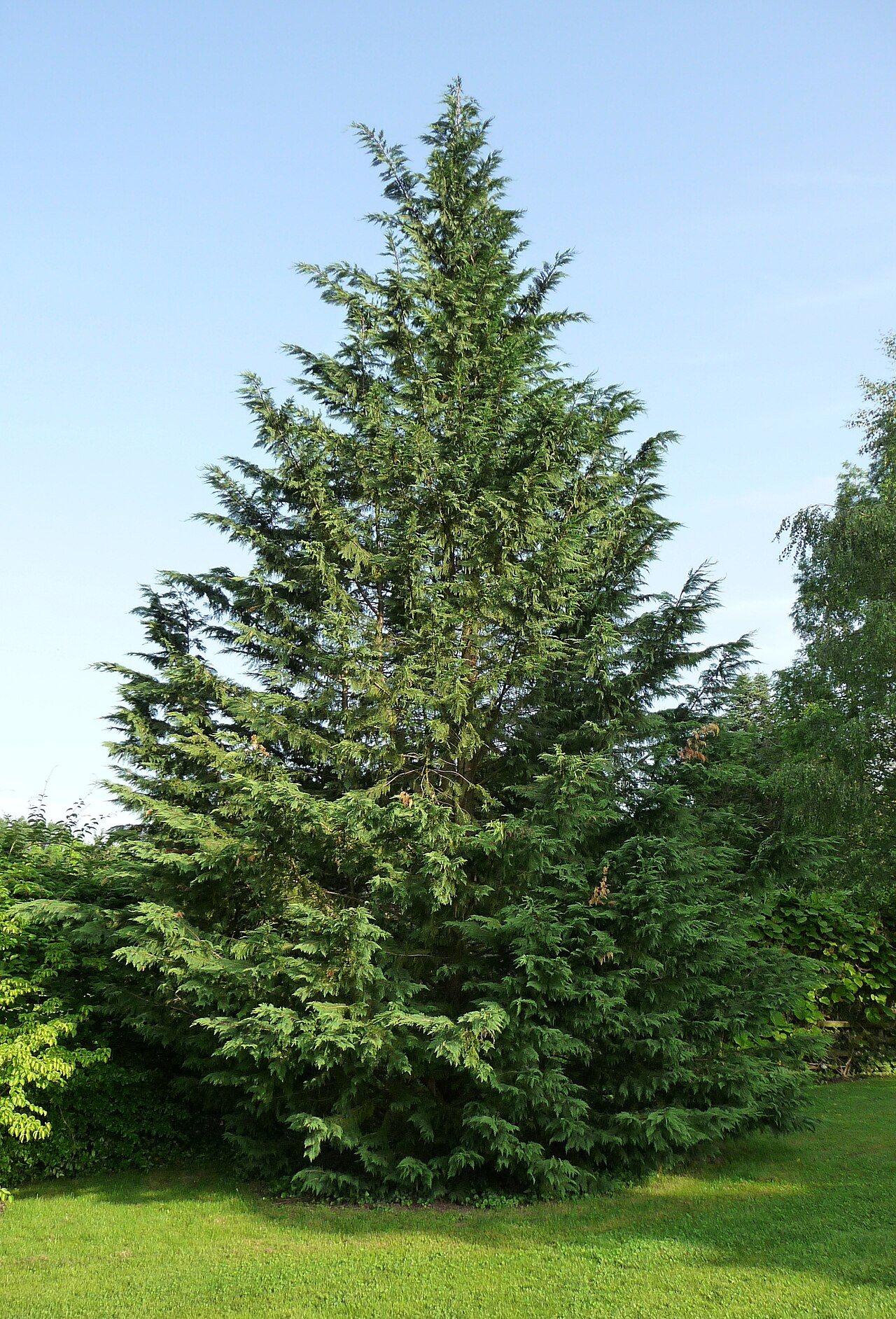
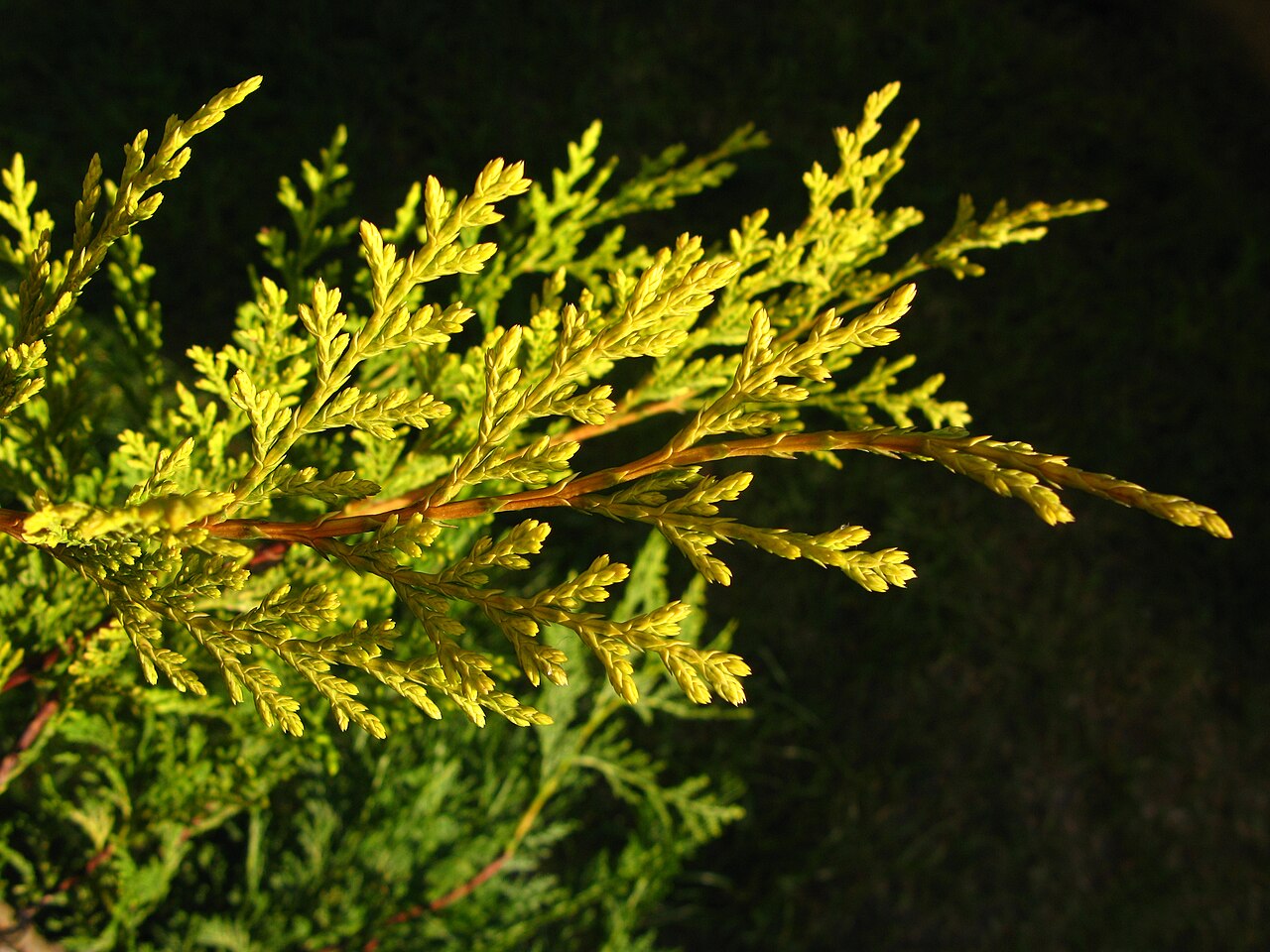
Leyland cypress is a sterile hybrid conifer, 55-75 feet tall if left alone, with dense, dark-green, scale-like foliage that makes it the classic instant hedge. Plant in full sun in moist, well-drained soil; drainage matters more than pH, because standing water invites the root rot that kills Leylands. Space trees 8-10 feet apart for a dense screen or 12-15 feet for a windbreak with better air movement, and plant well inside your boundary: a mature Leyland is a big tree, not a fence, and neighbours on both sides will eventually notice. Shear young hedges lightly to keep them dense and narrow, and never top a Leyland into a flat-topped stump — it will not forgive you.
Water & feeding
Water deeply and regularly the first year, reducing to deep waterings in dry spells once established; Leyland tolerates mild drought but stressed, crowded trees are the ones that get canker. Feed in early spring only if growth is weak or a soil test calls for it, and mulch to hold moisture.
Common problems
- Seiridium canker — dead, grey-brown patches and resin flow; prune out cankered branches well below the damage and improve air movement.
- Phytophthora root rot in wet soil — the main killer; plant only where drainage is good and never in a swampy hollow.
- Bagworms — hand-pick bags in winter; a bad infestation can strip a young hedge.
- Spider mites and scale in hot, dry, dusty sites — hose foliage and water in drought rather than spraying first.
Notes
Leyland cypress is a victim of its own success: planted as a quick screen, then left to become a 60-foot wall that shades gardens and sparks neighbour disputes. Plant it with its mature size in mind, keep it trimmed while young, and it is a superb screen; plant it as a quick fix and forget it, and it will remind you every year.
Browse all plant & pest guides
Propagation
There is no seed section for Leyland cypress, and there never will be — because there is effectively no seed to save. The Leyland is a hybrid, born by accident in a Welsh garden in 1888 when a Monterey cypress crossed with a Nootka cypress, and like many hybrids it is almost always sterile. The small cones it produces hold seeds that will not germinate, and on the rare occasion that a seed proves fertile, the tree that grows from it looks quite different from the parent — which rather defeats the purpose of a privacy screen grown for its exact shape and density. Every Leyland cypress in cultivation is a clone of one of a handful of original plants, propagated by cuttings, and that is the only way to make another one.
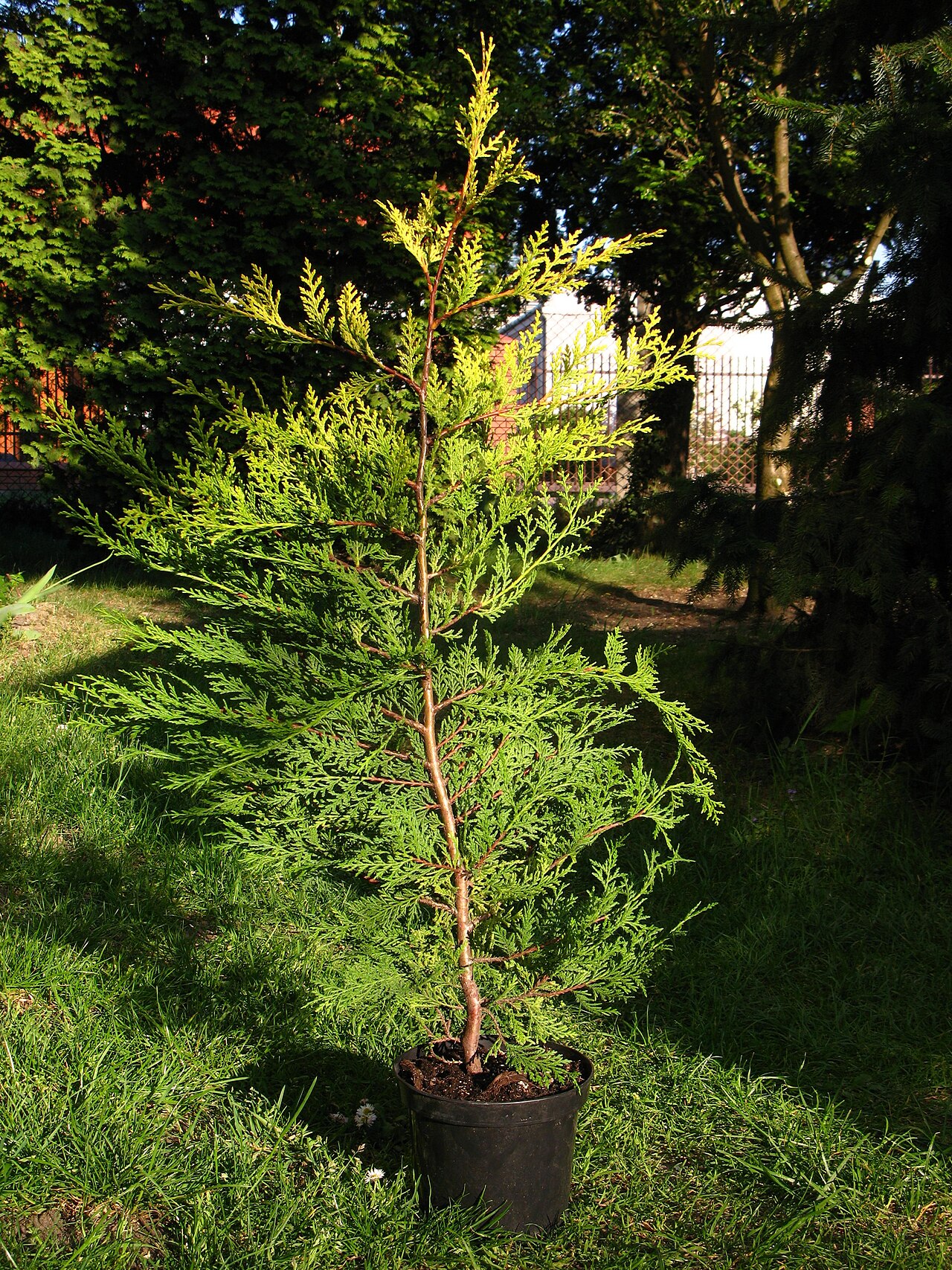
Cuttings are straightforward, but the details matter. Take them in January, February, or March, when the tree is dormant and the wood is at its most cooperative — University of Georgia guidance calls these the best months, with rooting possible at other times but at a lower success rate. Choose 6- to 8-inch semi-hardwood cuttings from a tree less than 10 years old, or from vigorous new shoot growth on an older tree: upright shoots with brown wood at the bottom and fresh green growth at the top. Strip the leaves off the bottom two inches of the stem, and make a small angled notch in the base to help it take up water. Dip the base in rooting hormone — the UGA formulation for hard-to-root woody plants is a powder containing 0.8% IBA — and stick the cutting in a porous, sterile medium such as a 1:1 mix of peat and perlite.
Then comes the part most people get wrong: humidity. Water loss is the main cause of cutting failure, so keep the cuttings warm, humid, and moist — mist them, or tent a clear plastic bag over the pot — and keep them out of direct sun while they root. Rooting generally takes six to ten weeks. Once rooted, move the young plants into larger pots of potting soil and grow them on until the following spring, when they are ready for their permanent spot. Take more cuttings than you think you need; even under good conditions, not all of them will take.
Two things worth knowing before you start. First, because every Leyland is a clone, the whole population is genetically uniform — which is why a disease like Seiridium canker can sweep through a hedge so fast, and why you should take cuttings only from healthy, canker-free trees. Second, think about Florida before you plant the result: Leyland is hardy in zones 6–10, so it grows in north and central Florida, but the same humid, crowded conditions that invite canker are exactly what a Florida summer provides. Space new trees for airflow, never plant them in a swampy hollow, and remember the mature size — a rooted cutting today is a 60-foot wall in a couple of decades. Propagate with the future in mind, and plant the cutting where the tree will be welcome when it grows up.
Varieties
Every named variety of Leyland Cypress with its own growing guide:
- Leighton Green Leyland Cypress — The original Leyland screen: dense, dark-green, and fast — the classic privacy hedge, if you plant it with room and drainage.