
🌿 Licorice
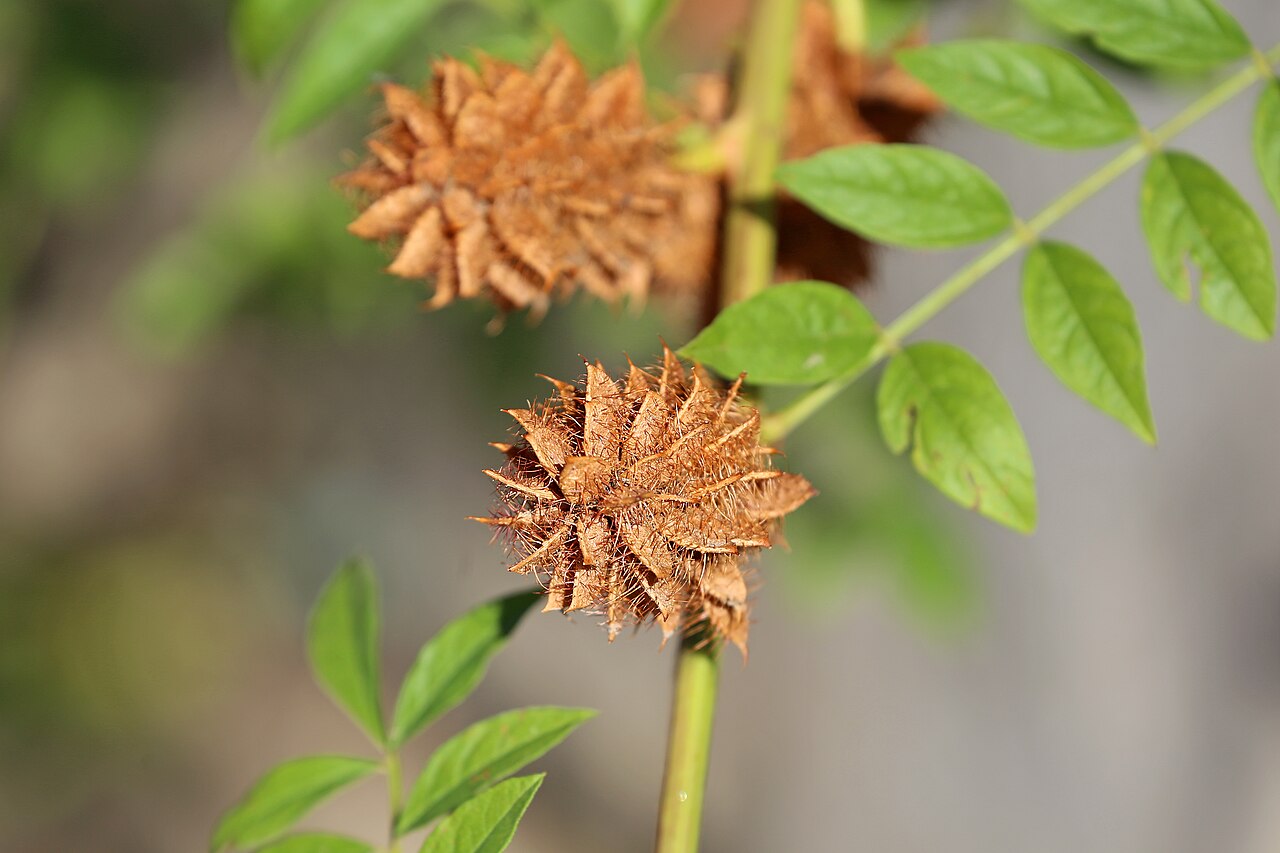
What it looks like
How to grow
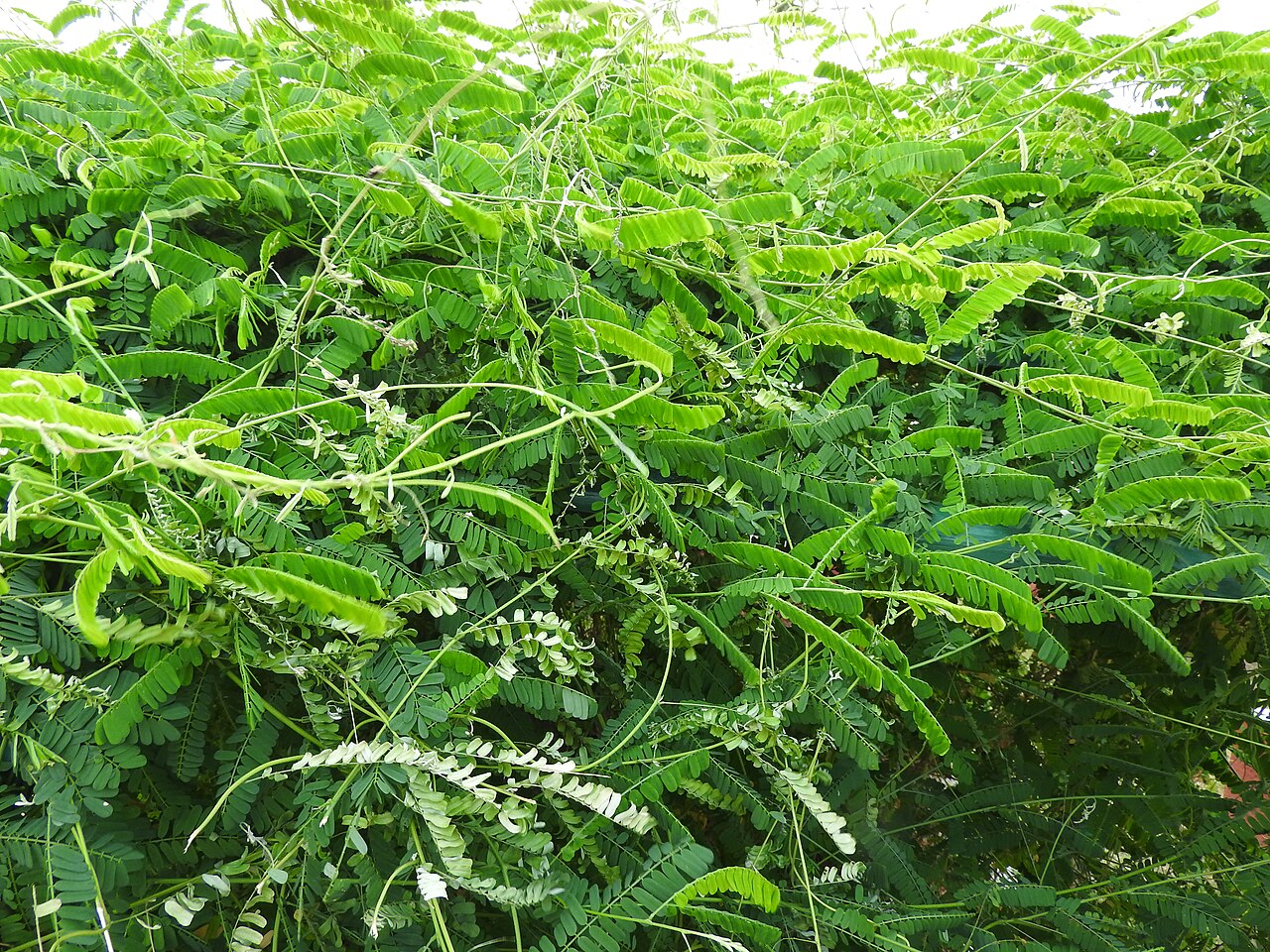
Licorice is a tall, bushy legume, 3-5 feet, with pinnate leaves, spikes of pale violet flowers in summer, and a famously sweet root system that runs deep — which is why it needs deep, loose soil and patience. Start from root divisions (cuttings of root with a bud) in spring — the reliable route, since seed is slow and variable — or from seed soaked overnight. Plant in full sun in deep, fertile, well-drained soil, dug at least 2 feet deep and enriched with compost; shallow or heavy soil gives short, forked roots. As a legume, licorice fixes its own nitrogen, so it improves the soil it grows in, and it makes a handsome, feathery background plant while it works. In zones below 8, grow it in a large pot or treat it as a long-season experiment, since roots need several hot summers to sweeten and size up.
Water & feeding
Water regularly until established, then about an inch a week — licorice likes steady moisture but not waterlogging, and deep watering encourages deep roots. Feed lightly with compost in spring; as a nitrogen-fixer it needs little nitrogen, but it appreciates phosphorus and potassium for root growth. Mulch to hold moisture, and keep the bed weed-free so young plants are not crowded out.
Common problems
- Shallow or heavy soil — roots fork and stay small. Dig deep, add compost, and choose the loosest bed you have.
- Short seasons — in cool climates, roots stay thin; grow in the hottest spot, in a pot you can move to sun, or accept smaller roots.
- Spreading by runners — licorice runs underground, so give it its own bed or a root barrier, and pull escapees promptly.
- Spider mites in hot, dry weather — hose foliage down and keep plants watered; severe cases get cut back hard.
Harvest
Dig roots in fall of the third or fourth year, after the tops die back, using a fork to loosen the deep root system — expect long, branching roots that smell sweet when cut. Wash, chop, and dry thoroughly before storing. This guide is about growing only: licorice root is a potent traditional herb and food flavoring, and eating large amounts or using it medicinally can raise blood pressure and interact with medicines, so keep culinary use small and talk to a clinician before any medicinal use. Leave some plants untouched to regrow from runners, and replant root pieces with buds for the next patch.
Browse all plant & pest guides
Saving seeds
Licorice gives you two ways to make more of it, and the honest ranking is: division first, seed second. Seed is entirely possible — the plant makes pods, the pods hold seed, and the seed will grow — but the seed wears armor. Licorice seed has a famously hard, impermeable coat that blocks water until it is breached, so untreated seed germinates slowly and erratically, if at all. The fix is scarification: rub each seed gently between two sheets of fine sandpaper until the coat is scuffed, then soak the seed in warm water for 24 hours. Sow the treated seed about a quarter inch deep in a sterile, well-drained starting mix, keep it at around 68–77°F under bright indirect light, and expect emergence in two to three weeks — though some sources stretch that to two to four weeks, so do not panic if a few stragglers take their time. Transplant seedlings once they have two sets of true leaves, and remember what you are signing up for: seed-grown licorice still needs three full growing seasons before its roots are thick and sweet enough to harvest.
To collect seed, let a few pods mature and dry fully on the plant, then strip them, shell out the seed, and dry it completely before storage — spread it thin in a dry, airy spot out of direct sun, and jar it only when it is fully dry. Label the jar with the species and the year, and store it cool, dark, and dry in an airtight container. One caution: seed-grown plants are variable, so if you fell in love with a particular plant’s vigor or sweetness, seed will not reliably reproduce it. Named selections and favorite individuals are cloned, not sown.
That is where division comes in, and it is the method this guide already recommends in the growing section for good reason. Licorice spreads by deep, running rhizomes, and every piece of root carrying a growth bud can become a new plant. In dormancy — autumn or early spring — lift a length of rhizome, cut it into sections, each with at least one bud, and replant the pieces horizontally a few inches deep. Divisions may sulk for a season before they take off, but when they come back they grow faster than any seedling, and they are exact copies of the parent. Harvest time doubles as division time: when you dig roots in fall of the third or fourth year, set aside the best root pieces with buds and replant them on the spot.
Now the warning that belongs in bold: licorice spreads aggressively. Those same runners that make division so easy will also march across a bed and pop up where they are not wanted, so give licorice its own bed, a root barrier, or a deep container — a pot at least 18 to 24 inches deep, or a large fabric grow bag, keeps the roots where you put them and makes harvest far easier. Pull escapees promptly, while they are small. Florida gardeners get a genuine advantage here — licorice wants long, hot summers and is hardy in zones 8–10 — but Florida humidity is the trade-off: soggy soil rots roots, and damp seed molds in storage, so keep the bed sharply drained, water deeply rather than often, and dry saved seed thoroughly before it goes into a jar. Three years, deep soil, and a firm hand on the runners — that is the whole contract.