
🔴 Lingonberry
What it looks like
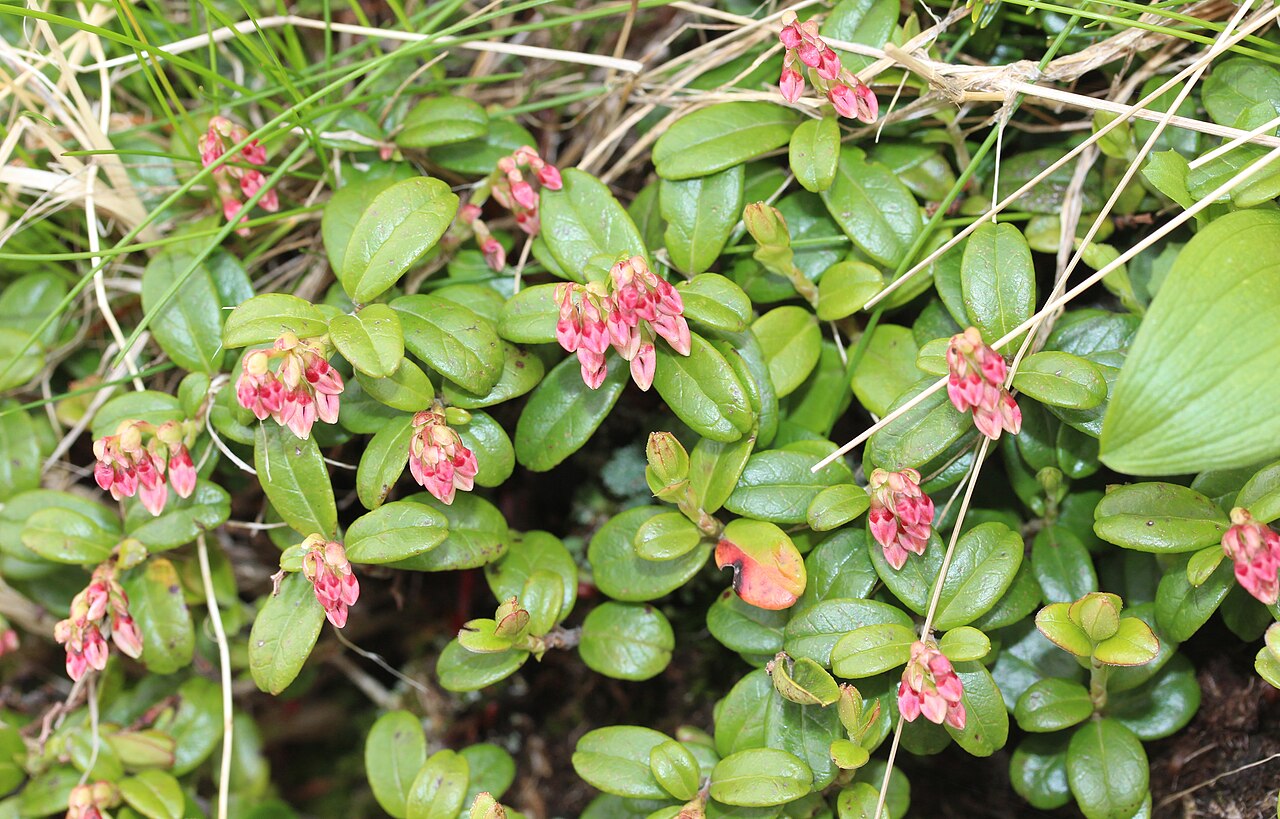
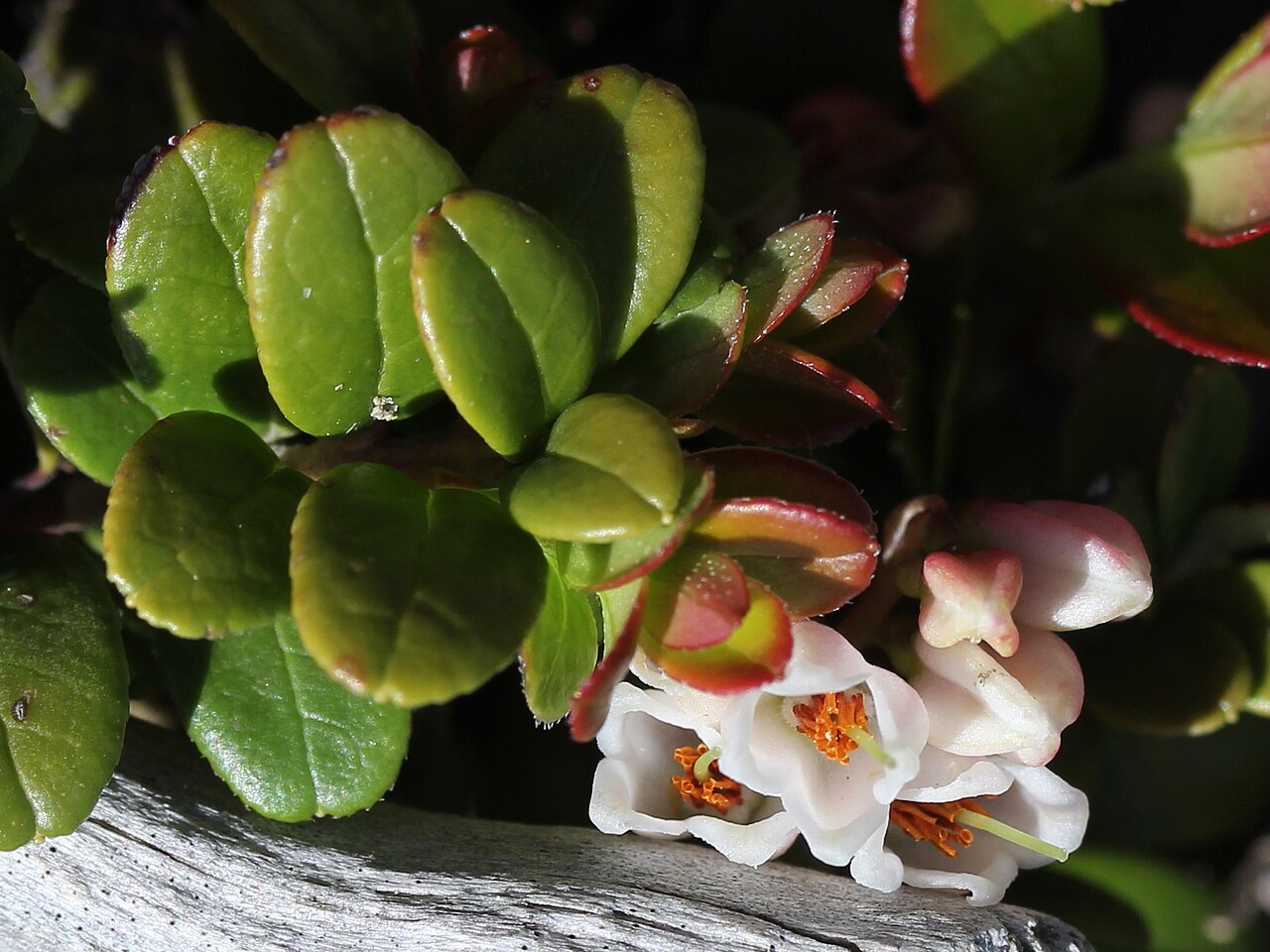
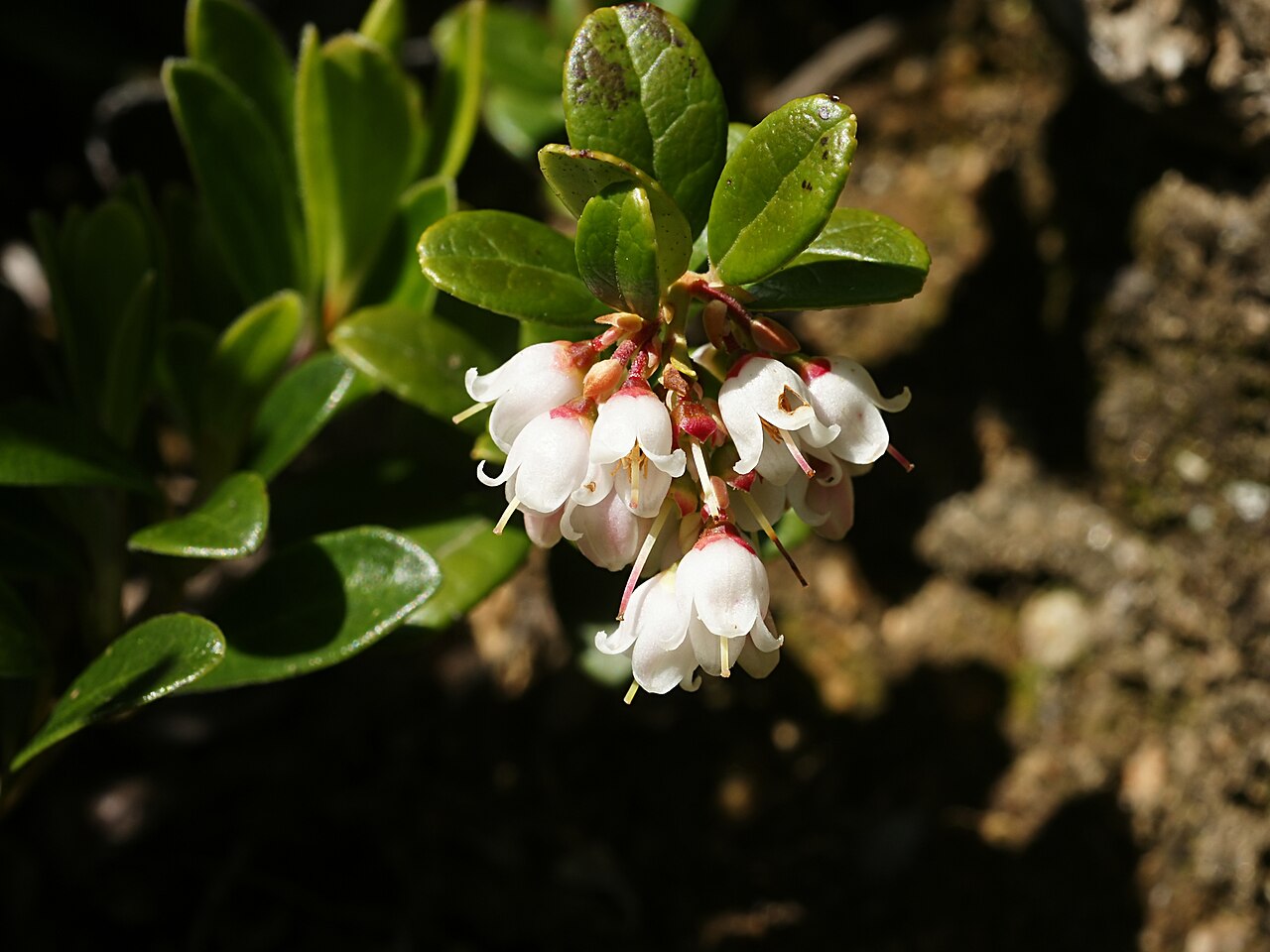
How to grow
Lingonberries are evergreen groundcover plants — six to twelve inches tall — that produce tart red berries twice a year in good conditions, once in midsummer and again in fall. They are a northern plant through and through: they need acidic soil, cool summers, and a real winter chill, and they sulk in hot, humid zones. Plant in spring in a prepared acidic bed (peat moss and pine bark worked into the soil, the same recipe as for blueberries), mulch with pine needles, and let them spread into a mat. They are self-fertile, so one variety works, but ‘Red Pearl’ and ‘Koralle’ are proven home-garden types. Because they are evergreen, they look good all winter — a rare trick for a fruit plant.
Water & feeding
Consistent moisture without waterlogging; shallow roots dry out quickly, so mulch is not optional. Water during dry spells and protect from winter wind with a light evergreen bough mulch in exposed sites. Avoid fertilizing heavily — lingonberries are light feeders and excess nitrogen produces leaves, not berries.
Common problems
- Alkaline soil — yellowing leaves with green veins mean pH trouble, the same as blueberries
- Heat stress in zones warmer than 6 — this is a cool-climate plant; do not force it in the subtropics
- Drought — the shallow mat dries fast in summer
- Weed competition — the low mat is easily overrun; mulch and hand-weed until it closes in
Harvest
Pick when the berries are fully red and slightly soft — tart is the point, so do not wait for sweetness that is never coming. Lingonberries shine cooked: sauces, jams, and the classic accompaniment to savory dishes, where their tartness cuts richness beautifully.
Browse all plant & pest guides
Saving seeds
Lingonberry seed saving starts with a confession: seed is the slow road, and for a named variety it is the wrong road. Named varieties like Ida and Koralle do not come true from seed, so if you want more of the exact plant you already love, divide its suckers or runners instead. Lingonberries spread by underground runners, and lifting a rooted sucker in spring or early autumn and replanting it is faster, easier, and genetically identical. Cuttings of half-ripe wood are also possible, but every account agrees they are slow and fussy. Seed is for the patient, the curious, and anyone who wants new genetic combinations rather than a copy.
If seed is your plan, start with the freshest berries you can get, because lingonberry seed loses vigor in storage. Mash ripe berries in water, pour off the pulp, and keep the tiny seeds that sink. Fresh seed sown right away germinates well without any special treatment. Dried or stored seed is a different story: it generally needs a period of cold, moist stratification first, and sources disagree on how long, with guidance ranging from about a month to as much as four months in the fridge, mixed into damp peat or sand. That wide range is honest, not sloppy. When in doubt, give stored seed the longer chill and sow it in late winter in a lime-free, acidic mix, barely covering the dust-fine seed, because this is an ericaceous plant that wants acid soil and no lime anywhere near it.
Seedlings are slow and small for a long time. Prick them out into individual pots once they are big enough to handle, grow them on in light shade for at least their first winter, and plant out in late spring after the last frosts. Now the Florida honesty, because it matters: lingonberry is a cool-climate, boreal plant that wants cold winters, acidic soil, and cool, moist summers, and Florida offers almost none of that. In most of the state it is marginal at best, a container experiment in acidic mix and afternoon shade rather than a berry patch. Florida humidity adds damping-off to the list of hazards, so use a sterile, airy mix, water carefully, and give seedlings airflow. If yours fruits at all in Florida, you have beaten the odds. Save that seed with pride, and tell the rest of us how you did it.
Varieties
Every named variety of Lingonberry with its own growing guide:
- Ida Lingonberry — The big-berried lingonberry: the largest fruit and the highest yield in USDA trials, with the deepest color of the lot.
- Koralle Lingonberry — The standard lingonberry: the reliable, spreading, twice-fruiting groundcover berry that built the Pacific Northwest lingonberry trade.