
🌿 Litsea
What it looks like
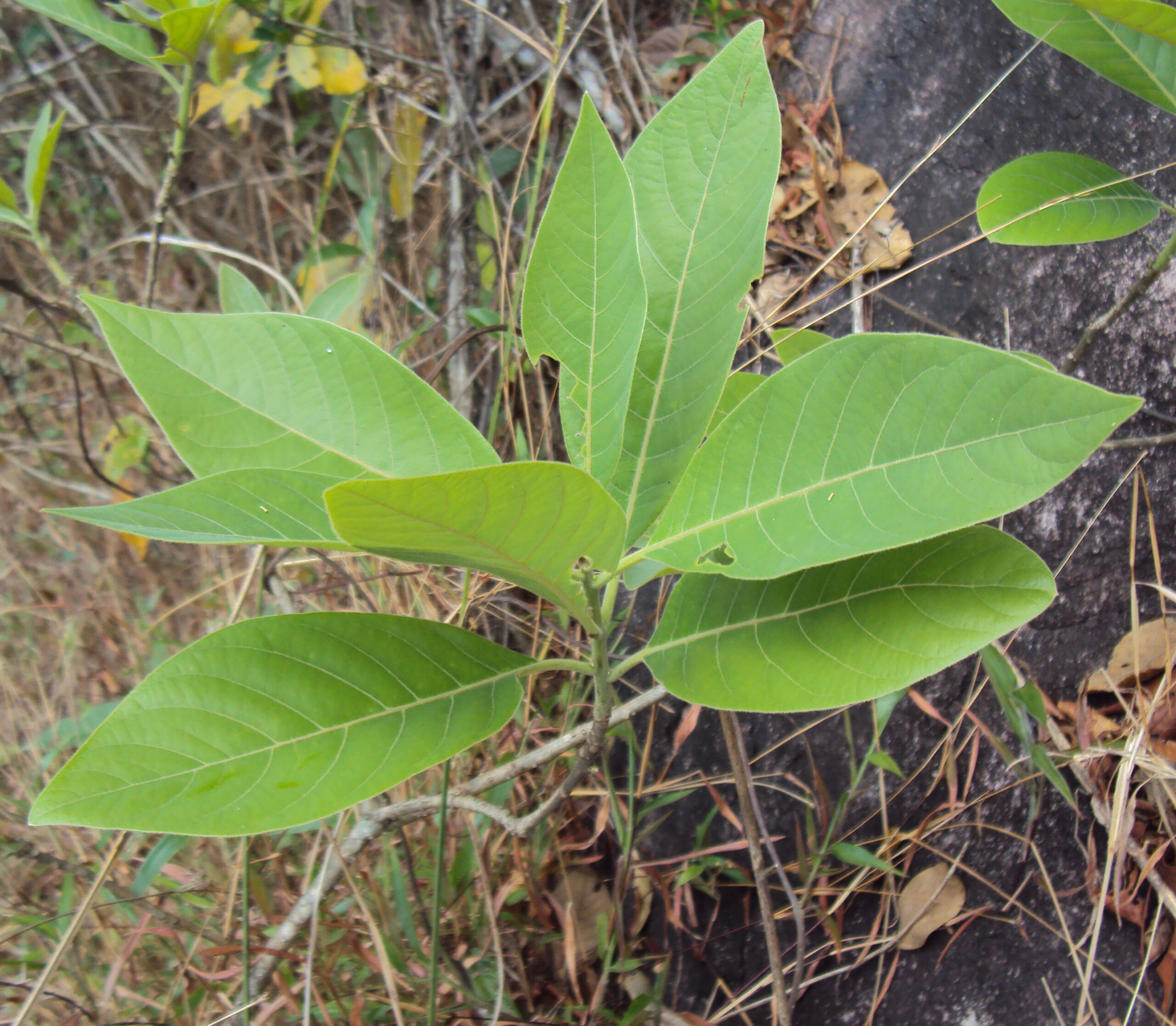
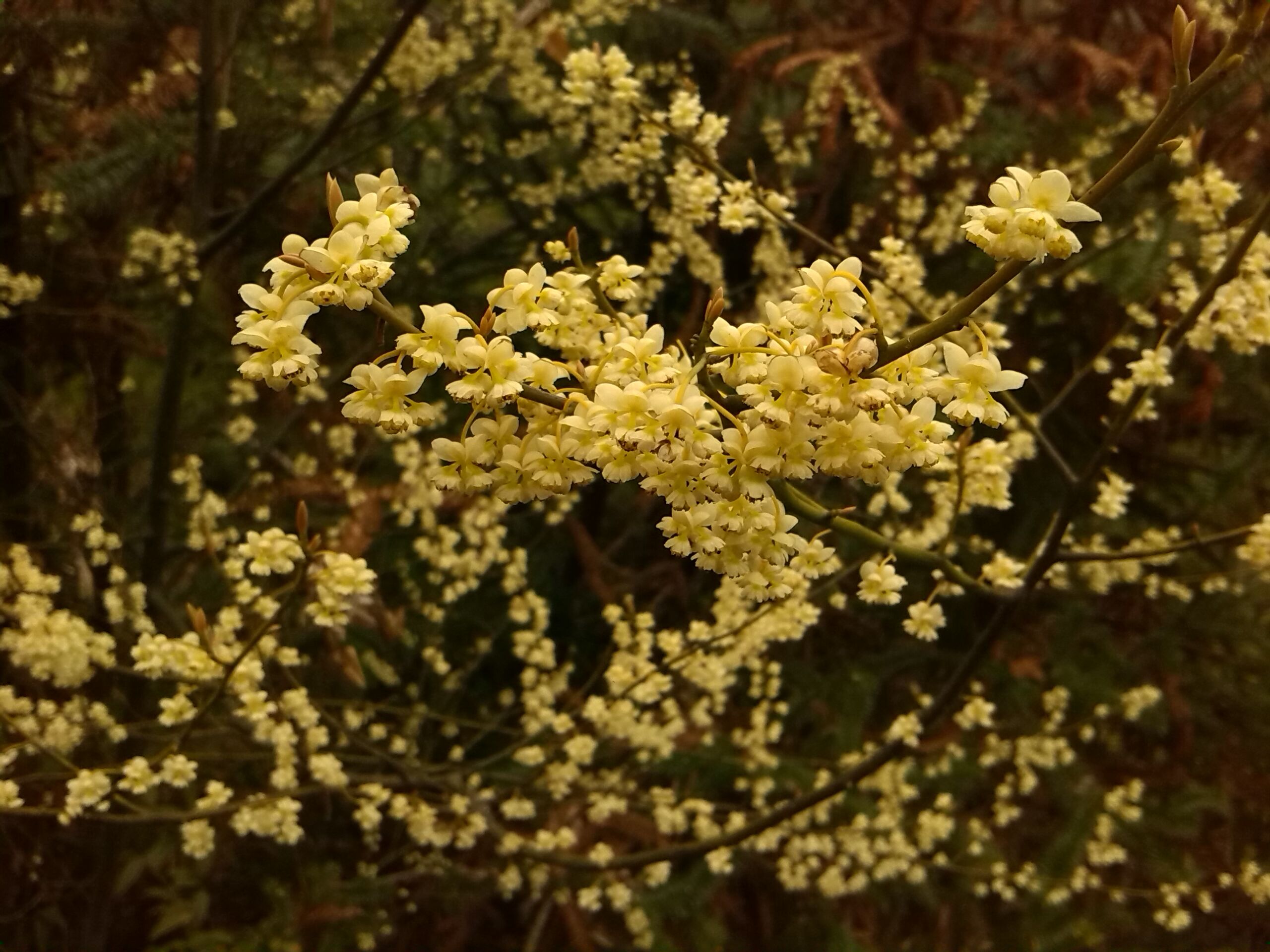
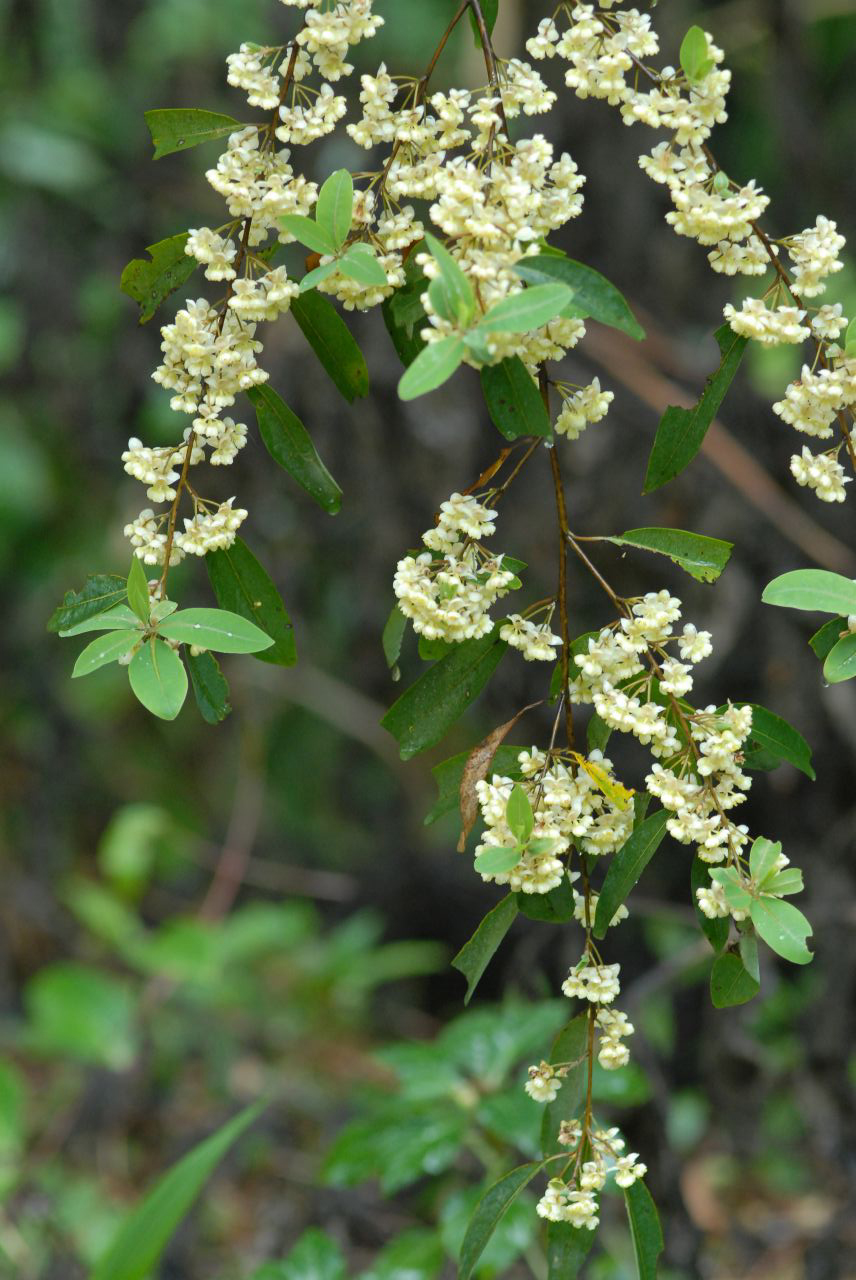
Litsea is a genus of evergreen or deciduous trees and shrubs in the laurel family, Lauraceae, the family that gives us bay leaves, cinnamon, camphor, sassafras, spicebush, and avocado, and it is one of the larger genera in that fragrant clan. Counts vary with the source: older floras put the genus at about 200 species, while Plants of the World Online accepts nearly 400, and the honest number is that the genus is big, mostly tropical and subtropical, and still being sorted out. Its species spread across tropical and subtropical Asia, Australasia, the western Pacific, and North and Central America, which means a Litsea can be a Himalayan tree, a Southeast Asian spice plant, a Florida pond shrub, or a Mexican swallowtail host, and all of those are the same genus wearing very different climates.
The family resemblance is aromatic. Litsea species are dioecious, meaning male and female flowers grow on separate plants, which matters if you want fruit, since a lone female with no male nearby will flower and fruit poorly or not at all. Leaves are alternate, usually pinnately veined, and often aromatic when crushed, releasing the spicy, lemony, or camphor-like oils that define the laurel family. Flowers are small and clustered in umbels in the leaf axils, easy to overlook until you notice the insects working them, and the fruit is a small, globose, berry-like drupe seated on a little cup formed from the flower’s perianth tube, a laurel-family signature that looks like a tiny acorn cup without the acorn. Birds eat the fruit and spread the seed, which is how a laurel genus travels, and also how one of its species became a Florida problem.
The species most people meet, if they meet any, are three. May chang, Litsea cubeba, is an evergreen tree or large shrub 5 to 12 metres tall, native from the Himalayas through southern China to Southeast Asia, whose small fruits are processed for a lemony essential oil rich in citral, and whose dried fruits are used as a spice. Indian laurel, Litsea glutinosa, is an evergreen or deciduous tree 3 to 15 metres tall from Asia, with a sticky, glutinous character to its bark and leaves that gave it its species name. Pondspice, Litsea aestivalis, is the native southeastern United States species, a deciduous shrub of pond margins and wet pine flatwoods, and the Litsea that actually belongs in Florida. The genus contains all three, and a responsible guide has to hold all three at once: a spice tree, a native pond shrub, and an invader, all wearing the same genus name.
Florida note: This is the section that matters most for Florida readers, so here it is plainly. Pondspice, Litsea aestivalis, is a Florida native for wet ground and pond edges, and it is the Litsea to plant in Florida. Litsea glutinosa, by contrast, is invasive in Florida, escaping cultivation and invading natural areas, and it should not be planted in Florida at all. If you already have it, remove it rather than admiring it, and do not mistake it for pondspice: glutinosa is a tree with a sticky, mucilaginous feel to crushed leaves and bark, while pondspice is a smaller, deciduous pond-margin shrub. When in doubt, do not plant a Litsea until you know which species you are holding, because in this genus the difference between native and invasive is the whole story.
How to grow
Growing Litsea starts with picking the right species for your climate, because genus-level advice for a genus spanning Himalayan foothills and Florida ponds is necessarily general. The common threads are sun and moisture: most Litsea species want full sun to part shade and soil that stays moist but drains, with pondspice wanting genuinely wet feet at a pond edge and may chang wanting rich, moist, well-drained soil in a warm, frost-free or lightly frosted climate. Plant trees 15 to 25 feet apart, since even the smaller species spread into broad shrubs, and remember the dioecious catch: if you want fruit, whether for spice, for oil, or for birds, plant more than one and hope for a mix of sexes, or buy plants in fruit if you can find them, since sex is not visible until they flower.
For pondspice in Florida and the Southeast, site it at a pond margin, a wet swale, or a low spot that holds moisture, in acid to neutral soil, in full sun to part shade, and let it be the shrub it is: deciduous, multi-stemmed, and at home with wet feet that would rot most garden shrubs. It needs no pampering beyond water while establishing and room to spread, and it pairs naturally with other pond-margin natives. For may chang in warm climates, give it shelter from hard frost, rich soil, and steady moisture, and expect a fast-growing, aromatic tree that earns its keep in fruit. For the tropical species generally, frost is the limit: a Litsea that has never seen frost will not enjoy meeting one, and greenhouse or conservatory culture is the honest recommendation outside the warmest zones.
Propagation is by seed or cuttings. Seed should be sown fresh when ripe, since laurel-family seed often loses viability in storage, and cleaned of its pulp before sowing. Cuttings of semi-ripe wood root with bottom heat and patience. Neither method is fast, and neither is difficult in the way that matters: the hard part of growing Litsea is not the propagation, it is choosing the right species and putting it in the right wet or warm spot, and then leaving it alone to become a tree.
Water & feeding
Water is the defining input for this genus, and the amount depends on which Litsea you are growing. Pondspice wants wet ground and tolerates seasonal standing water at a pond edge, so in a dry spell it should be watered like the wetland plant it is, not like a drought-tolerant shrub. May chang and most tropical species want consistent moisture in well-drained soil: water deeply and regularly through the growing season, mulch to hold moisture, and never let the root zone dry to a crisp while the tree is young. Established trees are more forgiving, but a Litsea that dries out repeatedly will drop leaves and sulk, which is its way of reminding you that laurels are mostly forest and streamside plants, not desert plants.
Feed lightly and organically. A mulch of compost or leaf litter, refreshed annually, suits most species better than synthetic fertilizer, since it feeds the soil, holds moisture, and mimics the forest floor these trees evolved on. If a tree is pale or slow, a balanced organic feed in spring is plenty, and overfeeding, especially with nitrogen, produces soft growth that frost and wind punish. Pondspice in a natural pond margin needs no feeding at all beyond what the site provides, and a pond-margin shrub that is fed into lushness is a shrub that has been given the wrong job. Lean and wet beats rich and dry for this genus, every time.
Common problems
- Planting the wrong species: The big one for Florida. Litsea glutinosa is invasive in Florida and must not be planted there, while pondspice is the native alternative. Check the species name on the tag, not just the genus, before any Litsea goes in the ground.
- Laurel wilt: Laurel-family trees in the Southeast face laurel wilt, a fungal disease spread by ambrosia beetles that has devastated redbay and other laurels. A Litsea that wilts suddenly, with leaves browning while still attached, should be reported to your local extension service rather than treated at home, since this is a landscape-level disease, not a garden pest.
- No fruit on a lone plant: Litsea species are dioecious, so a single plant may flower beautifully and fruit not at all. This is not a failure of care. It is a missing partner, and the fix is another plant of the opposite sex, which cannot be identified until it flowers.
- Frost damage: Tropical species have no frost tolerance to speak of, and a single hard freeze can kill a may chang outright. Site tender species in the warmest microclimate available, protect young trees in cold snaps, and accept that some Litsea species are conservatory plants outside the tropics and subtropics.
- Scale and sooty mold: Like other laurels, Litsea can host scale insects, whose honeydew grows sooty mold on leaves below. Heavy infestations weaken trees, but healthy, well-watered trees usually tolerate light scale, and the usual remedy is horticultural oil in the dormant season, applied according to the label.
- Seed viability: Laurel-family seed is often short-lived and should be sown fresh. Seed stored dry for months may simply not germinate, which looks like a propagation failure but is really a storage failure. Sow fresh, keep moist, and be patient.
Harvest
The harvest of Litsea depends entirely on the species, which is why this section names names. May chang, Litsea cubeba, is harvested for its small fruits, which are dried and used as a spice with a lemon-pepper character, and steam-distilled for an essential oil whose main component is citral, the same lemon-scented compound that flavors lemongrass. Fruit oil yields run 3 to 5 percent, and the oil is produced commercially from plantations, so a home grower with a fruiting tree has a genuine spice and fragrance crop, not just an ornamental. Harvest fruits when ripe, dry them for spice use, or distill them if you have the equipment, and handle the oil as a concentrated fragrance, not as a food to be splashed about.
Pondspice has no food harvest worth recommending, and its harvest is ecological: flowers for pollinators, fruit for birds, and structure for pond-margin wildlife, plus leaves for the swallowtail caterpillars that feed on Litsea in the wild. Leaves of Litsea species generally are aromatic and have traditional uses in their home regions, but this guide does not recommend medicinal use of any Litsea without proper expertise, since laurel-family chemistry is potent stuff and traditional use is not a dosage. For the garden harvest, the honest summary is that may chang gives spice and oil, pondspice gives wildlife value, and glutinosa gives nothing a Florida gardener should want, since its harvest is a removal job.
Saving seeds
Seed saving with Litsea has one big catch, and it is the first thing you need to know: most litseas are dioecious, which means male flowers and female flowers grow on separate trees. A lone female tree will never set a single fruit, no matter how healthy it is, and a lone male will flower beautifully and fruit never. May chang, Litsea cubeba, is dioecious, and so is pondspice. A few sources report forms with working hermaphrodite flowers, so the picture is not perfectly tidy, but the safe plan is to assume you need both sexes. That is also why seed-grown litsea is a gamble: you cannot tell a seedling’s sex until it flowers, years down the line, so growers plant a small group, keep a few males among the females, and thin later. Plantation practice runs about one male in ten, which is a useful ratio to aim for.
The second catch is that laurel-family seed is short-lived. Sow it fresh, as soon as the drupes darken and ripen, because dried seed stored on a shelf is mostly a souvenir. Rub the flesh off in water, sow into a mix of leaf mold, loam, and grit about a centimeter deep, and keep it warm and shaded. Germination advice varies more than anyone would like: some sources recommend a month or two of cold, moist stratification, others a warm spell followed by a cold one, and others sow fresh with no chilling at all and still get seedlings. Expect slow and uneven germination, anywhere from weeks to months, and do not throw the tray out in frustration at week six. Litsea makes a deep taproot early, so pot seedlings into tall containers and avoid disturbing the root later.
Cuttings are the shortcut that solves the sex problem, because a cutting from a known female is a female. Plants from cuttings can fruit in as little as two to three years, which beats waiting on a seedling’s mystery. Whichever route you take, Florida humidity demands one warning: fresh laurel seed molds fast in warm, damp conditions, so sow promptly, use an airy mix, and never store seed damp. And one hard rule: do not save or share seed of Litsea glutinosa. It is invasive in Florida, and its harvest, as this guide already says, is a removal job. May chang and pondspice are the litseas worth propagating. Glutinosa is the one worth pulling.
Species in this group
- May chang — Litsea cubeba: Evergreen tree or large shrub, 5 to 12 metres, from the Himalayas through southern China to Southeast Asia. Fruits used as a lemon-pepper spice and distilled for citral-rich essential oil. The best-known Litsea in commerce, and the one most likely to be sold as a spice or fragrance plant.
- Pondspice — Litsea aestivalis: Deciduous shrub of pond margins and wet pine flatwoods in the southeastern United States, including Florida. The native Litsea for Florida wet ground, and the species Florida gardeners should plant.
- Indian laurel — Litsea glutinosa: Evergreen or deciduous tree, 3 to 15 metres, from Asia, named for the sticky, glutinous character of its bark and leaves. Invasive in Florida: do not plant it there, and remove it where it has escaped.
- Litsea floribunda: A tropical Asian species of the genus, included here as a reminder that most Litsea species are Asian forest trees and shrubs that never enter the garden trade, and that the genus is far larger than its three famous members.
- The swallowtail hosts: The butterfly guides behind this genus guide name Litsea at genus level only, without pinning a species, and this guide follows that honesty: three-tailed and Victorine swallowtail caterpillars feed on Litsea species, and the documentation is genus-level, not a claim about any particular garden species.