
🌿 Longevity Spinach
What it looks like
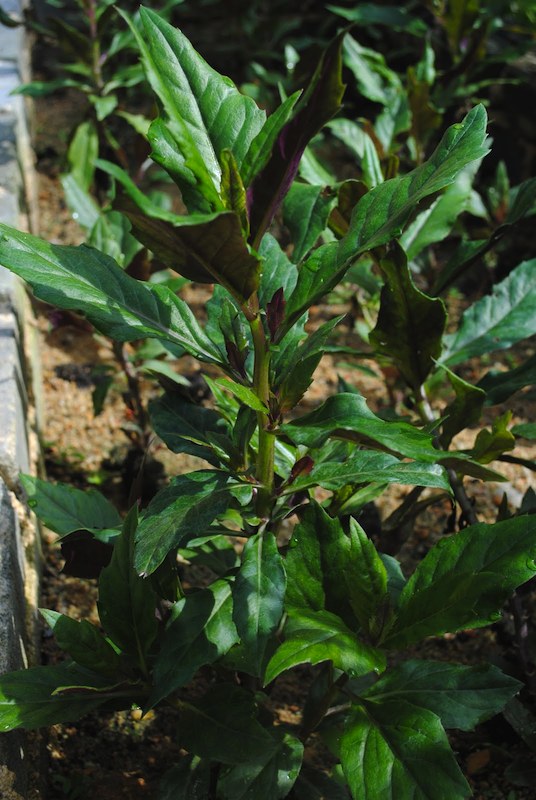
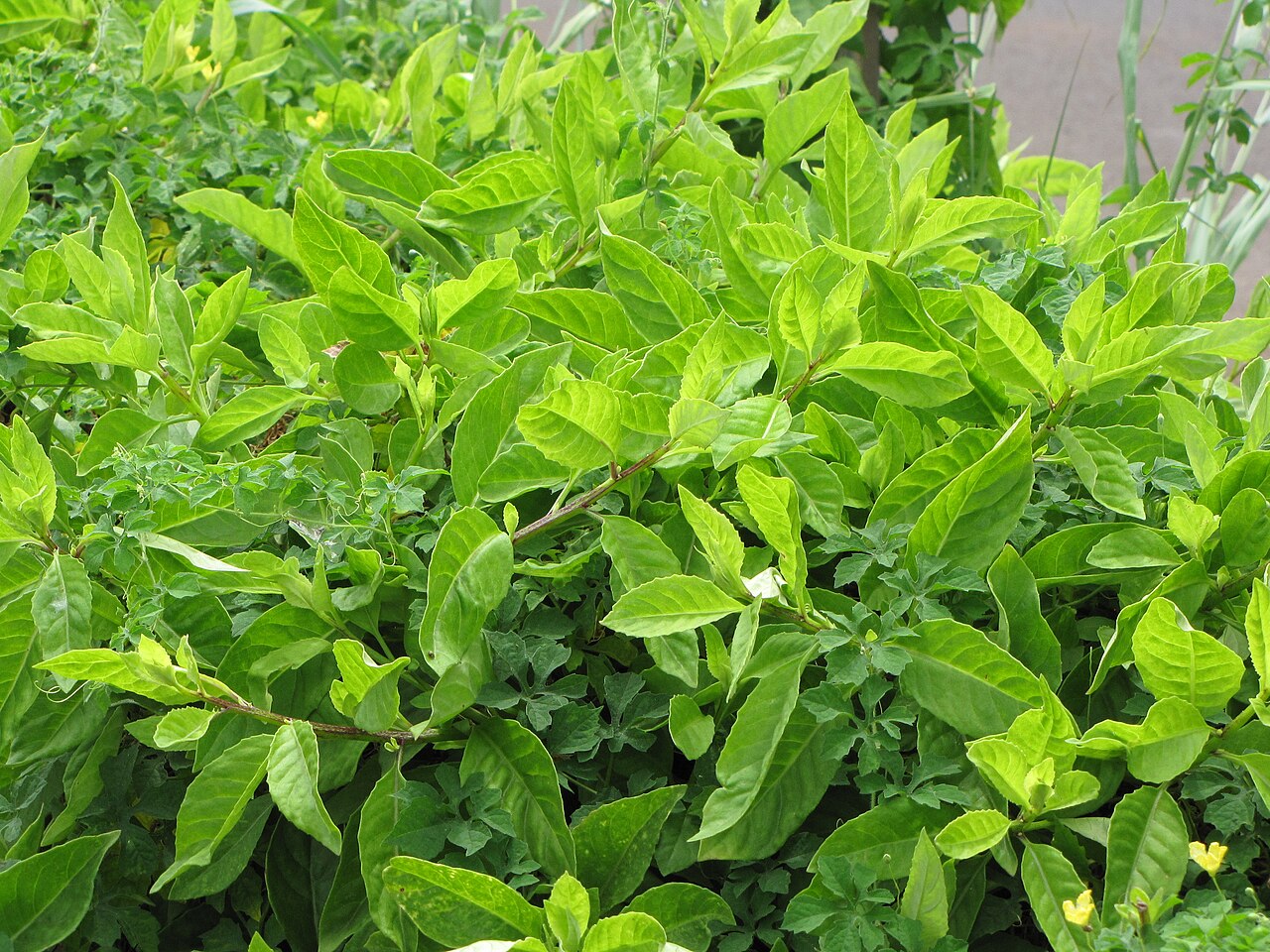
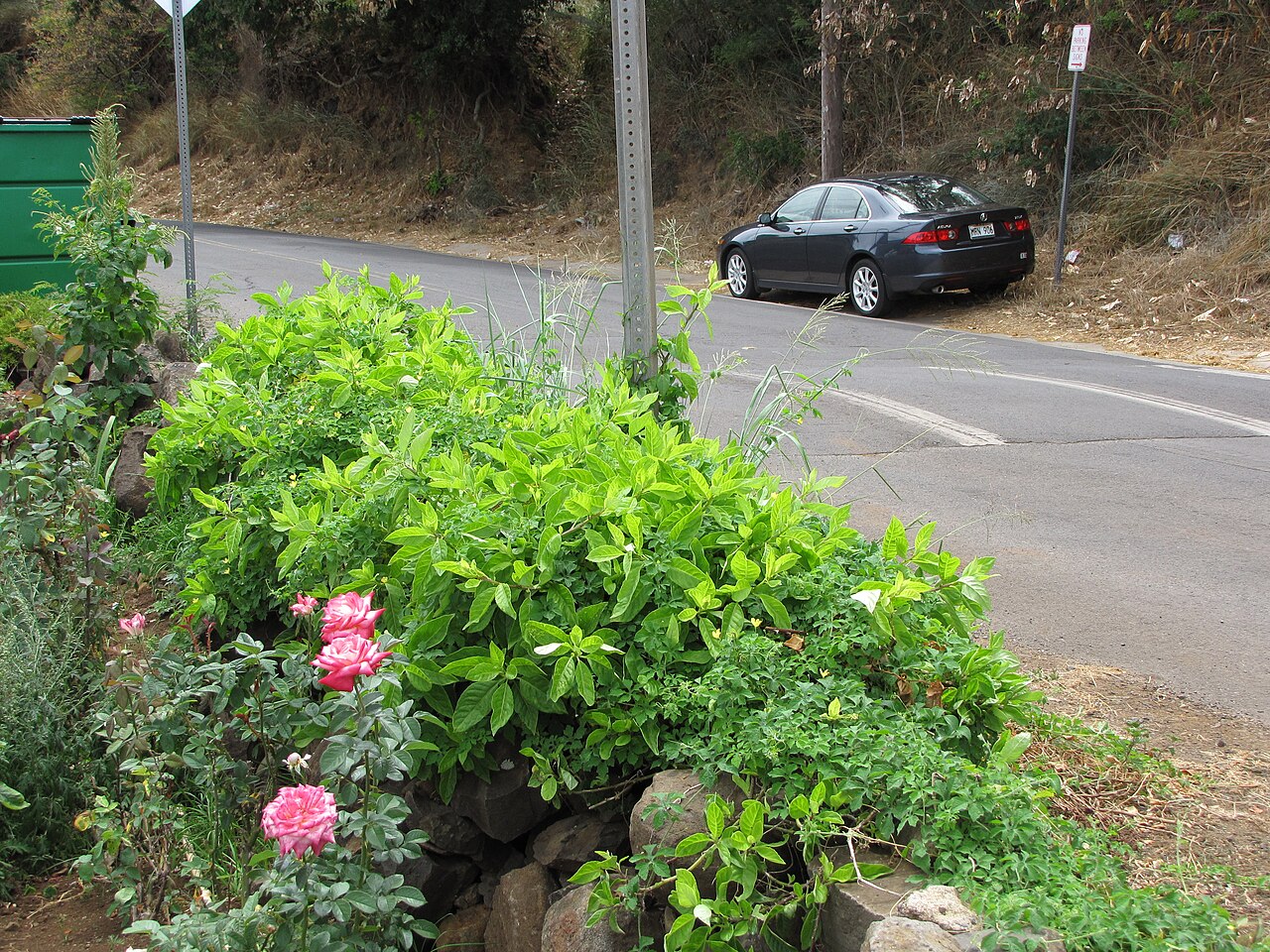
Why this variety
Longevity spinach is not spinach, and its name is folk tradition, not a promise — it is Gynura procumbens, a tropical perennial in the sunflower family, native to Southeast Asia, grown for mild, crisp, lightly succulent leaves on trailing stems. What it actually delivers is more useful than a long life: a cut-and-come-again green that thrives in warm, humid weather, produces year-round in frost-free climates, and fills the summer gap when true spinach bolts.
It is usually grown from stem cuttings, not seed, and it wants what many greens do not: part shade. Morning sun with afternoon shade, or bright filtered light, keeps leaves tender; harsh afternoon sun burns them and makes stems long and weak. In Florida that makes it a plant for the shady side of the bed, under fruit trees, or in a container on a shaded patio.
How to grow
Plant 4–6 inch stem cuttings with 2–3 nodes, in moist, well-drained soil rich in organic matter, 12–18 inches apart. Keep cuttings in bright shade while roots form, then move to part shade. In frost-free Florida, plant any time the soil is warm; farther north, grow it as a warm-season annual or overwinter a container plant indoors.
Prune by harvesting: cutting the top 4–6 inches of stems encourages branching and keeps plants compact instead of long and tangled. Never remove more than a third of the plant at one harvest.
Water & feeding
Keep soil consistently moist but never waterlogged — longevity spinach likes steady moisture and tolerates moderate drought once established, but dry soil makes tough leaves. Mulch to hold water. Feed lightly with compost; it needs little fertilizer, and overfeeding makes soft, weak growth.
Common problems
- Frost — top growth is damaged near freezing and plants can be killed by frost. Protect when temperatures approach 40°F, or overwinter containers indoors.
- Sun scorch — harsh afternoon sun burns leaves. Give afternoon shade in hot climates.
- Leggy growth in deep shade — too little light makes long, weak stems. Give bright filtered light, not full shade.
- Slugs and snails — ragged holes after rain, worst in moist shade. Beer traps and morning patrols.
- Aphids — clusters on tender tips. Blast with water; harvest tips regularly to remove infested growth.
Harvest
Begin light harvesting once plants are established and producing active new growth, cutting the top 4–6 inches of stems or picking young leaves. Harvest every 2–3 weeks in the growing season — regular harvesting stimulates more growth, not less. Eat young leaves raw in salads or cook like other greens; older leaves are better cooked.
Propagation
Do not go hunting for longevity spinach seed, because you will mostly be hunting for something the plant does not bother to make. Gynura procumbens rarely flowers in cultivation at all, and in a Florida garden it is grown for its leaves, not its seed — the plant puts its energy into long, trailing stems and a steady supply of mild, crisp greens, and the seed packet, if you ever saw one, would be a curiosity rather than a plan. The plant you have is almost certainly a clone, passed from gardener to gardener as cuttings, and clones are multiplied, not sown.
Fortunately, longevity spinach is one of the easiest plants in the garden to multiply, and a pair of scissors is the whole toolkit. Take a tip cutting about four to six inches long from a healthy stem, snip just below a leaf node, and strip off the lowest leaves. Then root it in either of two ways. In water: stand the cutting in a glass with an inch or two of water, change the water every couple of days, and fine white roots usually appear within a week or two — pot it up once the roots are an inch or two long. In soil: push the cutting straight into a moist, well-drained mix, keep it shaded and damp while it settles, and it roots just as readily, with the advantage of never needing to be transplanted. Either way, you have a new plant in a fortnight, genetically identical to the parent, with exactly the same mild flavor.
The other reliable route is layering, which the plant practically does for you. Its trailing stems root wherever a node rests on damp soil for a while, so you can pin a long stem down into a pot of mix while it is still attached to the parent, wait for roots to form, and then cut it free — a new plant with a head start, already fed by the mother plant through the whole process. Established clumps can also be divided in warm weather, each piece with roots and shoots of its own, and replanted straight away.
A Florida note, because this is a Florida plant in the truest sense: longevity spinach is perennial in zones 9 to 11 and grows year-round in frost-free spots, so cuttings root fast in warm soil and there is no dormant season to wait for. But Florida humidity cuts both ways — a cutting kept sealed and soggy will rot before it roots, so give new cuttings bright shade and airflow, water the mix rather than the leaves, and use a mix that drains freely. In colder zones, pot a cutting up before the first frost and keep it in a bright window until spring. Label your pots with the date, because a cutting taken in June and a cutting taken in September look identical by October, and only one of them is ready for the bed. Every plant you make this way is the same plant you already love — no seed gamble, no surprises, just more of a good thing, which for a cut-and-come-again green is exactly the point.