
🍈 Lucuma
What it looks like
How to grow
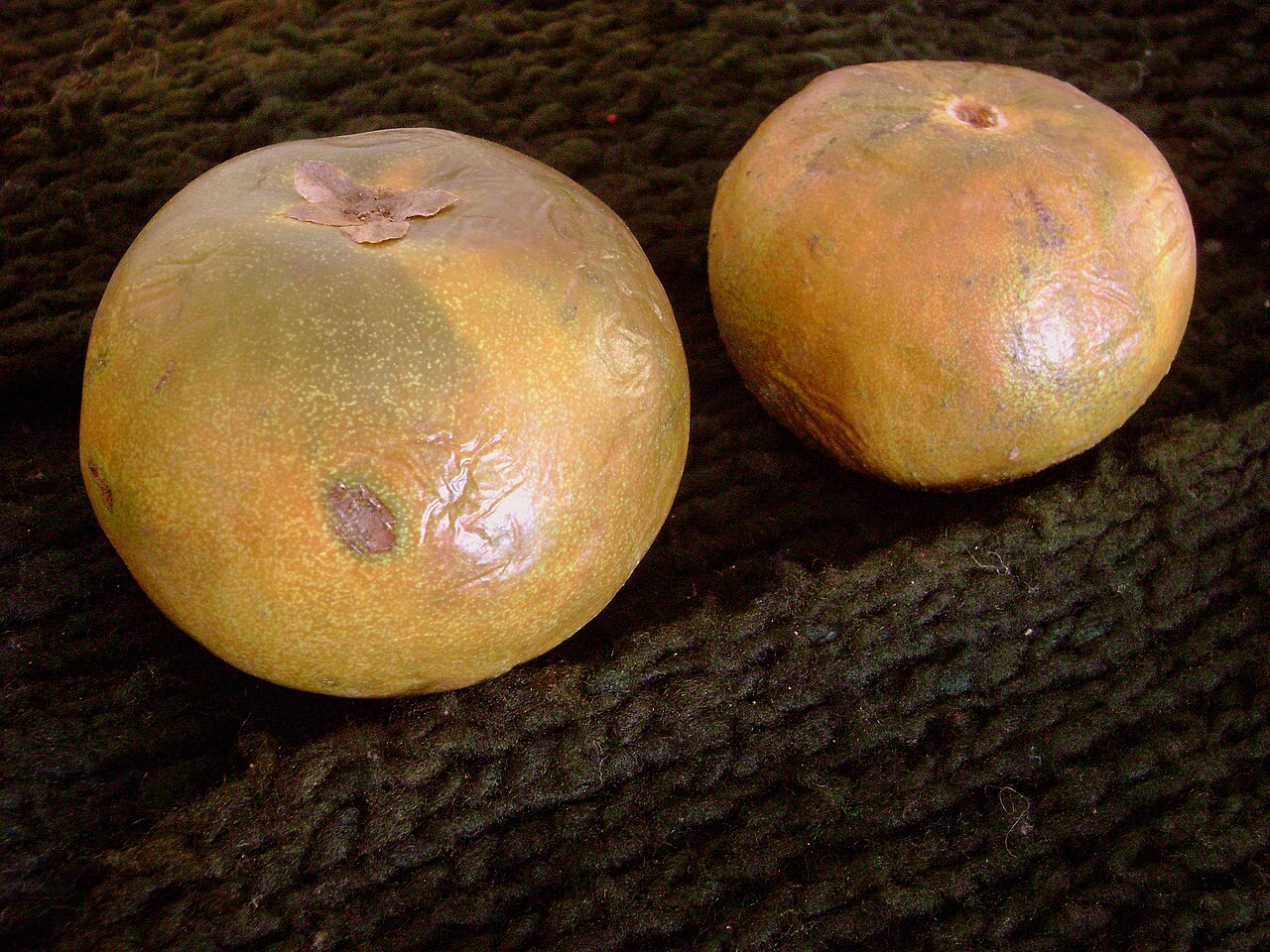
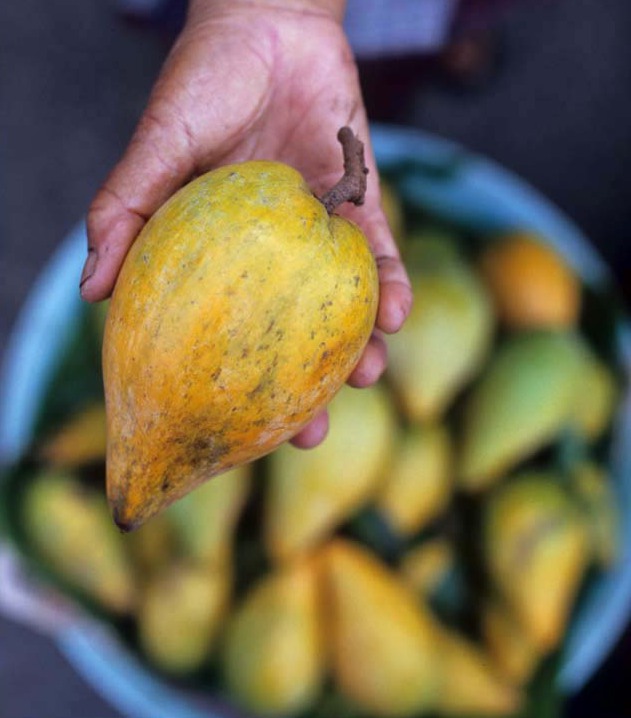
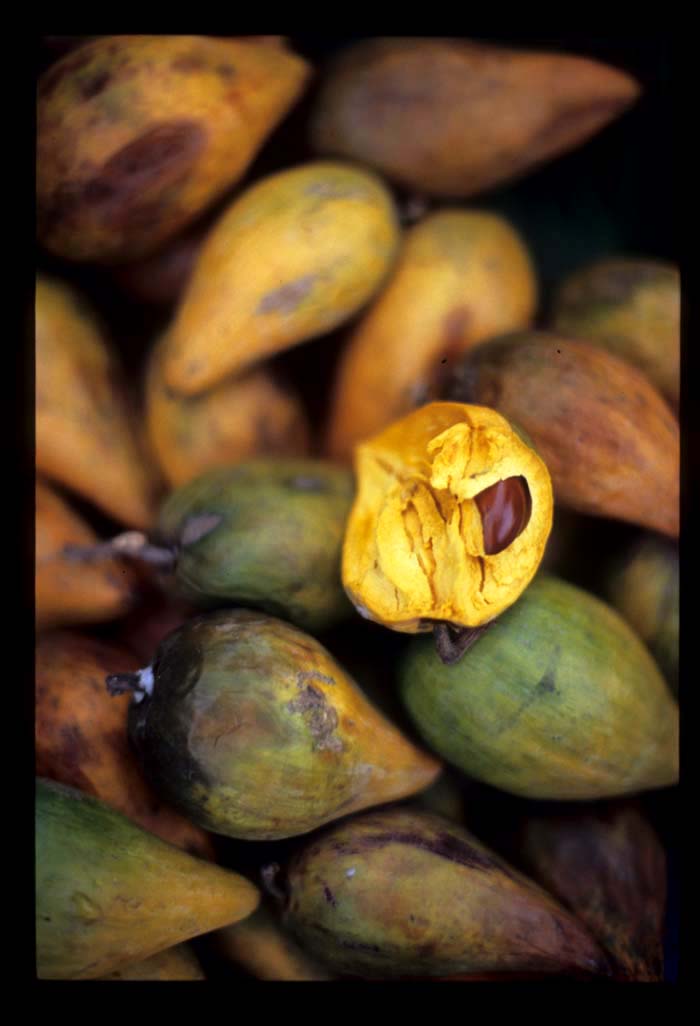
Lucuma is an Andean sapote relative bearing green-gold fruit with dry, dense, sweet flesh tasting like maple, caramel, and sweet potato at once — a flavor beloved in Peru, where it is the classic ice-cream fruit. Grow it in full sun in fertile, well-drained soil in zones 9-11, in coastal California, south Florida, and Hawaii; it tolerates light frost better than many tropical sapotes but still wants warmth and protection from hard freezes. Buy a grafted tree for reliable quality and earlier fruit. Prune to keep it at picking height; untended trees grow large. Lucuma’s dry flesh is a feature, not a flaw — it blends into ice cream, smoothies, and baking without watering them down.
Water & feeding
Water deeply while young and while fruit swells; established lucuma tolerates dry spells better than many tropical fruits but fruits better with steady moisture. Mulch to hold moisture. Feed a few times a year with a balanced fertilizer or compost.
Common problems
- Frost — protect young trees; hard freezes damage fruit and foliage.
- Fruit flies — pick promptly and clean up fallen fruit.
- Large size — site with room for a tree, not a shrub.
- Dry flesh surprises newcomers — do not expect juicy; expect dense, sweet, and maple-like.
Harvest
Pick when fruit softens slightly and the skin colors to yellow-green; it ripens off the tree over days. Scoop the dense flesh away from seeds and eat fresh, or blend into ice cream, smoothies, and baked goods — lucuma powder, made from dried flesh, stores well and is the classic pantry form.
Browse all plant & pest guides
Saving seeds
Lucuma seed is a use-it-or-lose-it proposition. The seed is recalcitrant, which means it cannot be dried and stored the way a bean or a tomato seed can. Once it dries out, it dies. If you want to grow lucuma from seed, you sow it fresh, within days of eating the fruit, and you do not put the project off until next month.
Clean the pulp off the large brown seed, and sow it promptly in a deep pot of moist, free-draining mix, about an inch deep. Lucuma makes a taproot early, so a deep pot matters more than a wide one. Keep it warm and evenly moist, and be patient. Germination usually comes in a few weeks, but a seedling is a long-term commitment: it will be years before it fruits, and the fruit it makes will not necessarily taste like the fruit you ate. Seedlings are variable, and a seedling lucuma can be drier, blander, or seedier than its parent.
Named cultivars do not come true from seed, full stop. If you want a particular fruit — the sweet, maple-like flesh that makes lucuma famous — grafting is the only sure route, and grafted trees are what the guide’s harvest timing is based on. Seed is genuinely good for two things: rootstock to graft onto, and the experiment of growing a tree from a fruit you loved.
Isolation is a non-issue for most gardeners, since lucuma is a rare tree in most neighborhoods and any seedling grafts fine. What matters is freshness. A seed that has sat on a counter for a month is a dead seed, and a seed stored in a jar is a dead seed too. Eat the fruit, plant the seed, and let the tree surprise you in five to ten years.
Florida honesty: lucuma is a South Florida tree at best, and a cold-sensitive one. A hard freeze will finish a young tree, so grow it in a sheltered spot or in a pot you can protect. In Central and North Florida, it is a container plant, not an orchard tree.