
💜 Magenta Spreen
What it looks like
Why this variety
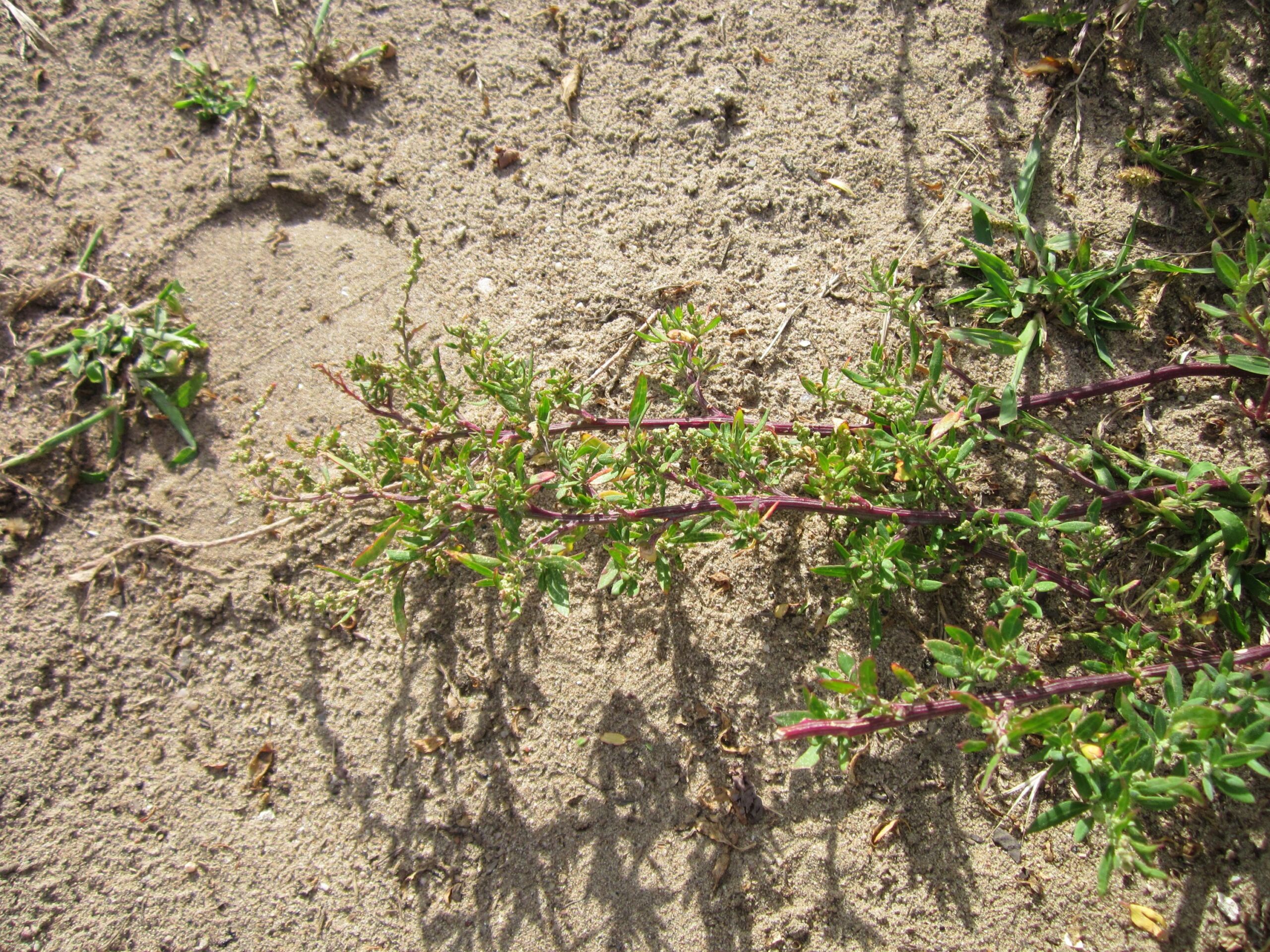
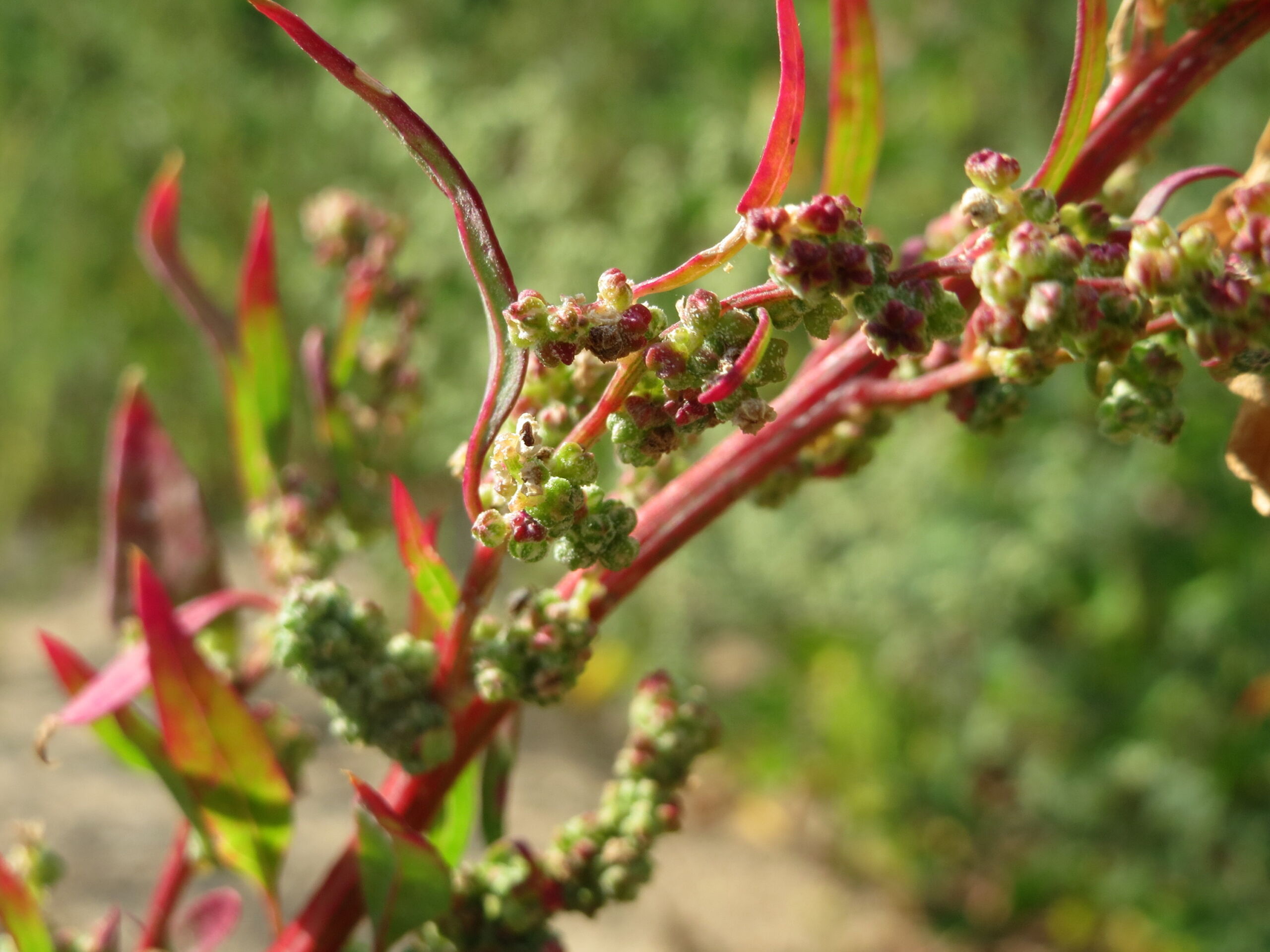
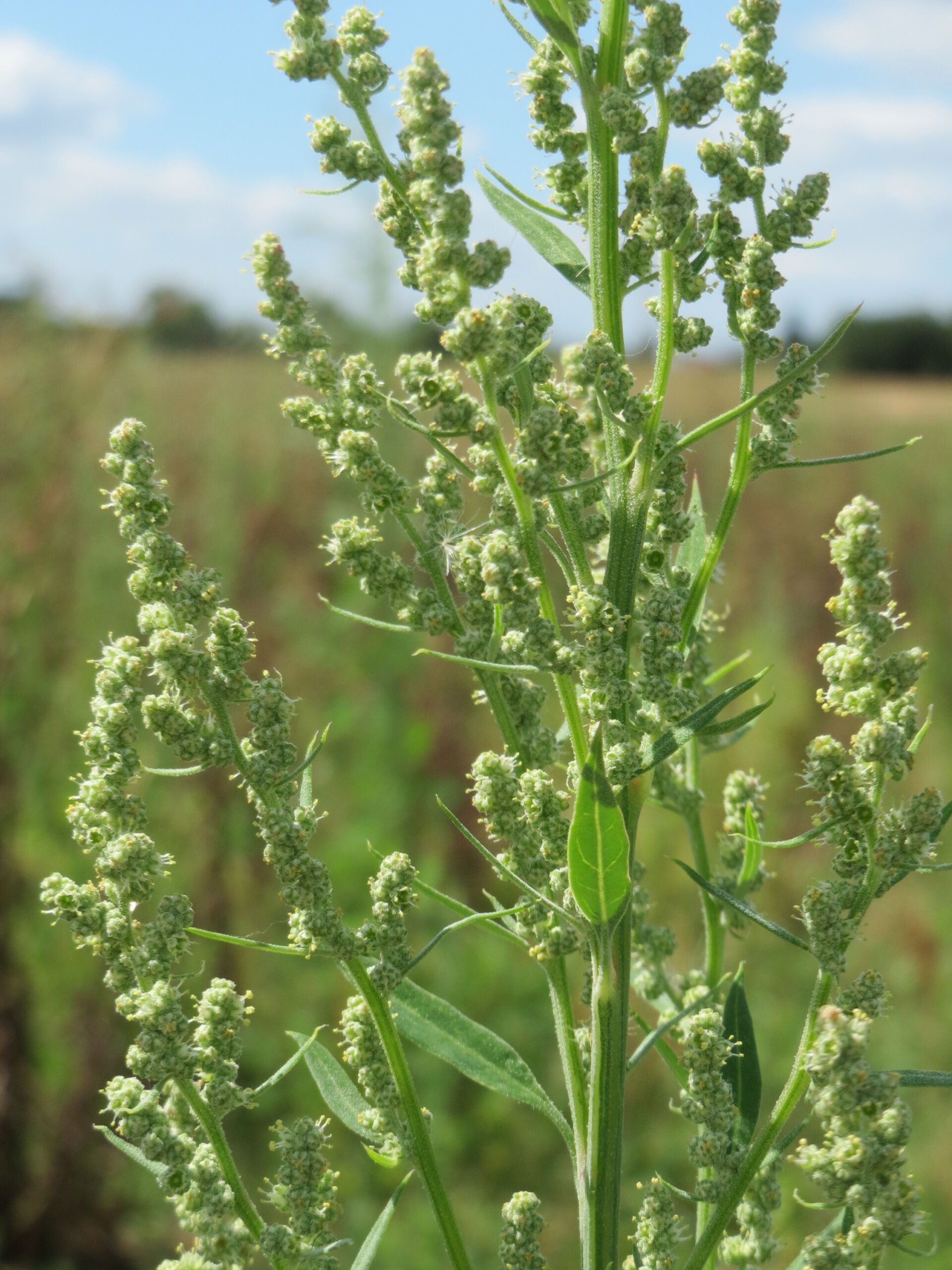
Magenta Spreen — also called tree spinach and giant lambsquarters — is the goosefoot that forgot to stay small: a fast-growing annual that reaches 6–8 feet in a season, with young shoot tips dusted vivid magenta that fade to deep green as leaves mature. The leaves are triangular, slightly mealy on top like all goosefoots, and they taste like spinach with a hint of asparagus when young and cooked.
It is a warm-season annual that revels in heat and full sun, which makes it a natural Florida summer green — sow it in spring and it grows through the hottest months while cool-season greens are gone. Pinch the tips to keep it bushy and within reach, or let it go and it becomes a living screen that also feeds you.
How to grow
Sow directly in warm soil in spring, barely covering the tiny seeds, or start indoors 4–6 weeks before the last frost. Thin to 12–18 inches apart at first, then thin hard as plants grow — mature plants need room, and crowded plants race upward instead of leafing out. Pinch growing tips regularly to force side branches and keep harvests within reach.
In Florida, sow after the soil warms in spring and grow through summer into fall. It is frost-sensitive, so it dies with the first freeze — pull plants then, or let one go to seed if you want volunteers, because it self-seeds readily.
Water & feeding
Water steadily while plants are young; once established, magenta spreen is vigorous and drought-tolerant for a leafy green, but the tenderest leaves come from even moisture and mulch. Feed lightly with compost at planting — goosefoots grow fast on modest fertility, and excess nitrogen makes soft, aphid-prone growth.
Common problems
- Aphids and whiteflies — worst in warm, dry spells. Blast with water, encourage beneficial insects, and remove badly infested tips rather than spraying the whole plant.
- Slugs and snails — ragged holes after rain. Keep mulch pulled back from stems, use beer traps, and check plants in the morning.
- Heat stress — wilting in afternoon sun even in moist soil. Afternoon shade, mulch, and morning watering keep leaves tender; tough, small leaves are the plant asking for shade and water.
- Fungal leaf spots — in humid weather with poor airflow. Space plants for air, water at the base, and remove spotted leaves promptly.
- Self-seeding takeover — many of these greens seed prolifically. Deadhead or harvest before seed sets if you do not want volunteers, and pull seedlings while they are small.
Harvest
Begin cutting when plants are 6–8 inches tall, taking whole young plants for baby greens or snipping tender stem tips from larger plants. Keep harvesting tips every week or two — regular cutting is what keeps the plant bushy and leafy instead of a single tall stalk. Older leaves get tough and are better cooked than raw, and like other goosefoots, leaves are high in oxalates, so cook them and eat in moderation.
Browse all plant & pest guides
Saving seeds
Magenta spreen is a generous seeder, and saving its seed is mostly a matter of letting one plant go to seed while you eat the rest. The plant grows fast, flowers in late summer, and sets abundant small black seed as it dries in fall. Wait until the seed heads turn brown and the seed is hard, then cut whole stems into a paper bag and let them finish drying. Thresh by rubbing the dried heads between your hands and winnow away the chaff with a breeze. A single large plant can give you more seed than you will ever need.
The big honesty item is crossing, and it is a serious one. Magenta spreen is Chenopodium giganteum, a goosefoot, and goosefoots cross readily. It will cross with lambsquarters, Chenopodium album, the common weed, and with quinoa, Chenopodium quinoa, the grain crop. If lambsquarters grows anywhere near your garden — and it grows almost everywhere — its pollen will find your spreen. The practical answer is to rogue out any lambsquarters before it flowers, grow one Chenopodium at a time, and accept that saved seed may surprise you. If you want seed that is exactly itself, buy fresh seed. If you want free seed and do not mind a surprise, save it.
There is no stratification, no scarification, no fuss. Sow the seed where you want it to grow, on the surface or barely covered, after the soil has warmed in spring. Germination is quick in warm soil. Self-seeding is vigorous: a spreen left to ripen will sow itself everywhere next spring, often in places you did not intend. Deadhead before the seed ripens if you do not want a colony, or let a few plants go and enjoy the free greens.
Stored dry, the seed keeps for years. Florida humidity is the enemy of stored seed, so dry it thoroughly before jarring it, add a silica gel packet, and keep the jar cool and dark. And remember what the plant is: a goosefoot, and its seed is a grain like its cousin quinoa. Rinse the seed well before cooking it, since goosefoot seed carries saponins, the bitter coating that quinoa is famous for. The seed you save is both next year’s greens and, if you are so inclined, next year’s porridge.