
🌿 Maleberry
What it looks like
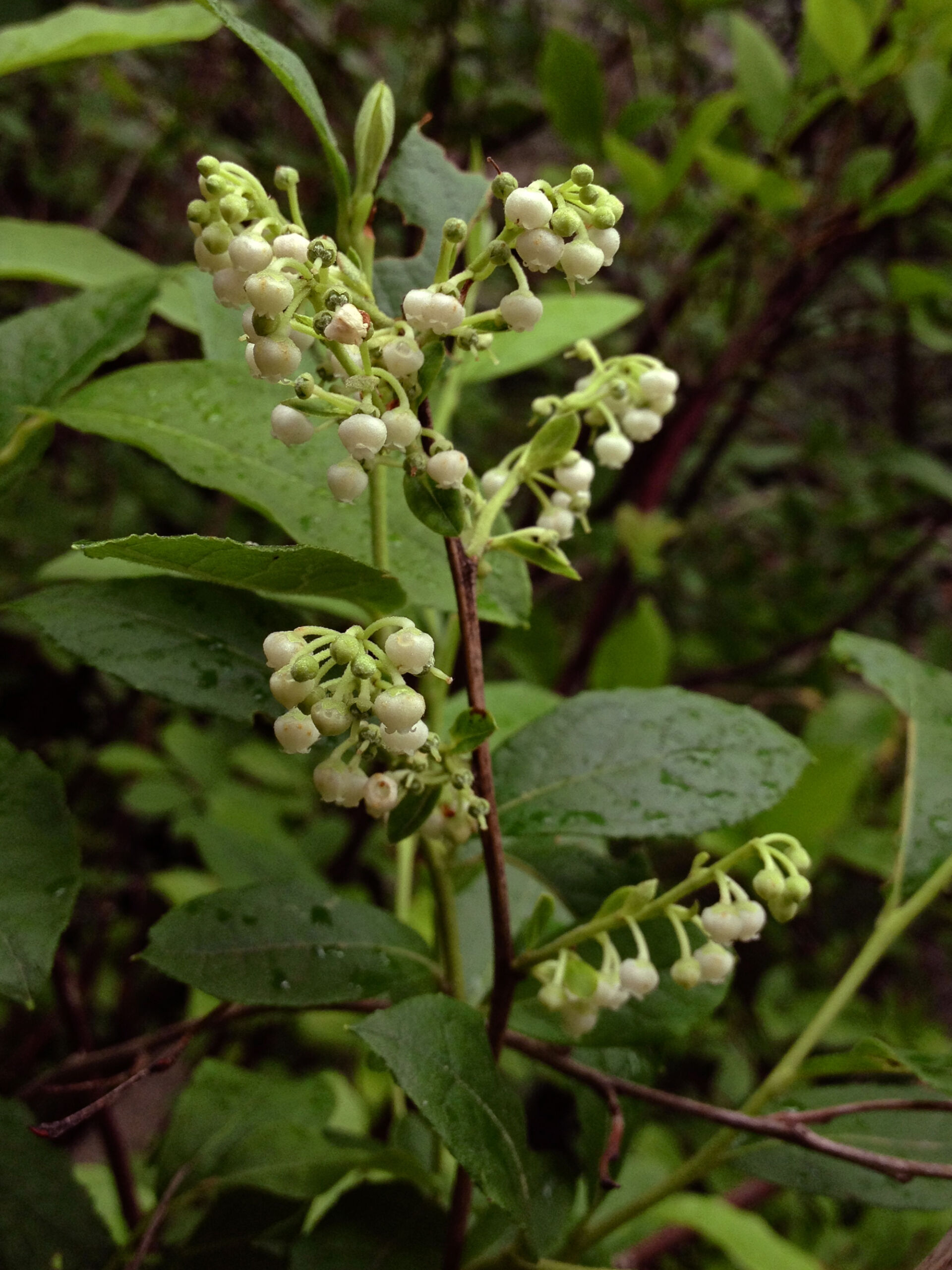
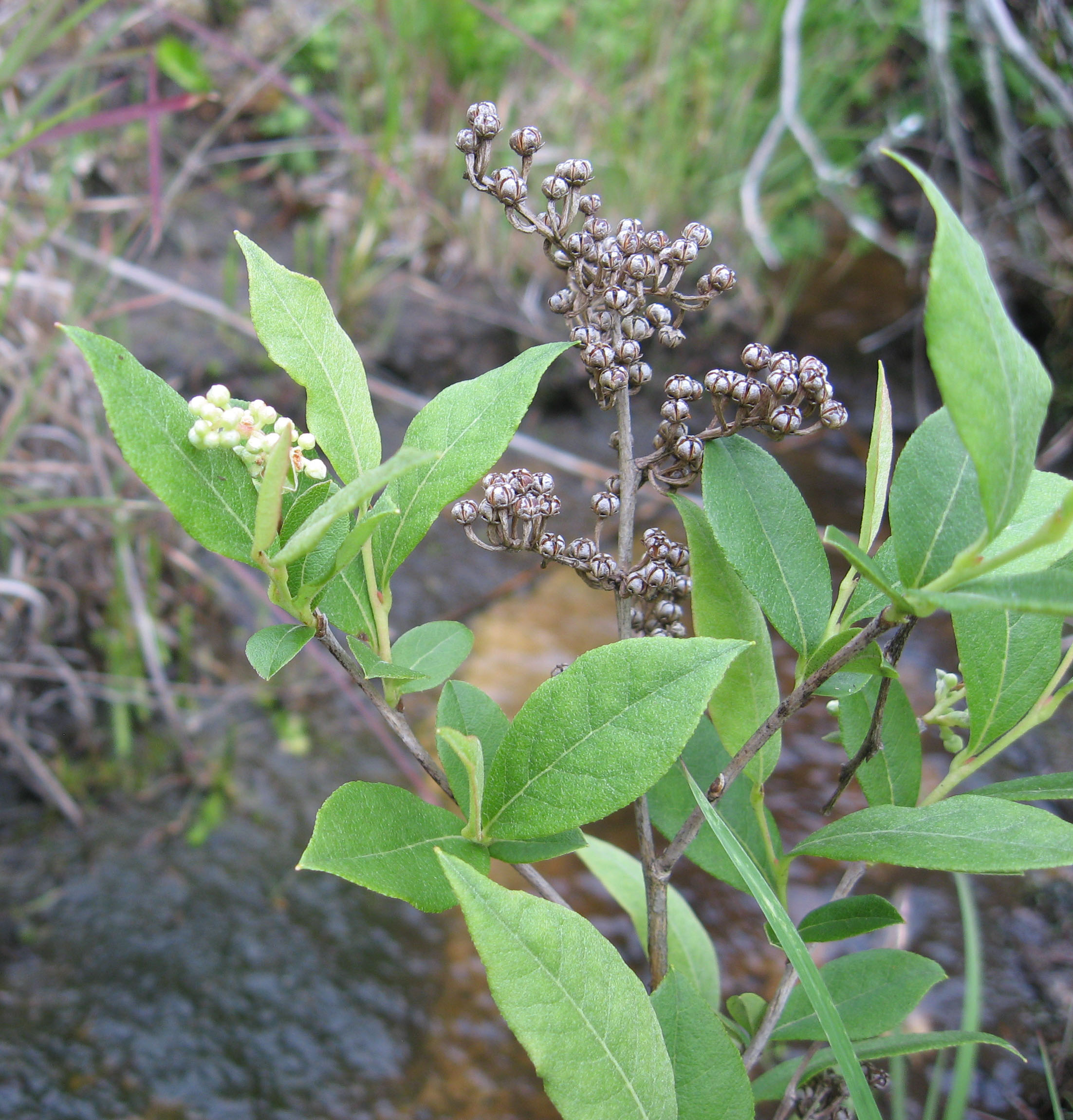
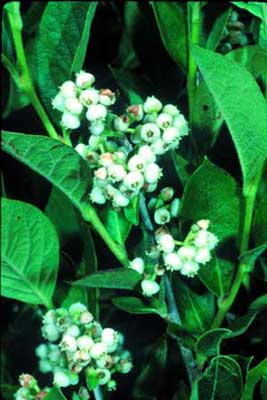
Maleberry is a native deciduous shrub of the heath family, Ericaceae, found through much of the eastern United States, from Maine to Florida and west to Texas and Oklahoma. It is a branching, colonial shrub with multiple erect woody stems rising from branching rhizomes, reaching up to about 4 metres (13 feet) tall, with longitudinally furrowed bark and a habit of sending up new stems some distance from the parent plant. In a wet thicket it does not grow as a single specimen; it grows as a loose colony, which is the first thing to understand about planting it.
In late spring to early summer it carries clusters of small, white, urn- or bell-shaped flowers, the classic heath flower shape, followed by the feature that gave it its name: dry, hard capsules instead of the juicy berries its blueberry and huckleberry cousins produce. “Maleberry” is a joke, and so is its other common name, he-huckleberry: this is the “male”, unproductive counterpart to the fertile, fruit-producing huckleberries of the same habitat, a shrub that promises berries in its name and delivers seed capsules instead. The fruit is not edible — do not eat it on the strength of the word berry — but the flowers are a genuine nectar source, and the autumn foliage turns warm colours before the leaves drop.
The habitat tells you where it belongs: bogs, wet thickets, streambanks, swampy forest edges, and acid seeps — moist, acidic ground where blueberries and huckleberries also grow, and where most garden shrubs would drown or sulk. It is a plant of the wet edge, not the dry border, and in Florida it belongs to the northern and central parts of the state and to wet, acidic sites, not to a dry, alkaline yard. Two varieties are recognised in the floras: var. ligustrina, the usual form in the mountains and Piedmont, and var. foliosiflora, the southern and coastal-plain form. For most gardeners the distinction matters less than the habitat: give it moist acid soil and it will be happy; give it dry alkaline soil and it will tell you, by declining, that you ignored its address.
How to grow
Start with wet feet — or at least damp ones. Maleberry wants moist to wet, acidic, humusy soil: a rain garden, a boggy edge, a streambank, a low spot that stays damp after rain, or a bed you are willing to water through dry spells. Full sun to part shade both suit it, with part shade kinder in the hotter parts of its range. A sunny rain garden, a woodland seep, or the damp margin of a pond are all right. A dry, sunny, alkaline border is wrong, and no amount of fertiliser will make up for the wrong soil chemistry.
Soil chemistry matters as much as moisture. This is a heath-family plant, and like blueberries it wants acidic soil — the pH range commonly given for the species is roughly 4.5 to 6.5, and it sulks in alkaline ground with yellowing leaves that say “wrong soil” in the plant’s own handwriting. If your soil is alkaline, either acidify a dedicated bed with sulphur and organic matter and test before planting, or choose a different shrub; maleberry is not a plant to force into unsuitable ground. Where the soil is naturally acidic and moist, it largely takes care of itself.
Plant in spring or autumn, at the same depth it grew in its pot, and give it room: a mature colony spreads by rhizomes and suckers, so allow several feet in every direction, or site it where a loose colony is welcome — a naturalised wet edge, a hedgerow, a rain-garden margin — rather than a tight formal border. Water well at planting and through the first growing season; after that, in a genuinely moist site, it needs little intervention. Prune lightly after flowering if you need to shape it, removing dead or crossing stems, but do not shear it into a ball: a colonial native shrub looks best, and behaves best, when allowed its loose, multi-stemmed form. Propagation is by suckers and rhizome divisions in the dormant season, or by seed sown fresh — the suckers are the easy route, since the plant offers them freely.
Water & feeding
Water is the whole story. In its natural wet habitats maleberry rarely wants for moisture; in a garden, keep the soil consistently moist, especially through the first year and through summer dry spells. A rain garden or a naturally damp spot does most of this work for you. In a drier bed you will be watering forever, which is the plant’s way of telling you the site was wrong — listen to it, and move the plant rather than the hose.
Feeding is light and acidic. A mulch of pine needles, shredded leaves, or composted bark each spring feeds the soil, conserves moisture, and keeps the pH on the acid side, which is three jobs done by one material. Do not lime the bed, do not feed it with alkaline fertiliser, and do not over-feed in general: a heath shrub on rich, limed soil grows soft and yellow and is more trouble than a hungry one on acid soil. If the leaves yellow while the veins stay green, suspect pH before hunger, and test the soil before reaching for a fertiliser bag.
Maintenance is mostly colony management: remove dead stems in late winter, thin out the oldest stems every few years to keep the colony vigorous, and cut back suckers that wander where they are not wanted. Leave the seed capsules standing through winter if you like — they are not showy, but they are honest, and the shrub’s winter silhouette of furrowed stems has its own quiet charm.
Common problems
- Yellow leaves, green veins. Almost always alkaline soil (iron chlorosis) rather than hunger. Test the pH, acidify the bed, and mulch with acidic organic matter. Do not just add iron and hope.
- It sulks or dies back. Usually dry soil or a dry site. Maleberry is a wet-edge plant; a dry border is a slow death sentence. Move it to moisture.
- It spreads more than you expected. It suckers by rhizome — that is the plant, not a fault. Site it where a colony is welcome, or root-prune the edge in winter.
- No berries. There never were any, and there never will be. The dry capsules are the fruit. If you planted it for berries, you planted the joke, not the punchline — enjoy the flowers instead.
- Lace bugs and leaf spot. Heath shrubs can pick up lace-bug stippling and leaf spots, usually cosmetic. Improve airflow, avoid overhead watering, and remove badly affected leaves; a healthy plant in the right soil outgrows both.
Harvest & wildlife
There is no food harvest here, and this guide is explicit about it: the dry capsules are not edible, and the “berry” in the name is a trap for the unwary forager. The harvest is ecological. The white bell flowers feed bees and other pollinators in late spring, the colonial stems give cover to birds and small wildlife in wet thickets, and the seed capsules feed birds that eat small dry seeds through the colder months.
The butterfly connection is a nectar story. The Oak Hairstreak’s adults feed on flowering plants, and the butterfly guide names its favourites plainly: adults are especially fond of swamp milkweed, maleberry, and sparkleberry. That is a wet-edge nectar trio, and it tells you where to look for the butterfly: high in the oak canopy above, and down at the flowering shrubs of a damp woodland edge below. Planting maleberry will not conjure an oak hairstreak into an inland garden — the caterpillars need oaks, and the adults spend much of their time overhead — but in its range, in a damp, acidic, oak-fringed spot, a flowering maleberry colony is exactly the kind of shrub the adults come down to feed on. It is a nectar plant, not a host plant, and this guide does not pretend otherwise.
Browse all plant & pest guides
Saving seeds
Maleberry is a native heath shrub, and its seed saving is the seed saving of a wild plant: small seed, dry capsules, and a preference for being left mostly alone.
The name is a joke the guide explains, and the fruit is part of it. Maleberry makes dry capsules instead of berries, and the capsules split open when ripe to release tiny seed. Wait until the capsules turn brown and start to split, then cut whole stems into a paper bag and let them finish drying. Crush the dried capsules gently and winnow away the chaff with a breeze. The seed is dust-fine, so work over a tray and do not do this on a windy day.
There is no scarification and no fuss, but there is a cold period. Sow the seed outdoors in fall and let winter do the stratifying for you, or mix it with damp sand in a sealed bag and refrigerate it for a couple of months before sowing in spring. Surface sow, barely covered, in acidic, moist soil, since maleberry is a heath plant and wants the same ground its wild cousins grow in. Germination is uneven and slow, sometimes taking a full season, so sow generously and be patient.
Crossing happens within the genus, so if you grow more than one Lyonia species and save seed, expect hybrids. Grow one species if you want seed that stays itself. Self-seeding happens around an established shrub in moist, acidic ground, and the volunteers are worth potting up while they are small.
Florida honesty: maleberry is native to Florida, and it belongs in a native planting, not in a fertilized garden bed. It wants acid soil, steady moisture, and no pampering. The seed you save is not just next year’s shrub. It is food and cover for the wildlife the guide’s Harvest section talks about, and that is the point of growing it.
Varieties & relatives
Northern maleberry — Lyonia ligustrina var. ligustrina — The usual variety in the mountains and Piedmont, extending into the coastal plain in the Carolinas.
Southern maleberry — Lyonia ligustrina var. foliosiflora — The southern and coastal-plain form, sometimes called staggerbush in nursery lists; same species, warmer address.
Not this plant — Blueberries and huckleberries (Vaccinium and Gaylussacia) are the juicy-berried cousins maleberry is named against, and they have their own guides; fetterbush (Lyonia lucida) is a related evergreen Lyonia of wet pine flatwoods, a different species. If a shrub labelled maleberry produces soft, edible berries, it is not this plant — check the fruit before you trust the label.