
🍵 Mamaki
What it looks like
Mamaki (pronounced mah-MAH-kee, with the long ā held a beat longer) is a plant that refuses to sit still for a description, and that is part of its charm. It is a Hawaiian endemic shrub or small tree in the nettle family (Urticaceae), and it is famously variable: leaves anywhere from 3 to 8 inches long, oblong to heart-shaped, with toothed edges and sometimes striking red veins; plants anywhere from a modest shrub to a 30-foot small tree; growth forms that once convinced botanists they were looking at as many as ten different species. The most consistent tells are the leaves — dark green on top, white to gray underneath, rough and a little leathery to the touch — and the fruit: small, fleshy, white berries that cluster right where the leaf meets the stem, looking like the plant decorated itself with tiny pearls. The flowers, by contrast, are almost comically insignificant: tiny, white to greenish, tucked into the leaf axils in tight little clusters, easy to miss entirely unless you are a butterfly looking for a nursery.
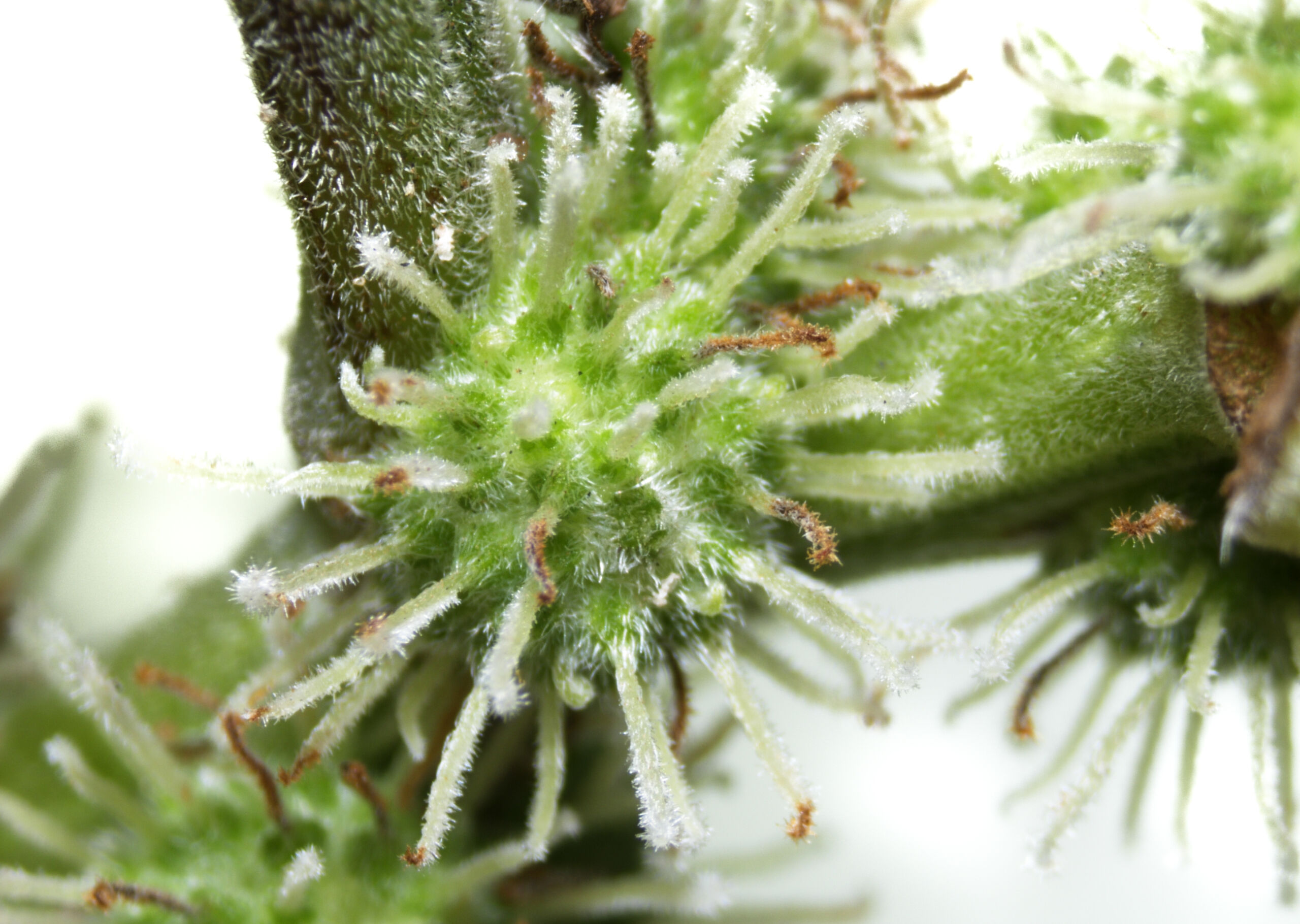
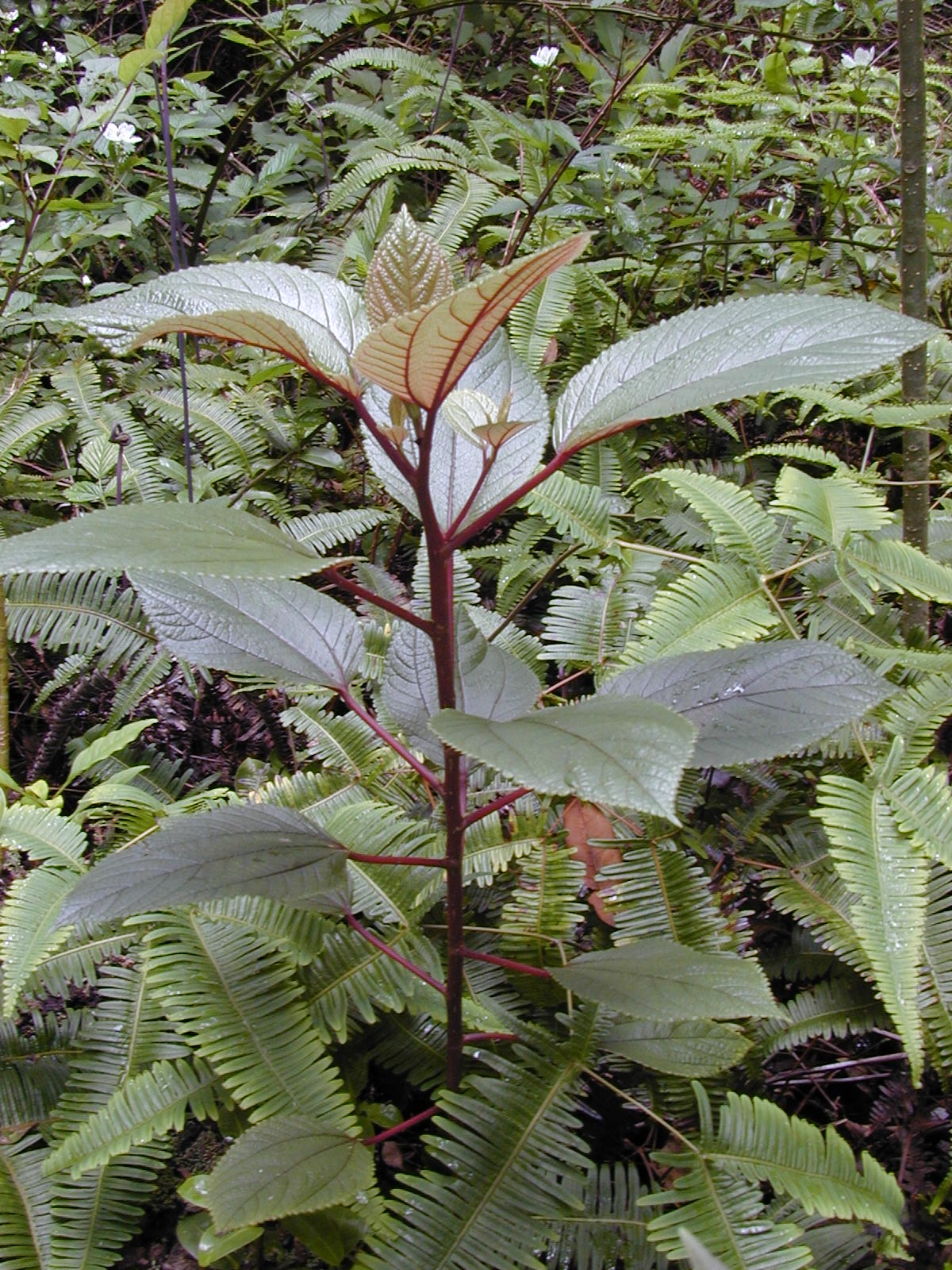
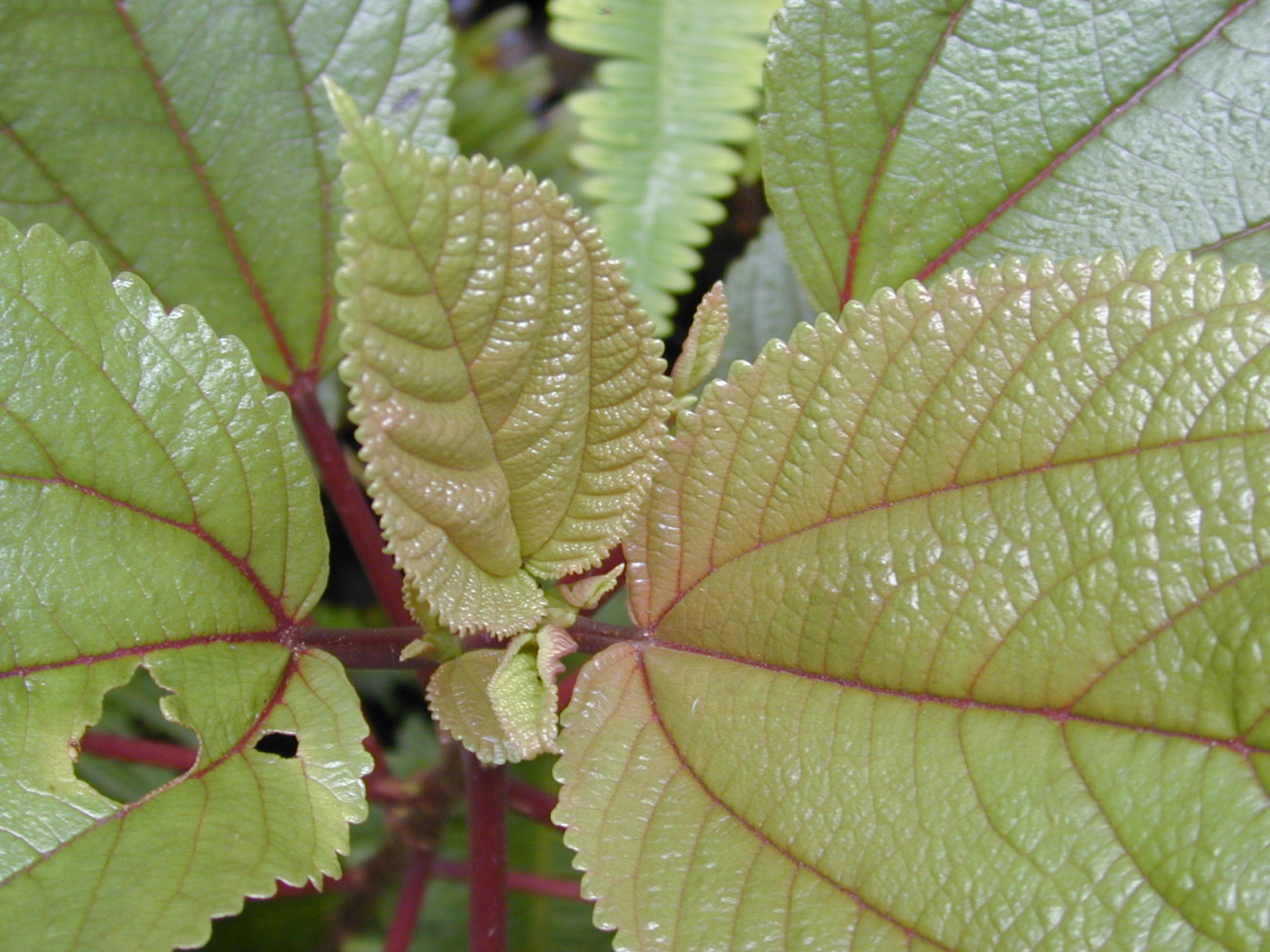
Height is a genuine disagreement among sources, and this guide will not pretend otherwise. Garden references in Hawaiʻi commonly give 5 to 15 feet, or 6 to 20 feet; botanical references allow up to 30 feet (9 meters) with a trunk a foot across; and one restoration source describes plants typically reaching 10 to 15 feet in their first year alone. The honest summary is: expect a fast-growing shrub to small tree, usually somewhere in the 6 to 20 foot range, occasionally taller in ideal forest conditions, and plan your spacing for the big end of that range rather than the small one. Mamaki grows in moist to wet forests — mesic and wet forest, valleys, streambanks, and ravines — from near sea level up to 6,000 feet elevation, on all the main Hawaiian Islands except Niʻihau and Kahoʻolawe. It is not a beach plant and not a desert plant: it wants humidity, moisture, and a little shelter, and it sulks in hot, dry, coastal exposure.
For butterflies, mamaki is not just a host plant; it is THE host plant. It is the preferred host of the Kamehameha butterfly (Vanessa tameamea), Hawaiʻi’s state butterfly and one of only two butterfly species endemic to the islands, and research has found that Kamehameha eggs do particularly well on it. It also sometimes hosts the green Hawaiian blue, also called the koa butterfly (Udara blackburni). The red admiral butterfly uses mamaki as a host as well, which is how this plant ended up in butterfly guides far beyond its native range — a reminder that a butterfly guide’s host list describes what caterpillars eat, not what you should plant in your backyard in Ohio. Mamaki also feeds native birds with its fruit, and its fast growth makes it a pioneer species that fills cleared forest gaps, shades the ground, and prepares the way for longer-lived trees.
Florida note, stated plainly: Mamaki is a Hawaiian endemic for frost-free tropical conditions, and it is not a Florida garden plant in any practical sense. Florida gardeners reading this guide are almost certainly here because a butterfly guide listed mamaki as a host — for the Kamehameha butterfly, the Hawaiian blue, or the red admiral — not because they can grow it outdoors in Jacksonville. If you are in Hawaiʻi, grow it with joy. If you are in Florida, admire it, learn its story, and plant a local nettle-family host for your local butterflies instead.
How to grow
In Hawaiʻi, mamaki is one of the most forgiving native plants you can grow — provided you give it what its forest home provides. Plant seedlings in well-drained, humus-rich soil in part shade to light shade; red-veined forms tolerate full sun better than green-leaved forms, but young plants of all forms appreciate some shelter from harsh sun. It also does well in containers in part shade, which is handy if your garden is small or your soil is poor. Space plants 6 to 10 feet apart to allow for their fast, broad growth, and site them as an understory shrub or at the edge of a taller canopy, where they get dappled light and protection from wind.
Propagation is almost embarrassingly easy, which is why mamaki volunteers wherever forest soil is disturbed. Collect the fleshy white fruit, mash it, and spread it around — birds do the same job in the wild, and seedlings pop up wherever light reaches disturbed ground. Restoration growers blend fruit with a little water into a slurry and broadcast it over cleared areas. If you are transplanting seedlings, do it while they are tiny — no more than about 6 inches tall — because larger transplants sulk and take their time re-establishing. Direct-sown or volunteer seedlings establish fastest of all, which is a polite way of saying that mamaki would really prefer you to get out of its way and let it do its job.
Water & feeding
Mamaki wants consistent moisture and will tell you quickly if it is not getting it. In its native habitat it grows in mesic to wet forest, and in the garden it does best with regular watering and a thick mulch of organic matter to hold soil moisture. It does fine in full sun only with moderate watering; in shade it needs less. Young plants are the thirstiest — keep them evenly moist until established — and mature plants handle brief dry spells better but still prefer not to dry out completely. The one water rule that matters most is drainage: moist, yes; waterlogged, no. Mamaki in soggy, stagnant soil is an unhappy plant, so plant it in ground that drains freely even while you water it generously.
Feeding is simple: rich, organic soil is the goal, and compost or leaf mulch does most of the work. Mamaki is a fast-growing pioneer, which means it is hungry for the nutrients that come from decaying organic matter, and a regular mulch layer feeds it while also keeping its roots cool and moist. Skip synthetic fertilizer — it pushes soft, weak growth on a plant that is already growing fast enough — and let compost and mulch do the job the forest floor does in the wild.
Common problems
- Dry, hot, coastal exposure: Mamaki is generally not suited to hot, dry coastal settings. If your site is windy, salty, and dry, mamaki will struggle no matter how much you water it. Give it shelter, shade, and humidity instead.
- Transplant shock: Larger transplants sulk badly. Move seedlings at 6 inches or smaller, or direct-sow fruit where you want the plant, and let volunteers establish in place.
- Short lifespan: Mamaki is a fast-growing pioneer and a relatively short-lived tree. Plan for succession: let it fill gaps and shade young forest, and expect longer-lived trees to eventually overtop it, or let it self-thin and make way for the next generation of seedlings.
- Caterpillars — do not spray them: If you find caterpillars on your mamaki, there is a good chance they are Kamehameha butterfly larvae, and that is the entire point of growing the plant. Never spray mamaki for caterpillars; the plant evolved to feed them, and it handles the nibbling just fine.
- Overenthusiastic volunteers: In Hawaiʻi, mamaki self-sows freely in disturbed, well-lit ground. Pull seedlings where you do not want trees, and let them stand where you do — a mamaki thicket is a feature, not a failure, if you have the room.
Harvest
Mamaki leaves are Hawaiʻi’s most beloved herbal tea, and the harvest is simple: pick healthy, mature leaves, dry them, and brew. Dried mamaki leaves are sold commercially across Hawaiʻi today, and the tea is mild, earthy, and invigorating — a daily drink for many Hawaiian families, not a rare ceremonial one. Harvest leaves as needed through the year, since mamaki does not follow a strict seasonal cycle and can bloom and fruit year-round when moisture allows. Take leaves from several branches rather than stripping one, and always leave plenty of foliage for the plant — and for any caterpillars currently in residence.
The fruit is edible too, small and fleshy, and traditionally the plant gave more than food: Native Hawaiians used mamaki bark fiber to make kapa (bark cloth) and kaula (rope), back when the softer, preferred wauke (paper mulberry) was not available. That fiber tradition is part of why mamaki matters beyond the teacup — it is a cultural plant, a butterfly plant, and a forest plant all at once, and a garden that grows it is participating in all three stories. If you harvest bark fiber, take it sustainably from pruned branches, never by stripping a living trunk.
Saving seeds
Mamaki is Hawai’i’s tea tree, and its seed saving is the seed saving of a tropical native: tiny seed, fresh sowing, and no patience for storage.
The plant makes small white berries that ripen over a long season. Wait until the berries turn soft and pale, then pick them by the handful, mash them gently in a bowl of water, and rinse the pulp away. The seed is tiny, so work over a tray and do not do this on a windy day. Sow the seed fresh, the same season you collect it. Mamaki seed does not store well; it dries out and dies, so do not save it for a project next month.
Surface sow, barely covered, since the seed needs light to germinate. Keep the seedbed evenly moist and in part shade, and be patient. Germination is uneven and slow, sometimes taking weeks, and not every seed will come up. That is normal. Prick the seedlings out once they have a few true leaves and grow them on in pots before planting out.
Cuttings are the reliable route to more plants that are exactly like the parent. Semi-hardwood cuttings taken in warm weather root readily, and a cutting is a clone of its parent. Seed is the route to new genetics and to sharing plants with friends, and it is the route that costs nothing. Both work. Cuttings are certain, seed is an adventure.
Two honest limits. First, mamaki is Hawai’i only — a frost-free tropical plant that has no business in a Florida garden, however much you might wish otherwise. This section is for the gardener growing it where it belongs. Second, never collect wild seed. Mamaki is a native plant that feeds the Kamehameha butterfly, and wild populations should be left alone. Grow only nursery seed and nursery plants, and leave the wild stands intact.
Varieties
No named garden varieties or cultivars of Pipturus albidus are verified for this guide, and this page does not invent any. What mamaki has instead is wild variation, listed here in plain text:
- Green-leaved forms: The classic form — dark green above, white to gray below, preferring part shade and shelter.
- Red-veined forms: Forms with reddish veins and sometimes reddish undersides, which appear to tolerate full sun better than green-leaved forms.
One important naming note: in Hawaiian ethnomedicine, the name māmaki is used collectively for four endemic Pipturus species — Pipturus albidus, Pipturus forbesii, Pipturus kauaiensis, and Pipturus ruber — with Pipturus albidus predominating. This guide covers Pipturus albidus only. If a tea, remedy, or plant label says only “māmaki” without a Latin name, it may refer to any of the four, so check the Latin before assuming it is this species.