
🌾 Mancan Buckwheat
What it looks like
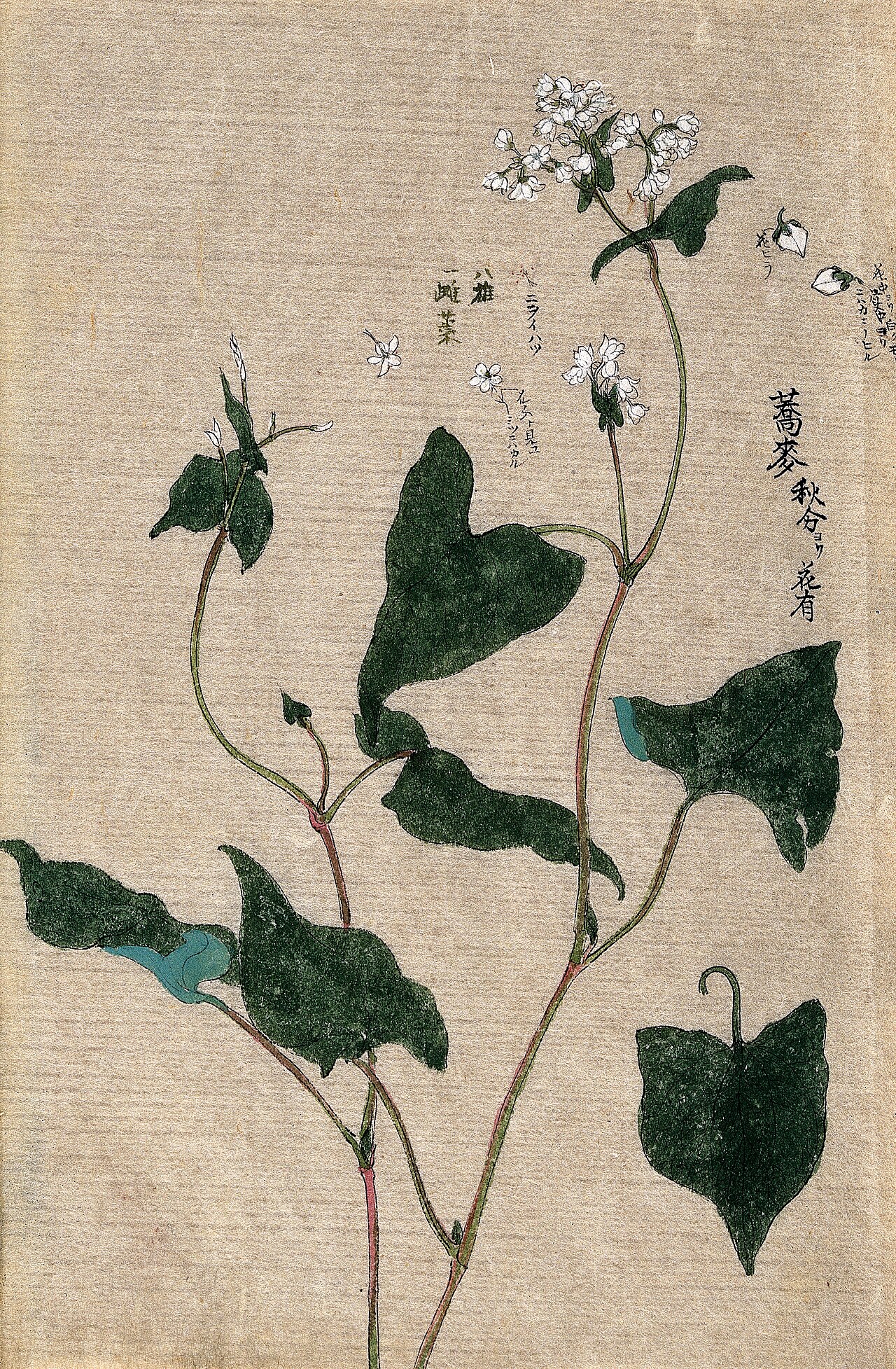
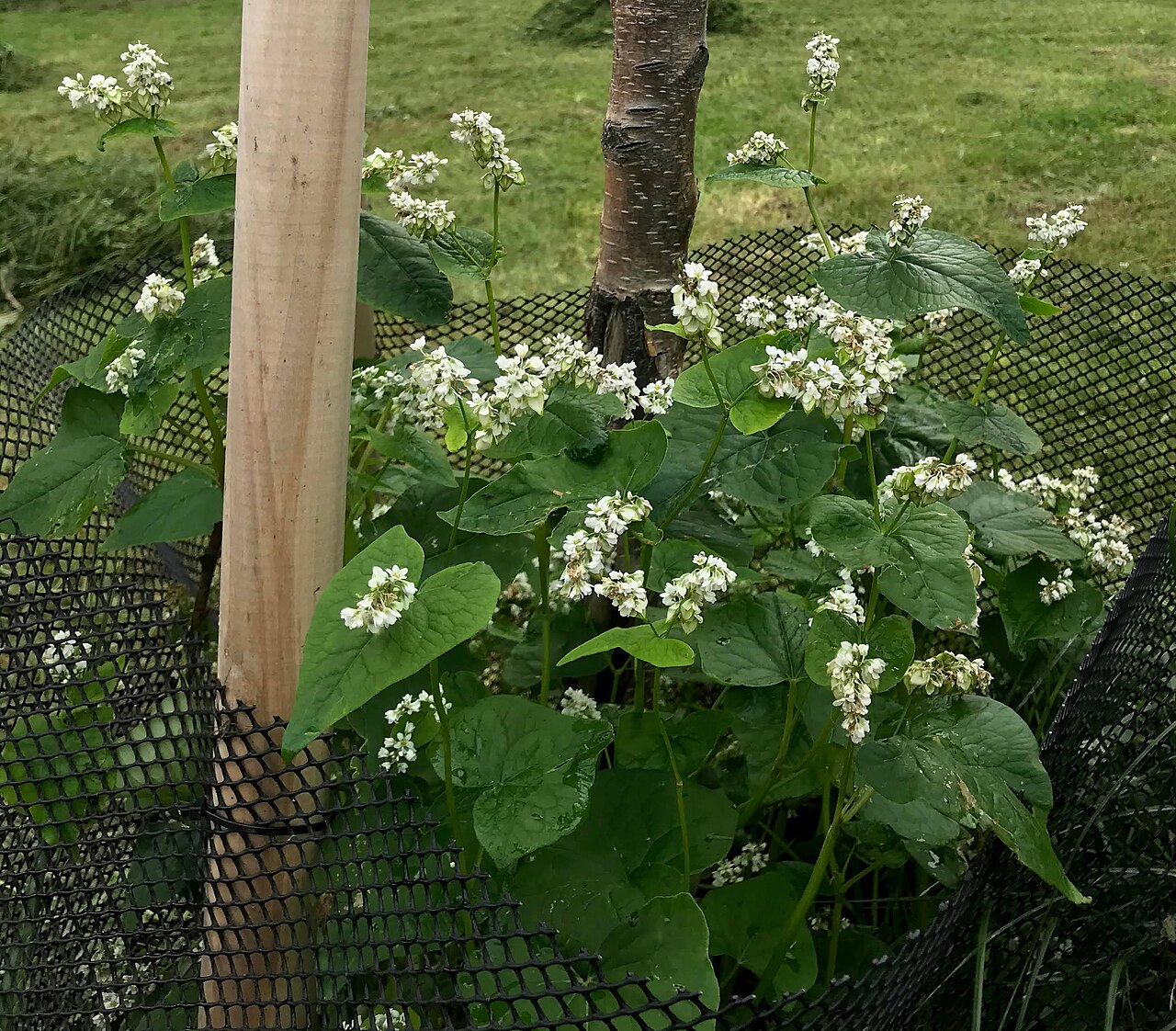
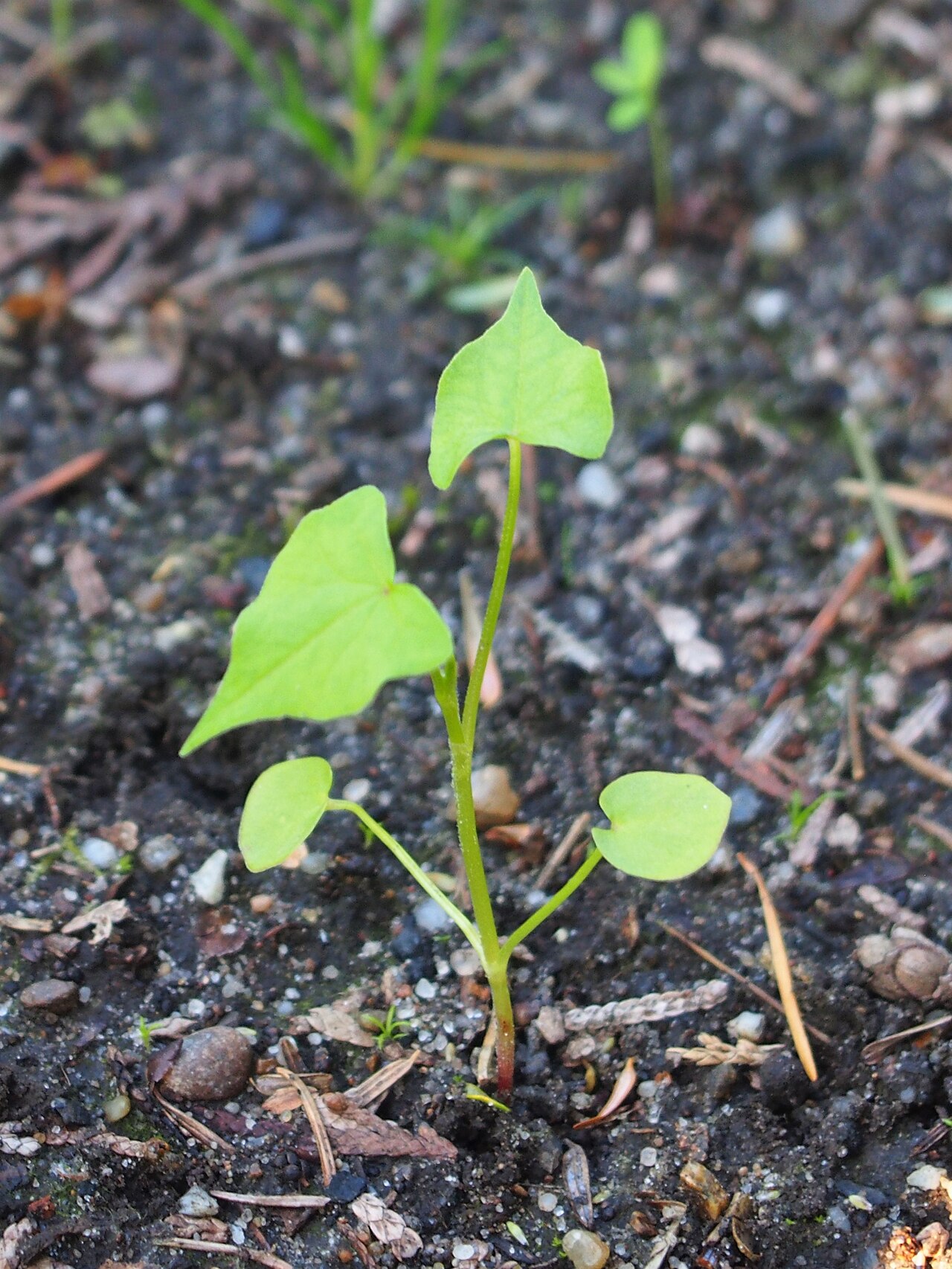
Why this variety
Mancan is the buckwheat most gardeners actually grow, whether they know it or not: a large-seeded diploid variety released by Agriculture Canada in the 1970s, with seed about a quarter larger than the older Tokyo type, and the first large-seeded buckwheat licensed in Canada. Cornell’s buckwheat guide notes it was raised in the Northeast in the early 1980s and is still the variety conservation seed houses sell for cover cropping.
Large seed matters for two reasons: it establishes fast and smothers weeds faster, and it mills into the groats and flour that buckwheat is actually grown for. Mancan is the dual-purpose pick — a cover crop that could also be a grain crop if you let it go to seed.
If you are new to choosing between cultivars, the Varieties Matter guide explains why the name after the plant matters as much as the plant itself. And if you want the whole clan at a glance, the broader Buckwheat guide covers buckwheat generally.
How to grow
In Florida, buckwheat is a summer workhorse: sow it into a bed you want to rest, watch it smother weeds and feed pollinators within weeks, then cut it down before it sets seed if you do not want volunteers. It is frost-tender, so keep it to the warm months.
Broadcast seed onto prepared soil and rake it in, or sow in rows in a garden bed. Buckwheat germinates in days in warm soil and covers the ground in weeks. For a cover crop, cut it down at first flower, before seed sets, if you do not want volunteers everywhere.
Water & feeding
Buckwheat is famously unfussy. It grows in poor soil where other crops sulk, but it still appreciates even moisture while getting established. Once it is up and shading the ground, it mostly takes care of itself — that is the whole point of a cover crop.
Common problems
Buckwheat has few pests — its speed is its defense. The main risk is letting it go to seed when you wanted a cover crop, or sowing it so late that frost kills it before it flowers. Deer love it, which is either a pest problem or a wildlife planting, depending on your goals.
Harvest
For grain, wait until most seeds are brown and dry, then cut and thresh — or let the plants dry in the field and shake the seed out. For a cover crop, cut at first bloom and leave the residue as mulch, or turn it under.
Nerdy fact: Buckwheat is not wheat at all: it is a pseudocereal in the knotweed family, a cousin of sorrel and rhubarb, which is why its flour is naturally gluten-free and why bees go absolutely wild for its flowers.
Saving seeds
Mancan is the buckwheat most gardeners actually grow, whether they know it or not: a large-seeded diploid variety released by Agriculture Canada in the 1970s, with seed about a quarter larger than the older Tokyo type, and the first large-seeded buckwheat licensed in Canada. As a public, open-pollinated release it comes true from seed — large seed establishes fast, smothers weeds faster, and mills into the groats and flour that buckwheat is actually grown for. Let a few plants go to seed, harvest once the seed is dark and hard, and broadcast onto prepared soil in the warm months — but keep other buckwheat varieties at a distance, since buckwheat is insect-pollinated and outcrossing. The full method is in the Saving seeds section of the Buckwheat guide.